
This year was historic for the Tribeca Film Festival: 2026 marked the 25th anniversary of the globally recognized Fest that was created by Robert DeNiro, Jane Rosenthal and Craig Hatkoff to give much needed economic support to Lower Manhattan in the wake of the September 11th attacks. Though the original intent of the festival was to showcase movies and documentaries, its scope has expanded to include talks, immersive storytelling, games, television and short films. Over the 12 days (June 3-14), 86 short films and 118 feature films screened. My roundup, which is just a taste of what Tribeca put on, is meant to whet the appetites of film fans with some flicks that deserve more attention.
What Are Some Of Honeysuckle's Favorite Hidden Gems From The 2026 Tribeca Film Festival?
Read on for the top picks and diamonds-in-the-rough... Most of these haven't been sold for wider distribution yet, but we have high hopes their moments will come.
Dante
Director
Hugo Ruiz
Watch the trailer for DANTE:
What Makes Dante A Hidden Gem?
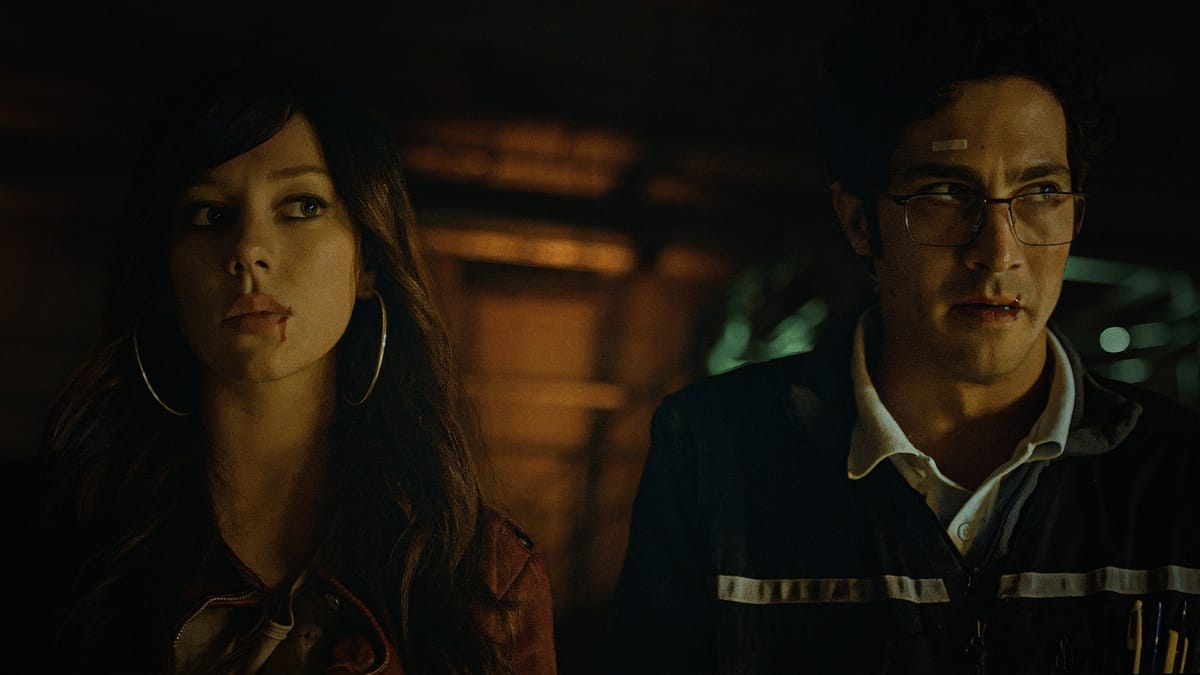
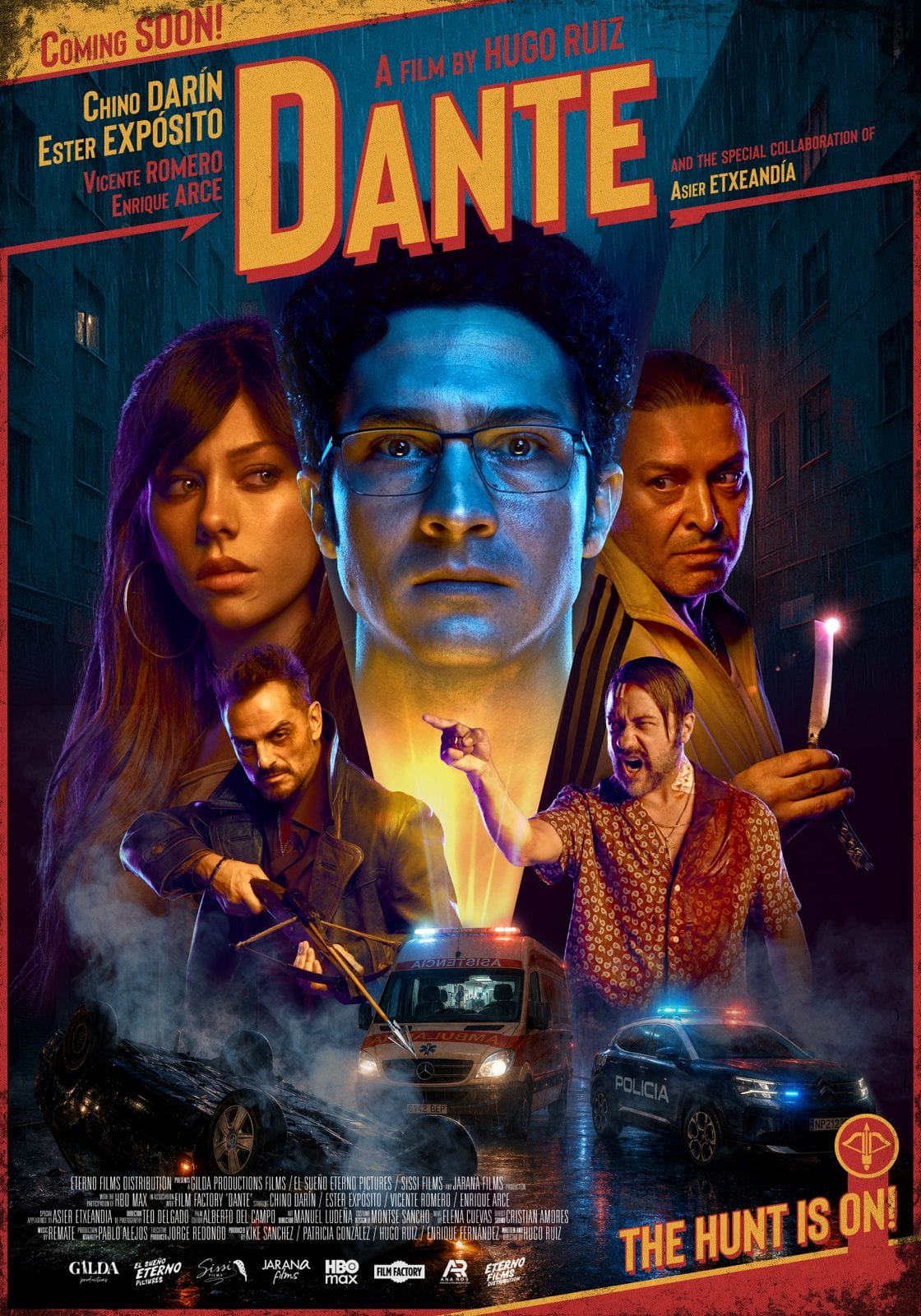
Writer and director Hugo Ruiz’s Dante kicked off my festival going with flare internacional. Three years ago, Ruiz, a Spanish filmmaker, won Tribeca’s Best New Director Award (a first for a Spanish filmmaker) for his debut movie One Night With Adela, a single-take thriller. The frenetic Dante, set in Villaverde, follows Eduardo (Chino Darin, The Heist Of The Century), a kindly, bespectacled paramedic who answers a call that utterly upends his night.
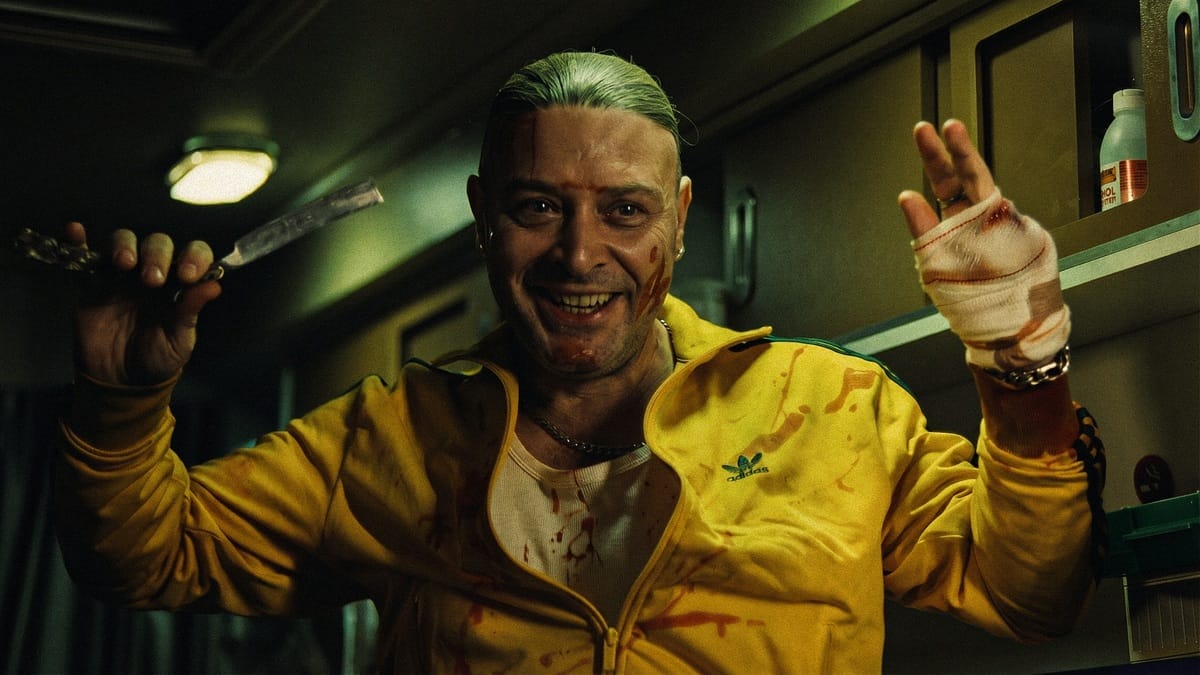
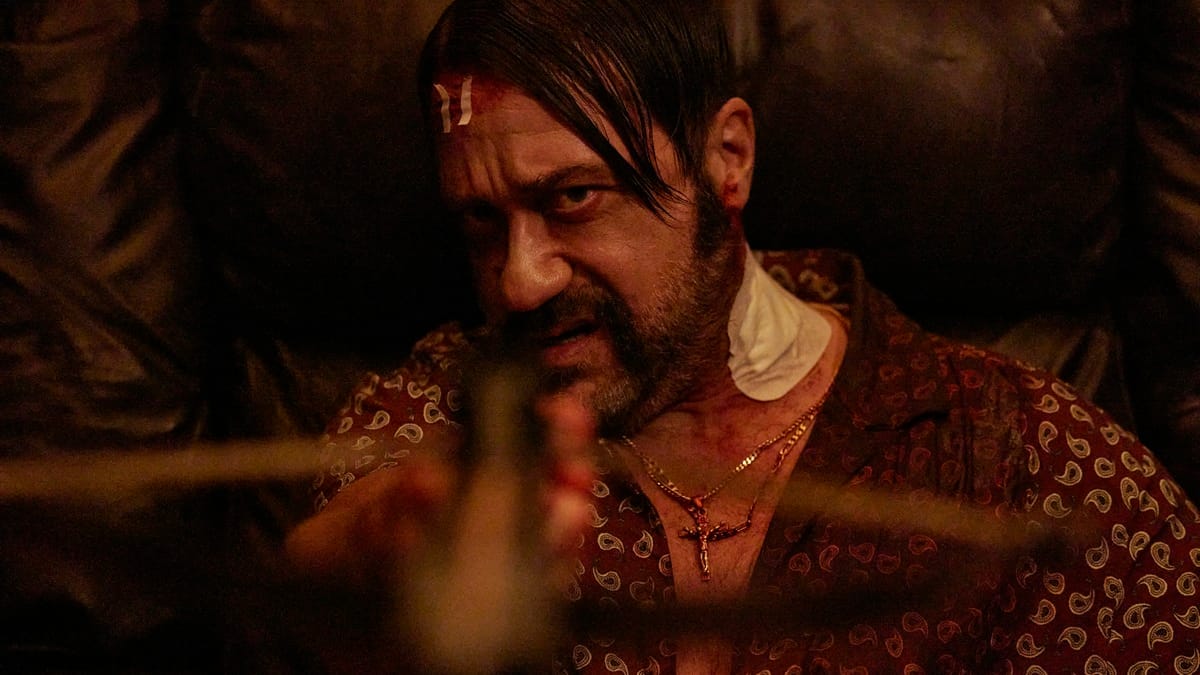
Eduardo arrives at the home of a seriously wounded local crime boss, Mario (Enrique Arce), who orders Eduardo to save him. But Eduardo’s valiant efforts are interrupted by two of Mario’s associates, beautiful Mak (Ester Expósito, Elite) and volatile Santos (Vicente Romero, Cell 211), though not before Mario hides what they’ve come looking for (we never actually see what IT is - think the suitcase in Pulp Fiction and Tarantino is definitely an inspiration here). Forced at gunpoint to drive them in his ambulance, Eduardo gets mixed up in an escalating dispute between various criminals, all while trying to do his job (so as not to arouse suspicion since the ambulance’s route is tracked) as requests come from those in need. Santos has Mak sit up front with Eduardo to keep him from going rogue and there’s a frisson of chemistry between the two. No victim herself or in possession of a heart of gold, Mak’s tough and clearly a survivor. You wonder as the danger builds whether the mild-mannered Eduardo will make it to the end of his shift. Dante, which had its World Premiere at Tribeca, is a tightly-paced, white-knuckle of a 90-minute ride with a wild twist at the end.
Where Can I See Dante?
Dante will screen in theaters throughout Spain beginning November 6, 2026. For more information, click here.
The Long Haul
Director
David Drake
What Makes The Long Haul A Hidden Gem?
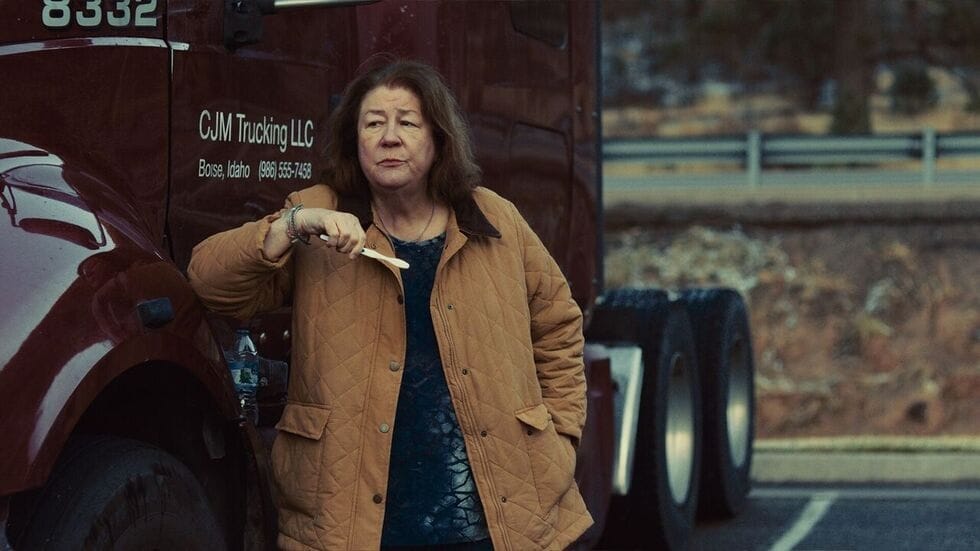
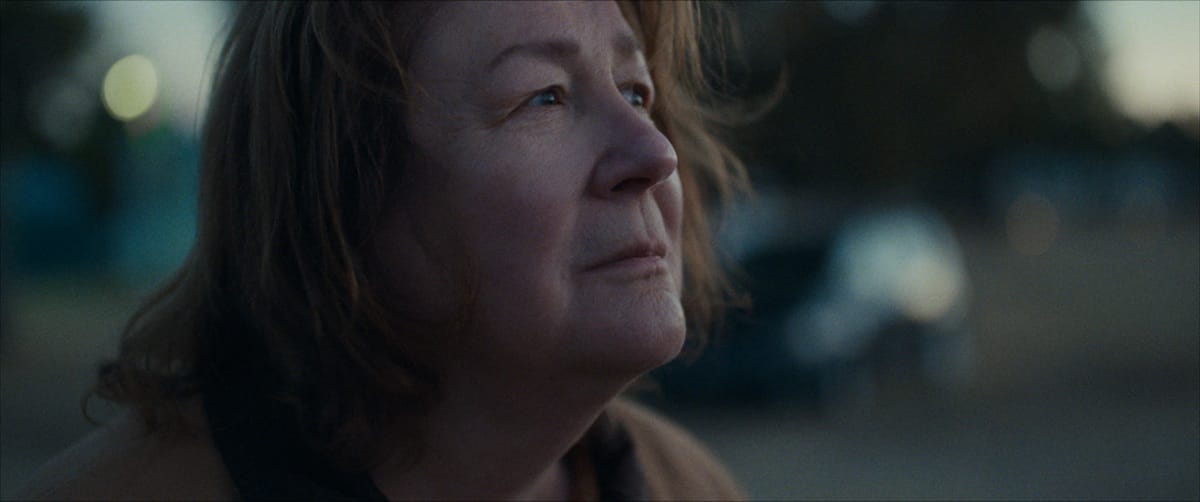
While a huge swath of New York City (and the country) were watching the very dramatic NBA championship finals, I was taking in The Long Haul, starring the magnificent Margo Martindale (Million Dollar Baby; The Sticky), written and directed by David Drake. The New York native, based in the UK, is making his feature debut at 40 with a story based on his father, who was a truck driver in the South Bronx out of the Hunts Point Market.
The opening scene, in which CJ Montague (Martindale), uses a kit to dye her hair in a roadside restroom, beautifully and simply says so much about who she is. A veteran trucker (and individual owner operator) who has been one of the few women on the road during her decades in the business, CJ, a loner, is very much out of another time. She sends herself blank postcards from her stops along the Southwest, and still uses a landline and answering machine, though the only person leaving her messages is Andy (Stephen Root), whose calls go unreturned as she desperately tries to avoid something in her past to which he’s connected. Her one friend, Buck (Wes Studi), is a man she hasn’t actually met, but talks to regularly on her CB radio.
CJ sleeps in her truck bed when she’s on the road, makes the deliveries on her own schedule and enjoys a beer after a long day on the road, which have her bumping up against the rigid rules and attitude from Junior Purvis (Cole Sprouse), the son of the owner of one of the companies for which she does regular runs. An avid social media poster with a dedicated group of followers, Junior is an anathema for CJ. The industry changes and incursion of technology into a job she once loved, have her thinking about retiring. Trucking across the vistas of America (the movie was filmed in New Mexico), CJ is trying to run from the trauma that caused her to become so emotionally closed off. Director Drake takes his time unpacking the event that haunts CJ, allowing us to get to know and be invested in her character.
Where Can I See The Long Haul?
As of this writing, no details have been made available about upcoming releases of The Long Haul. For more information about the film, click here.
March Forth
Directors
Robe Imbriano and Valerie Hong
Watch the trailer for MARCH FORTH:
What Makes March Forth A Hidden Gem?
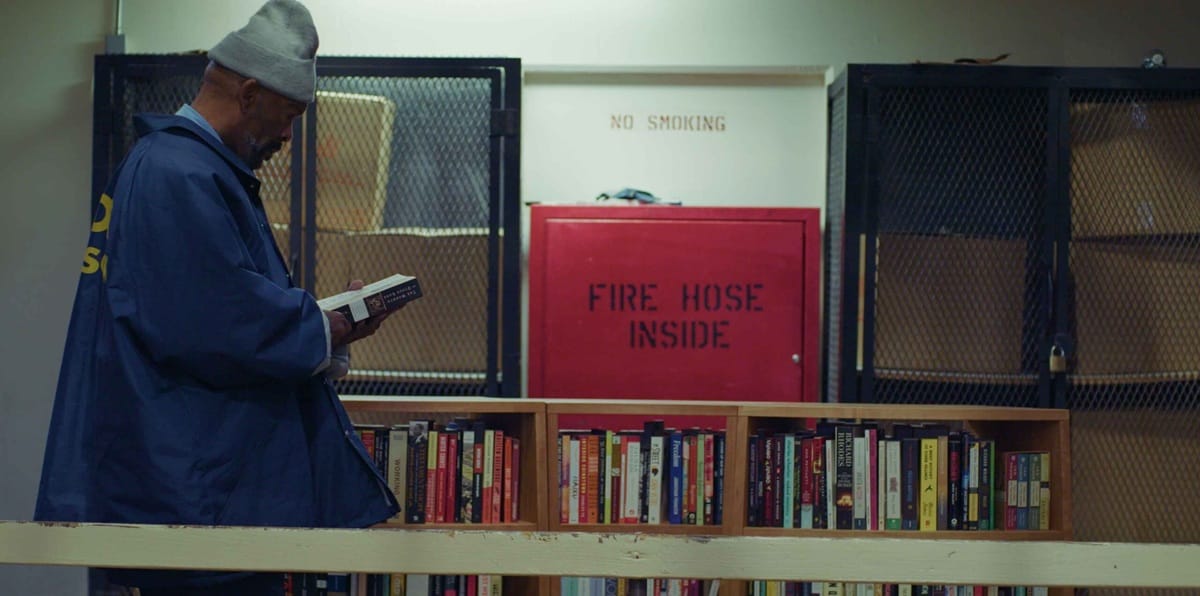
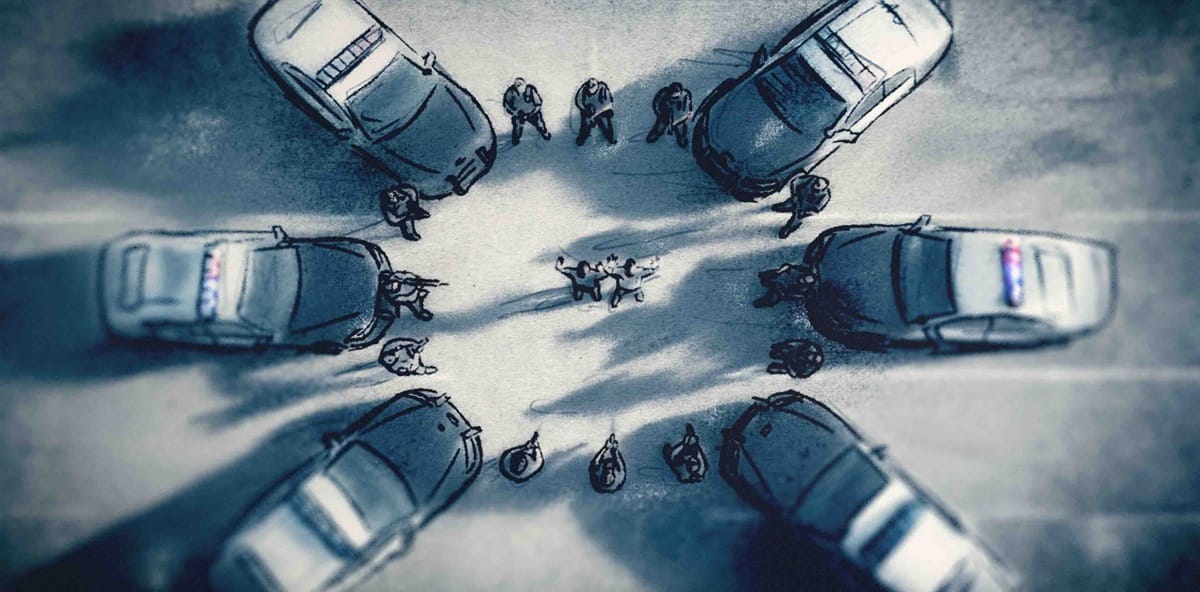
You would arguably be hard pressed to find a bigger booster of seeing movies in theatres than me, but I did appreciate being able to view the three documentaries I selected at home, getting to sit with them and their ideas for provoking people to action in different ways. I first learned of the incredible story behind Freedom Reads and its founder Reginald Dwayne Betts, while listening to an episode of the podcast Conan O’Brien Needs A Friend. The mixed-media documentary March Forth, directed by Robe Imbriano (Criminal) and Valerie Hong (ABC News), tells what happens after Betts, at 16, makes a life altering, terrible decision to get a gun and carjack a man.
As a Black kid in the mid-90s when the popular phrase “super predators” is being indiscriminately used (by law enforcement and politicians on both sides), he’s sentenced not as a minor but as an adult, and shipped off to a newly-built “Super Max” prison while still a teenager. Put in solitary at age 17, books, which are contraband in the eyes of the prison, spirited in and shared between the men, are what save him, in particular poetry. After his release on March 4th, 2005 (as Betts notes, it’s the only date that is also a command), Betts earns his college degree, then graduates from Yale Law School. This would be amazing on its own, since statistically few of the formerly incarcerated even go to college. Betts then writes a memoir, becomes an award-winning poet, receives a MacArthur “Genius” grant and last year, 20 years to the day of his release, makes his debut on stage Off-Broadway with his one-man show about his life (also titled March Forth).
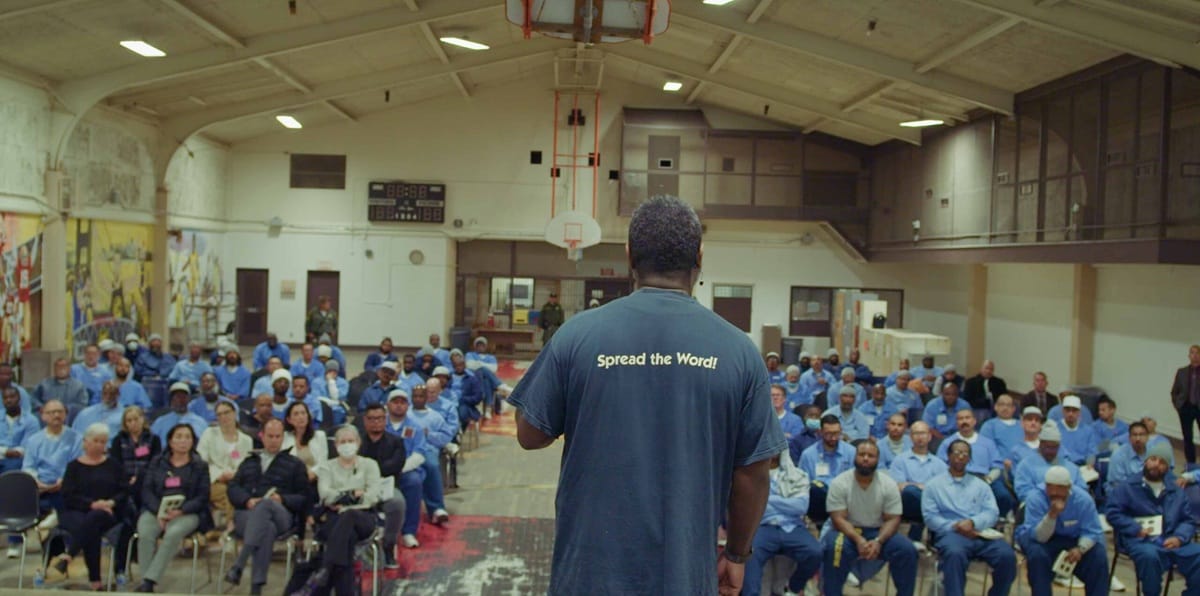
But after all the spectacular highs, including helping a number of people get out of prison, Betts is burned out, stressed and feels adrift. When a friend asks what’s the one thing he would do if he could, he thinks back on the profound effect the underground prison library had had on him and the hope it had given him. Betts has an epiphany and in 2020, launches Freedom Reads, the only non-profit that puts libraries in cell blocks. The bookcases are handcrafted, some by those who served time, with books curated for each prison. To date, there are 671 Freedom Libraries in 15 states and over 279,750 books have been shipped to readers in the US. March Forth (narrated by Oscar nominee Brian Tyree Henry) conveys how powerful literacy and connection are, and how critical it is for the men and women locked up to not feel like they’ve been abandoned.
Where Can I See March Forth?
As of this writing, no details have been made available about upcoming releases of March Forth, but you can inquire about hosting a screening and find out more information about the film at marchforthfilm.com. For more about Freedom Reads, visit freedomreads.org.
Time Warp
Director
Allison Berg
What Makes Time Warp A Hidden Gem?
Shifting gears, I next watched Time Warp, a documentary by Allison Berg (The Dog) and produced by the power trio of Josh Gad (Frozen, Spaceballs: The New One), Billy Porter (Pose, Kinky Boots) and John Cameron Mitchell (Hedwig And The Angry Inch) that won the Tribeca Special Jury Mention, Best Documentary Feature.
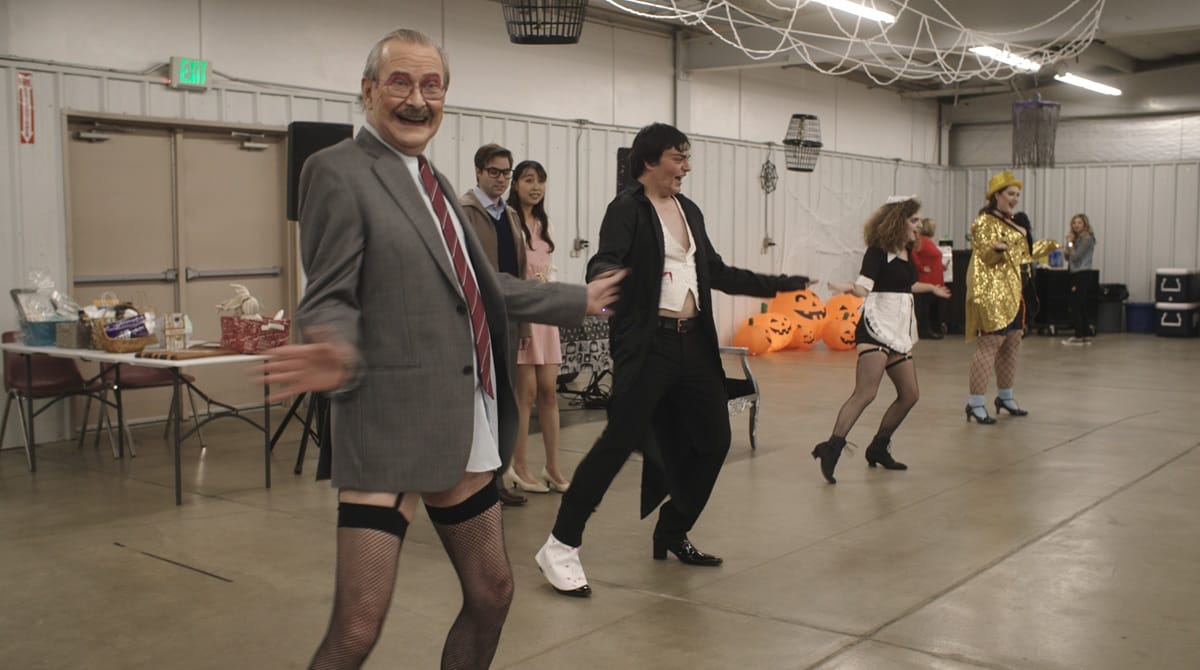
Time Warp is about a mostly LBTQIA+ theatre company trying in Fall 2022 to stage a shadow cast production of The Rocky Horror Picture Show in Rock Springs, a tiny, Jesus and guns-loving Wyoming town that even one of the staffers at the urban renewal office says has been called “the armpit of Wyoming.” It’s a place not particularly tolerant of people who are different, with high rates of drug and alcohol use, and suicide. More than one person mentions that Wyoming has the highest suicide rate in the country. You might be thinking, who would want to put on a queer-friendly show here (a shadow cast lip syncs as the movie plays on a screen behind them) and why?
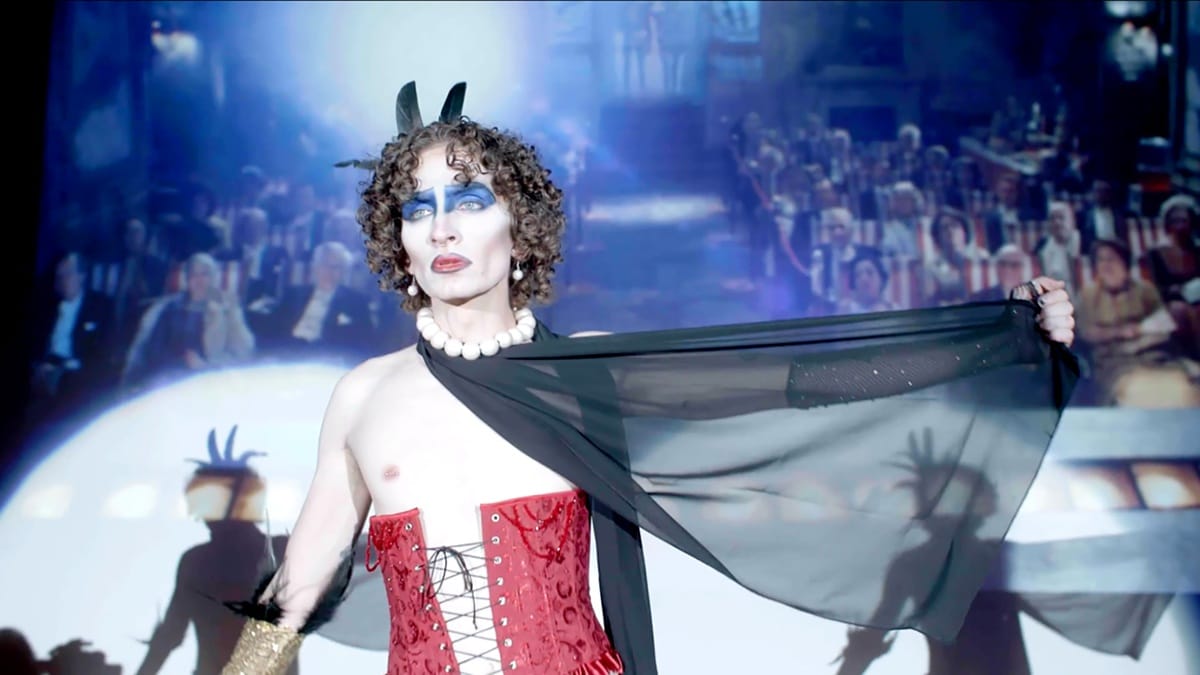
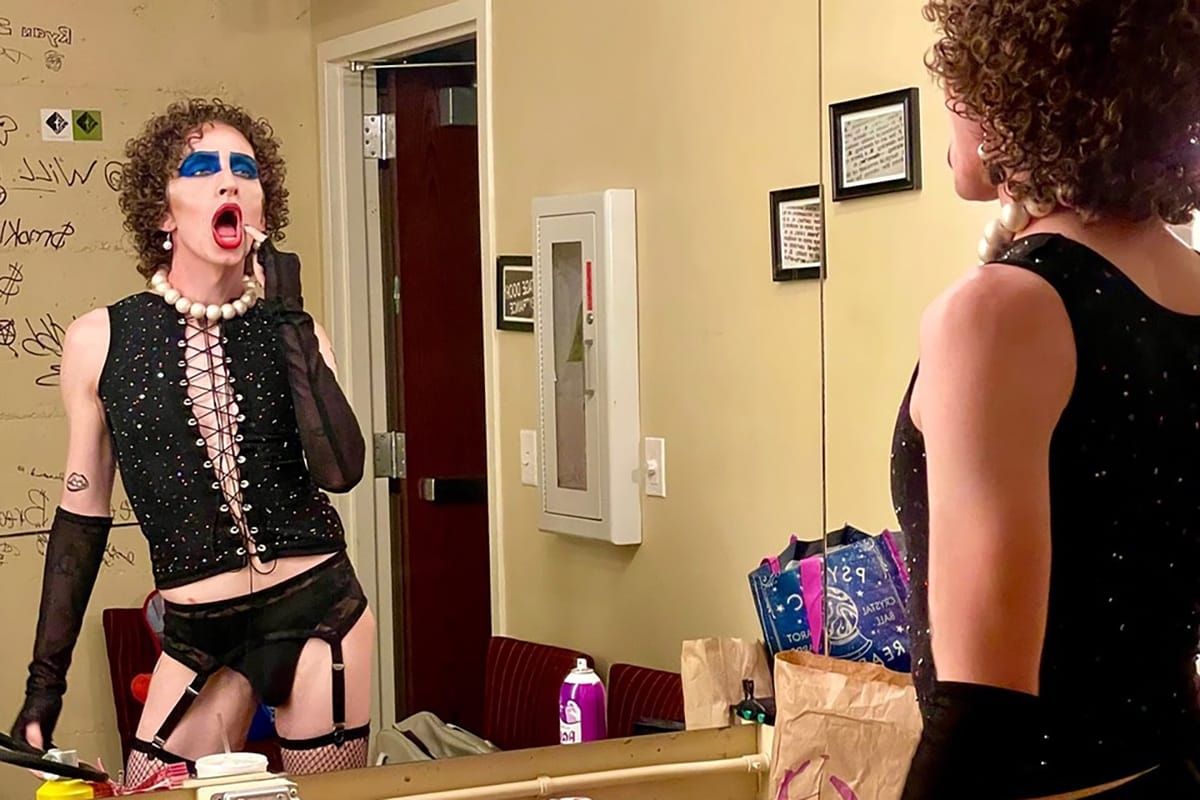
Fittingly, Time Warp opens on Kenny Starling as he sings “Sweet Transvestite” in the shower, his home adorned with RHPS Funko Pop dolls and a RHPS bag emblazoned with the signature giant red lips. Kenny, who was raised in the not gay-friendly Southern Baptist church in South Carolina, identifies as “gender fluid” and looks and sounds like no one else in town, not least of all because of the nail polish on his fingers. Not surprisingly, he’s playing the starring role of Dr. Frank-N-Furter.
It’s two months until opening night and he tells the gathered group he’s the “director, choreographer, whatever you need.” You can tell immediately Kenny is a sweet, generous soul, but also one with a mission. The performers, a number of them teens from the local high school and/or first time actors, have been desperately looking for a way to express themselves (as have many of the kids in school, according to some of the supportive parents) although they didn’t necessarily know it until Starling arrived.
He’s filling an urgent need, which comes across as the director chats with the actors, including Max "Bones" Rogers, a kid who’s out as gay and trans. They have been called slurs in the school hallways and slammed into lockers. Bones lives with their grandparents and says their grandmother tells homophobic jokes to Bones’s face.
“Being gay isn’t talked about in the community,” Bones says, “So I’m really glad Kenny is putting on the show.”
Another actor, Valerie McCoy, remarks that the local bar she goes to is frequented by lesbians, which the townspeople are much less hostile about than men being out. She says Kenny is one of the few openly gay men in Rock Springs.
Kenny, the kids and the company are easy to root for, whether they’re facing ignorance and prejudice at a town hall meeting, wondering whether people will buy tickets, if their family members will show, or facing the fear that they might be targets. After all, Laramie, just a few hours away, is where Matthew Shepard was the victim of an anti-LGBTQ hate crime in 1998. I don’t think I’m taking anything anyway to say that happily, the show does go on for Kenny’s crew, and it’s deeply meaningful for the company and the audience.
The ending is bittersweet but hopeful, with a coda that reminds viewers about the mass shooting at Club Q in Colorado three weeks after the run, but there’s also footage for the shadow cast version of Hedwig And The Angry Inch that Kenny was able to put on after Covid shut it down before it got started. May Kenny Starling inspire other once bullied kids growing up in intolerant parts of the US to open up conversations in small towns where the LGBTQIA+ community is afraid to be out, and provide outlets for queer kids to feel free to be who they are.
Where Can I See Time Warp?
Time Warp is currently on the festival circuit and recently completed its run at OutfestNEXT Los Angeles. For information on upcoming screenings and more about the film, visit timewarpfilm.com.
Hollywood Does Abortion
Directors
Barbara Attie, Mike Attie, and Janet Goldwater
What Makes Hollywood Does Abortion A Hidden Gem?
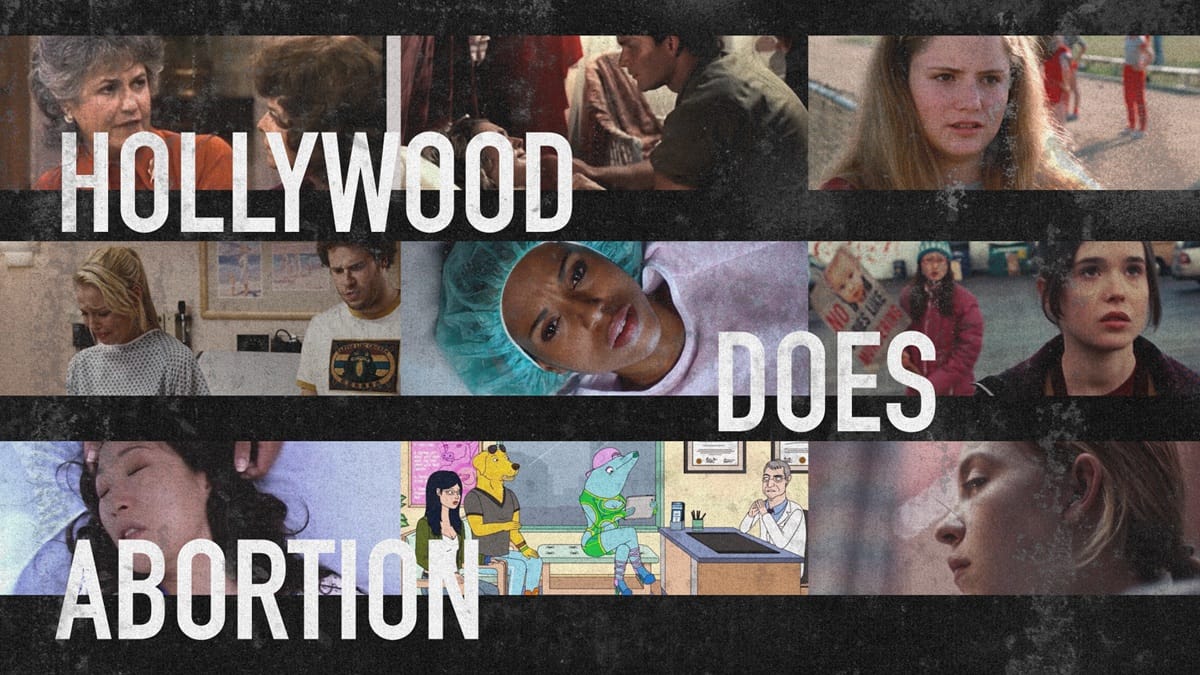
The last documentary I saw was Hollywood Does Abortion, from directors Barbara Attie, Mike Attie, and Janet Goldwater, and producer Eliza Licht (the makers of the Oscar shortlisted Abortion Helpline, This Is Lisa). It's executive produced by Rachel Bloom (My Crazy Ex-Girlfriend), trailblazing journalist Ruth Ann Harnisch (The Hunting Ground) and The Harnisch Foundation, and Angela Tucker (Black Folk Don't).
The film features commentary from a wide range of television and film writers, such as Bloom, Eleanor Bergstein (Dirty Dancing screenwriter and Co-Producer), and Zoanne Clack (Writer/Producer, Grey’s Anatomy and Station 19); journalists, including Dana Stevens (Film Critic for Slate); and academics and activists like Renee Bracey Sherman (Founder, We Testify) and Steph Herold (Abortion Onscreen). Hollywood Does Abortion takes viewers through the arc of how abortion has been portrayed onscreen over the last half century while charting the politicization of abortion with the rise and influence of the Christian Right starting with the election of Ronald Reagan through to present day, post-Dobbs.
The documentary begins with a title card for the November 14, 1972 episode of the Norman Lear sitcom Maude (part one of “Maude’s Dilemma”), which airs on CBS to a viewership of 65 million people, 31 percent of the US. For anyone not familiar with this seminal moment in pop culture, to say nothing of American Herstory/History, Maude, played by Bea Arthur, finds herself dealing with an unplanned pregnancy at age 47 and ultimately has an abortion. At the time of the episode’s airing, only New York and California have legalized abortion. Nine weeks later, Roe v. Wade becomes law and anti-abortion laws are rendered unconstitutional.
Hollywood Does Abortion skillfully utilizes its interviewees to recount the many inaccurate, punishing and hostile ways television and movies have overwhelmingly presented abortion, from women being tormented or traumatized - and that’s often only over just thinking about an abortion (Dallas; Party Of Five; Felicity; Boston Legal; Mad Men, to name a few) - or deciding completely out of character to have a baby (Roseanne; Sex & The City; Knocked Up; Juno). Much rarer, until the 2000s, are the portraits when abortion is presented empathetically (Dirty Dancing; If These Walls Could Talk), as a routine medical procedure (Fast Times At Ridgemont High), or with humor (Citizen Ruth). In the 21st Century, television, with a lot of thanks to Shonda Rhimes (Grey’s Anatomy; Scandal; Station 19), premium cable and streaming, has taken many more opportunities (Veep; Friday Night Lights; Euphoria; The Morning Show) to tell abortion stories as not just happening to white teenage girls but also to working mothers (Crazy Ex-Girlfriend), women of color (Scandal; Claws), and stay-at-home moms (Station 19) since medication abortions are very common today.
These movies and television series depict abortion simply as healthcare, and that was my takeaway from this engrossing and engaging documentary. I hope you are also left enraged by it and moved to act this election year. Women are 51 percent of the population and should vote as if their lives depend on it, because they literally do.
Where Can I See Hollywood Does Abortion?
As of this writing, no details have been made available about upcoming releases of Hollywood Does Abortion. For more information about the film, click here.
To keep up with news on these films, and for more about Tribeca Film Festival's 25th Anniversary programs, visit tribecafilm.com.
--
Written By:
Shani R. Friedman
@thetiniestcanadian (IG)
@shanestress (Twitter)
--
Find Out More On Social
--
Featured image: Kenny Starling in TIME WARP, directed by Allison Berg, winner of the Tribeca Special Jury Mention, Best Documentary Feature. (C) Jen Chaiken, courtesy of Fusion Entertainment.
