
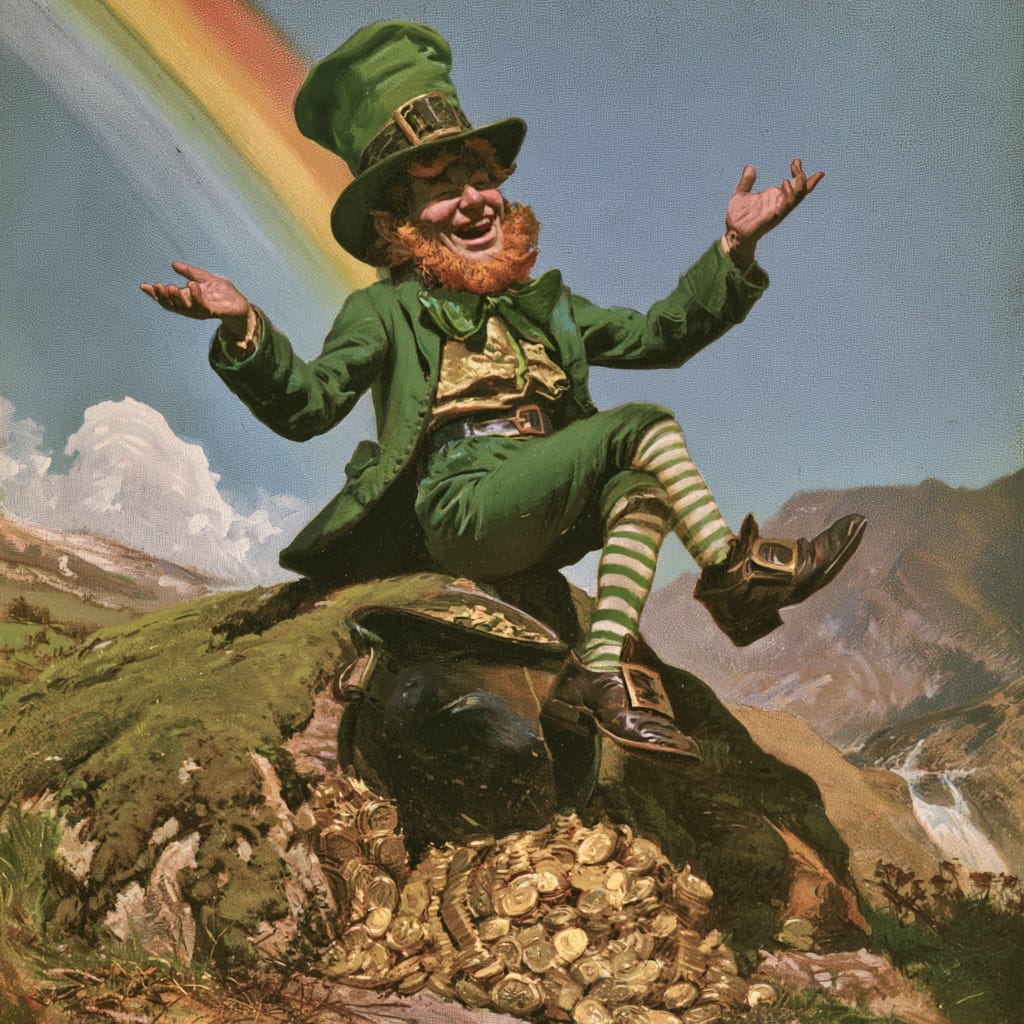
Have you ever wondered why we are still so utterly captivated by the image of a pot of gold at the end of a rainbow? In our busy, hyper-connected world, you might think that ancient fairy tales would have faded into the background, kept alive only in dusty academic archives or children’s storybooks. Yet, the opposite is true. If you take a look at the screens we use every single day, you will find that Celtic mythology and the playful lore of the leprechaun are more popular than they have ever been.
This is not a historical accident. There is a deep, comforting relationship between the stories our ancestors told by the fireside and the ways we choose to unwind today. As we look for moments of peace and simple enjoyment, these ancient tales have found a surprising new life as icons of modern digital relaxation.
From Oral Tradition to the Screen: The Resilience of Celtic Myth
For centuries, stories of the supernatural were told around turf fires in cottages across Ireland, Scotland, and Wales. These gatherings, often known as a céilí, were not just about entertainment; they were a vital way of keeping history, values, and community connection alive. The storyteller, or seanchaí, would weave tales of the Aos Sí (the fairy folk), mysterious ancient kings, and the clever, solitary beings we now know as leprechauns.
What makes Celtic mythology so remarkable is its sheer resilience. Unlike some ancient mythologies that became static, written relics of the past, Celtic lore has always been incredibly fluid. It has constantly adapted to whatever new medium humans invented. When the printing press arrived, these oral histories became beautifully illustrated books of fairy tales. During the Irish Literary Revival of the late nineteenth century, writers like William Butler Yeats spent years collecting these oral accounts, publishing works such as Fairy and Folk Tales of the Irish Peasantry in 1888. Yeats believed that these stories kept a sense of wonder alive in a rapidly industrialising world.
Today, that same preservation is happening on our screens. The legendary figures of Irish folklore have made a seamless transition into modern interactive media. This evolution is a natural continuation of the oral tradition. We still want to believe in a little bit of magic, and the digital world offers a safe, vibrant space to explore those age-old ideas of luck, fate, and natural wonder.
The Intersection of Alternative Wellness and Digital Play
Many of us have experienced that frustrating feeling at the end of a long, demanding day. You want to wind down, but your brain is still spinning with work emails, family schedules, and the constant hum of the daily news. Traditional ways of switching off, like watching a dramatic television series or scrolling through a social media feed, can often leave you feeling more wired and anxious than before. Because of this, there has been a significant shift toward what is often called alternative wellness, with people actively seeking out gentle, low-stress activities to help quieten their minds before sleep.
As part of this shift, some have started using visually rich, low-intensity slot games as a sensory-soothing evening ritual, replacing high-stress media with folklore-inspired aesthetics. It might sound unusual at first, but when you look closer, the appeal is incredibly clear. These gentle digital experiences offer a predictable, pleasant space where you can simply let your mind rest. Instead of demanding intense problem-solving or quick reflexes, they provide a steady, calming rhythm that can help ease the transition from a busy day to a restful night.
Of course, if you choose to explore these playful digital spaces, balance is key. It is always wise to set clear boundaries, ensuring that these activities remain a light-hearted, casual form of relaxation. By treating them as a simple, visual wind-down ritual, you can enjoy the soothing atmosphere without any pressure. The focus is entirely on the peaceful, predictable flow of sound and colour, acting as a modern, digital equivalent of gazing into a crackling fireplace.
Visual ASMR: Deciphering the Imagery of Abundance and Luck
Why do these Celtic motifs have such a profoundly relaxing effect on us? A large part of the secret lies in the specific visual and auditory language of Irish folklore, which operates almost like a form of visual ASMR. When we step into a digital world inspired by Celtic myth, our eyes are treated to a very specific, deeply comforting palette.
First, there is the abundance of green. From an evolutionary perspective, human beings are wired to find comfort in lush, green environments; historically, green landscapes meant water, food, shelter, and safety. In modern colour psychology, green is widely recognised for its ability to reduce strain on the eyes and lower stress levels. When you pair this tranquil green backdrop with the warm, golden light of a setting sun or a glowing pot of gold, the visual effect is instantly warming and reassuring.
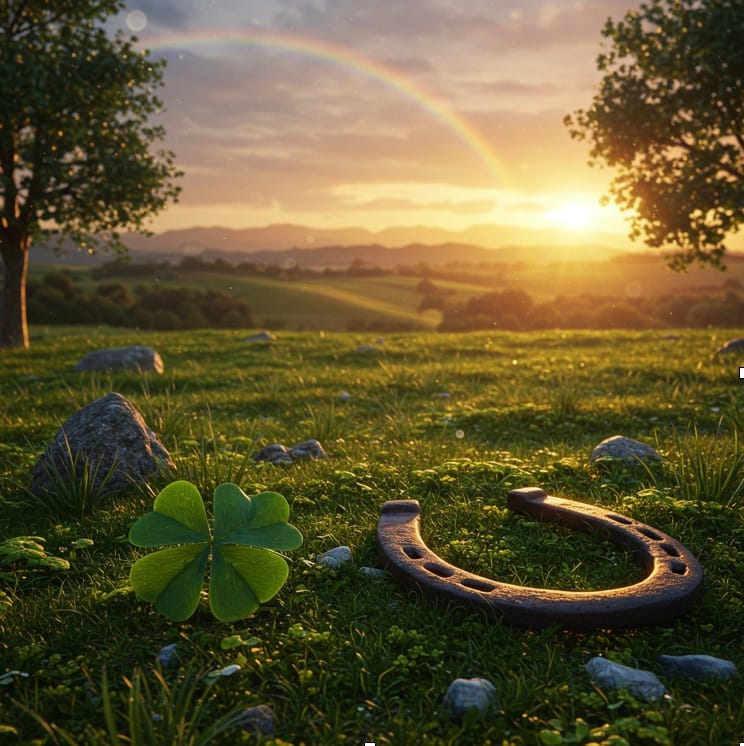
Then, we have the iconic symbols of luck:
- The Four-Leaf Clover: A rare variation of the common shamrock, traditionally believed to bring good fortune, hope, and protection.
- The Horseshoe: An ancient protective talisman, hung above doorways to keep unwanted worries away and capture positive energy.
- The Rainbow: A natural phenomenon that has symbolised hope, promise, and the bridge between the ordinary and the magical for thousands of years.
These symbols are so deeply embedded in our collective culture that we do not need to spend any mental energy trying to decode them. The moment we see them, we experience a quiet sense of familiarity and ease. Combined with the gentle, acoustic sounds of traditional flutes, harps, and violins, these visuals create a rich sensory experience that helps quiet the noise of modern life.
A Modern Wishing Well: Folklore Themes on the Reels
For generations, people would walk to a local wishing well, toss in a small coin, and make a silent wish. This wasn’t done with the expectation of a guaranteed miracle; rather, it was about the simple, comforting act of expressing hope and interacting with a symbol of good fortune. It was a tangible way to connect with the mysteries of luck in a casual, everyday setting.
We can see this same gentle tradition continuing in modern digital art. Today, we can reference classic Celtic-themed experiences like Rainbow Riches as digital art forms that allow players to interact with symbols of luck and vibrant, rainbow-infused color palettes in a casual, low-stakes setting. These playful platforms do not require heavy investment or intense focus; instead, they serve as light-hearted, visual representations of the wishing wells of old. They offer a moment of pure, aesthetic escapism, where you can admire the bright, cheerful animations and hope for a little bit of good fortune.
Ultimately, our enduring love for Celtic mythology in the modern era shows that we have not outgrown our need for folklore. We have simply found new, creative ways to keep these ancient stories close to us. By choosing to spend our quiet evenings in these gentle, mythic worlds, we are keeping a very old and beautiful tradition alive: the search for a little bit of magic, quiet comfort, and hope in the middle of our daily lives.
