
New York Opens Applications for Cannabis Showcase Events Statewide, Expanding Retail Beyond Dispensaries
New York is taking another step toward redefining how regulated cannabis meets the public—this time, beyond the walls of the dispensary.
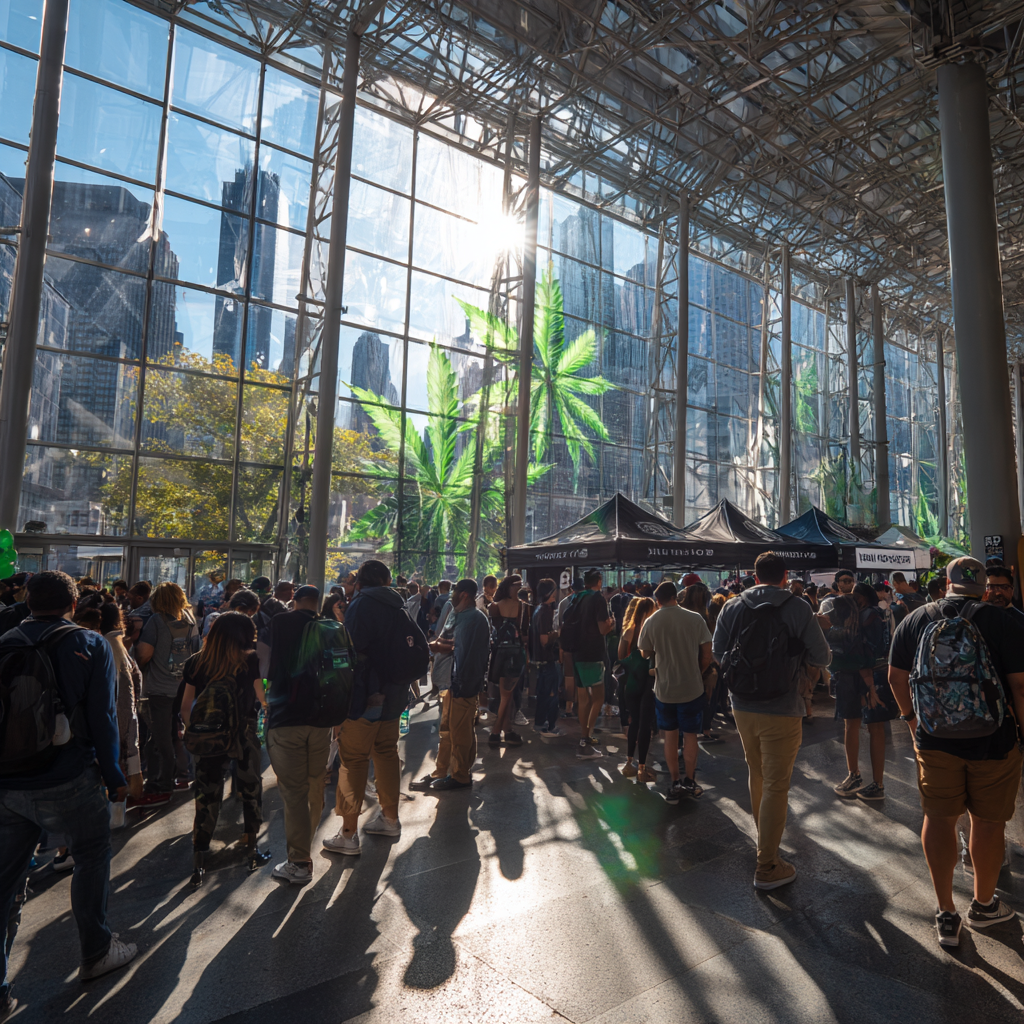
The New York State Office of Cannabis Management (OCM) has officially opened applications for Cannabis Showcase Events (CSEs), a new statewide program allowing licensed adult-use dispensaries to sell products at approved off-site locations such as pop-ups, farmers’ markets, and public events. The initiative follows legislation signed by Kathy Hochul in March 2025 and now enters its implementation phase under newly adopted regulations from the Cannabis Control Board.
At its core, the program is designed to expand access and visibility for licensed operators while maintaining the regulatory structure that defines New York’s market.
Retail Meets the Real World
For years, delivery and storefront retail have defined the consumer experience. Cannabis Showcase Events introduce a third lane—temporary, location-based retail designed to meet consumers where they already are.
According to John Kagia, the initiative is built with intention:
“These events allow licensed retailers, cultivators, and processors to meet consumers where they are, at community markets and pop-ups—while maintaining strict safety standards, age restrictions, and local oversight.”
The model is straightforward but tightly controlled: licensed dispensaries can apply for permits to operate temporary retail environments at approved venues, while cultivators and processors can participate in a showcase capacity only.
A Controlled Expansion
The framework reflects a balance between opportunity and oversight—a consistent theme in New York’s rollout.
Under the new regulations, Cannabis Showcase Events must meet a series of strict requirements, including:
- Written approval from the host municipality
- Advance application submission to OCM
- Age verification (21+) for entry and sales
- No on-site consumption
- No free samples or product giveaways
- Compliance with distance requirements from schools and youth facilities
- Submission of security, safety, and incident reporting plans
Sales can only be conducted by the licensed retailer holding the event permit. While brands and producers can present their products, they are not permitted to sell directly or distribute samples—ensuring that all transactions remain within the regulated retail chain.
Local Control Remains Central
One of the defining elements of the program is municipal authority.
Local governments retain full control over whether events can take place in their jurisdictions. Without explicit approval, OCM will not issue a permit—effectively giving municipalities veto power over each activation.
Jessica Garcia emphasized that structure:
“Cannabis Showcase Events allow licensees to take advantage of the summer season while maintaining strong public health standards.”
The seasonal timing is no coincidence. With outdoor markets and public gatherings ramping up, the program is positioned to integrate cannabis into existing cultural and commercial ecosystems—without disrupting regulatory guardrails.
How the Events Will Work
Approved events can run for up to 14 consecutive days, with each venue capped at 45 total event days per calendar year.
All products sold must come directly from the hosting retailer’s inventory, reinforcing traceability and compliance. The system avoids fragmentation by keeping transactions tied to licensed storefront operators—even in temporary environments.
The result is a hybrid model: experiential retail layered onto a tightly controlled supply chain.
A Shift in Market Strategy
Cannabis Showcase Events signal a broader evolution in how legal markets think about access, branding, and consumer engagement.
Rather than treating retail as a fixed location, New York is experimenting with mobility—bringing regulated product into curated public settings while maintaining the compliance infrastructure behind it.
For operators, it opens the door to new revenue streams and brand exposure. For consumers, it introduces a more accessible, integrated experience. And for regulators, it’s a test of whether flexibility and control can coexist at scale.
Applications, guidance, and required forms are now available through OCM as the state prepares for its first wave of showcase events.
