
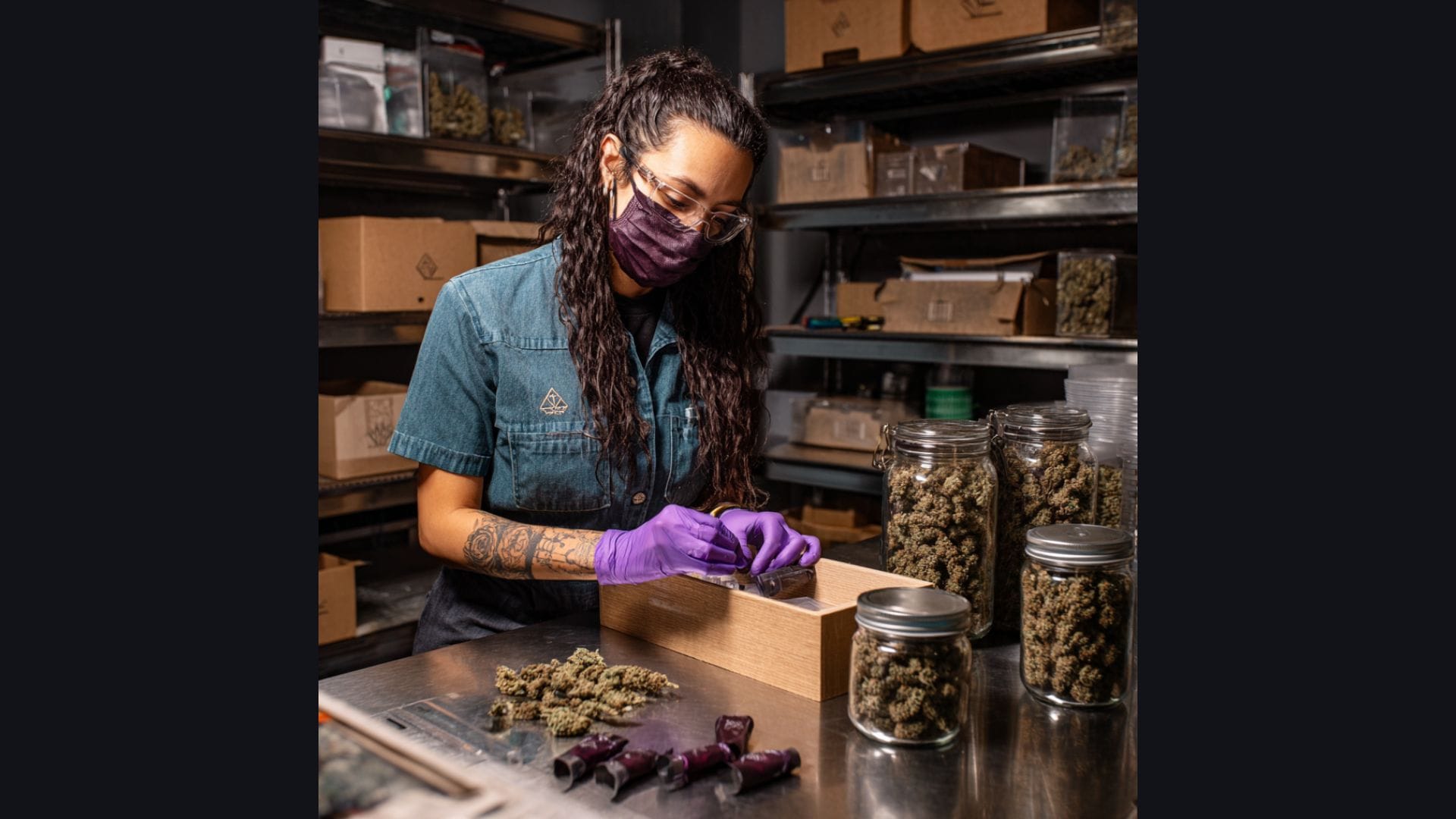
The solventless pre-roll market has grown up quickly. What used to feel like a niche product for concentrate fans is now a legitimate revenue driver in legal cannabis markets. The operators winning shelf space and repeat business are usually the ones that got organized early and built a process they can repeat. If you want a solventless pre-roll line that performs from the first batch to the hundredth, it starts with getting the fundamentals right.
Strain Selection Sets the Ceiling
Every solventless pre-roll line depends on genetics. The infusion material, usually live rosin or hash rosin, can only be as strong as the flower it came from. Strains with heavy trichome coverage, strong resin output, and reliable wash performance are where the process begins.
Operators should focus on cultivars with a proven track record in ice water extraction. A high-THC number alone does not mean a strain will wash well. Genetics in the Wedding Cake, Zkittlez and Gelato families have delivered solid results in many solventless workflows, but it still makes sense to run small-batch trials before committing to full-scale production.
The broader world of solventless live rosin and legacy strain cultivation offers useful real-world examples of how genetics and cultivation methods show up directly in extract quality. It is a good reminder that strain selection is never just a menu choice.
Infusion Method and Production Discipline
The infused pre-roll category is no longer a novelty in legal markets. It is a core product segment, and building a profitable infused pre-roll line starts with an honest decision about which infusion method your team can execute consistently, not just which option sounds best on a menu.
The three primary methods for solventless infusion are:
- Infused flower: Rosin applied directly to ground cannabis before rolling
- Tip dipping: Pre-rolled cones dipped in rosin, then coated in kief or hash
- Core infusion: A rosin core inserted through the center of the pre-roll
Each method comes with its own labor demands, consistency issues and user experience. Tip dipping is often the easiest place for smaller operators to start. Core infusion usually gives the most even burn, but it also calls for specialized equipment. The right choice should reflect current production capacity, not some future version of the business.
It is also important to understand where yield loss happens across the solventless workflow. Running a profitable solventless lab depends just as much on reducing waste during washing and pressing as it does on buying premium genetics.
Lab Testing and Compliance Requirements
Lab testing is not optional, and it is more than a box to check for regulators. Reliable potency data, terpene information and residual solvent screening, even for solventless products, help confirm there is no cross-contamination and give consumers a reason to trust the product.
Operators should build testing into the production timeline from the beginning instead of treating it like a final hurdle. Common testing requirements across legal markets include:
- Total THC and CBD potency
- Terpene panel (optional, but increasingly expected in the premium tier)
- Microbial and mycotoxin screening
- Heavy metals testing
- Moisture content and water activity
For operators dealing with multi-state operations or shifting state rules, keeping up with cannabis retail compliance and licensing requirements is essential. That is especially true as packaging and labeling standards keep changing along with product category definitions.
Packaging, Positioning and the Consumer Decision
Solventless pre-rolls sit at the premium end of the market, so the packaging has to make that clear without trying too hard. Glass tubes, child-resistant tins and humidity-controlled packaging all signal quality. More importantly, they protect the product. Rosin-infused pre-rolls are more sensitive to heat and moisture than standard pre-rolls.
Positioning matters just as much as the package itself. Someone buying a solventless pre-roll at a $20 or $30 price point is making a deliberate purchase. That customer wants transparency, including strain origin, extraction method, batch number and test results. QR codes that link to lab certificates of analysis have become standard in premium categories, and they should be treated as a requirement.
The mindset behind a solventless pre-roll purchase has a lot in common with other high-consideration entertainment categories. Consumers in regulated markets, whether they are choosing artisan cannabis products or reviewing the top 10 online casinos available in the Netherlands, tend to use similar filters. They look for transparency, proof of quality and overall platform credibility. In both categories, early investment in standards helped build the kind of trust that lasts.
Building a Line That Lasts
Launching a solventless pre-roll line is not a one-time project. It is an ongoing production system. Operators who treat strain selection, infusion method, lab testing and packaging as connected decisions, instead of separate ones, are usually the operators that scale well.
Start with one format, one strain and one infusion method. Get the consistency right. Then expand. Solventless consumers stay loyal to quality, and that kind of loyalty is worth more than any launch promotion.
