
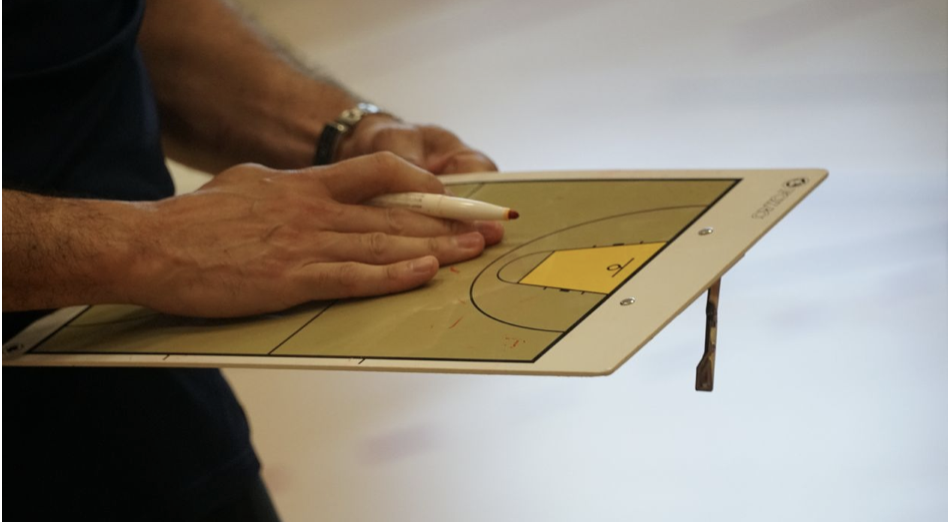
The success of a basketball team, whether in the minor league or the National Basketball Association, hinges on effective leadership and mentoring. There’s no questioning the contributions that individual players offer, but without good coaching, great talent is at risk of being underutilized and wasted. This is the reason why being a basketball coach requires more effort than is expected, especially if the goal is to nurture potential superstars.
However, not everyone is cut out for such a position. If you’re leading athletes with bright futures ahead of them, you need to have a capacity for leadership and an intense passion for the sport. These are just the basics. When it comes to becoming a great coach, it matters to know about the practical steps you need to go through. If your calling is clear, then here’s a quick guide to help you become an effective basketball coach:
1. Impressive Strategic Skills
At the core of good leadership is the ability to make critical decisions and analyze a wide array of factors that would affect the performance of individual athletes and the team as a whole. You can’t be a good leader, let alone a good coach, if you lack the competence for strategic thinking.
Going beyond analyzing each player’s strengths and weaknesses, you should also maximize their unique attributes and skill sets. Effective strategic planning allows you to conquer any experienced team, even if you’re facing tactical disadvantages. It starts with knowing your athletes well and creating practice sessions that help deal with team weaknesses.
2. Empathetic Communication
While strategic thinking should be second nature to a basketball coach, building rapport is just as essential. No matter how intensive you want everyone to focus on plays, you can’t develop cohesion and motivation if you only talk about strategy. Your role should also involve providing effective support to your players by way of properly motivating them to do better and focusing on the value of teamwork and hard work.
This can be challenging if your team is composed of players coming from diverse backgrounds, but this should also push you to be more proactive in catering to their unique needs. Aside from setting clear expectations, change your mentoring style based on the personality of each player.
3. Quality Networks
Coaching isn’t anchored on technical skills alone. When it comes to managing practice sessions and providing support to your players, it helps if you’re able to maintain a close support group consisting of different professionals. For one, you should know a reliable clinic that lets you learn more about elbow pain caused by mishaps during practice.
It’s also important to include a dietician or, better yet, a sports science specialist to help with conditioning players, especially in preparation for a high-stakes game. In any case, building a successful basketball team also involves forming a team of professionals who can provide technical support.
4. Patience and Resilience
Learning about these practical steps to becoming a basketball coach forms the foundation of everything you do and plan. Then again, you can’t deny the fact that it can be stressful on your part. You will be hard-pressed by the management to keep things from falling apart and ensure that every second and dollar spent will yield a good return.
Added to that is the need to address the individual concerns of players as well as provide the equipment and resources needed to elevate their training. More than just having passion and wisdom, you also need a resilient attitude. Things may not turn out the way you want them to, but you need to stay focused and committed to your main goal.
Endnote
Being an effective basketball coach isn’t something you can accomplish overnight, but it matters to learn these steps that will take you to where you and your team want to be.
