
Is There a Mental Health System That Leads With Compassion?
For Suicide Prevention Month, Dr. Shawanna Vaughn brings together a mother’s experience, a survivor’s story, a therapist’s guidance, and a vision for care that comes into the community.
Mental health struggles are exhausting for the person living through them and for the family trying to help. I learned that early. I lost my father and my brother during childhood, without the grief support a young person needs after losing family. Pain does not disappear because a child has no words for it.
As a mother, this question has become deeply personal. My son has struggled with depression since middle school. He is an adult now, and I am still searching for care that helps him. I have looked for therapists and different approaches while worrying about his wish to leave this life. I have been told there is little I can do because he is an adult.
This is the moment I say it out loud: I have been silently crying while trying to find help for my own children.
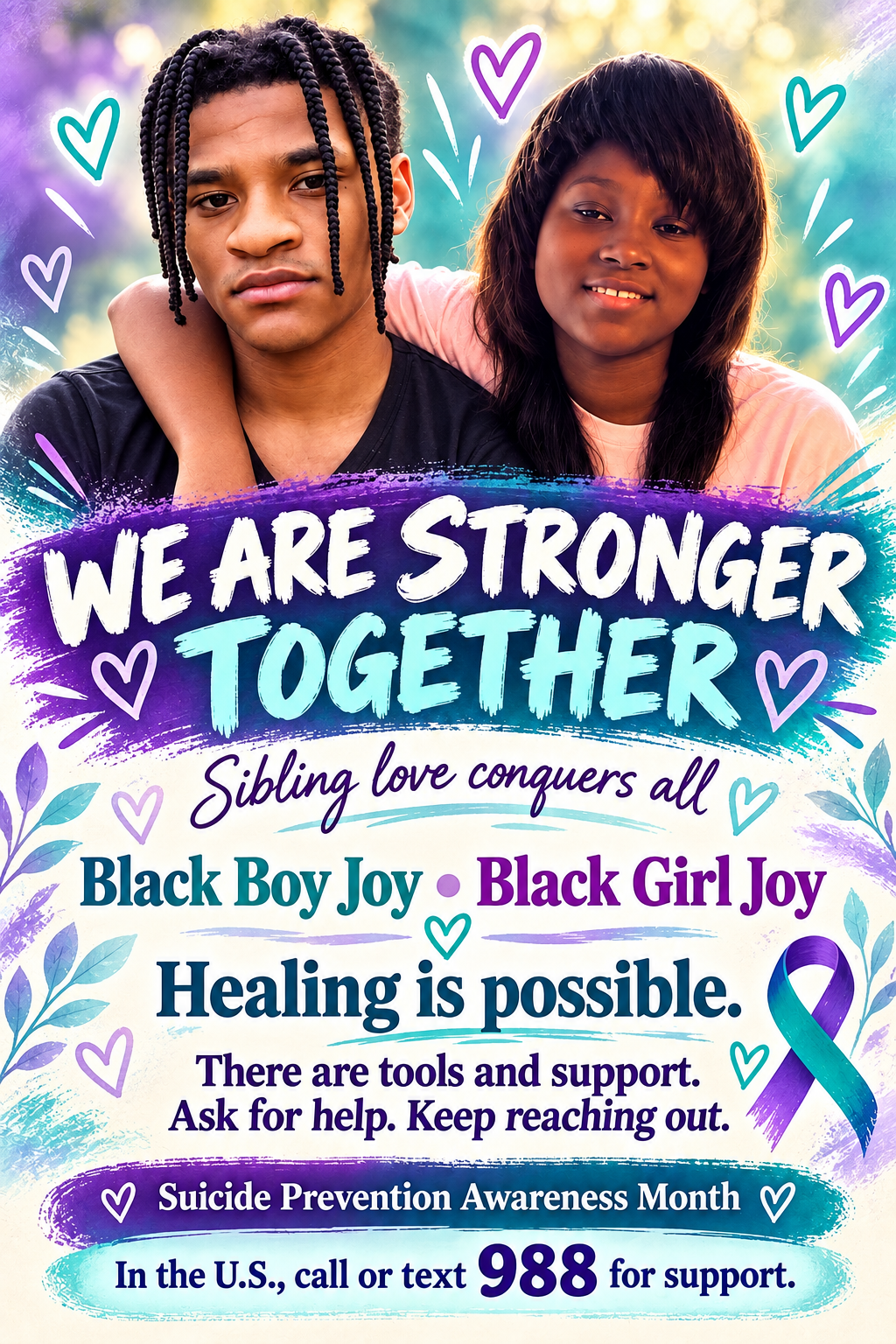
My daughter also went through a painful period in adolescence and harmed herself by cutting. People helped us intervene. She received counseling and has a support system, and things have gotten better. Every child deserves that chance. So does every adult whose family is asking for help.
Jacqueline Robinson understands how much work falls on families. As a mother, she has navigated schools, therapists, psychiatrists, evaluations, referrals, and crisis services that do not always communicate. She has found that help can become easier to reach at a crisis point than in the months when steady care might prevent one. Her personal experience informs her professional work: access must mean more than handing a family a phone number. Someone must help coordinate care, follow up, and keep working with them when the first referral does not meet the need.

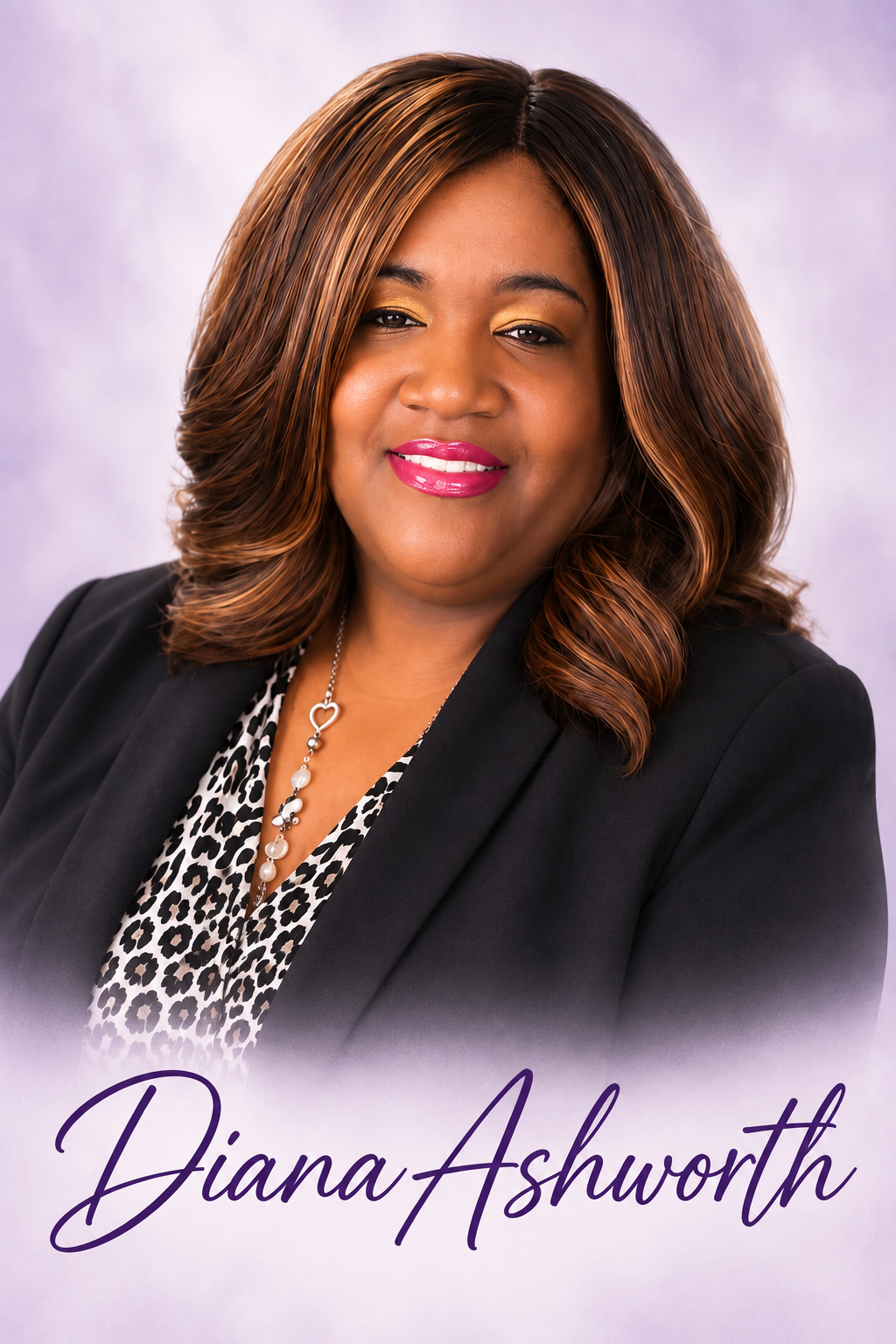
Diana Ashworth brings the perspective of a survivor. A massive stroke in May 2016 left her paralyzed. After being told she would never walk again, she struggled with profound grief and thoughts of suicide. Diana says a message that she mattered and was loved helped her choose to live. She has since wanted to support others facing emotional or physical pain. Her experience reminds us to see the whole person when illness, disability, loss, and mental health needs meet.
Mia Reid, MA, LPC, CCTP, tMHFA, of Change Happens Today Counseling Services, brings a clinician’s perspective. She wants people experiencing suicidal thoughts to hear clearly that they are not alone and that their lives matter. As a licensed clinical mental health therapist and gun violence prevention advocate, Mia urges families and communities to learn the warning signs and speak openly when they are worried.
Those signs can include hopelessness, withdrawing from others, giving away important possessions, speaking often about death, or a sudden shift from deep sadness to calm or elation. A person may show other signs or none that others recognize. Any talk about wanting to die deserves to be taken seriously. (nimh.nih.gov

Mia encourages loved ones to ask direct questions: “Are you thinking about suicide? Do you have a plan? Who can we call and what can we do to help keep you safe right now?” Asking about suicide does not put the idea in someone’s head, according to the National Institute of Mental Health. A safety plan made with a qualified professional can identify people to call, steps to take, and ways to reduce access to things that could be used for self-harm. (nimh.nih.gov
The scale of this loss demands attention. The CDC reports 48,824 suicide deaths nationwide in 2024, including 1,448 in Michigan. Of 44,447 U.S. firearm deaths that year, 27,593 were suicides—about 62%. For those of us working to prevent gun violence, suicide prevention is part of that work. (cdc.gov
Race and age must also shape our response. Although the U.S. suicide rate among people ages 10–24 declined overall between 2018 and 2023, it rose 29.4% among Black people in that age group. Communities need care that understands their experiences and is available before, during, and after a crisis. (cdc.gov
Bring Care to the Neighborhood
These stories are why I want Silent Cry Inc. to create a CareConnect mobile support bus in Michigan and New York. I want it to answer to the community, including during evening and off-peak hours when people have left work, schools have closed, and families still need someone to turn to.
Imagine a parent overwhelmed by a child’s behavior or emotional pain. They may need a therapist who can help calm the situation, a social worker who can listen without judgment, and someone who can connect the family to food, housing, grief support, or continuing treatment. I want those professionals to be able to come into the neighborhood, meet the family where they are, and follow up after that first conversation.
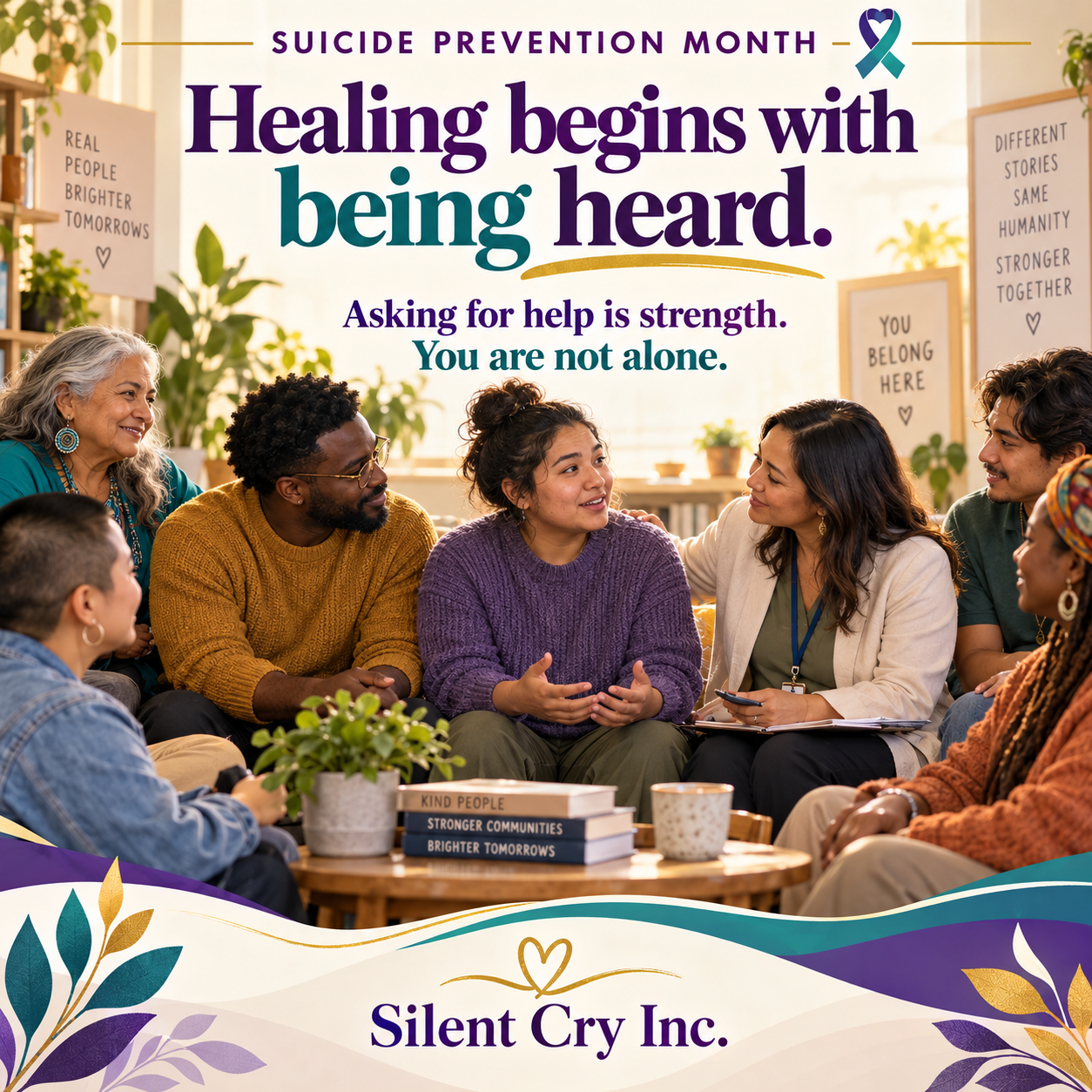
In New York, timely support could make a difference for a parent afraid that asking for help will lead to an Administration for Children’s Services case. In Michigan, families face their own child welfare systems and fears. CareConnect would give them a place to seek support early, while still taking child safety seriously. A parent should be able to say, “We are struggling,” and find a path toward help.
The bus would also give communities another way to respond to mental health needs that do not require a police or emergency response. A therapist could assess what is happening and help someone through a difficult moment. A social worker could work with the family on the next steps. When someone needs urgent crisis or emergency care, the team would help connect them to it. The measure of success would be whether people receive support after the bus leaves.
I am seeking partners and funding in Michigan and New York to build this model with the people it is meant to serve. That means listening to residents about where the bus should go, when it should be available, what languages and services are needed, and how families want to be treated.
A saying often shared in our communities warns that a child who does not feel the warmth of the village may burn it down to feel its heat. CareConnect is my effort to bring that warmth within reach: a human response, a skilled professional, and a bridge to continued care. When communities are whole, cities and states are well.
I am asking Congress, states, local municipalities, health systems, and community partners to examine what happens after a family asks for help. Fund grief support for children. Connect schools, health providers, and community services. Expand sustained care and follow-up after a crisis. Help families support an adult loved one while respecting that person’s rights and choices. Invest in care that is present in neighborhoods when people need it.
Suicide Prevention Month should help the public understand this loss. It should also reach the person who is hurting tonight: You are not alone. Your life matters. Help can begin with one conversation.
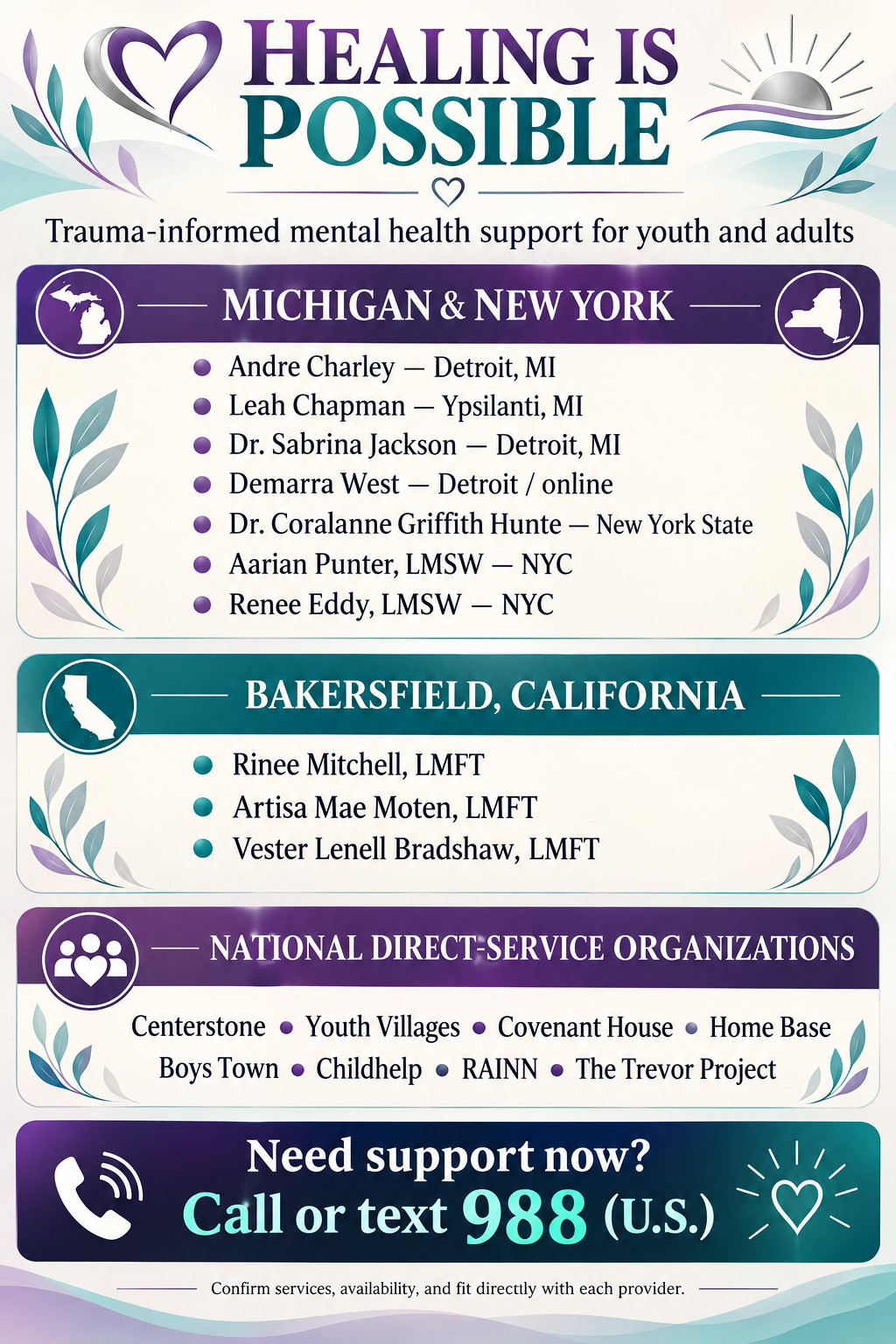
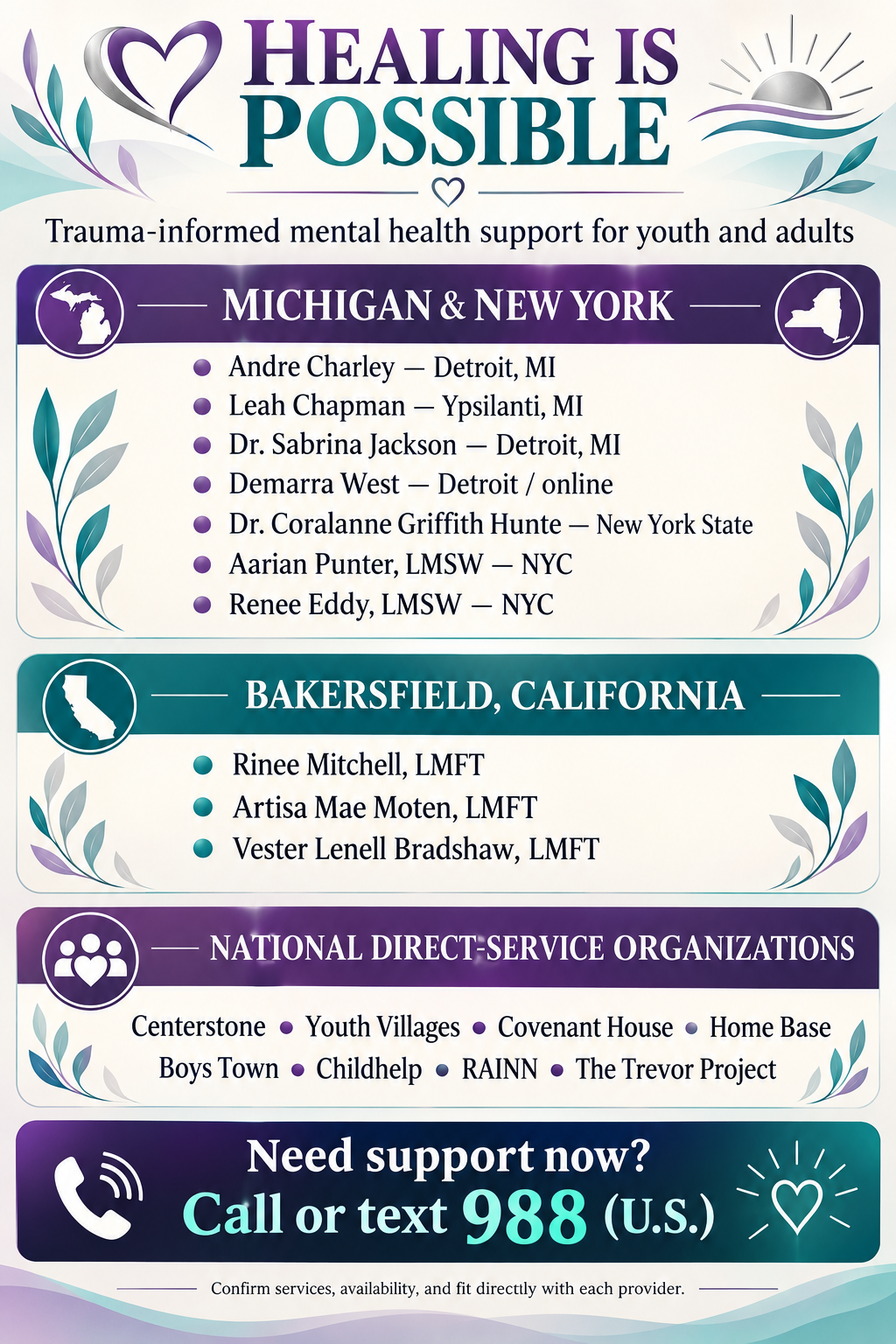
If you or someone you love needs support
For information and referrals, contact the NAMI HelpLine at 1-800-950-6264 or text NAMI to 62640 during its published weekday hours. (nami.org
For non-crisis peer support in Michigan, call the Michigan Peer Warmline at 1-888-733-7753, seven days a week, 10 a.m.–2 a.m. (mical.michigan.gov
Call or text 988 for 24-hour crisis support. In Michigan, 988 connects people with the Michigan Crisis and Access Line. You can also contact 988 when you are worried about a loved one. (michigan.gov
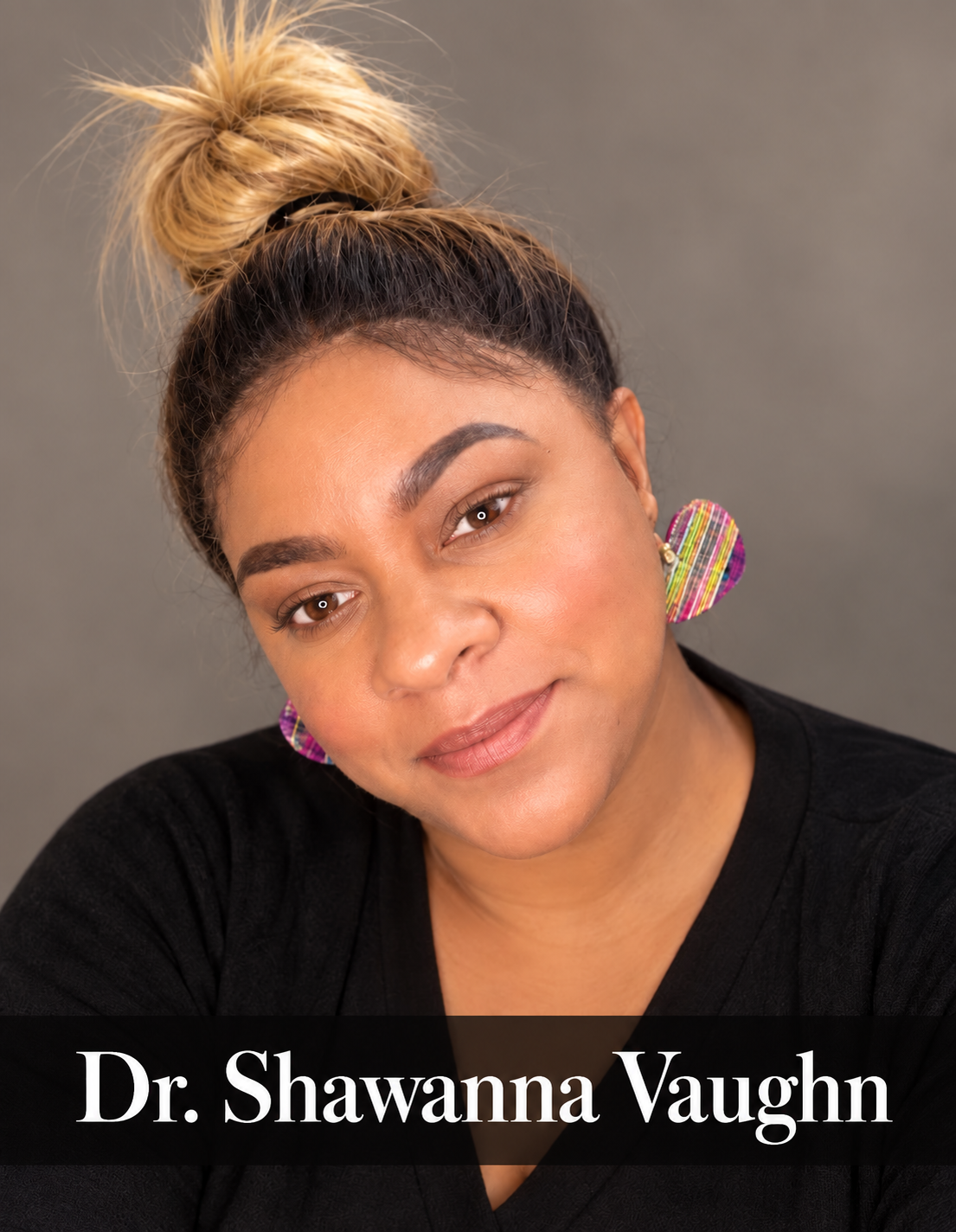
Dr. Shawanna Vaughn, Founder of Silent Cry Inc., with perspectives from Jacqueline Robinson, Diana Ashworth, and Mia Reid of Change Happens Today Counseling Services.
