
By Dr. Shawanna Vaughn, Founder of Silent Cry Inc.
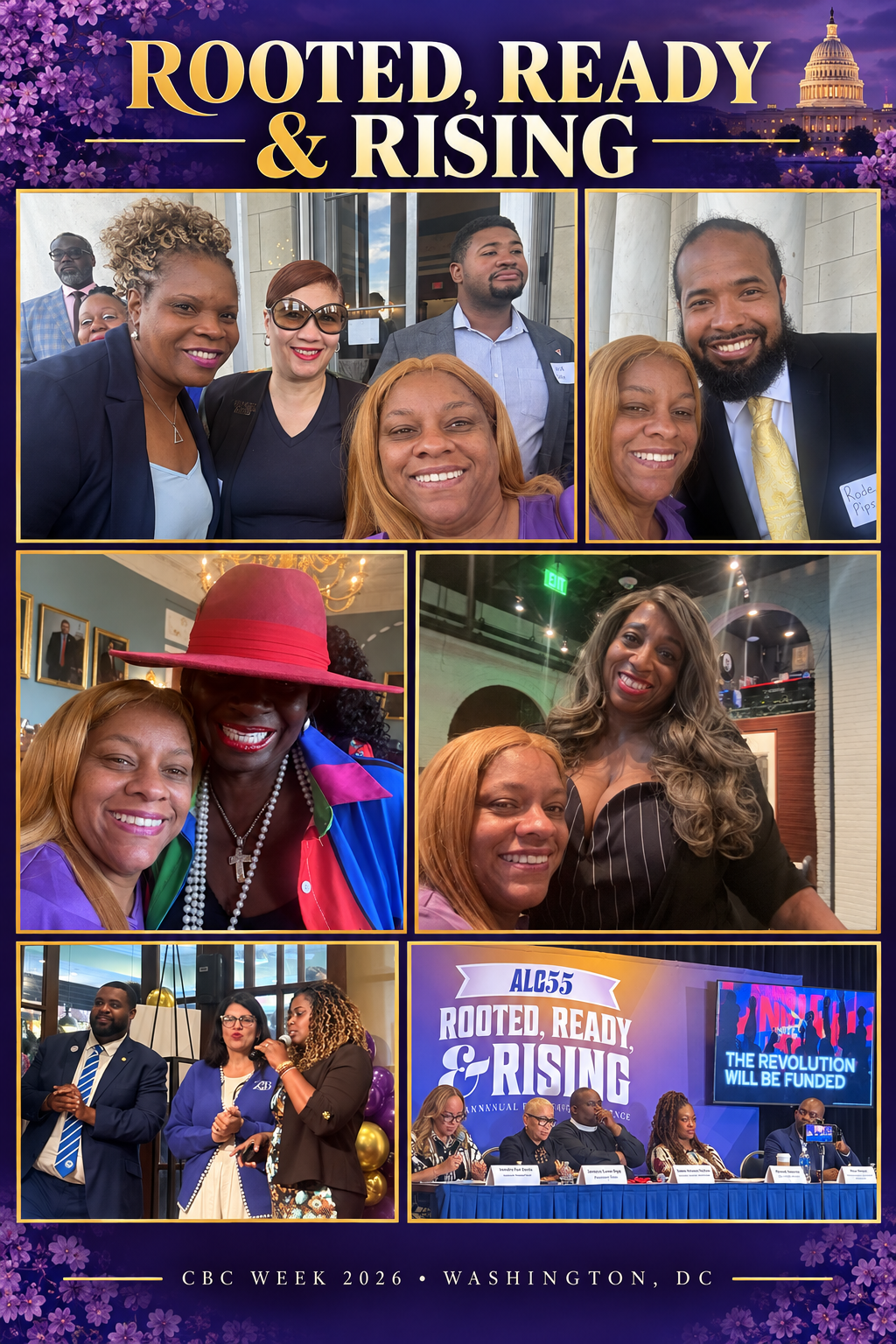
The Congressional Black Caucus Foundation’s 55th Annual Legislative Conference brought us to Washington, DC, under the theme “Rooted, Ready & Rising.” Its panels, workshops, cultural gatherings, and celebrations gave us room to examine urgent issues and honor the people working toward change. (cbcfinc.org, cbcfinc.org)
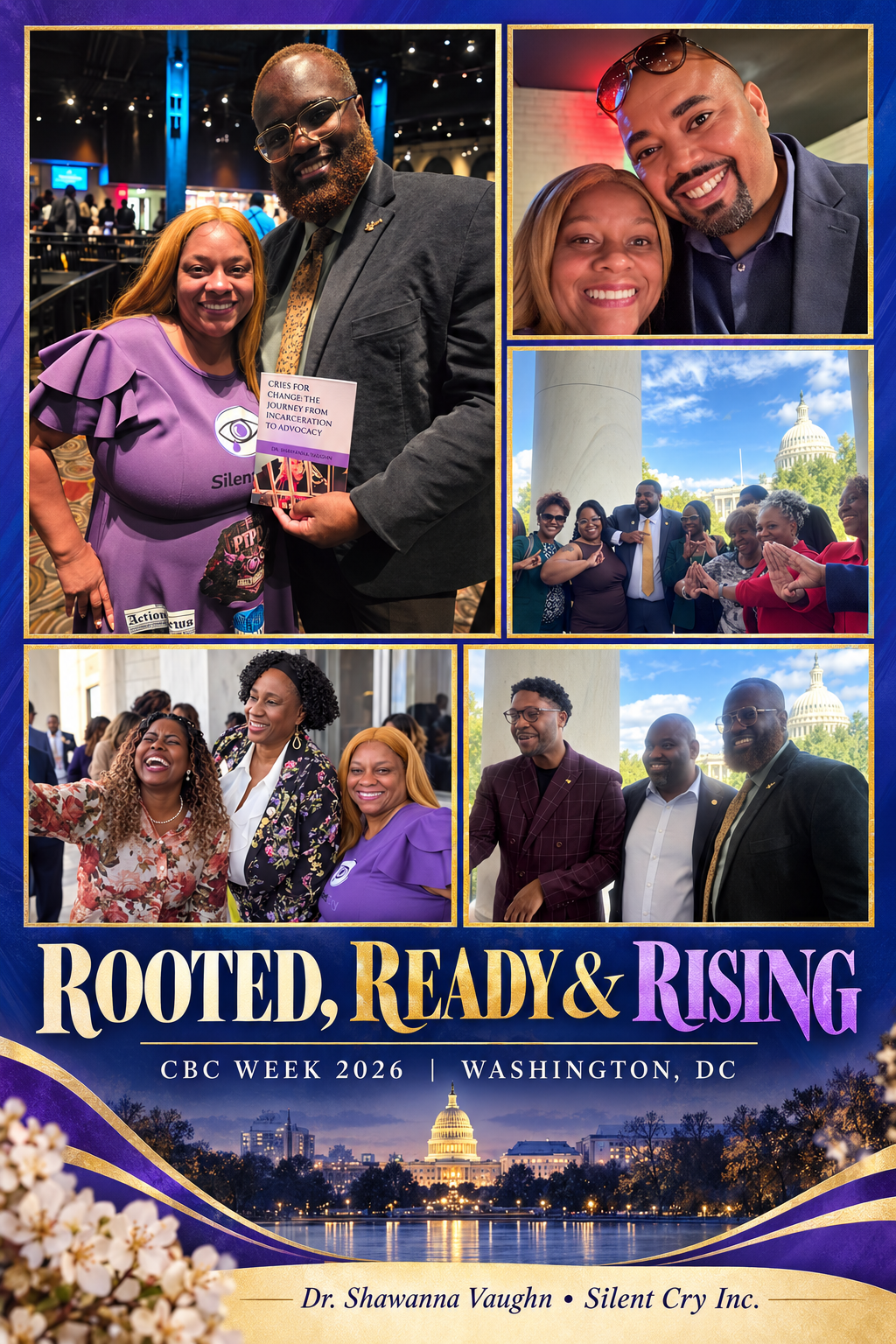
I came carrying the stories of people affected by incarceration, violence, and unmet mental health needs. I also came ready to learn from leaders whose talents reach across healthcare, education, media, housing, public service, and the arts. CBC week reminded me that each of these fields has a part to play in how our communities heal and rise.
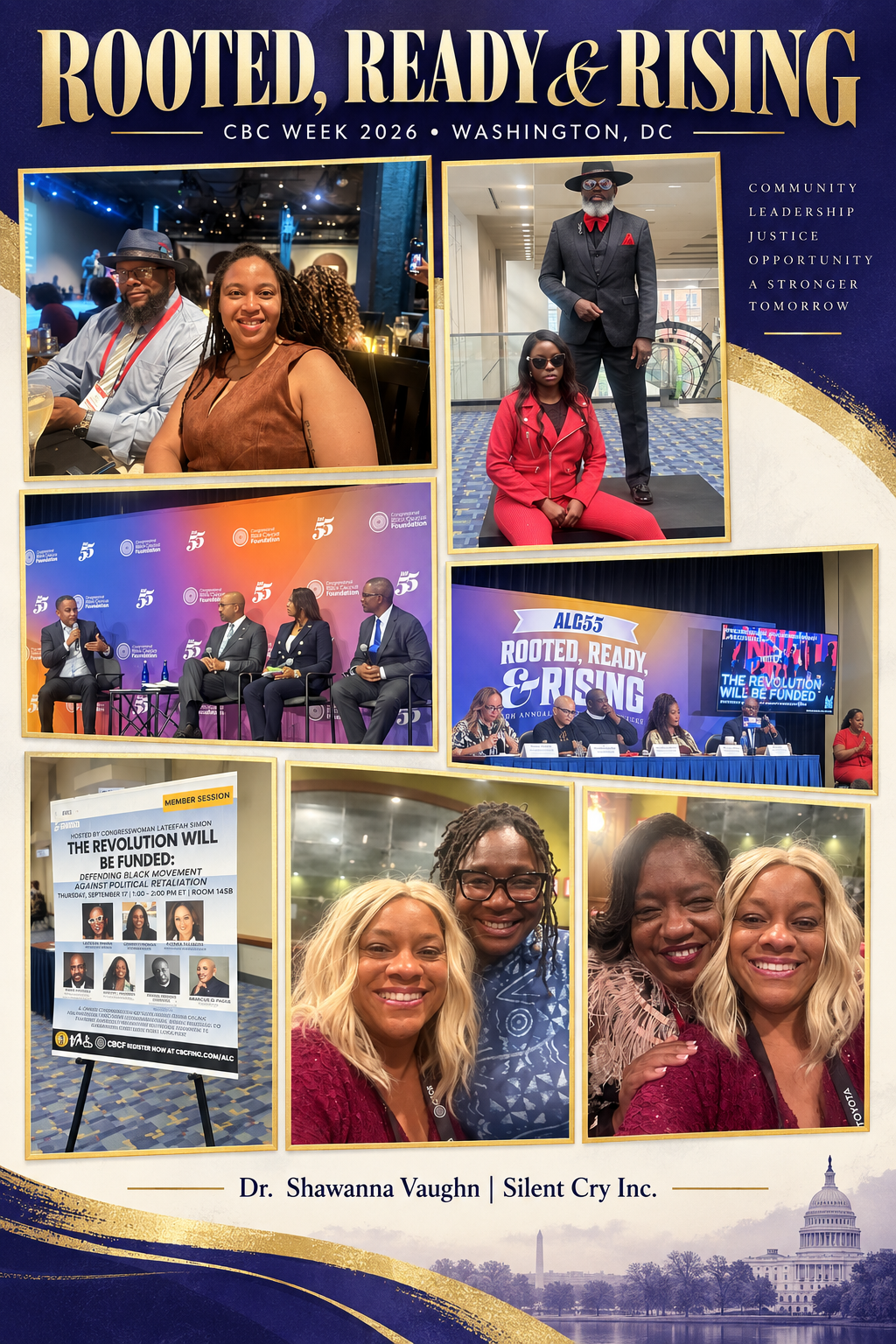
I was honored to join Congressman Wesley Bell’s panel, “Reimagining Public Safety: The Future of Criminal Justice and the Role of Mental Health and Addiction Services.” My fellow panelists inspired me. Dr. J. Luke Wood, president of Sacramento State, brings an educator’s commitment to opportunity and a researcher’s understanding of equity. Dr. Kendra Holmes, president and CEO of Affinia Healthcare, brings the experience of expanding access to care. Dr. Topeka K. Sam, founder of The Ladies of Hope Ministries, brings lived experience and a powerful record of creating pathways for women and girls affected by incarceration. Their work changes institutions and touches individual lives. (csus.edu, affiniahealthcare.org, drtopekaksam.com)
I brought my advocacy for Post-Traumatic Prison Disorder W76337 to that conversation. When we talk about public safety, we must talk about trauma, treatment, and what happens when a person comes home from prison. Families need support long before a crisis, and people leaving incarceration need a real chance to rebuild. Listening to my fellow panelists strengthened my belief that care, education, lived experience, and policy must work together.
Other discussions stayed with me as well. The media panel with Angela Rye underscored the power of who gets to tell our stories and whose voices reach the public. For advocates, that question matters. The way a community is portrayed can influence whether its needs are understood and whether its ideas are taken seriously.
The housing panel moderated by Hill Harper sparked a robust conversation about affordable housing, developers, development, and what equity should look like in Black communities. I left thinking about the families who are asked to survive without stable housing while the neighborhoods around them change. Development should create opportunity for longtime residents and give them a meaningful place in decisions about their community’s future.
CBC week also gave us moments of joy. At the concert extravaganza hosted by Congressman Troy Carter at the House of Prayer, music and fellowship offered space to breathe after difficult policy conversations. That celebration mattered. People doing demanding work need the strength that comes from being together.
The 313 at the CBC Brunch brought Detroit’s spirit to Washington. It was meaningful to be there with Congresswoman Rashida Tlaib and State Representative Donavan McKinney, a candidate for Congress in Michigan’s 13th District. The 313 Brunch brought together state, city council, and local municipal leaders at the Hamilton gathering, creating space for local, county, state, and federal leadership to connect. It honored Kimberly Johnson, founder of Developing K.I.D.S., for outstanding leadership and recognized the Michigan Black Business Alliance for its community partnership.
As I looked around that room, I thought about the people most important to the 313: Detroit’s children, families, elders, small business owners, and neighbors who keep showing up for one another. They are the reason leadership matters. An award or a seat at a table has its greatest value when it helps us open a door for someone else.
The Phoenix Awards gave the conference another opportunity to recognize service across generations. Viola Davis, recipient of the CBC Chair’s Award, has brought emotional truth and dignity to her art while using her voice to lift up overlooked stories. Congresswoman Joyce Beatty, recipient of the CBC Body Award, has spent her career building coalitions and advancing opportunity through public service. Ambassador Andrew Young, recipient of the CBCF Board Chair Award, has shown how civil rights leadership and diplomacy can serve human dignity over a lifetime. L. Douglas Wilder, recipient of the ALC Honorary Co-Chairs Award, broke a historic barrier as the first African American elected governor of a U.S. state. Their achievements remind us that progress takes many forms—and that each generation has a responsibility to widen the path for the next. (cbcfinc.org)
The conference featured more than 70 public policy forums addressing issues including health, education, economic empowerment, the environment, and civic engagement. I could not be in every room, but the range of conversations made one thing clear: our lives do not fit into separate policy categories. Housing affects health. Education affects opportunity. The stories told in the media affect what the public believes is possible. (cbcfinc.org)
Rooted means remembering the people and places that shaped us. Ready means bringing our knowledge, our questions, and our willingness to work. Rising means making sure others have what they need to rise with us.
As we prepare for another Giving Tuesday, I invite you to turn inspiration into action. Here are five ways to support grassroots organizations and keep the momentum moving:
- Donate what you can. Every contribution matters, whether it is a one-time gift or a recurring donation. Please consider supporting Silent Cry Inc. at SilentCryInc.org or donating to any organization whose mission moves you.
- Host a community conversation. Bring neighbors, advocates, faith leaders, service providers, and people with lived experience together to discuss mental health, public safety, housing, incarceration, and community healing. Listening is an important form of action.
- Organize a brunch or gathering. Create a welcoming space where community members, elected officials, nonprofit leaders, and local businesses can connect, share resources, and build relationships. A meal can become the beginning of a movement.
- Use your voice and your platform. Share grassroots organizations’ work, invite others to volunteer, amplify community stories, and encourage your networks to support solutions led by the people most affected.
- Keep showing up. Momentum grows through consistent action. Attend meetings, contact policymakers, volunteer your time, offer professional skills, support local events, and follow through after the headlines fade.
Anyone who wants to support my legislation through action, funding, advocacy, or national support is encouraged to reach out to us. We need people who are ready to help move this work forward and bring greater attention to Post-Traumatic Prison Disorder W76337 and the urgent need for trauma-informed care, treatment, and support.
I left Washington grateful for the people I met, the ideas I heard, and the joy we shared. Now the work continues at home—in our neighborhoods, our institutions, and the lives of people still waiting to be seen and supported. Empathy over everything.
To the people behind the scenes who make this event amazing year after year thank you. Special thanks to Mr Britton Smith for inspiring so many and fostering connections.
