
Festival Season Is Changing Smoking Culture — And Brands Are Paying Attention
As festival season returns in full force, something subtle is happening across backstage lounges, artist compounds, tour buses, and campgrounds. The conversation is shifting away from excess and toward experience.
For years, smoking culture at music festivals was often defined by volume: bigger crowds, bigger parties, bigger sessions. But as artists and audiences alike become increasingly intentional about how they spend their time, what they consume, and the rituals they build around live music, the focus has started to move elsewhere. Experience is becoming the product.
Whether it's curated wellness activations, alcohol-free lounges, elevated food offerings, or more mindful consumption habits, today's festivalgoers are increasingly seeking experiences that feel deliberate rather than disposable. Music remains the centerpiece, but the rituals surrounding it are evolving.
The shift is especially visible in hip-hop, where artists have long influenced broader cultural trends. Studio sessions, writing camps, and backstage environments are becoming more intentional spaces where creativity, connection, and atmosphere matter as much as output. The products that find their way into those spaces are changing alongside them.
What once centered on intensity and presence is increasingly centered on quality and feel. Consumers are paying closer attention to how something burns, tastes, and integrates into a social experience. The emphasis isn't necessarily on consuming more—it's on consuming better.
This evolution reflects broader changes happening across cannabis and smoking culture. As legal markets mature and consumer preferences become more sophisticated, people are gravitating toward products that complement the moment rather than dominate it. Convenience, smoothness, and consistency have become important factors in purchasing decisions, particularly among younger consumers who view smoking as part of a larger lifestyle experience.
Brands are responding accordingly.
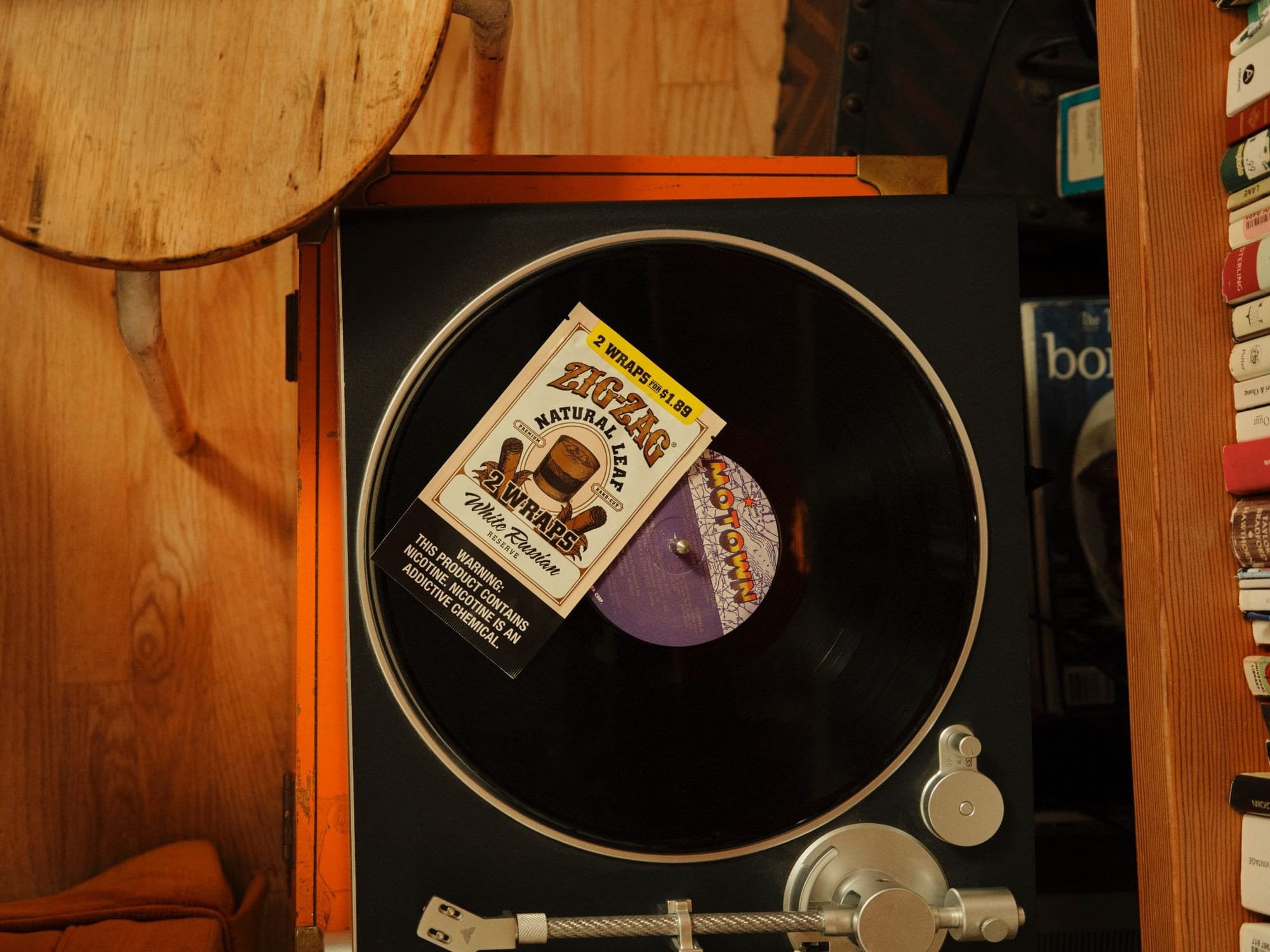
One example is Zig-Zag's recently launched Natural Leaf Wraps, which arrive at a moment when consumers appear increasingly interested in products that feel more aligned with slower, more intentional sessions. Rather than attempting to reinvent smoking culture, products like these are finding relevance by fitting into habits that already exist—late-night studio sessions, post-show wind-downs, collaborative creative environments, and festival weekends where the experience itself has become the focus.
The timing is notable. As major music festivals continue drawing massive audiences throughout the summer, brands are gaining real-time insight into how consumers engage with products in social environments. What resonates isn't necessarily novelty for novelty's sake. It's functionality, ritual, and authenticity.
For many attendees, the modern festival experience is no longer simply about seeing a favorite artist perform. It's about creating a complete sensory journey—from the music and fashion to the food, community, and consumption rituals that shape the weekend.
As those expectations continue to evolve, the products that become part of those rituals will likely evolve too.
Festival culture has always been a reflection of larger cultural movements. This summer, one of the clearest signals may be that people are becoming increasingly selective about the experiences they invite into their lives—and the products they choose to share those experiences with.
This angle will likely perform better editorially because it focuses on the broader cultural shift around festivals, music, cannabis-adjacent consumption, and ritual, while incorporating Zig-Zag organically rather than reading like a brand placement.
