
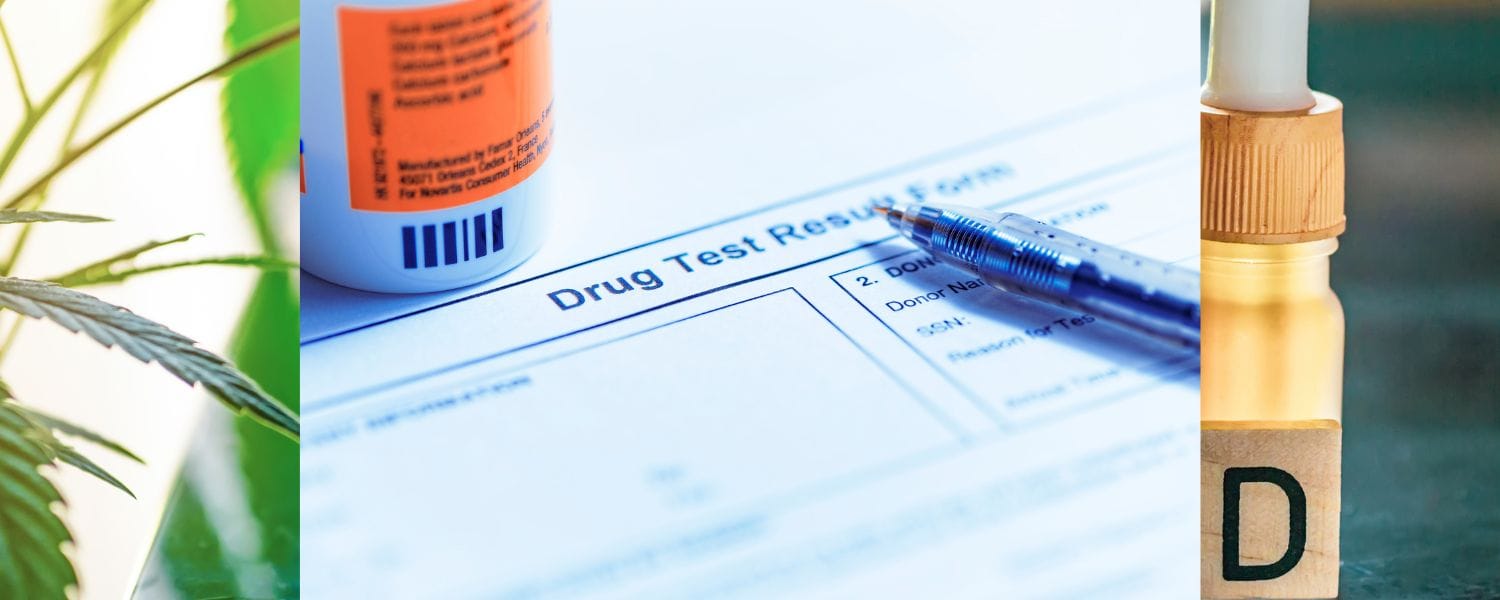
CBD has moved from niche wellness shelves into everyday routines. Many people use it for relaxation, sleep support, recovery after exercise, or general balance. Because it is widely available in oils, gummies, capsules, beverages, and topical products, some users assume it carries no workplace or screening risks. That assumption can create real problems when a drug test is approaching.
The reality is more nuanced. CBD itself is generally distinct from THC, the psychoactive compound most commonly associated with cannabis. However, product labeling differences, trace ingredients, metabolism, and testing methods can all affect outcomes. If you use CBD regularly and expect an upcoming screening, understanding how these factors work can help you make informed decisions and avoid unnecessary surprises.
Why CBD Can Still Raise Drug Testing Concerns
Many drug screenings are not specifically looking for CBD. Instead, they commonly screen for THC metabolites. This matters because some CBD products, especially full-spectrum formulas, may contain small amounts of THC within legal limits depending on local laws. Even low levels can accumulate over time in some regular users, particularly when products are taken daily.
Another issue is product quality. Industry observers, consumer watchdogs, and regulatory agencies have repeatedly noted that supplement labeling can vary across brands. Some products may contain more THC than the label suggests, while others may not clearly explain whether they are isolate, broad-spectrum, or full-spectrum formulas. That gap between label and contents can increase uncertainty for consumers.
Frequency of use also matters. A person taking occasional small servings may face a different risk profile than someone using concentrated CBD multiple times per day. Body composition, metabolism, hydration, and duration of use can also influence how long related compounds remain detectable.
Understanding the Different Types of CBD Products
CBD isolate is typically the purest form of cannabidiol and is designed to contain no THC. For users concerned about screenings, isolated products are often seen as the lower-risk option. Even so, buyers should look for reputable manufacturers that provide third-party lab reports to verify contents.
Broad-spectrum CBD usually contains multiple hemp-derived compounds but is commonly marketed as THC-free or with non-detectable THC levels. This format appeals to people who want additional plant compounds without the same THC concerns linked to full-spectrum products. Quality control still matters, so documentation remains important.
Full-spectrum CBD includes a wider range of cannabinoids and may contain trace THC depending on applicable regulations. Some users prefer this type due to the belief that combined compounds work together more effectively. However, among the three major categories, it often presents the greatest testing concern for individuals subject to workplace or legal screenings.
How Drug Tests Usually Work
Most routine employment drug tests analyze urine samples and look for metabolites rather than immediate impairment. In cannabis-related screenings, the focus is commonly on THC byproducts. This means someone can test positive even when they are not intoxicated and have not recently used high-THC cannabis.
Detection windows vary. Occasional exposure may clear faster than repeated use, while regular long-term use can extend how long metabolites remain present. Because biology differs from person to person, no universal timeline can guarantee a negative result after stopping use.
Some industries use stricter screening standards than others. Transportation, healthcare, public safety, and government-related roles may have a lower tolerance for uncertainty due to safety or compliance requirements. If your job falls into a regulated category, it is wise to understand the specific policy in advance.
Practical Steps Before Your Next Screening
Start by reviewing the exact CBD products you use. Check whether they are isolate, broad-spectrum, or full-spectrum, and look for recent third-party certificates of analysis. If a company does not offer transparent testing information, that lack of clarity may be a reason to reconsider continued use.
If testing is expected, consider pausing CBD use and allowing time before the screening. The appropriate timeline can vary widely, so no single number applies to everyone. Users with frequent intake histories may need more caution than occasional users.
It is also smart to read your employer's or program's policy carefully. Some organizations distinguish legal off-duty behavior from failed metabolite tests, while others do not. Understanding the rules ahead of time is often more valuable than making assumptions after the fact.
Common Mistakes Users Make
One common mistake is believing that “legal hemp” automatically means “zero testing risk.” Legal status and screening outcomes are separate issues. A product can be legally sold while still containing trace compounds that matter in certain tests.
Another mistake is trusting marketing language without documentation. Terms like premium, natural, clean, or compliant do not replace laboratory verification. In a crowded wellness market, evidence matters more than slogans.
A third mistake is looking for shortcuts to manipulate or bypass a screening. Attempting to tamper with tests or use products marketed for deception, including items promoted as fake pee, can carry workplace, legal, or disciplinary consequences. A safer path is transparency, policy awareness, and informed product choices.
What to Do If You Receive an Unexpected Result
If you receive an unexpected positive result, stay calm and ask about the confirmation process. Many screening systems use an initial test followed by more specific confirmatory methods when needed. Understanding the exact result and next steps is important before reacting.
Gather records of the CBD products you used, including receipts, labels, and laboratory reports if available. While this may not automatically reverse a decision, documentation can help explain potential sources of exposure during review discussions.
If the screening affects employment, licensing, probation, or another high-stakes matter, consider consulting the relevant human resources department, program administrator, or qualified legal professional. Clear guidance is especially important when policies are complex or consequences are significant.
Conclusion
CBD use and drug testing intersect in ways many regular users underestimate. Even when someone uses CBD for ordinary wellness reasons, trace THC exposure, inconsistent labeling, and individual biology can create real uncertainty. Knowing the type of product you use and the rules you are subject to can make a meaningful difference.
The smartest approach before any screening is preparation rather than panic. Choose transparent products, understand your policies, allow reasonable time when possible, and rely on honest information instead of risky shortcuts. A little planning today can help protect opportunities tomorrow.
