

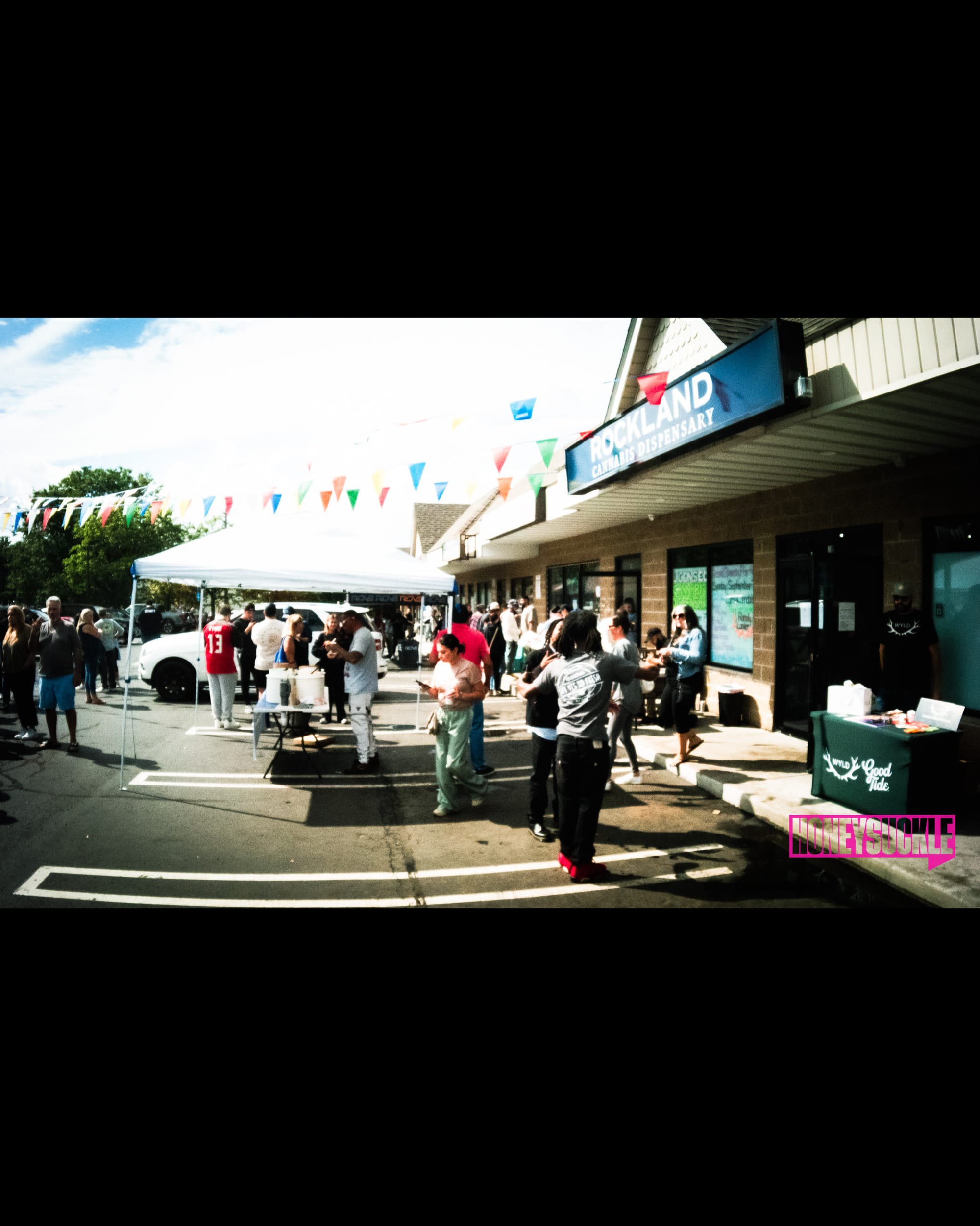
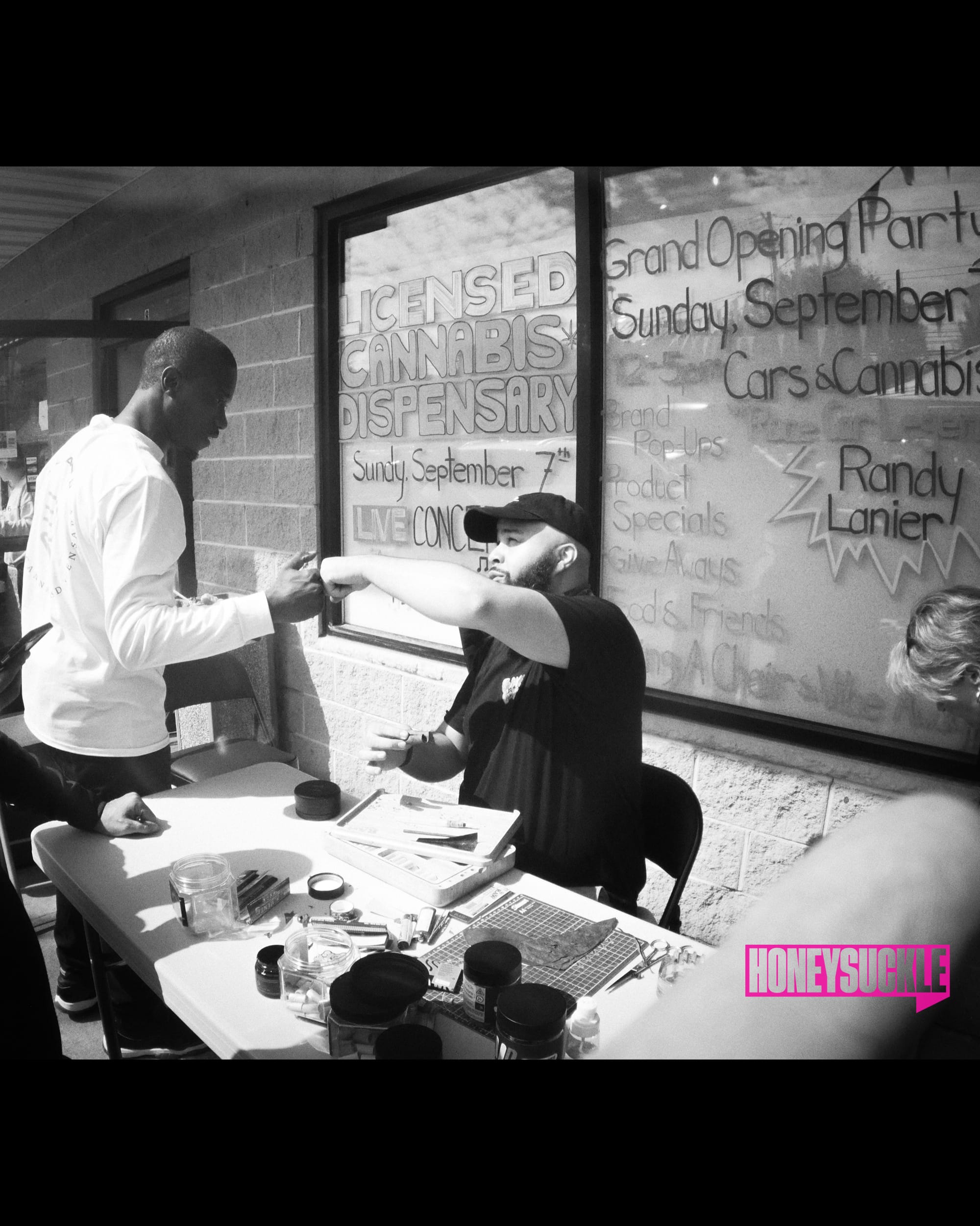
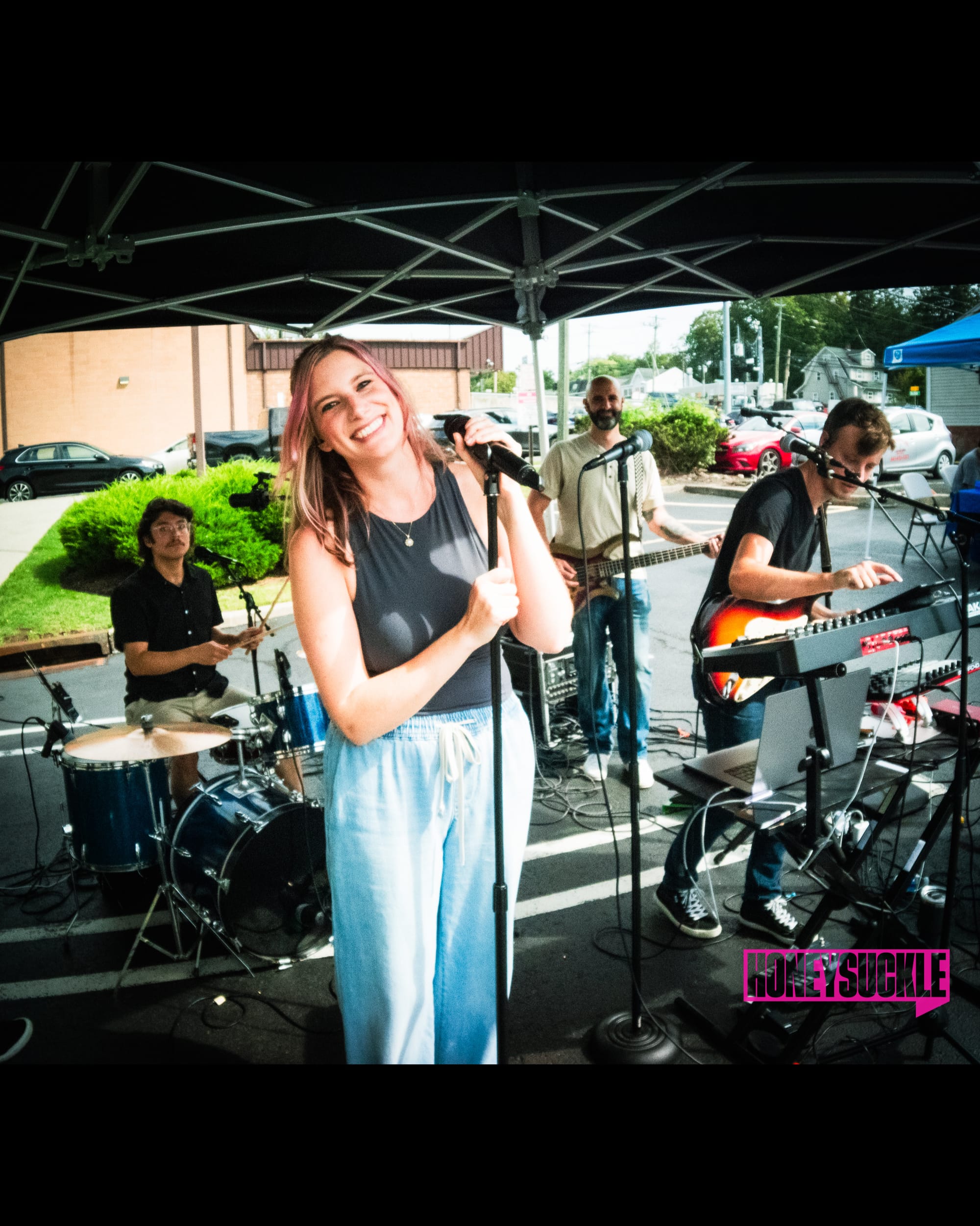
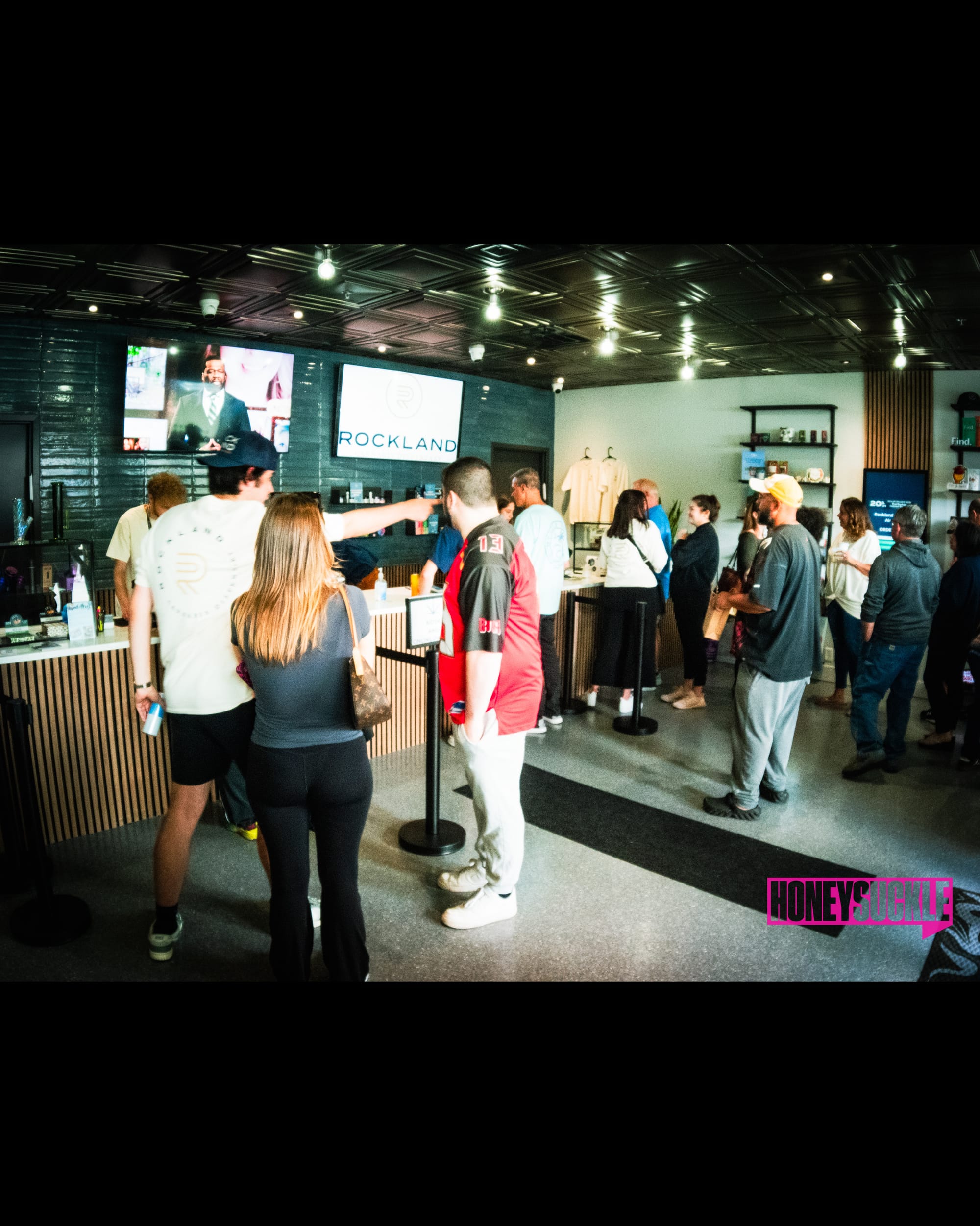
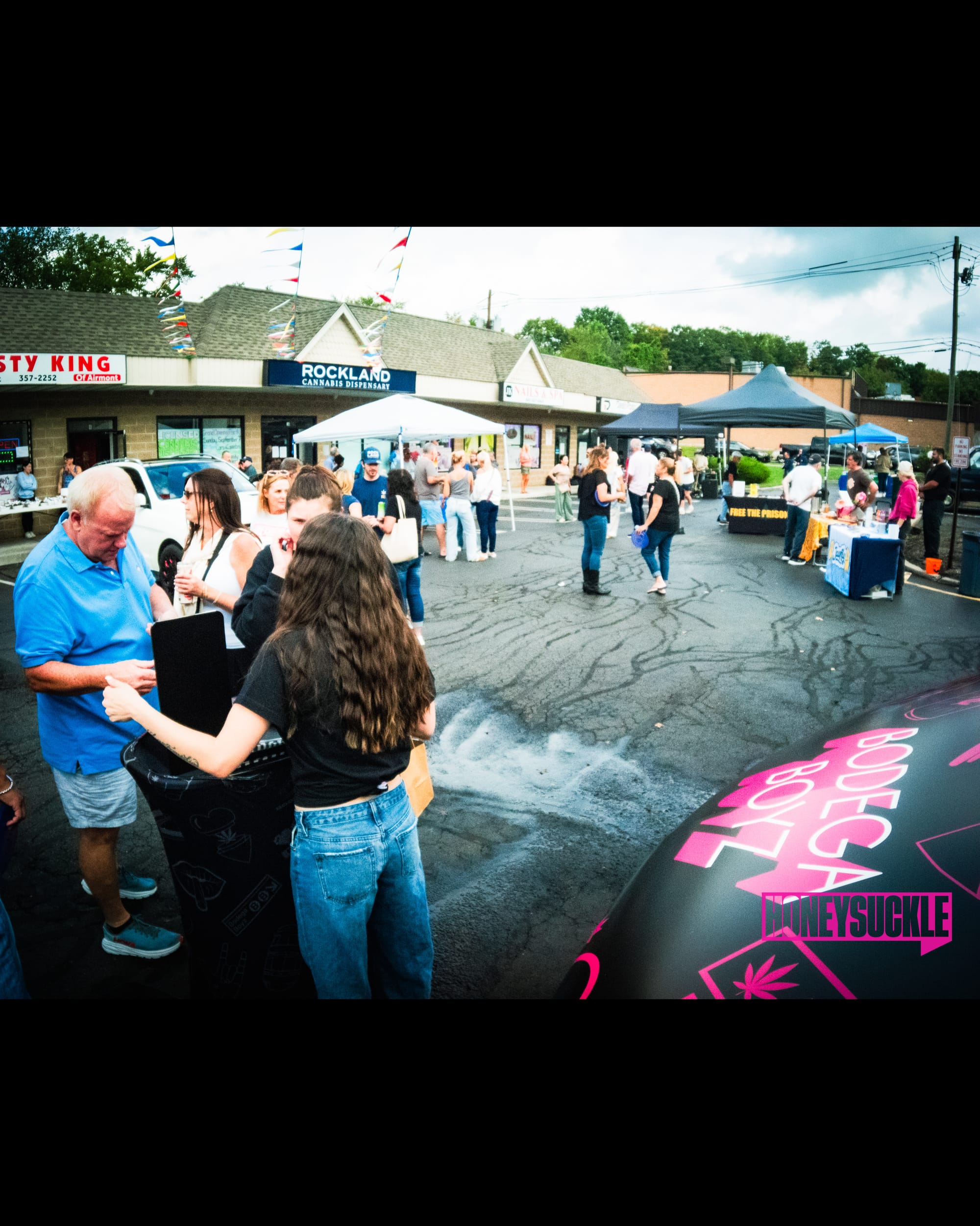
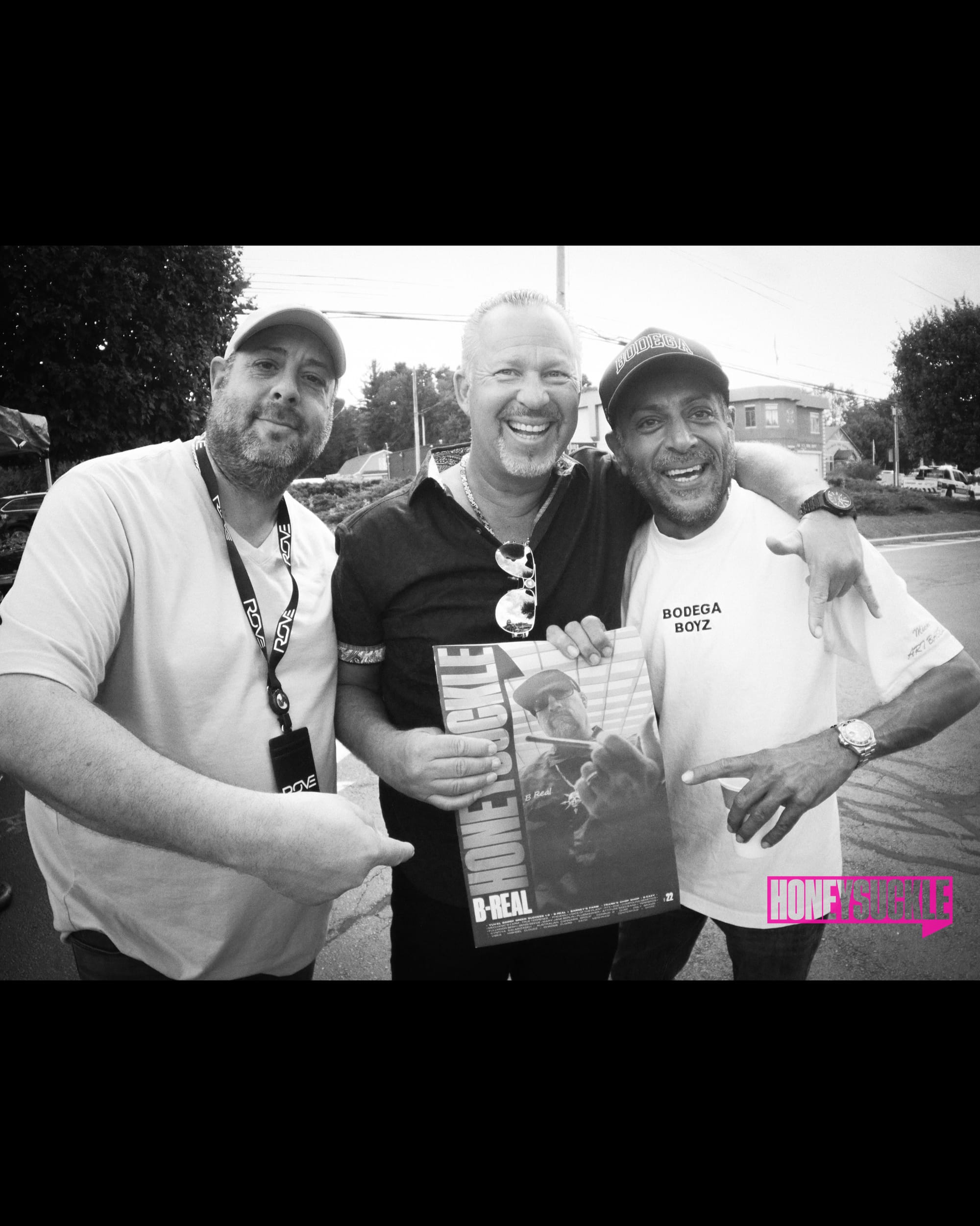
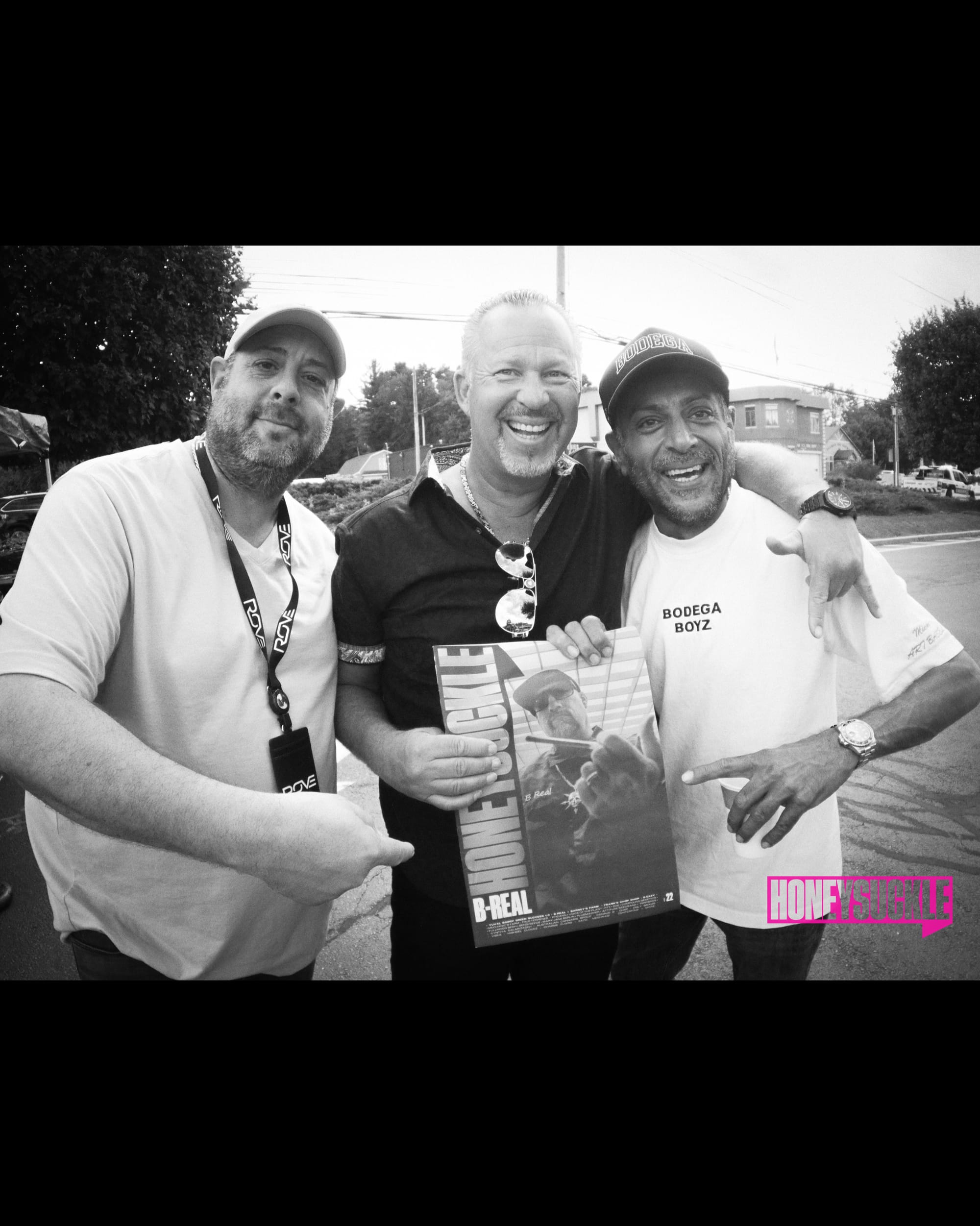
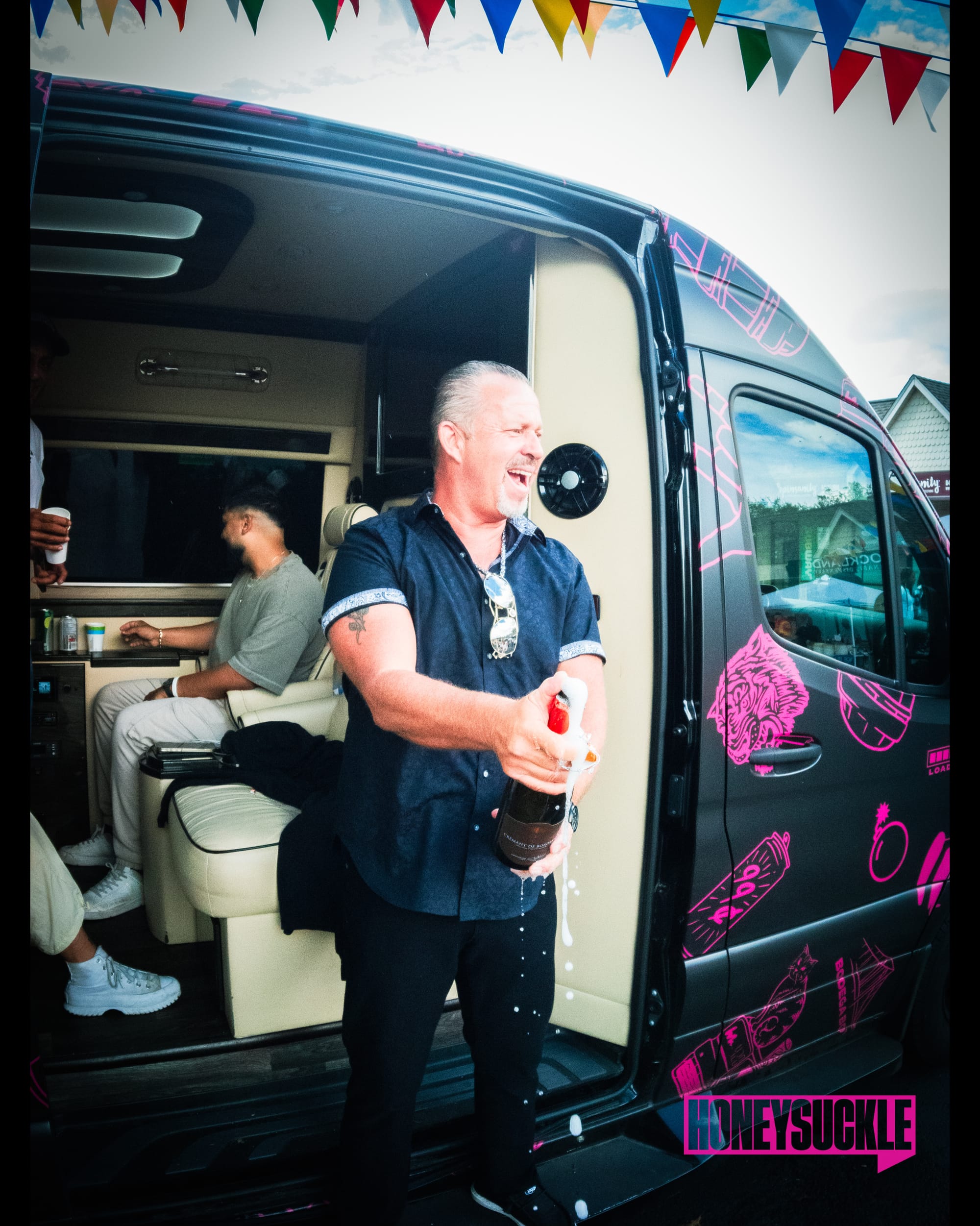
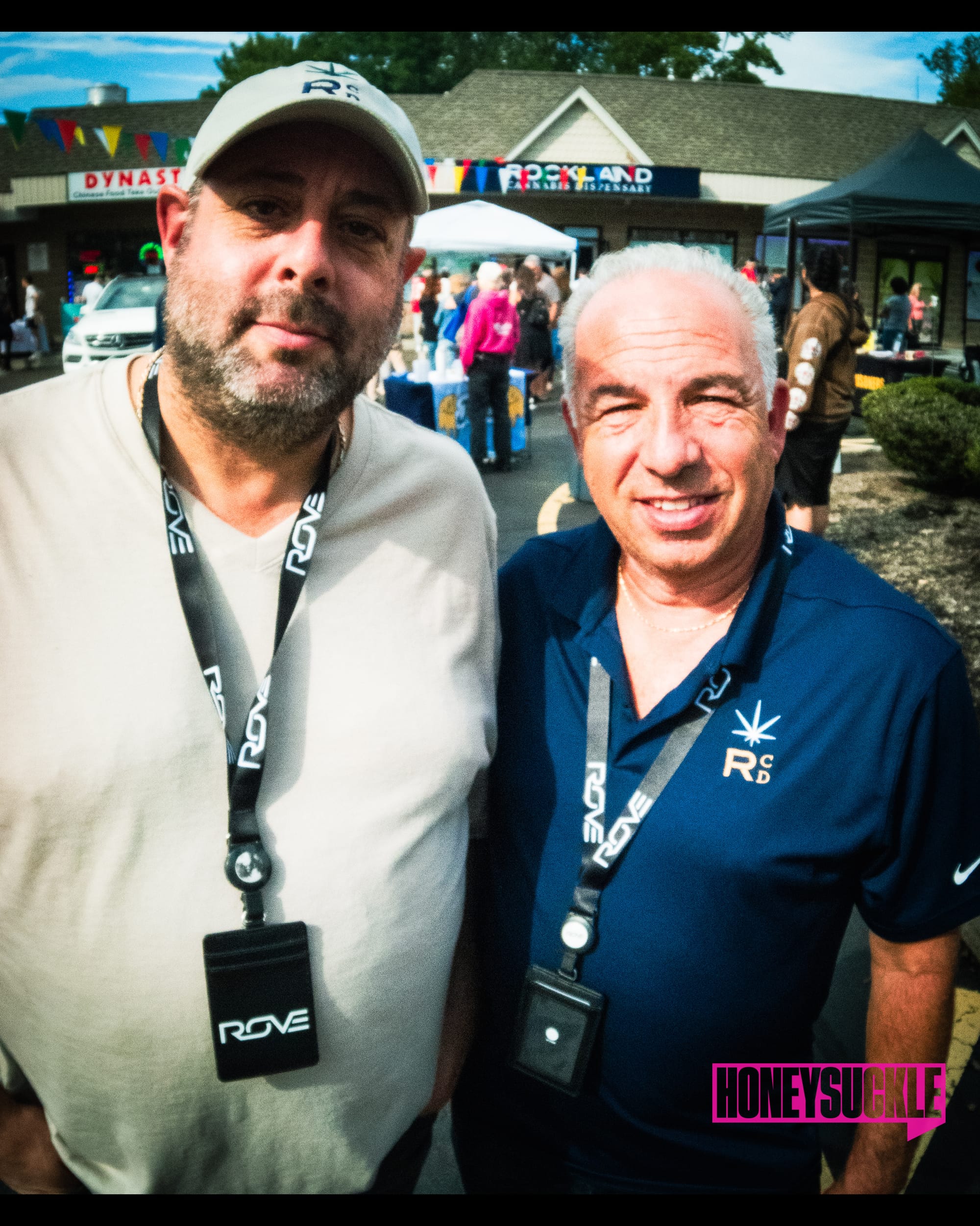
Opening a dispensary in New York is never simple. Just ask Donny Moskovic, co-owner of Rockland Dispensary, who calls the process “fucking terrible.” After months of navigating regulations and startup hurdles, he finally opened doors to his community with a clear vision: keep it in the family and do it right.
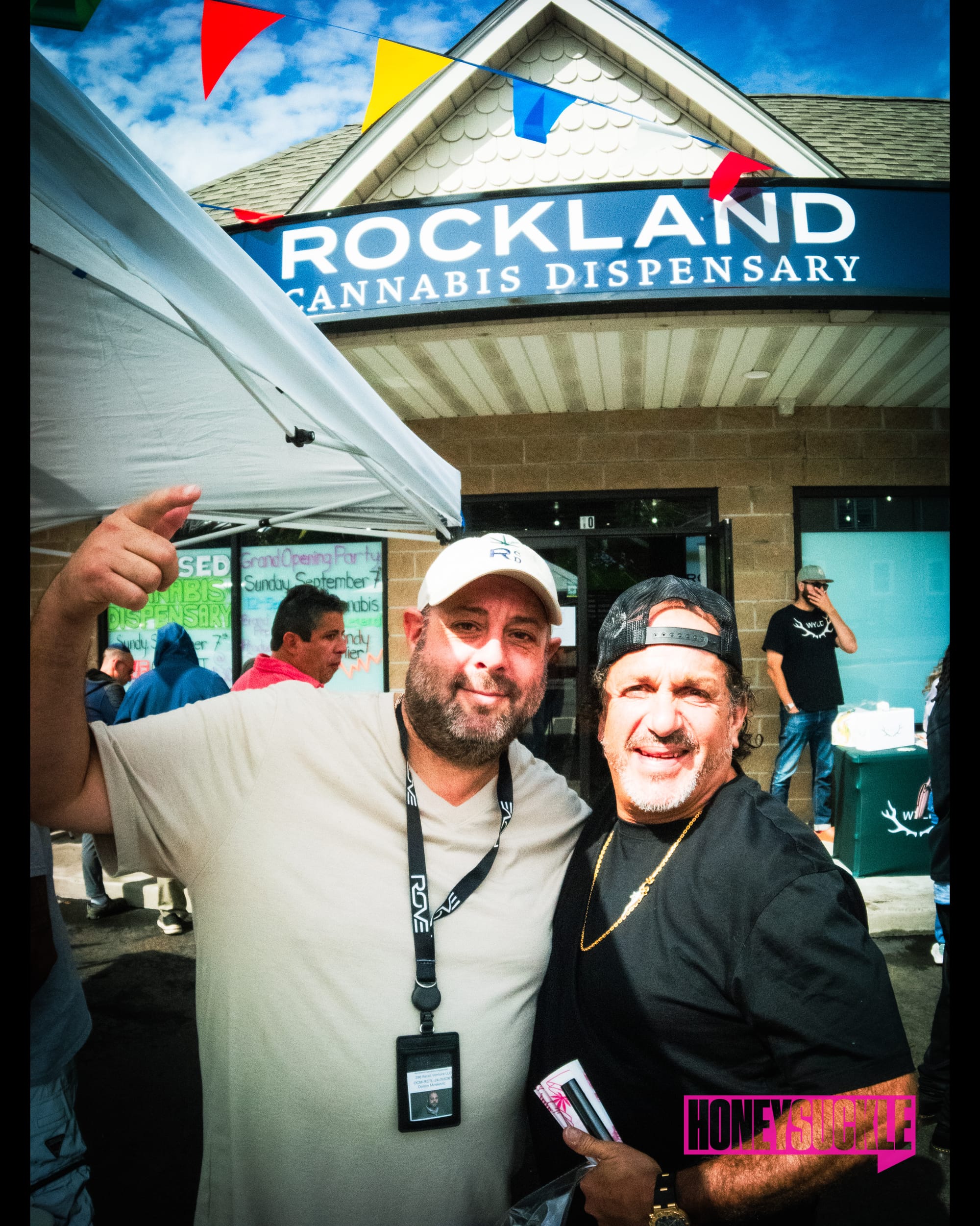
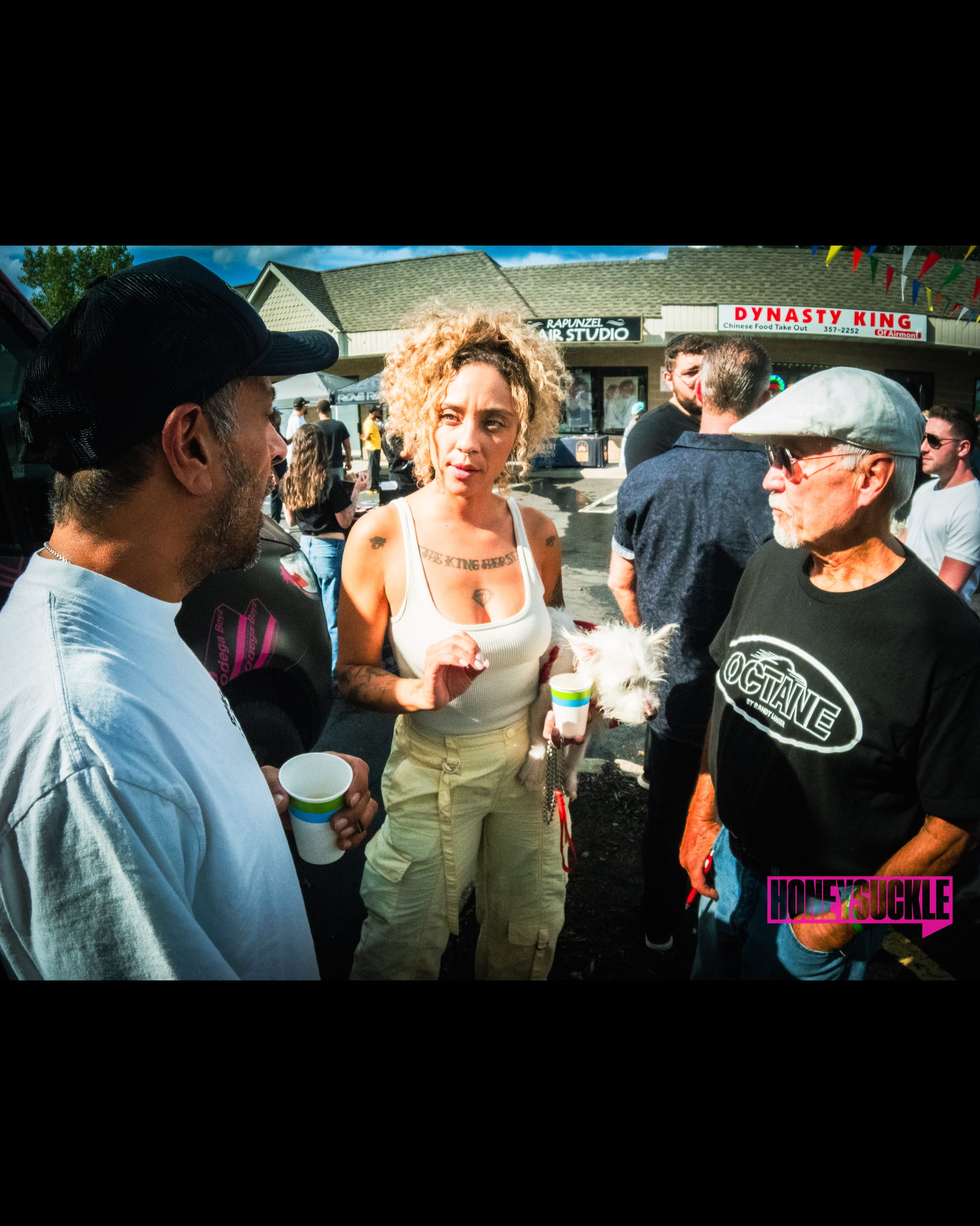
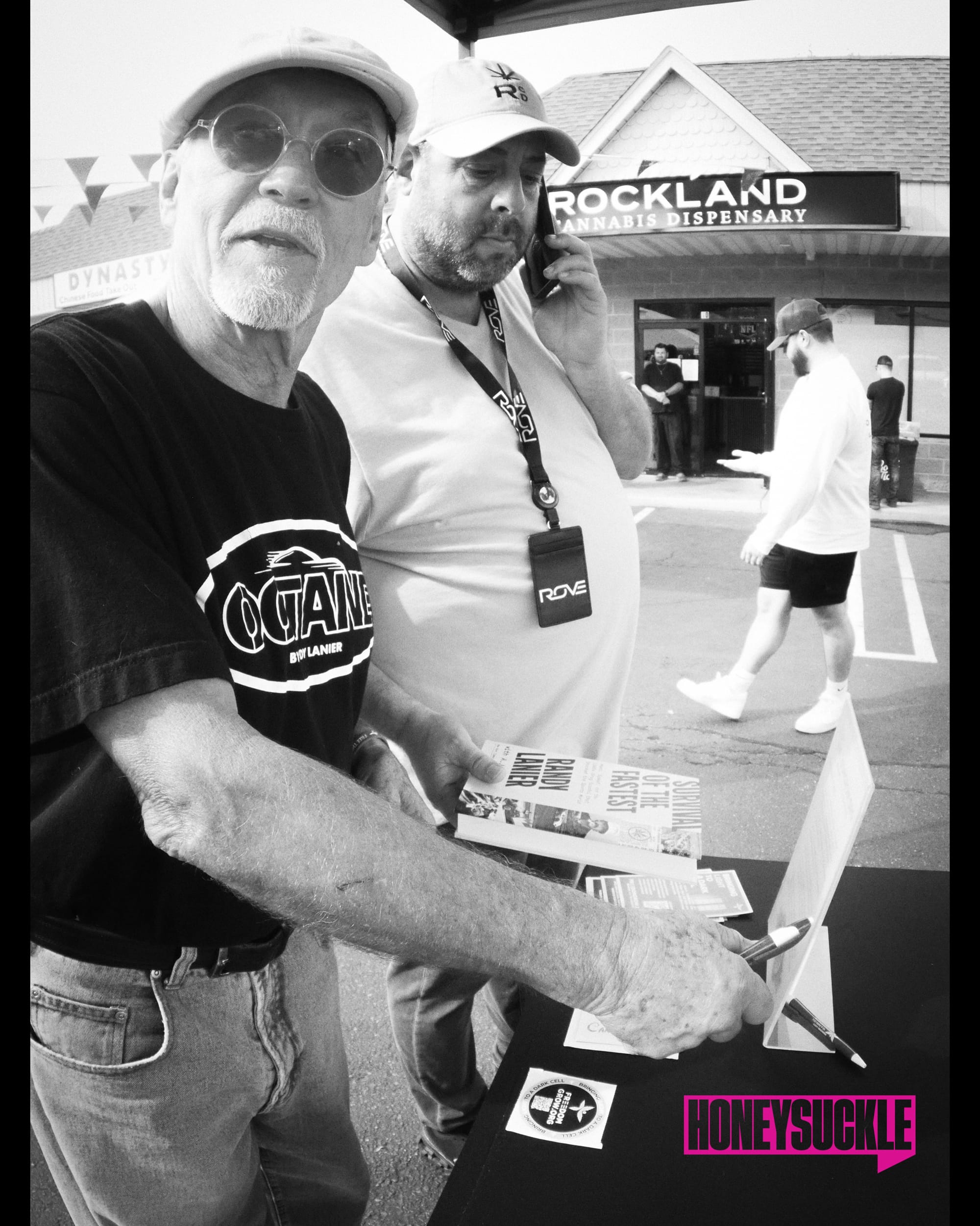
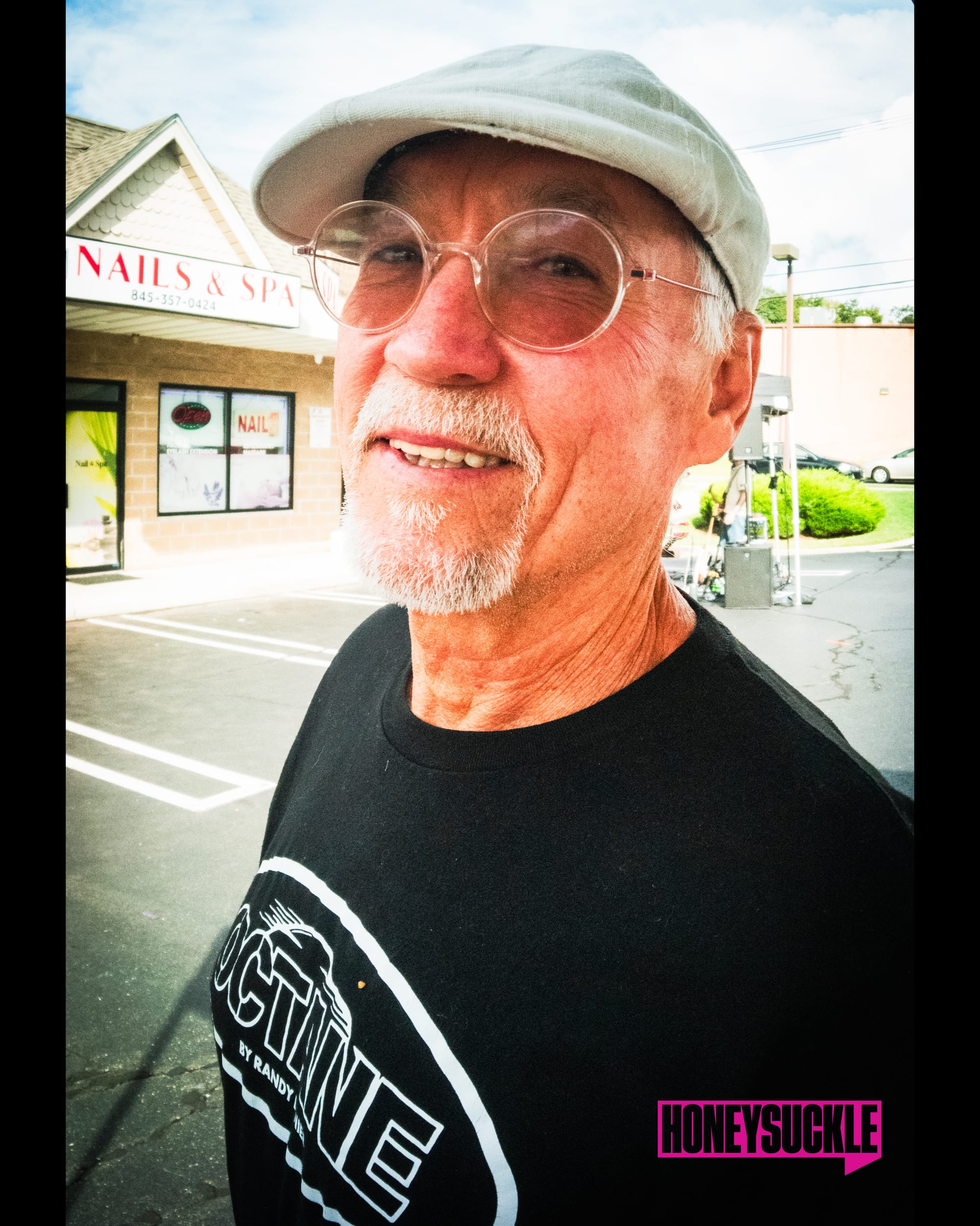
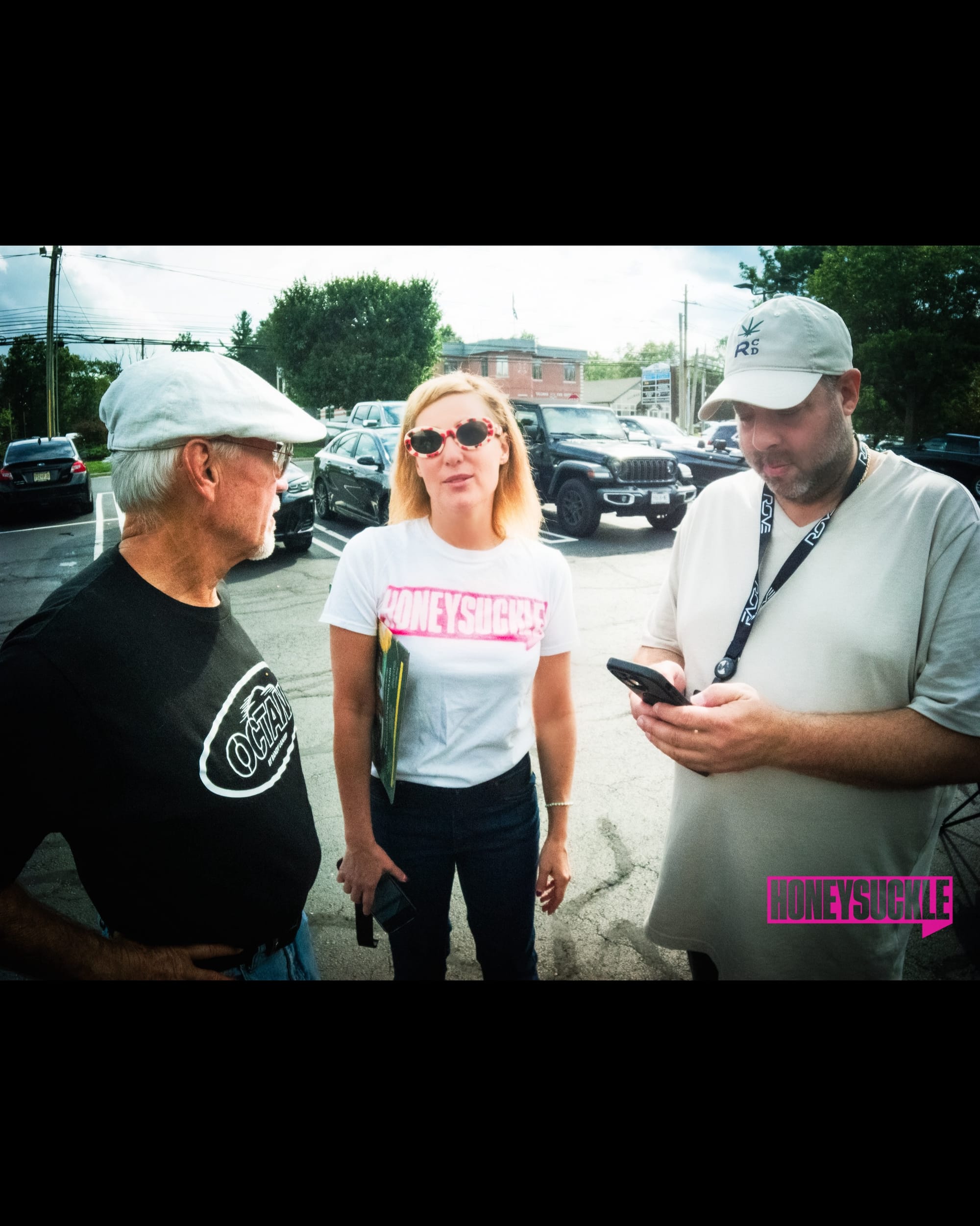
On opening day, Moskovic was joined by Randy Lanier, the former professional racecar driver whose life took a dramatic turn in the 1980s when he became one of the country’s largest cannabis smugglers. Indicted in 1987 and sentenced to natural life without parole, Lanier spent 27 years behind bars before his release in 2014. Now, through his nonprofit Freedom Grow, he works to support cannabis prisoners and their families, while also building his own legal brand, Octane Cannabis.
From Prisoner to Advocate
Lanier’s perspective brings both gravity and hope to Rockland’s debut. “I myself was a cannabis prisoner. I spent 27 years incarcerated, was sentenced to natural death life with no parole in 1988, and now I’m out,” he shares. During his time with Freedom Grow, Lanier has championed programs that deliver commissary funds, birthday gifts, reentry support, and family assistance to the nearly 300 people still serving time for cannabis.
“The war on drugs is a war on people,” he says. “No one should be indicted or in prison for a plant—a plant that heals.”
Lanier has also stepped into the licensed industry, launching Octane Cannabis in Florida and exploring expansion into New Jersey and New York. His story, featured in Netflix’s Bad Sport series, has inspired both industry operators and advocates. For Moskovic, meeting him at a conference after binge-watching the series was a serendipitous moment that led to partnership.
Rockland’s Approach
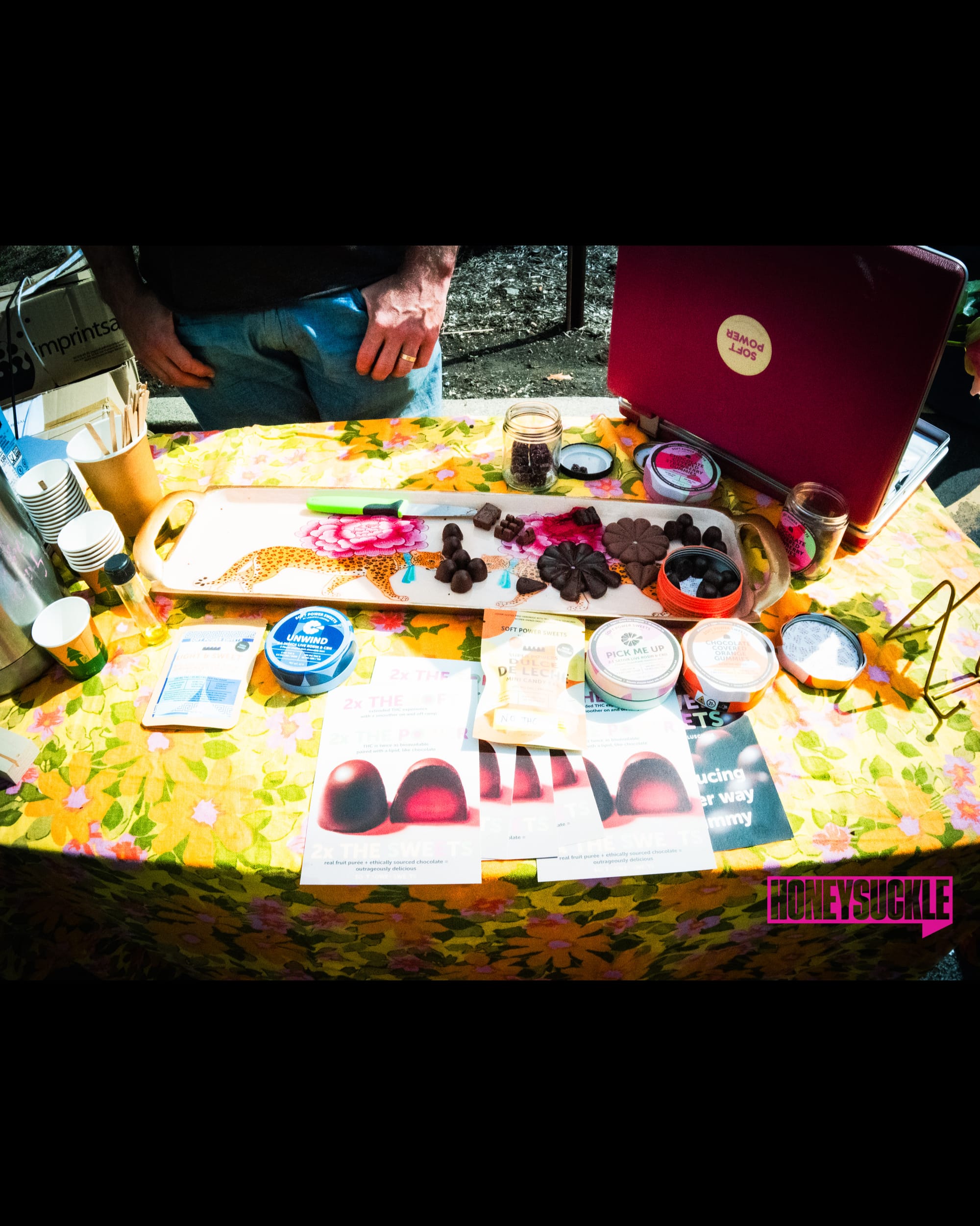
For Moskovic, Rockland Dispensary is about building trust with customers through careful curation. “We give good product to good people for good pricing,” he says. Instead of overwhelming shelves with endless SKUs, the team focused on selecting about 400 products—a balance of quality and variety.
That decision hasn’t been without pushback. “I’ve definitely made some enemies because everyone’s like, ‘How come I’m not on your shelf?’ But they’re not the ones who have to pay a quarter million dollars in inventory in 60 days.”
The dispensary’s early audience skews older, with most customers between 50 and 75. “These are disposable-income, mature people from all walks of life,” Moskovic explains. Education plays a big role, and the staff was chosen with intention. “Everyone’s here for a reason. No one’s here by mistake. Each team member brings a special quality, whether it’s knowledge of the plant, personal experience, or family history.”
Bridging Past and Present
The partnership between Moskovic and Lanier underscores a powerful contrast: one man fighting to open a compliant retail business, the other working to free those still imprisoned for the same plant.
Lanier, who will soon mark 11 years of freedom, sees progress in the growing acceptance of cannabis. “Each year more states are coming on board and people are getting educated—even universities are finally starting to teach about the plant,” he reflects. But he is quick to remind that justice remains unfinished. “While people are making billions in this industry, others are still suffering. It doesn’t just affect the prisoners—it affects their children, their wives, their mothers, their fathers. It affects whole families.”
Looking Ahead
Rockland Dispensary’s opening signals both a milestone for Moskovic’s family-owned venture and a reminder of the work left to do for cannabis justice. As the dispensary grows, its success will be measured not only in sales but also in how it reflects the values of its founders: resilience, responsibility, and respect for the plant.
Lanier, too, continues to balance advocacy and entrepreneurship, carrying with him the weight of a lifetime altered by prohibition. His presence at Rockland’s opening underscored the connection between past injustices and today’s legal industry—and the importance of ensuring that legalization doesn’t forget those still behind bars.
As Moskovic puts it, Rockland is built on intention. “A lot of thought went into this place,” he says. “It’s for the community, and it’s for the future.”
