
The cannabis industry has long positioned itself at the intersection of culture and reform. Now, that responsibility is extending beyond borders.
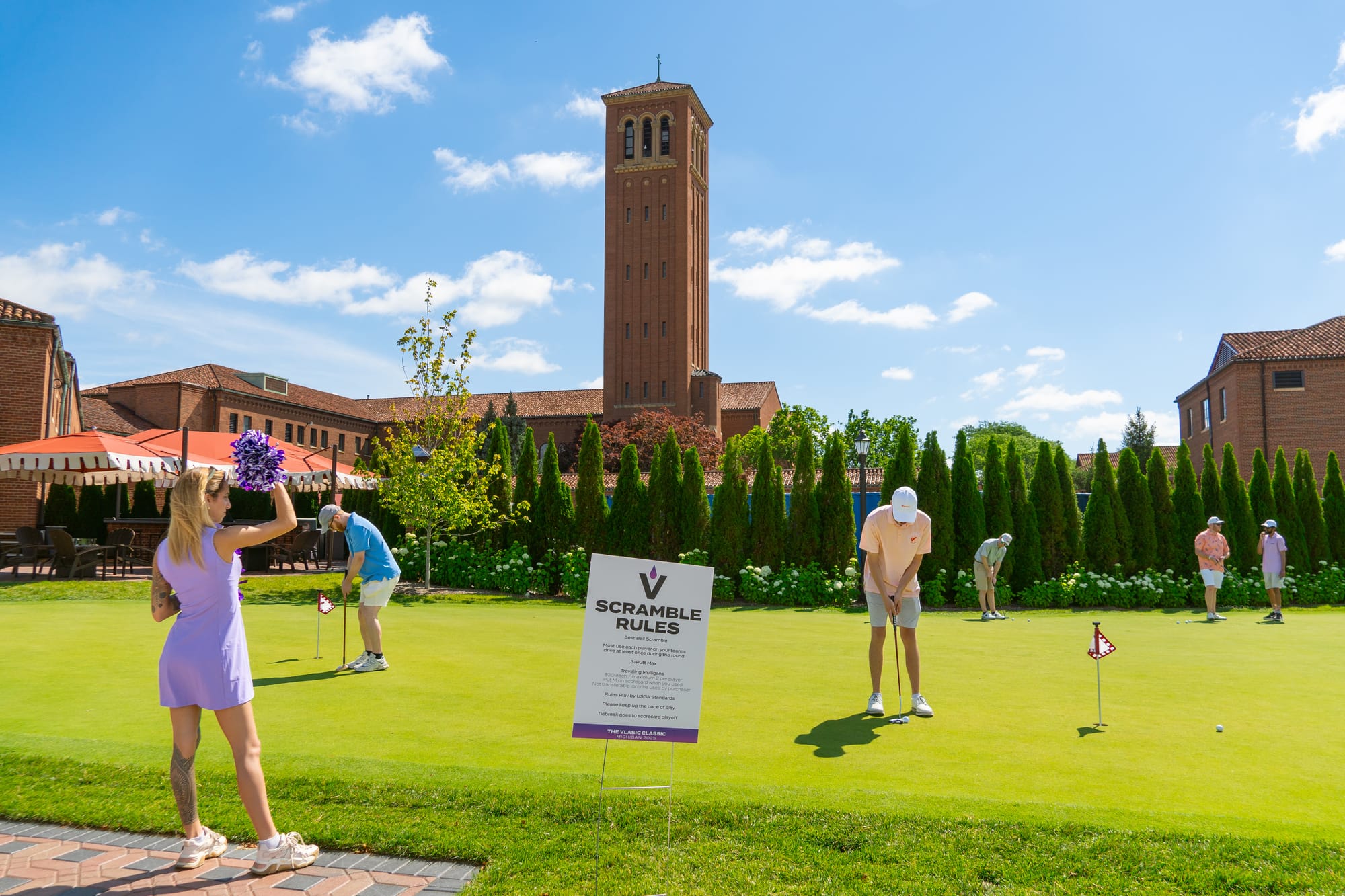
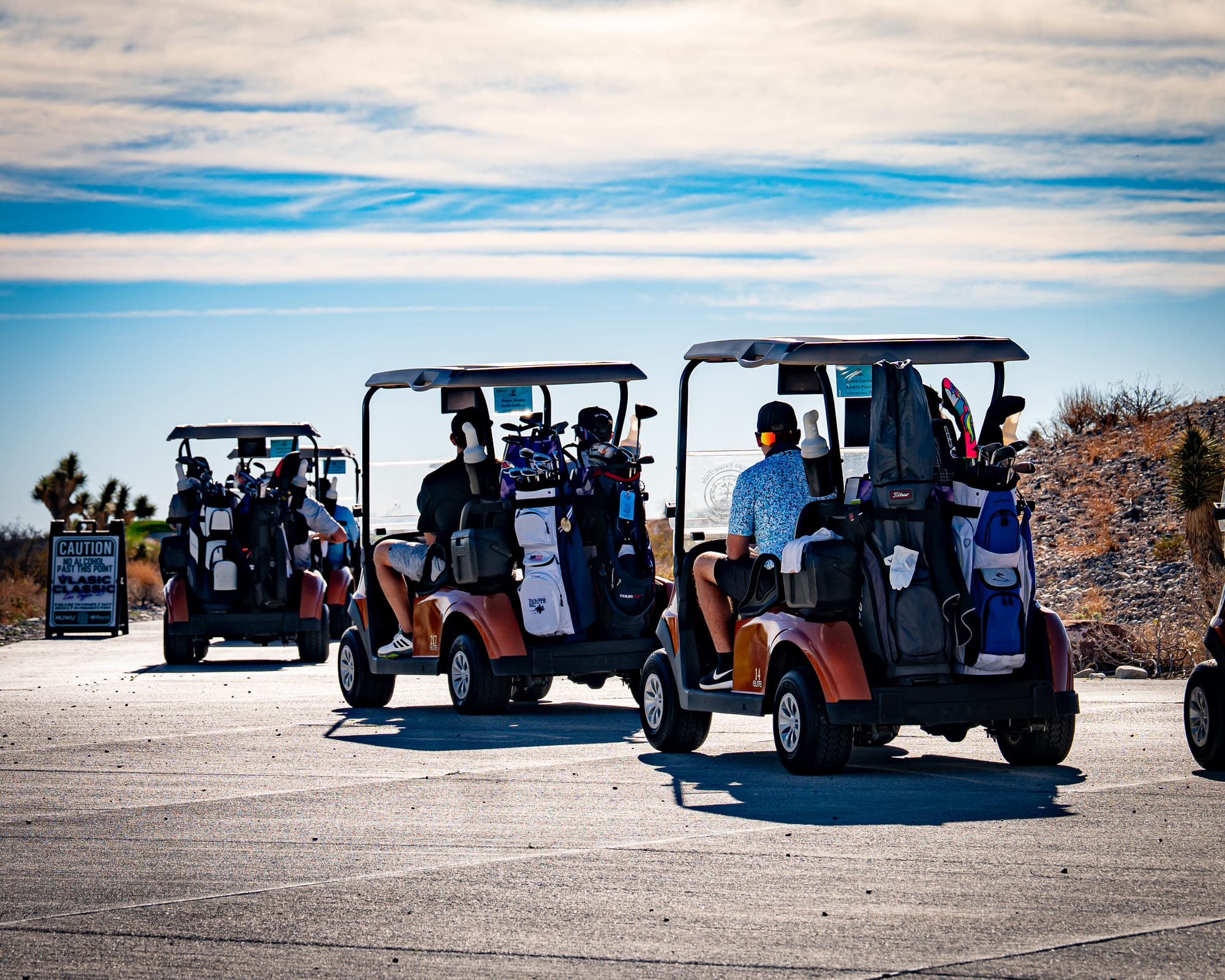
From May 1–3, 2026, Vlasic Labs will host the fourth annual Missouri Vlasic Classic at Old Kinderhook Resort, bringing together operators, executives, and advocates for a weekend that blends competition with cause. At its core, the event is not just about golf—it is about accountability, visibility, and direct impact.
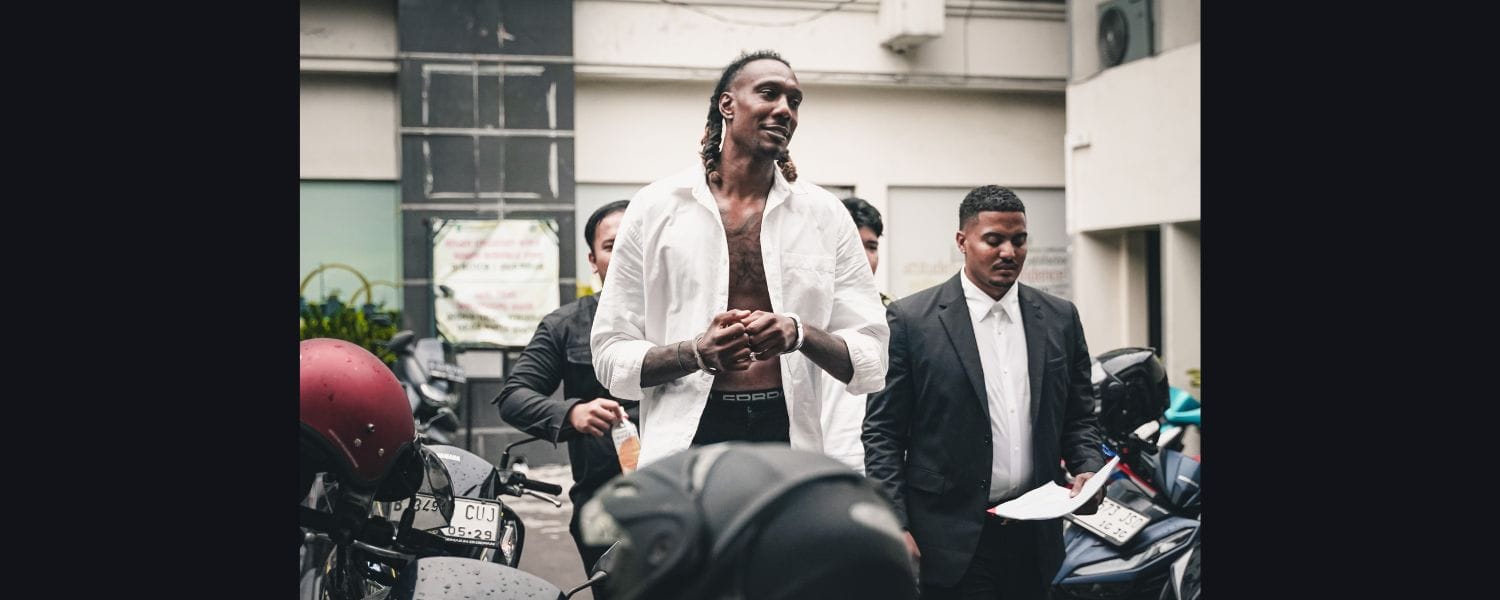
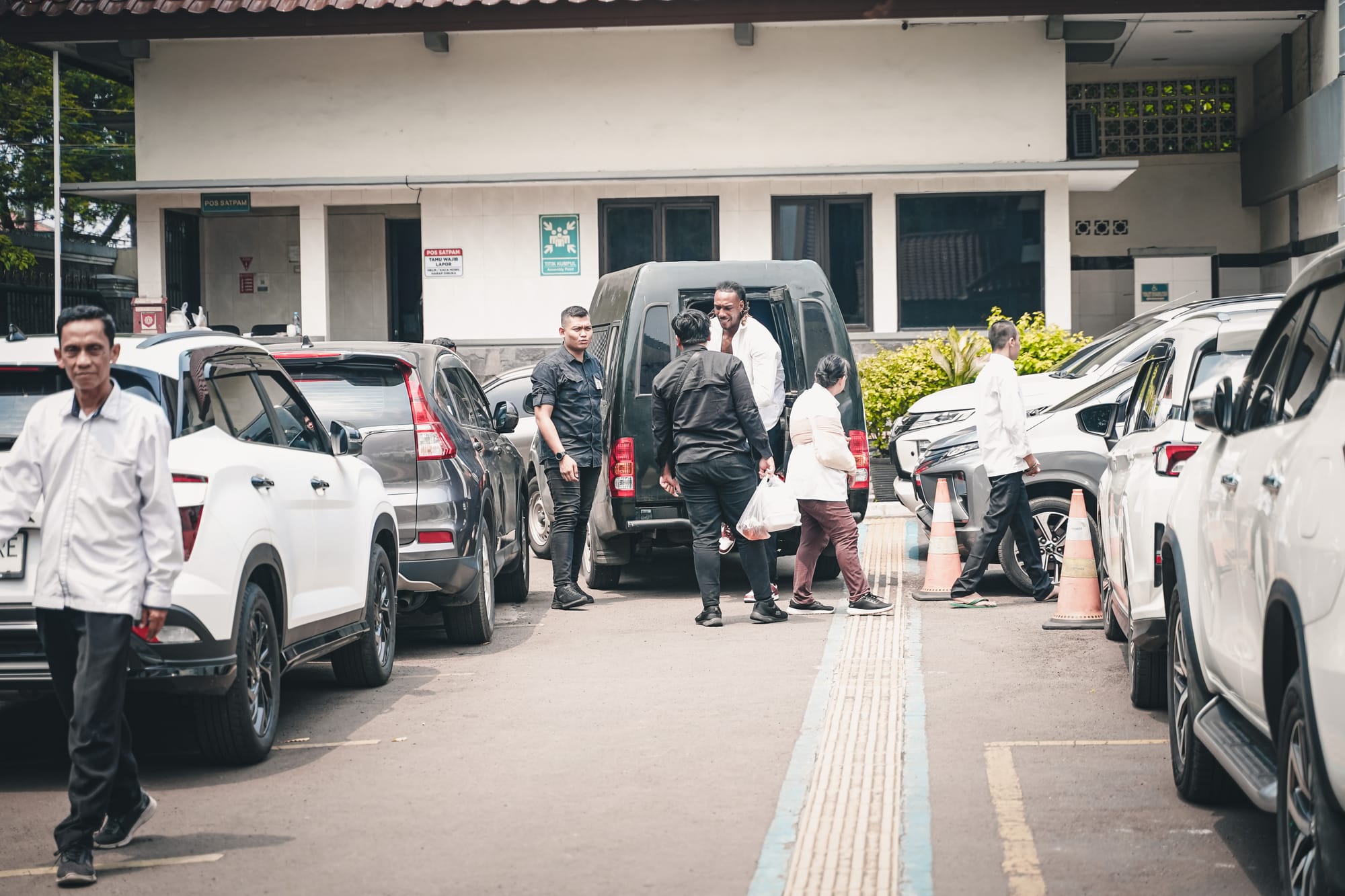
This year’s tournament will benefit The Forgotten Prisoner, a justice reform initiative focused on individuals facing excessive sentencing, and will directly support Jarred Shaw, an American basketball player currently serving a 26-month prison sentence in Indonesia over cannabis gummies.
Shaw’s case underscores the global disconnect around cannabis policy. A former NCAA standout and international player, he turned to cannabis to manage Crohn’s disease, a chronic condition he has lived with since 2010. While playing professionally overseas, he ordered a small amount of cannabis gummies—unaware of Indonesia’s severe drug laws. What followed was a legal ordeal that initially carried the possibility of the death penalty.
He was ultimately sentenced to 26 months in prison.
Inside, conditions have taken a visible toll. Limited access to proper nutrition and medical care has worsened his symptoms, leading to significant weight loss and growing concern among advocates and supporters.
“I never imagined that trying to manage my Crohn’s would turn into a fight for my life,” Shaw shared. “Knowing people back home are helping my family and speaking up for me gives me hope.”
For Vlasic Labs, the decision to center this year’s tournament around Shaw’s case reflects a broader shift in how the industry defines its responsibility.
“The Vlasic Classic has become a place where our industry shows up not just to compete, but to take responsibility,” said CEO Willy Vlasic. “Cannabis has fought to release people serving sentences for cannabis-related offenses, but that fight shouldn’t end at the border.”
That perspective is driving a wider call to action. In addition to fundraising, Vlasic Labs is encouraging supporters to contact U.S. Secretary of State Marco Rubio and U.S. Ambassador to Indonesia Peter Haymond, urging diplomatic engagement on humanitarian grounds.
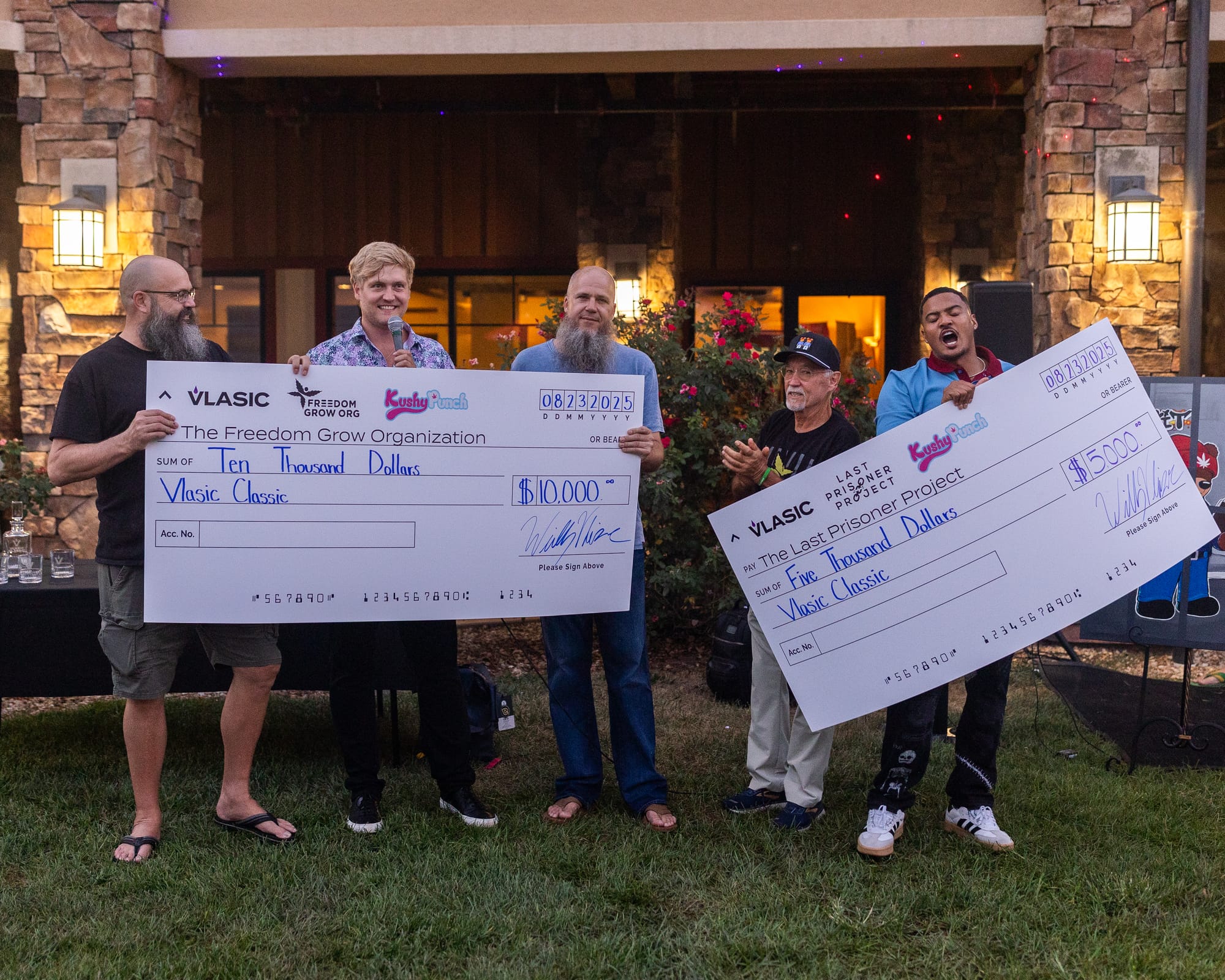
The event itself continues to grow in both scale and impact. Previous Vlasic Classic tournaments across Missouri, Michigan, and Las Vegas have raised more than $140,000 for second-chance initiatives, including organizations such as Freedom Grow and the Last Prisoner Project. The 2025 Missouri event alone contributed $20,000 toward advocacy and reentry support.
The 2026 edition will follow a full weekend format, including a welcome mixer, an 18-hole tournament on Old Kinderhook’s championship course, and an awards gala. Revenue from player registrations, sponsorships, raffles, and on-course activations will be directed toward The Forgotten Prisoner and Shaw’s family.
Beyond fundraising, the tournament serves as a convening point—bringing together a sector that has matured rapidly, but continues to wrestle with its legacy and obligations. As legalization expands in the United States and global markets evolve, cases like Shaw’s highlight the uneven realities that still define cannabis policy worldwide.
For American Negotiator Donte West, Shaw’s legal advocate and founder of The Forgotten Prisoner, the urgency is clear.
“Jarred was facing the death penalty. That was a very real possibility,” West said. “The fact that he now has a release date is significant, but this isn’t over. He’s dealing with a serious medical condition in a system that cannot meet his healthcare needs.”
The Vlasic Classic operates within that tension—between progress and disparity, between industry success and unresolved injustice. It is both a fundraiser and a statement: that legalization, on its own, is not the finish line.
Through events like this, the industry is beginning to redefine what responsibility looks like in a global context—where advocacy is not limited by geography, and where individual stories can still move systems.
For Jarred Shaw, that movement is personal.
For the industry, it is a test of what it stands for next.
