
Future of Clubs 2026 Through Listening Bars and Slow Nightlife
Nightlife in 2026 is going quieter, more understated, and more conscious. Nightclub boisterousness and all-night hedonism are being replaced by listening bars. These come with curated playlists, and spaces dedicated to sound, and dialogue. To many of the Gen Z and Millennial travellers who are attending these spaces, staying out late is not the point-being relaxed, together, and present is. Arriving for the night feels less like about a time of day, and more about the kind of night you’re there for.
Why Listening Bars and “Slow Nightlife” Are Becoming So Popular
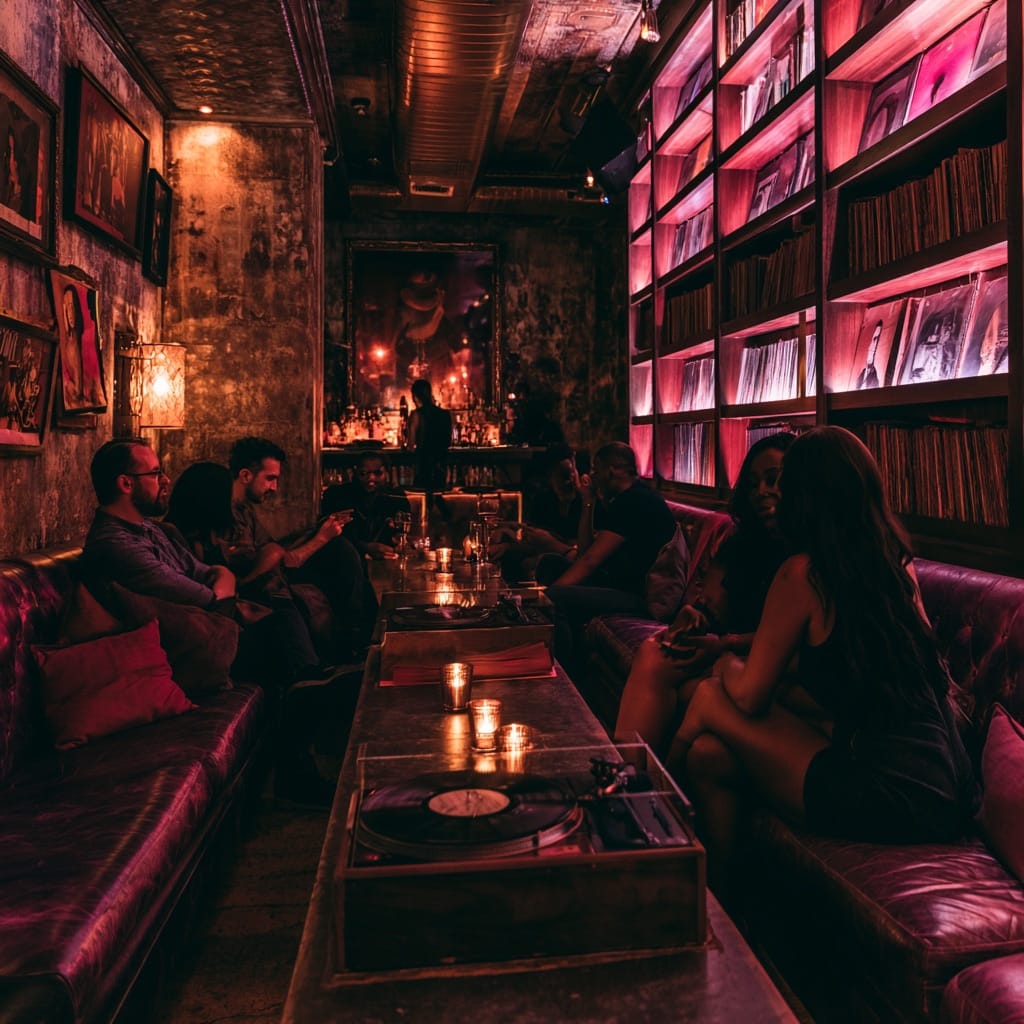
Listening bars are about slow and deliberate moments in which the sound and the space come before the volume of the crowd. They turn nightlife into a more reflective, intentional experience, centering:
- A good quality sound system allows you to hear every single sound clearly.
- Low lights and ambient heat are great for a relaxed atmosphere.
- Good, comfy seating for intimate conversations.
- A handpicked music selection, with vinyl records a popular choice.
Instead of simply acting as the ambient backdrop of the space, music is made central in listening bars. The listening bar offers a different view of nightlife, treating the bar as a place for focused sound rather than background noise.
Lighting is one of the elements that shapes the atmosphere in listening bars. Many venues use warm color temperatures to provide a cozy atmosphere and cool color temperatures to make patrons feel tucked away in a cocoon. It’s an attempt to be present in the space for longer and be able to listen without the chaos and overstimulation of typical nightlife.
More and more listening bars are becoming places where sound, lighting and hospitality are designed together. Some are experimenting with lighting systems that react in real time to music, creating interiors that morph fluidly with different tracks. For listeners, this creates more enjoyable moments. For guests, the room feels less static and more responsive to the music. This is why some listening bars feel closer to small sound rooms than ordinary cocktail bars.
Phones have become part of the night before, during, and after the venue. People use them to book tickets, split bills, save playlists, check transport and move between different forms of digital entertainment. Before claiming a mobile casino offer, a player checking Slotozilla can read about no deposit bonuses, wagering rules, eligible games, withdrawal limits, expiry dates and responsible gambling tools. These details need to be visible before registration, especially on mobile, where bonus terms can be skipped too quickly.
The Gen Z and Millennials Taking Over Nightlife Culture
There seems to be two types of nightlife that is increasingly forming, that of a high-impact club experience versus a low-impact listening experience.
The following table outlines the contrast between these two kinds of nightlife in atmosphere, social activities, and user experience:
Recent nightlife coverage points to a clear shift toward lower-pressure social spaces, better sound, thoughtful design and reduced alcohol focus. Mindfulness can be linked here as well.
The night-time economy is also becoming more discerning, with going out becoming less frequent, but demanding more in terms of experience and quality, particularly among Gen Z, where going out has become more intrinsically linked with identity, sense of purpose and personal meaning-over 30% of Gen Z identify their best nights out with the theme of self-discovery.
What the Future of Nightlife May Look Like
The next stage of nightlife will likely be smaller, more flexible and more focused on atmosphere than scale. There isn’t a 'one-venue-fits-all' approach, and scale will be the key consideration.
- Hybrid cafe bars.
- Immersive audio sound systems.
- Community-driven events.
- Low and non-ABV beverage offerings.
- Interior design and lighting key design factors.
The future of nightlife is increasingly shaped by wellbeing, mindfulness, and meaningful experiences. Research suggests that sustainability and personal wellbeing will become key drivers of the industry. As new nightlife models emerge, venues are becoming more specialized and focused on quality rather than scale. For Generation Z, nights out are often linked to purpose, self-expression, and conscious lifestyle choices.
At the same time, the broader experience economy is transforming late-night entertainment. Traditional concept-driven venues are giving way to more diverse and flexible experiences. Many venues now combine elements of art, design, music, and hospitality to create unique environments. Looking ahead to 2026, wellbeing-focused trends are expected to grow further. These include no- and low-alcohol cocktails, curated music experiences, artistic events, and travel-inspired themes.
As a result, demand is shifting away from large, high-volume venues. Consumers are increasingly drawn to smaller spaces that offer a warm, intimate, and personal atmosphere.
In conclusion, nightlife is no longer just about providing a service or transaction. It has evolved into a cultural and social experience. Today, the way and place in which an experience is enjoyed are just as important as the experience itself. This reflects a long-term shift toward higher-quality, more balanced, and more meaningful nightlife experiences.
