
As cannabis continues its transformation from underground economy to global industry, the legal frameworks surrounding it are being pushed to their limits. In 2026, that tension is reaching a new peak—and the legal minds shaping what comes next are gathering in one place.
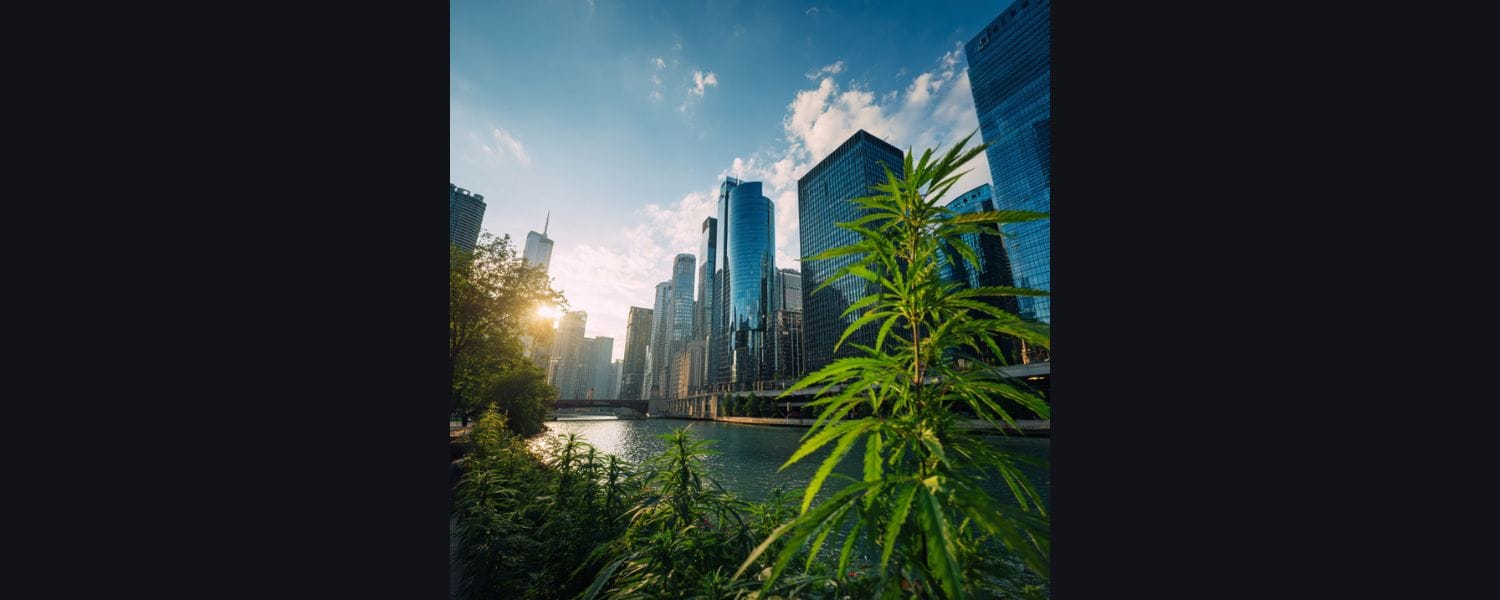
The International Cannabis Bar Association (INCBA) has officially announced the return of its flagship event, the Cannabis Law Institute (CLI2026), set to take place June 17–18 at Northwestern Pritzker School of Law in Chicago.
Widely regarded as the premier conference dedicated exclusively to cannabis law, the Institute arrives at a critical moment—when federal uncertainty, regulatory fragmentation, and the convergence of hemp and marijuana markets are forcing the industry to rethink everything it thought it knew.
Beyond the Basics: A Legal System Under Pressure
The premise behind CLI2026 is simple, but urgent: the traditional ways of understanding cannabis law no longer apply.
What was once treated as two separate industries—“marijuana” and “hemp”—has evolved into a far more interconnected and complicated ecosystem. Legal professionals are now navigating overlapping regulations, emerging product categories, and rapidly shifting policy interpretations that demand a new level of sophistication.
This isn’t an introductory conference. It’s designed for attorneys, regulators, and executives who are already in the trenches—and need sharper tools to operate in a space where the rules are still being written in real time.
Day One: Federal Pressure Meets State Reality
The first day of programming brings all attendees into a shared conversation through a full plenary format.
Key themes include:
- The evolving federal landscape, including rescheduling efforts and the redefining of hemp
- The growing role of medical cannabis in policy discussions
- Real-time insights from state regulators navigating conflicting federal signals
This convergence of perspectives—federal theory versus state-level execution—is where much of the industry’s friction currently lives. And it’s exactly where the next wave of legal innovation is expected to emerge.
Day Two: Specialization Takes Over
If Day One sets the stage, Day Two breaks the conversation into specialized tracks—reflecting how nuanced cannabis law has become.
One track focuses on the practice of law itself:
- AI-driven ethical considerations
- Corporate governance in cannabis companies
- Dispute resolution in a volatile regulatory environment
The second track turns outward, tackling broader legal and policy developments:
- Enforcement trends
- Data privacy in cannabis businesses
- Real estate challenges unique to the industry
- The intensifying legal battle around adult-use hemp
Together, they signal a shift: cannabis law is no longer a niche—it’s a fully developed legal discipline with its own internal specializations.
The Stakes: A Maturing Industry Without a Stable Center
“Cannabis remains one of the most dynamic and challenging areas of law today,” said INCBA Board President David Ruskin.
That dynamism is exactly the point.
Despite years of state-level legalization, the absence of clear federal direction continues to create instability—and opportunity. Businesses are scaling, capital is flowing (selectively), and new markets are opening globally. But without consistent legal frameworks, every move carries risk.
Events like CLI2026 are less about theory and more about survival: how to build, advise, and operate in an industry where precedent is thin and change is constant.
Where Law, Business, and Culture Intersect
For Honeysuckle readers, the significance goes beyond legal mechanics.
Cannabis law isn’t just shaping compliance—it’s shaping culture, access, and the future of the plant itself. From who gets to participate in the market to how products are defined and distributed, legal frameworks determine the boundaries of the industry’s creative and commercial potential.
The Cannabis Law Institute sits at that intersection—bringing together the people who are actively deciding what this next chapter looks like.
Looking Ahead
With keynote speakers still to be announced and registration now open, CLI2026 is expected to draw top-tier legal and industry talent from across the country and beyond.
At a time when cannabis is simultaneously normalizing and destabilizing, one thing is clear: the future of the industry will be written not just in boardrooms or grow facilities—but in legal arguments, policy drafts, and regulatory negotiations.
And in June, many of those conversations will begin in Chicago.
For more information or to register, visit: https://cli2026.incba.org/
