
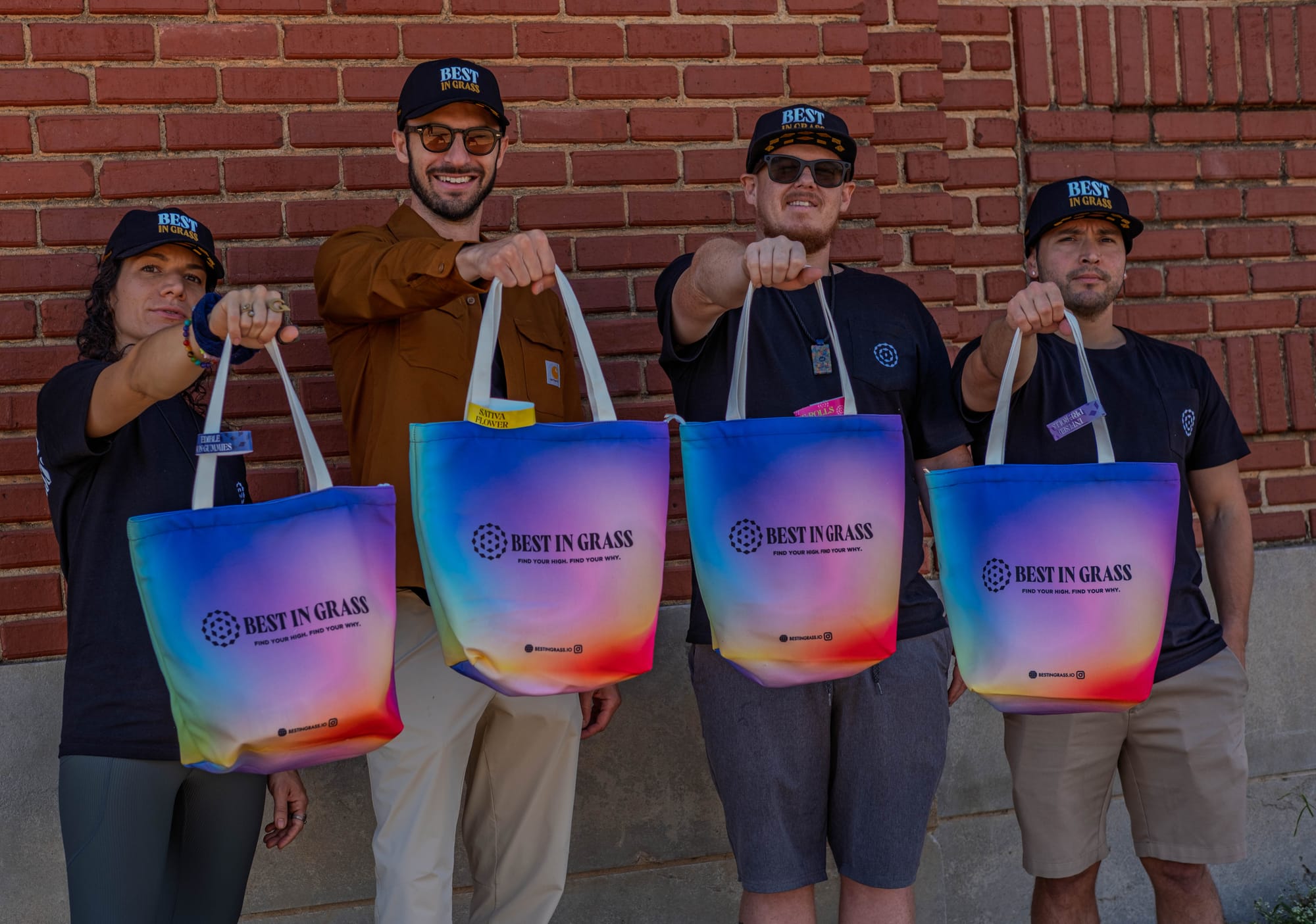
The consumer-driven cannabis competition is bringing its red-carpet awards to Sony Hall on August 20 — putting New York smokers, not industry insiders, in the judge’s seat.
There are plenty of people willing to tell you what the best weed in New York is. Growers have an opinion. Budtenders have an opinion. Influencers definitely have an opinion. Awards competitions have spent decades trying to turn all of those opinions into something resembling a definitive answer.
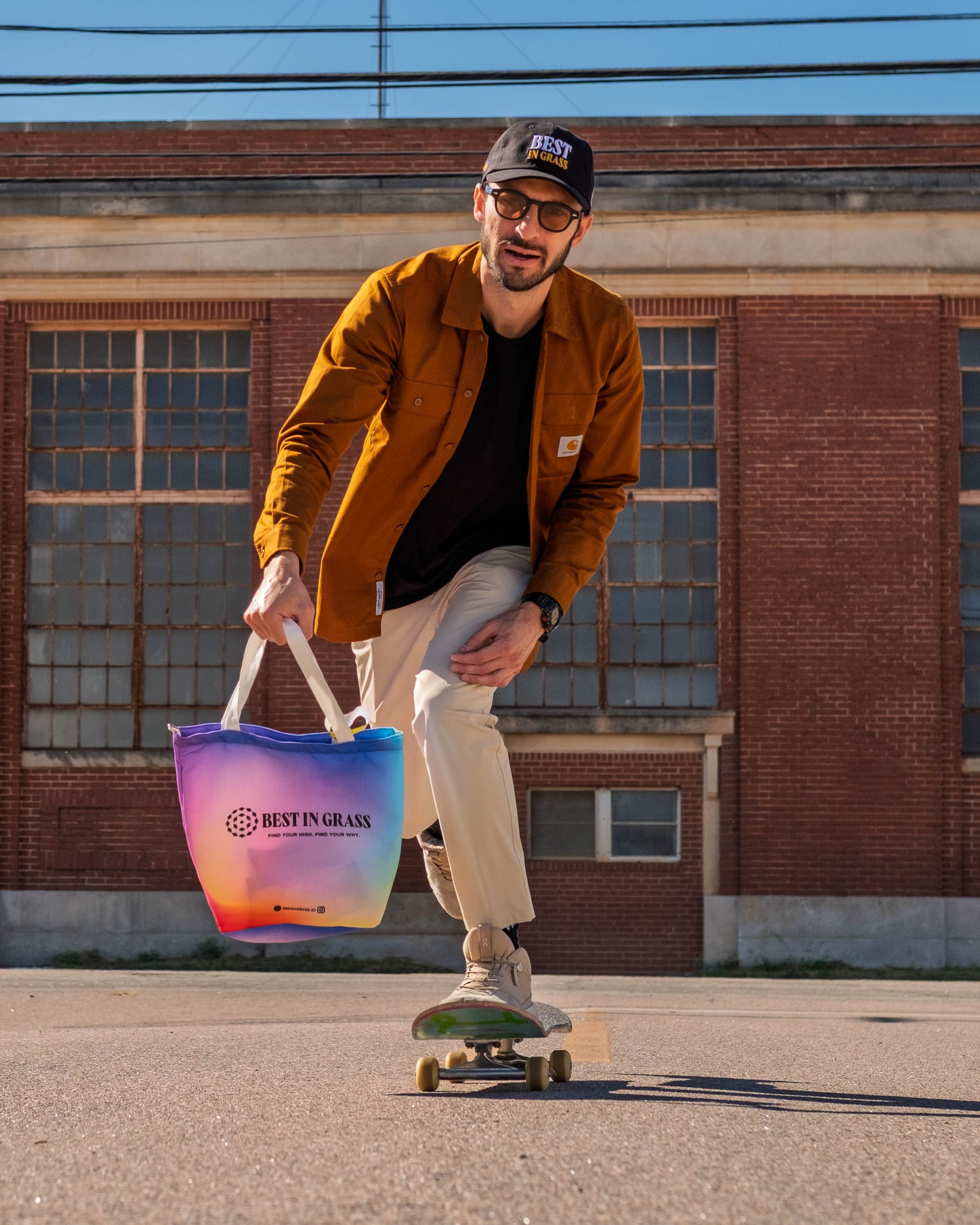
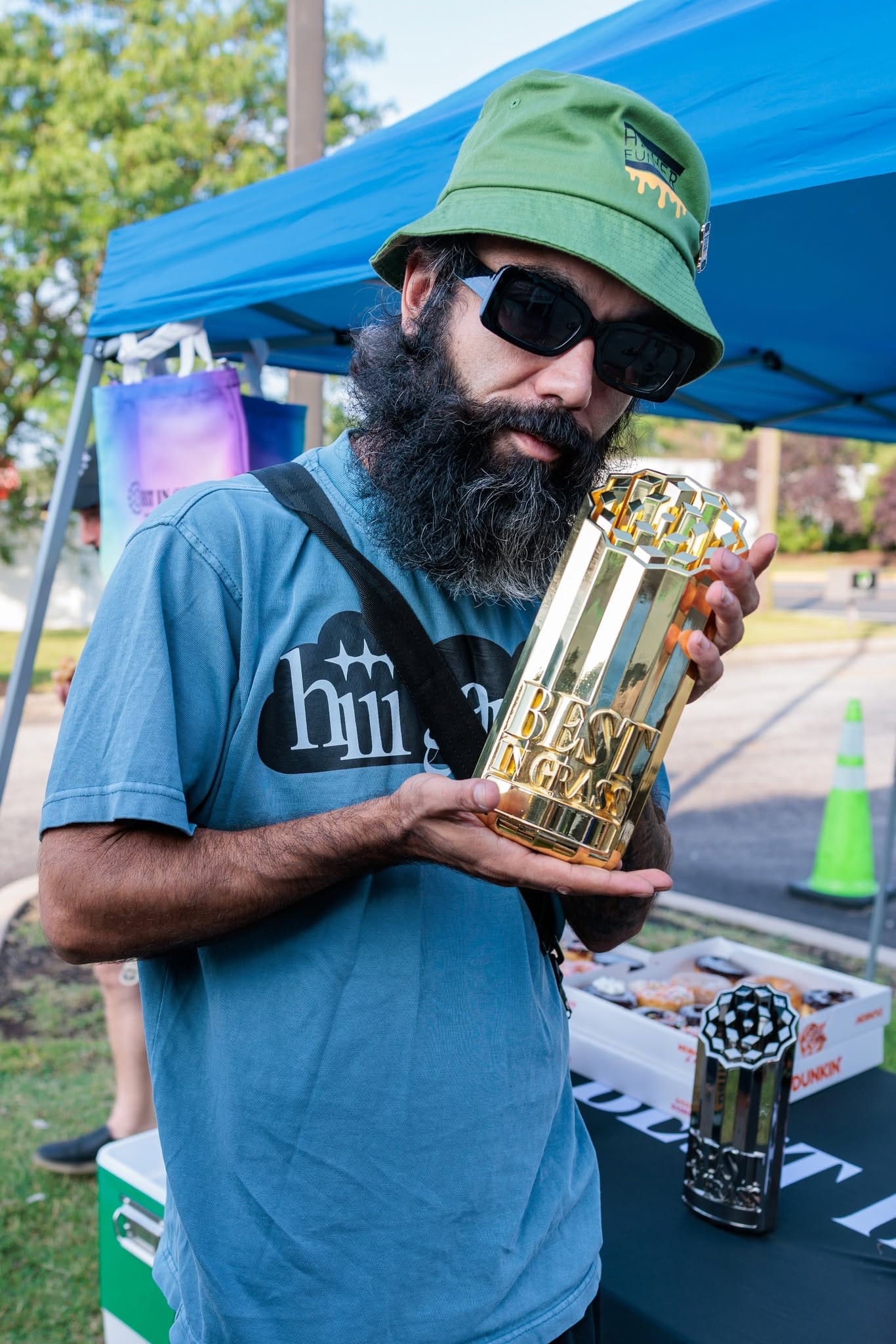
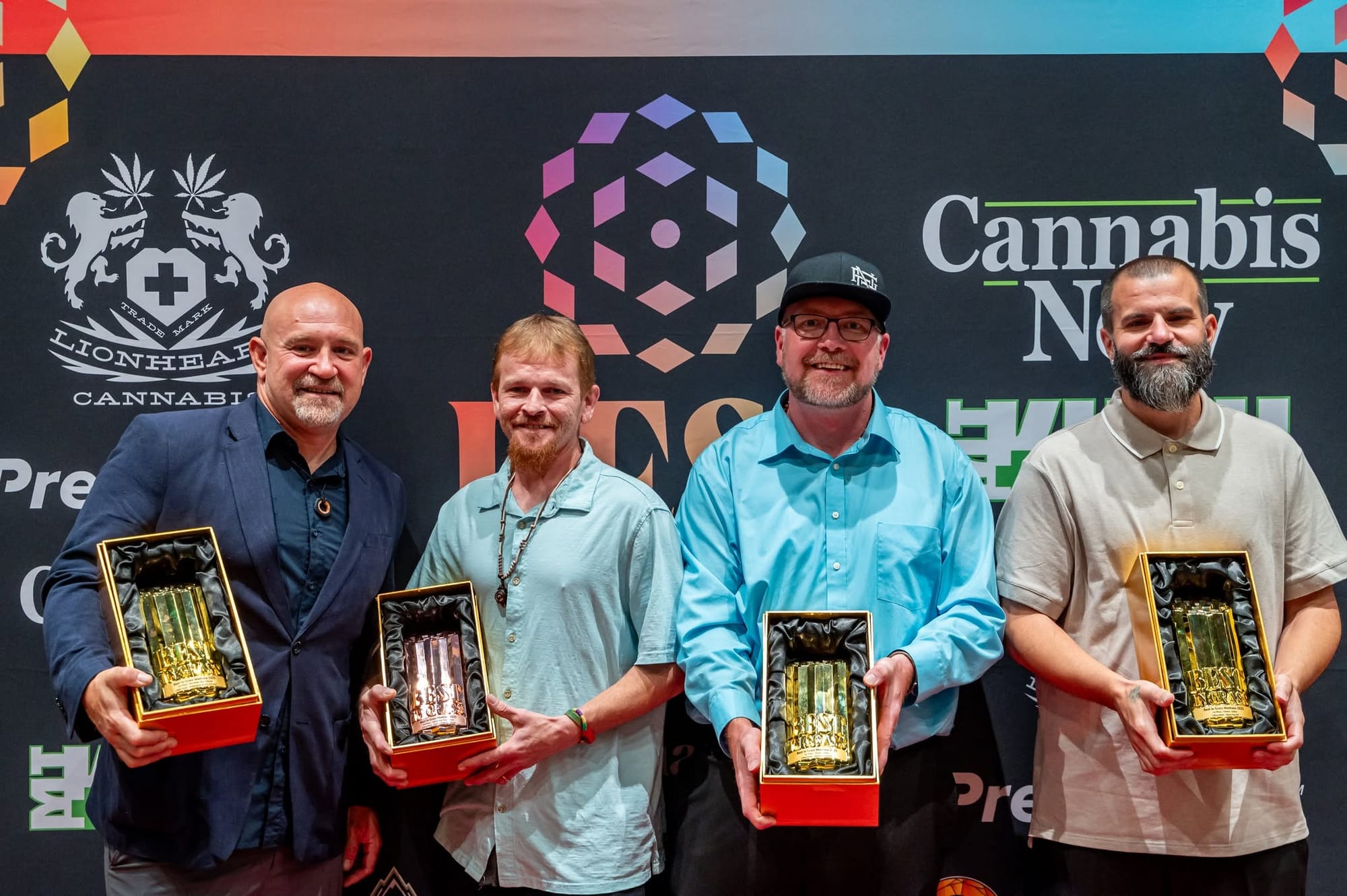
Best in Grass is betting on a simpler idea: ask the people actually buying the weed.
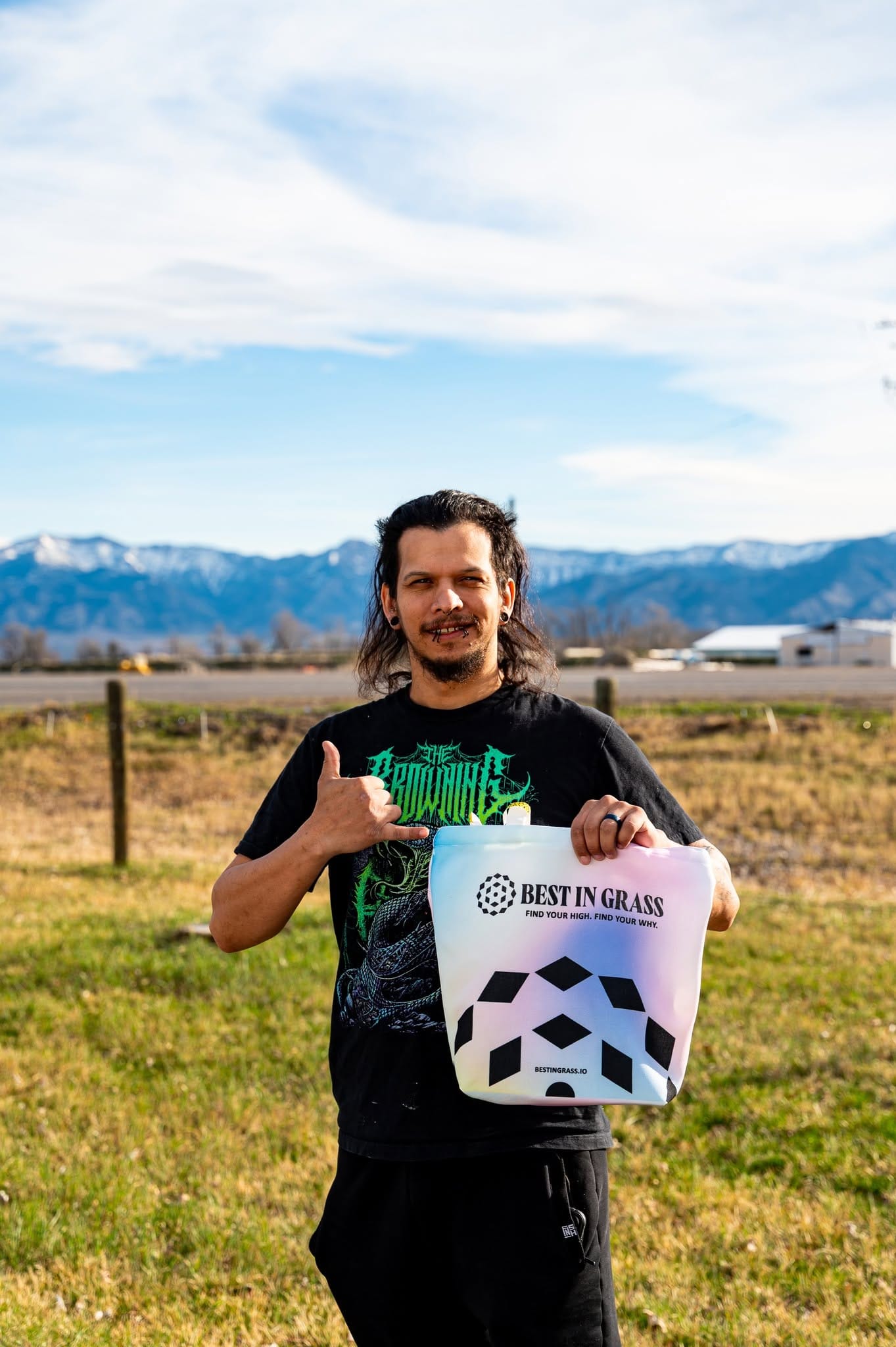
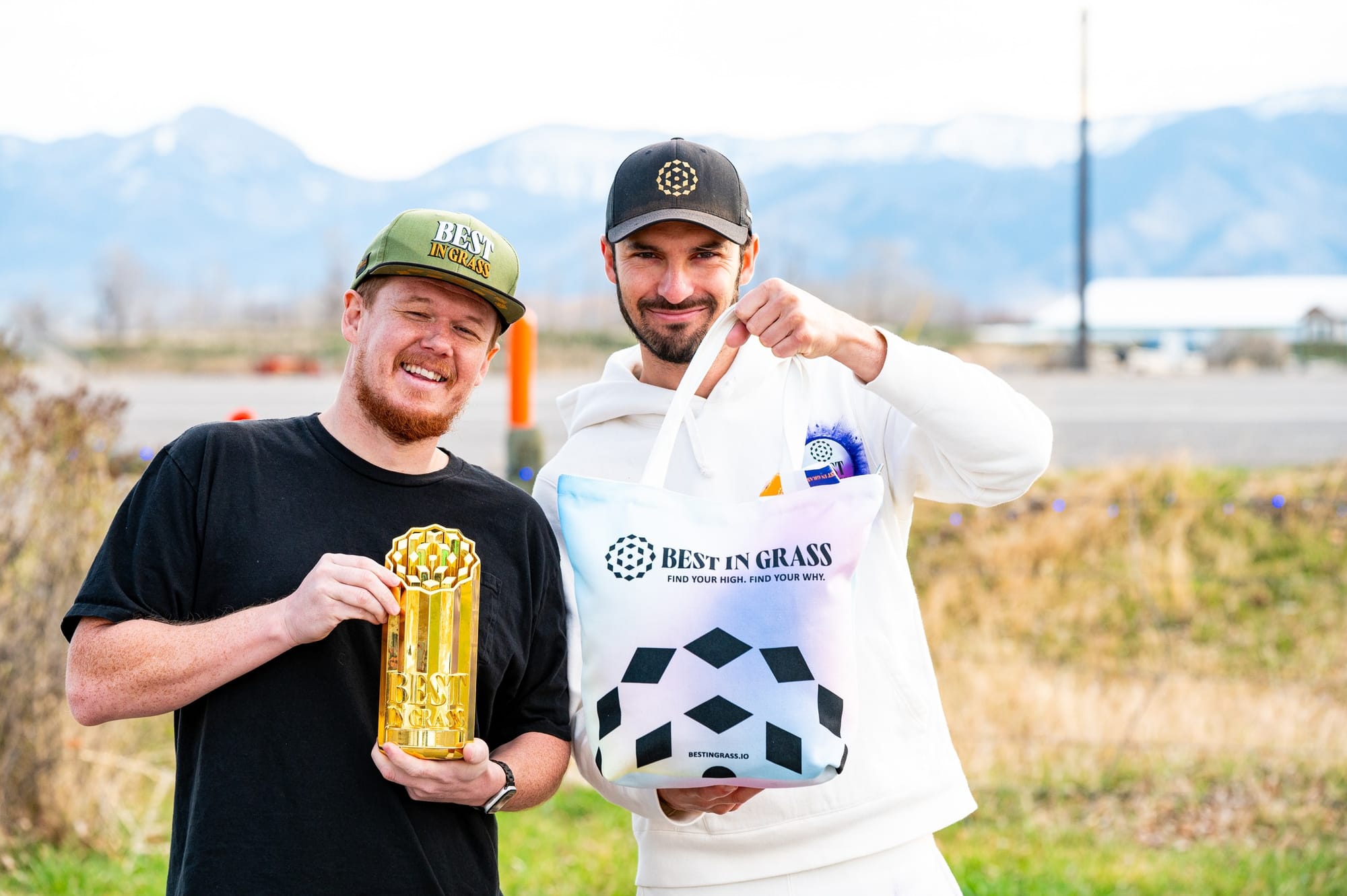
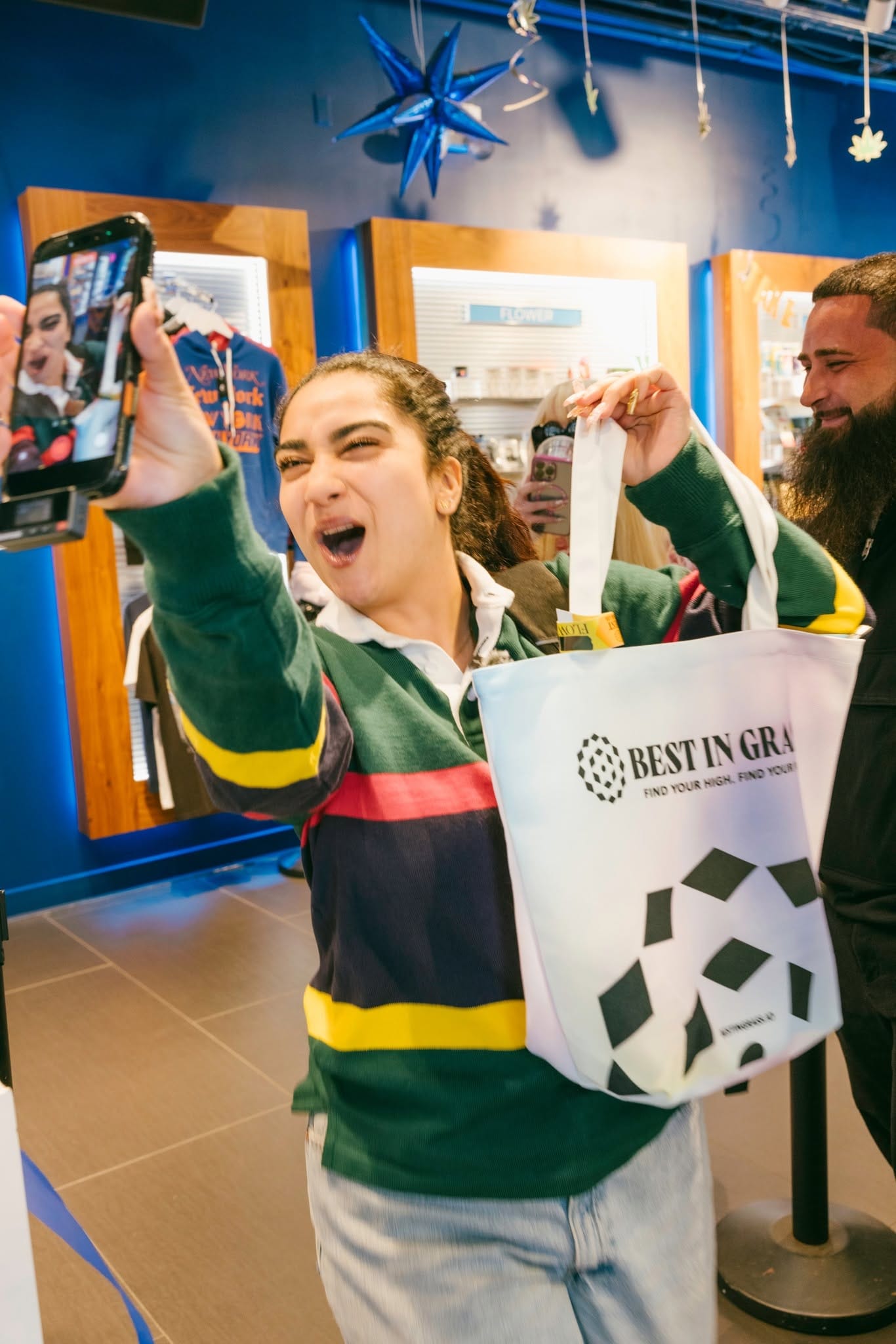
The nationwide cannabis competition has built its model around thousands of everyday consumers purchasing judge kits from licensed dispensaries, trying products at home, scoring them through a controlled judging platform and ultimately determining which brands walk away with the trophies.
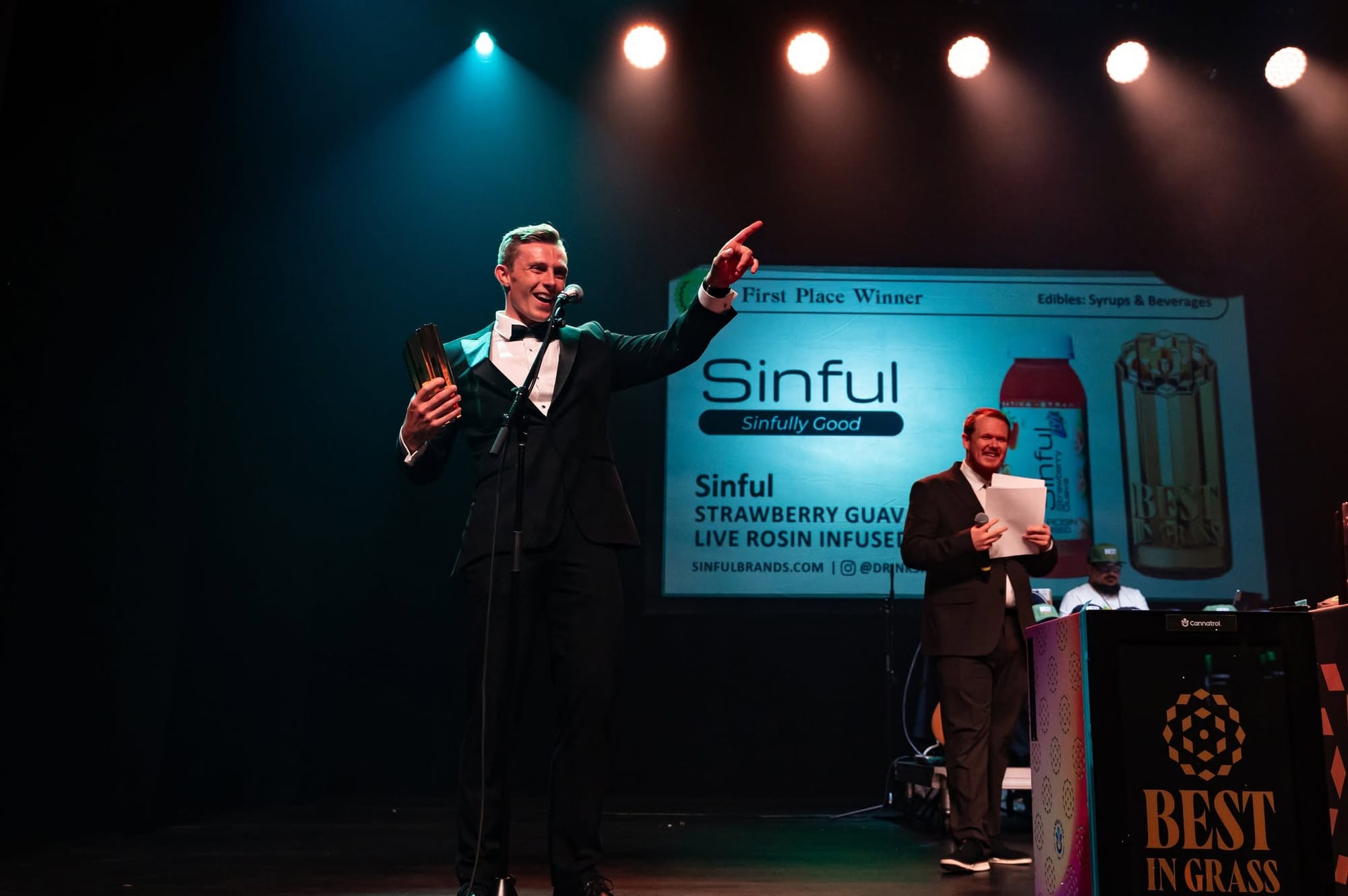
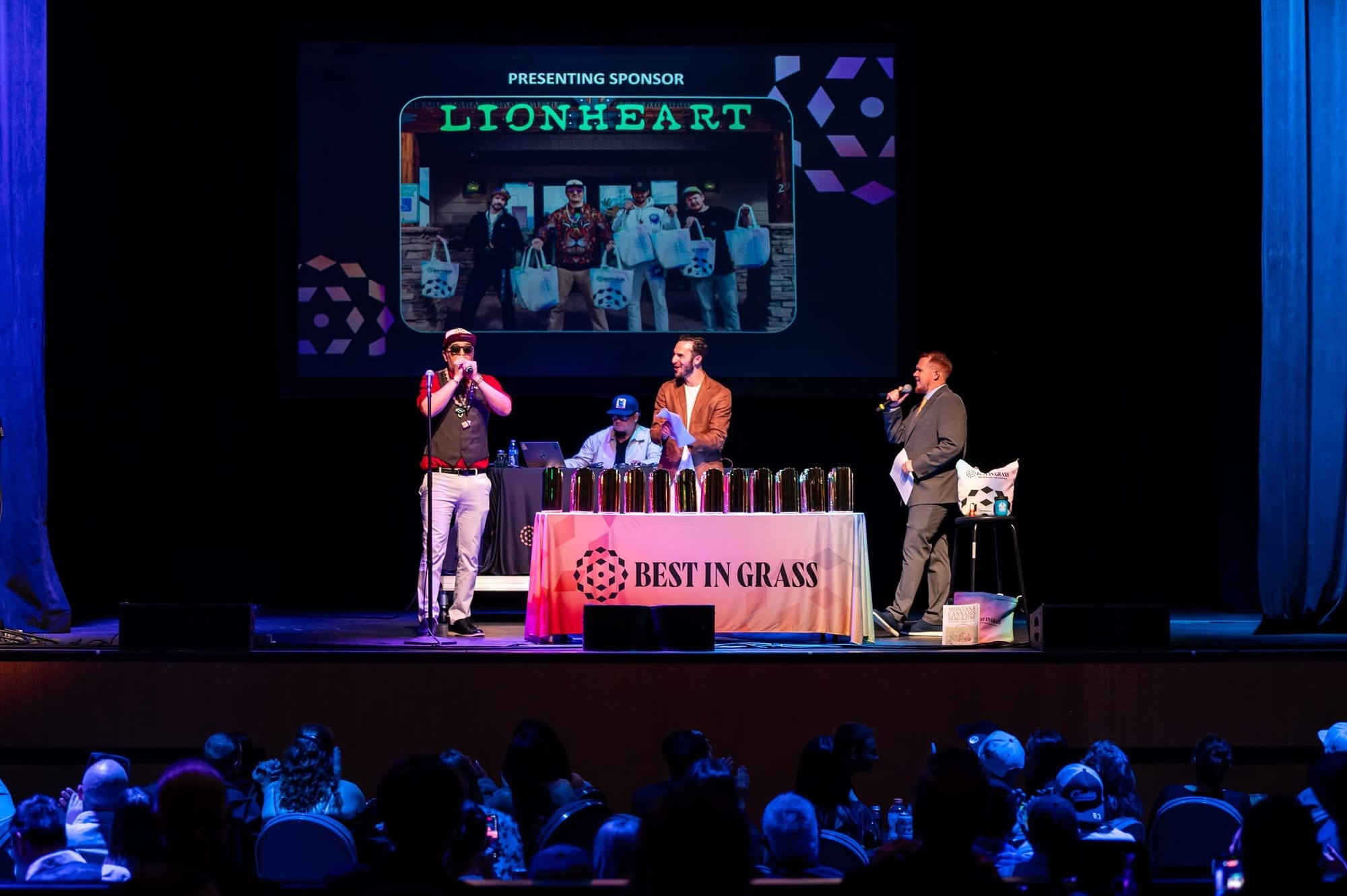
On August 20, that process culminates in New York with a cocktail-attire, red-carpet awards show at Sony Hall, where the winners will be revealed publicly for the first time.
Behind the competition is founder Mark Kazinec, whose path to Best in Grass began inside one of the most recognizable institutions in weed culture: High Times.
Kazinec worked at the magazine from 2018 through 2023, eventually running its Cannabis Cups and learning under longtime figures including Danny Danko and Sean Black. At the time, he says, judging was still built largely around a relatively small circle of industry insiders.
“You had to know the team at high times. You had to yeah be like a homie of a homie,” Kazinec told Honeysuckle.
The exclusivity sounded cool. The execution had problems.
Some invited judges never picked up their kits. Others took the product and never submitted scores. Brands were providing weed without necessarily getting meaningful feedback in return.
Then COVID hit.
With traditional events shut down but demand for the Cannabis Cup still alive, Kazinec helped create the Cannabis Cup People’s Choice format, expanding judging beyond industry friends and opening it to the consumers who were already walking into dispensaries and spending their own money.
“I essentially took it from being the small friend to friend model to a nationwide state-to-state competition that is open to the public and now allowing everyday people, random people who actually spend money on weed at dispensaries to be the judges,” he says.
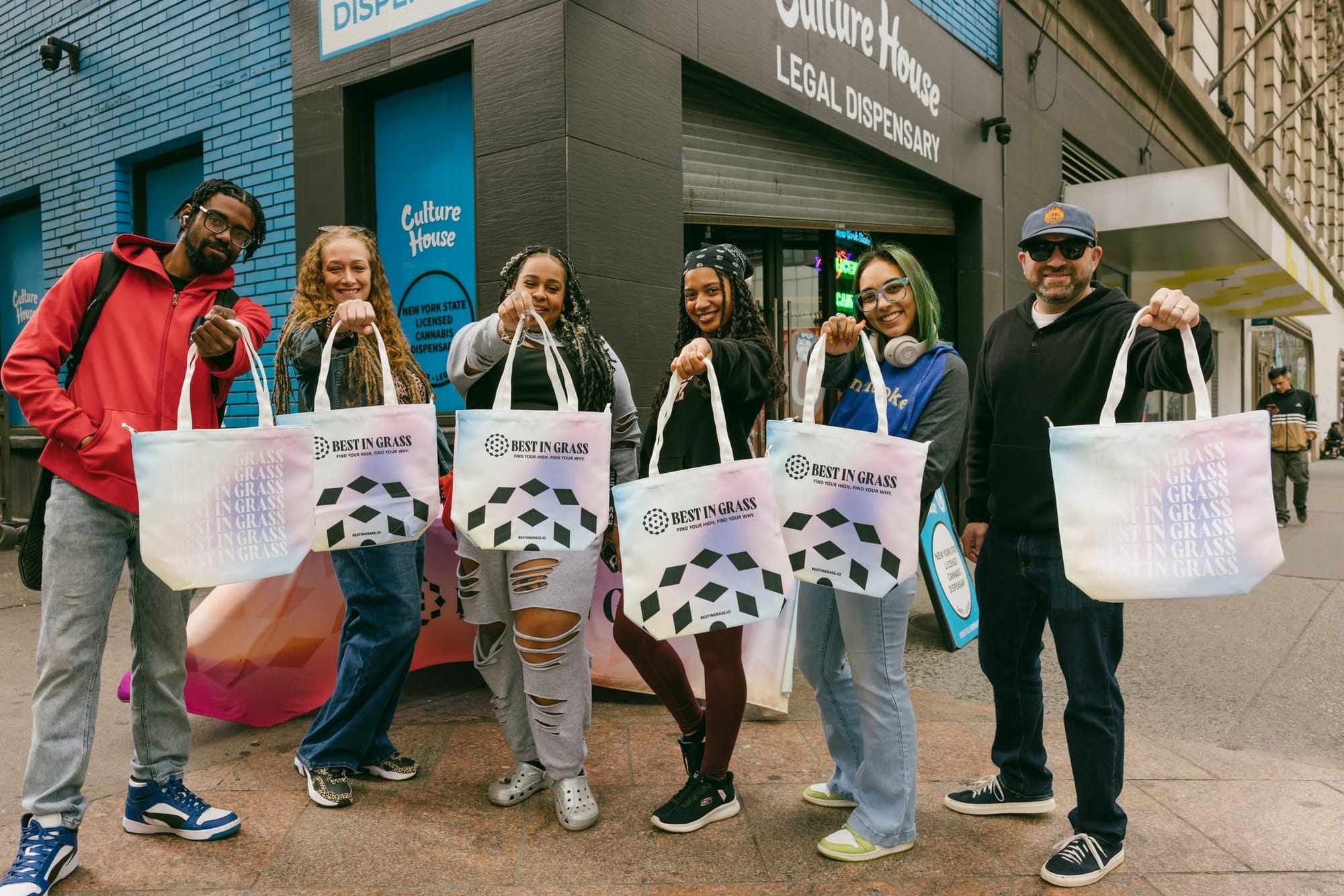
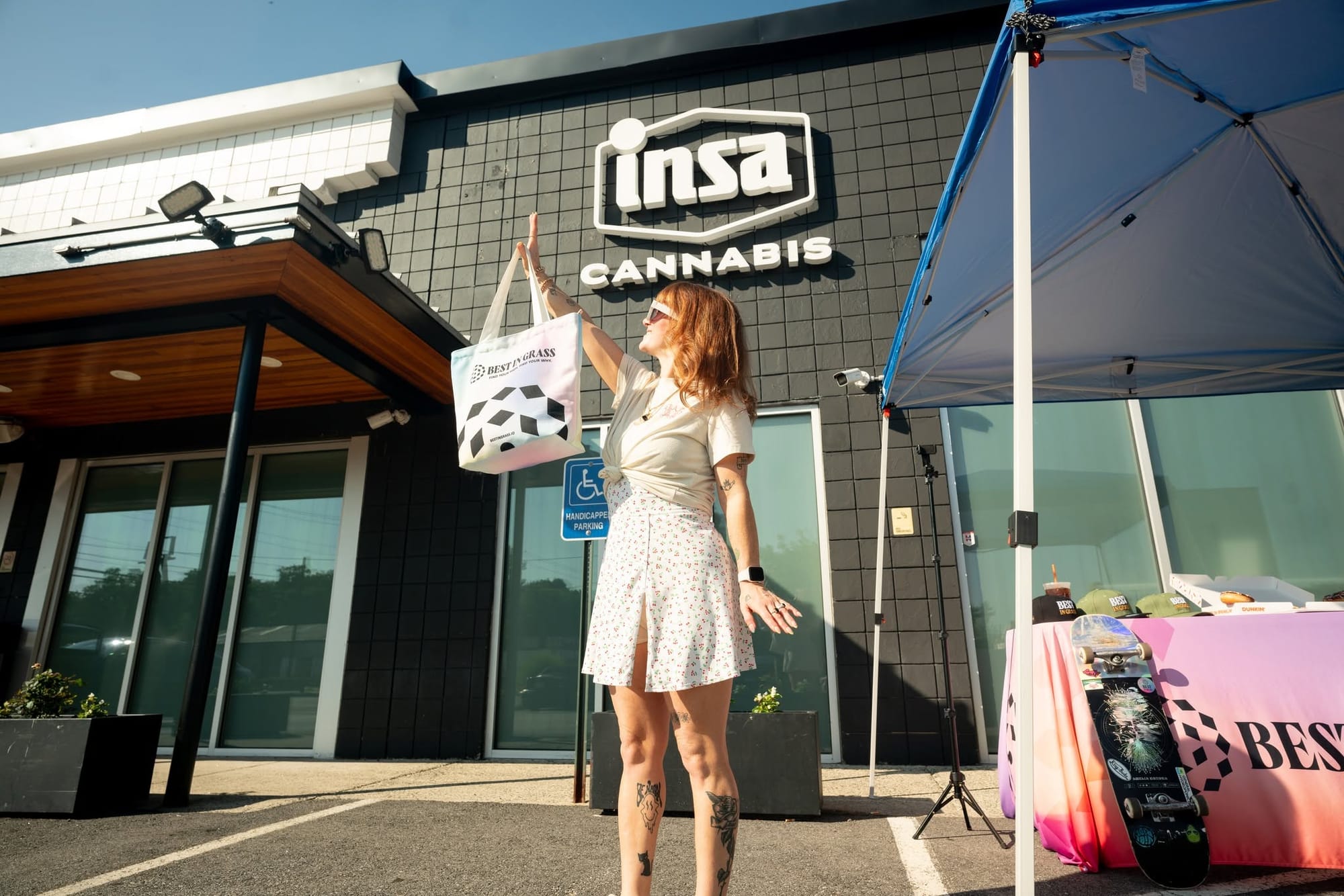
The concept worked. But as High Times faced leadership and financial problems, Kazinec says he found himself increasingly frustrated by an inability to update the technology and bring live events back.
Eventually, he left.
Best in Grass launched in January 2024 with a team that combined Kazinec’s cannabis competition background with partners focused on technology, data and operations. In roughly two and a half years, Kazinec says the competition has traveled through 14 states, including Oklahoma, Michigan, Illinois, Rhode Island, Arizona and New Mexico.
The philosophy is straightforward.
“It's consumer driven. No pay to play, no pay to win, no bribing, no nonsense,” Kazinec says. “We have a very incredible team of trustworthy, honest people.”
That separation is particularly important in an industry where entrants, sponsors, media companies, retailers and event organizers frequently occupy the same rooms.
Best in Grass allows participating cannabis brands to sponsor its programming, but Kazinec insists sponsorship has no bearing on judging.
“If we're friends with somebody if they're a sponsor, if they enter 20 you know products versus one product sponsorships will not help in any way, shape, or form with the outcome of the competition.”
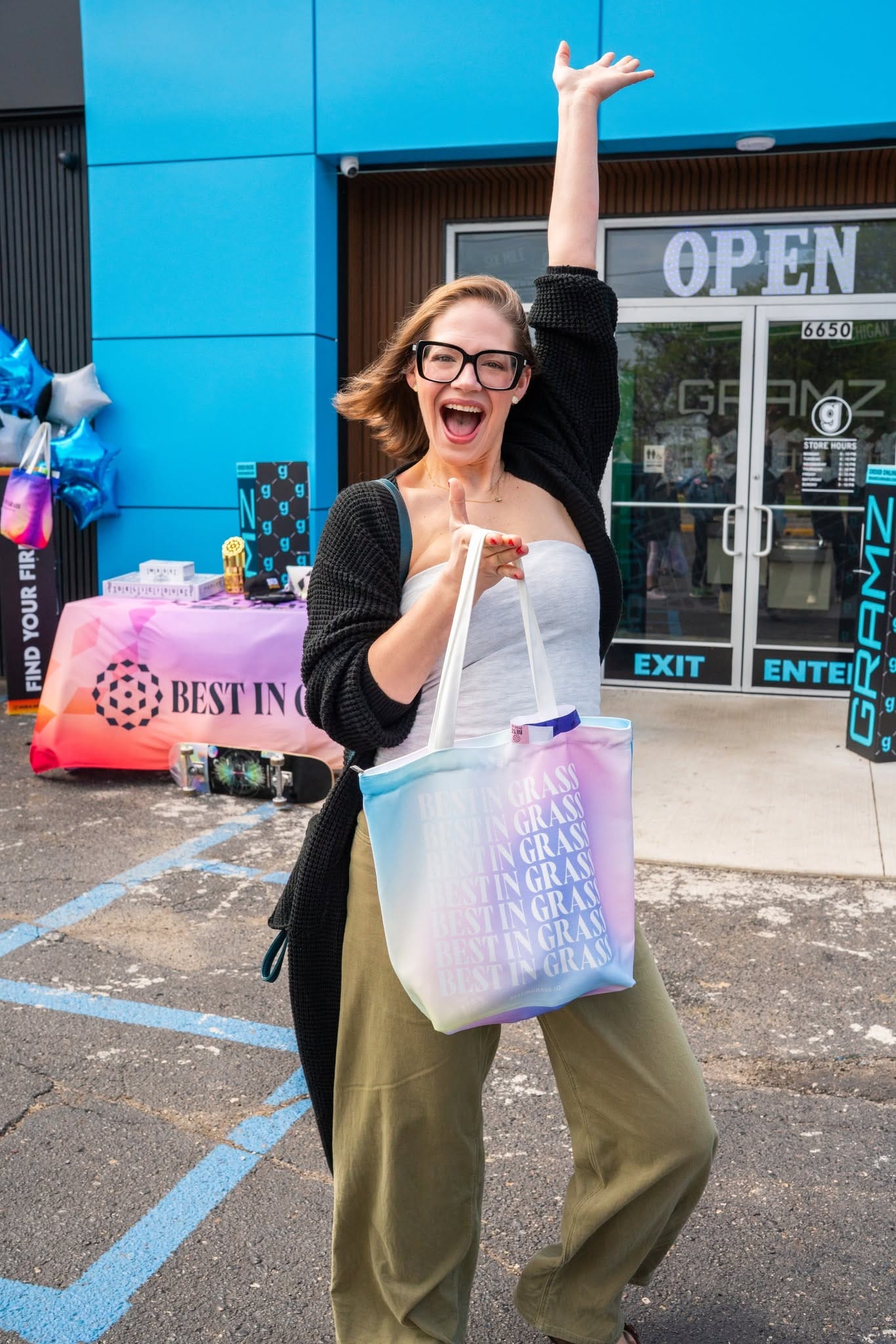
Each kit receives a unique access code tied to a single judge, preventing the same kit from being registered repeatedly or used to stack votes. Licensed cultivators and manufacturers are invited to submit products, which are then divided into category-specific kits and distributed through participating dispensaries.
And these are not little sampler bags.
Depending on the state, Best in Grass typically runs around 14 categories spanning indica, sativa and hybrid flower; traditional and infused pre-rolls; solventless products; vapes; concentrates; gummies; other edibles; beverages and syrups.
Sometimes things get weird.
“We've had pickles,” Kazinec says.
More importantly, the format gives consumers a relatively accessible way to compare multiple brands in the same category. Kazinec points to a Massachusetts rosin kit containing ten half-gram units that participating dispensaries valued around $350. Best in Grass sold it for $179.
The consumer is getting a deal. The brands are getting something potentially more valuable: direct feedback.
Judges submit their ratings and comments anonymously. Best in Grass then provides feedback reports to participating brands, giving producers a look at how their products actually landed with the people consuming them.
A smaller group of industry figures and community supporters also participate. Kazinec says those judges are chosen in part because they can provide particularly detailed product notes. California supporters have included Snoop Dogg, while New York participants include figures from organizations such as Revelry and Silk Road.
But the competition does something else unusual: it gives consumers a reason to finish the job.
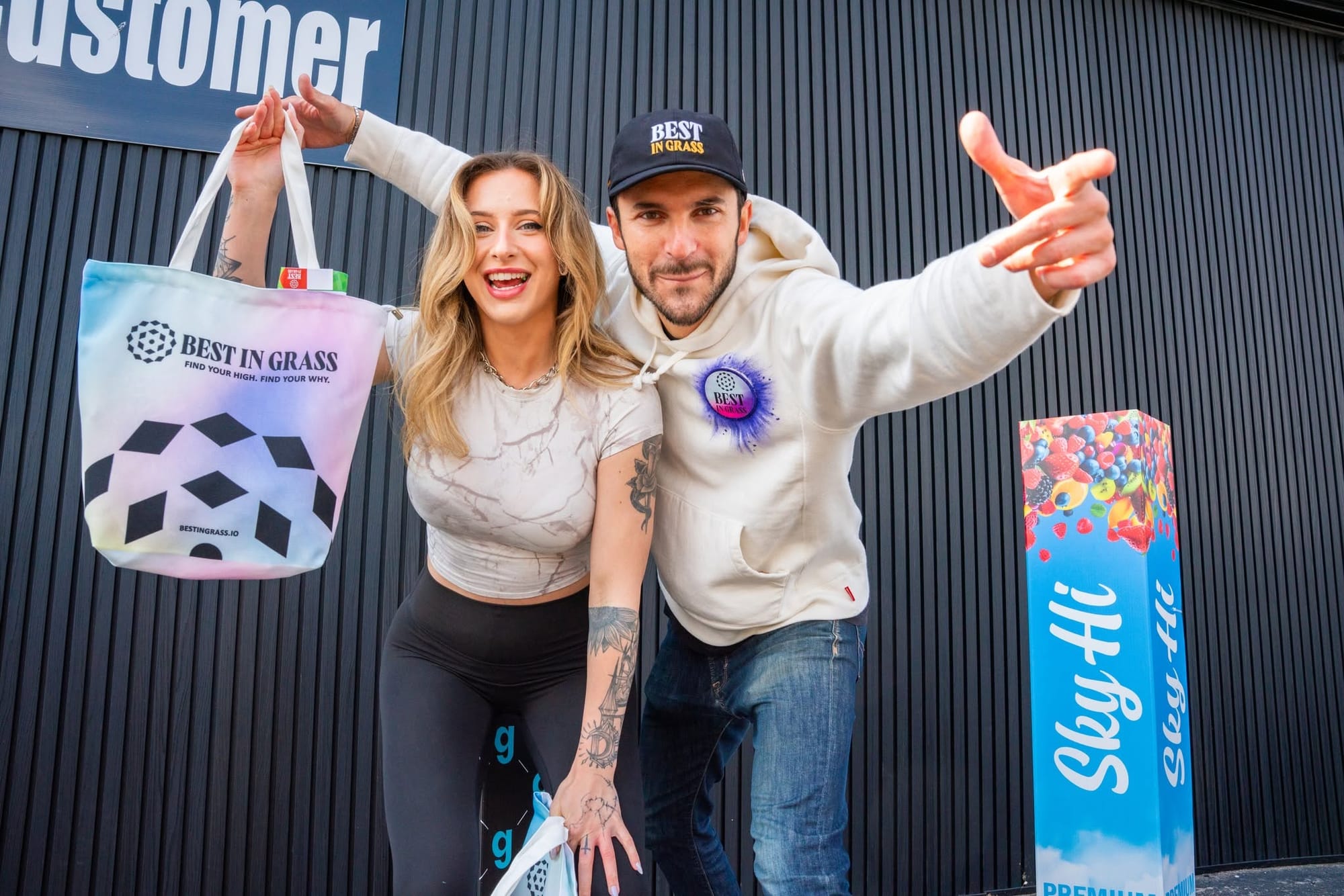
Judges who completely score their kits receive two tickets to the awards show and a dispensary credit worth 20 percent of their original kit purchase, redeemable at the store where they bought it.
Buy a $100 kit, finish judging it, and $20 goes back toward your next purchase.
Kazinec says that incentive has dramatically improved judging completion — fixing one of the very problems he encountered years earlier.
“And that is a 20% credit based on their purchase price to shop back at that dispensary,” he explains.
Then comes the fun part.
For Kazinec, the awards show is where months of testing, spreadsheets, cultivation, production and consumer opinions suddenly become human.
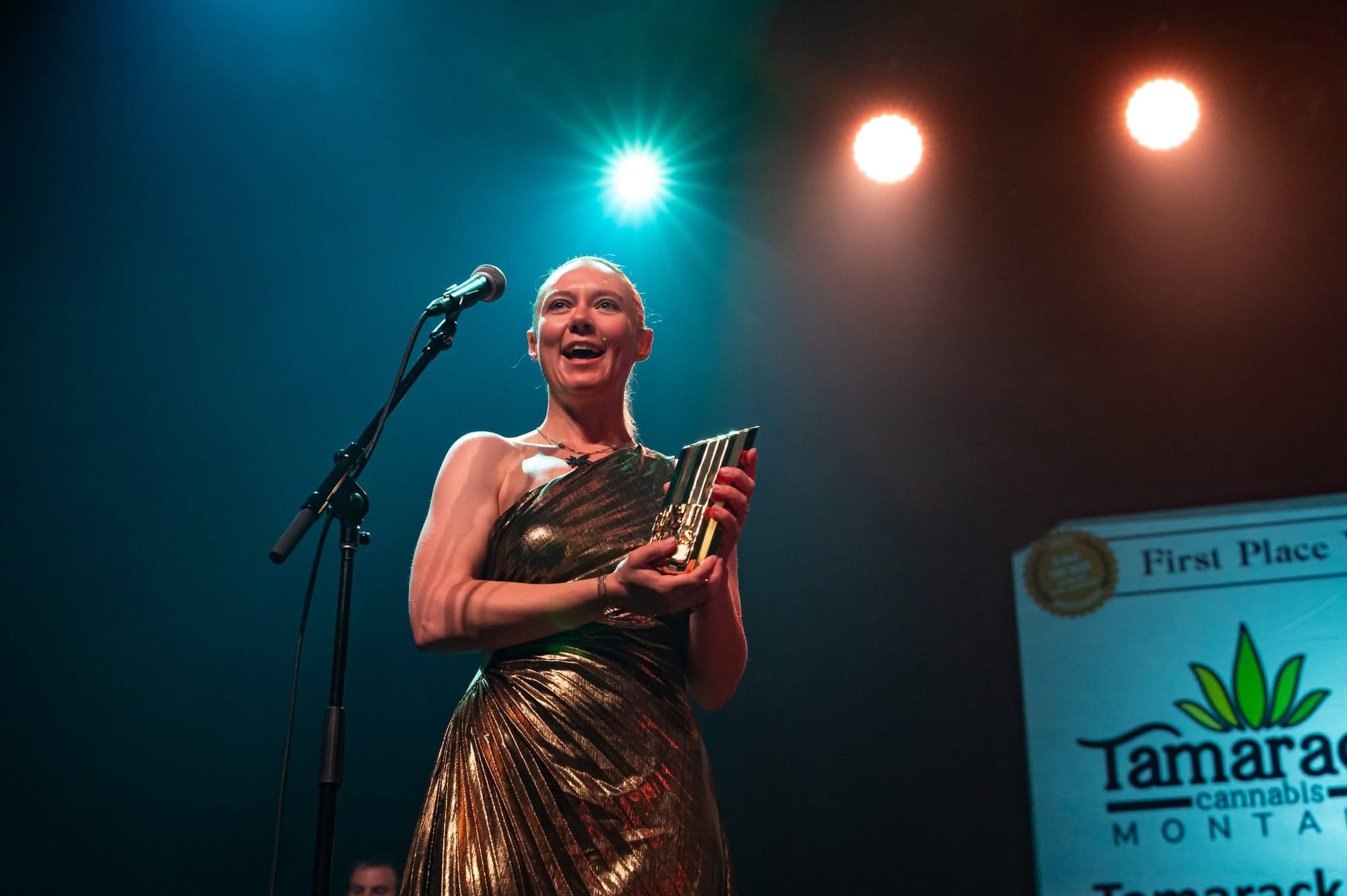
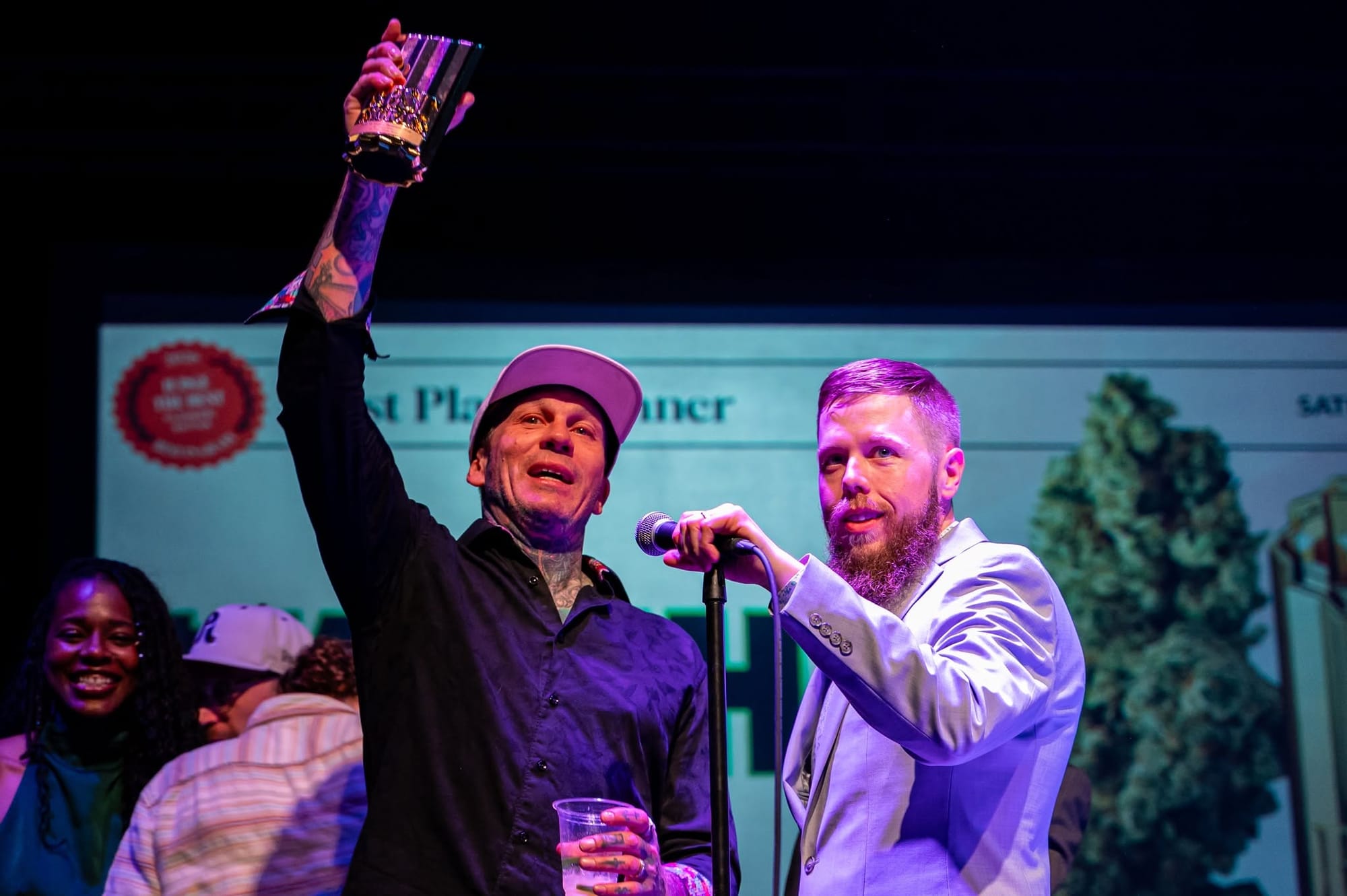
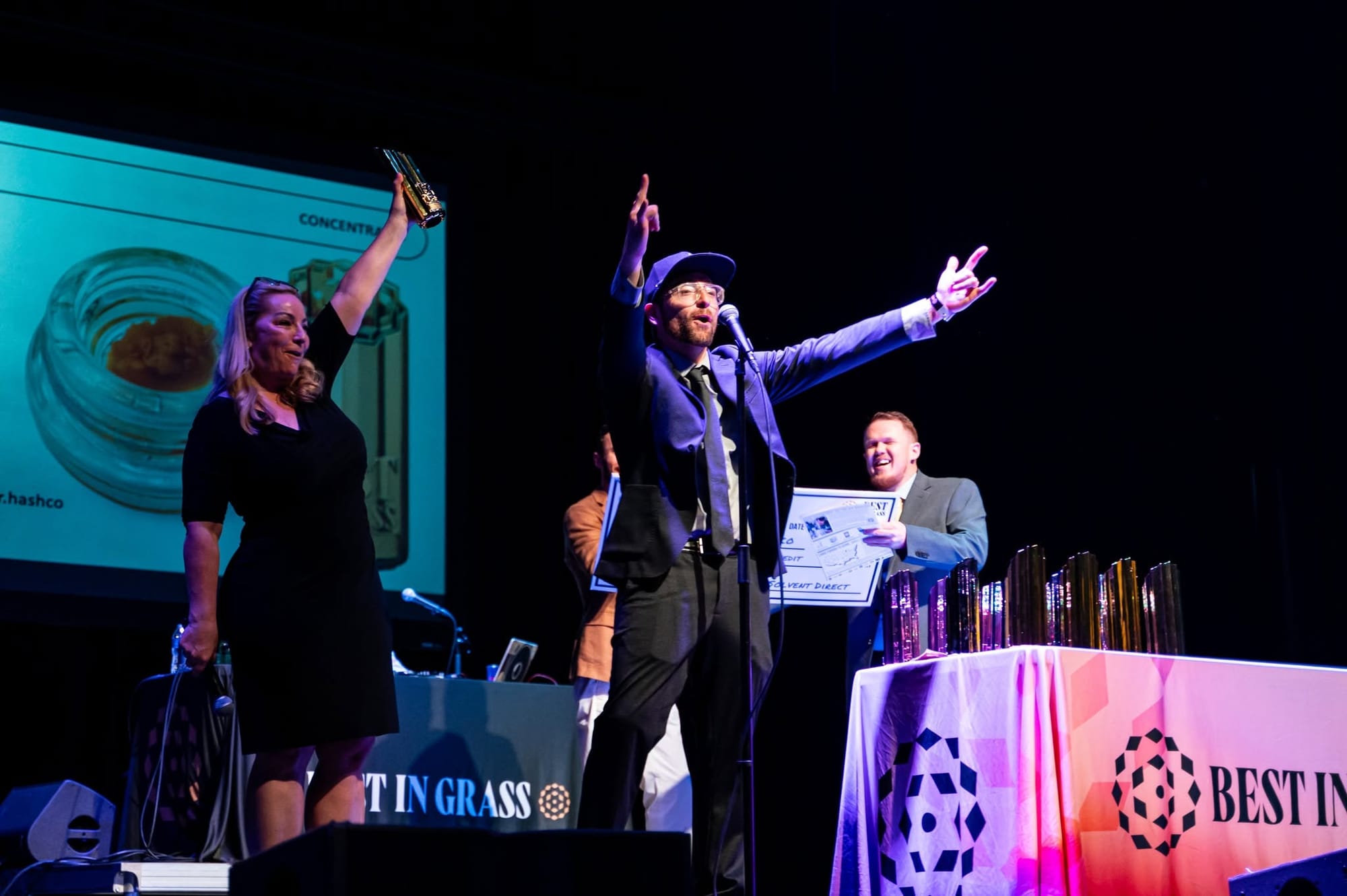
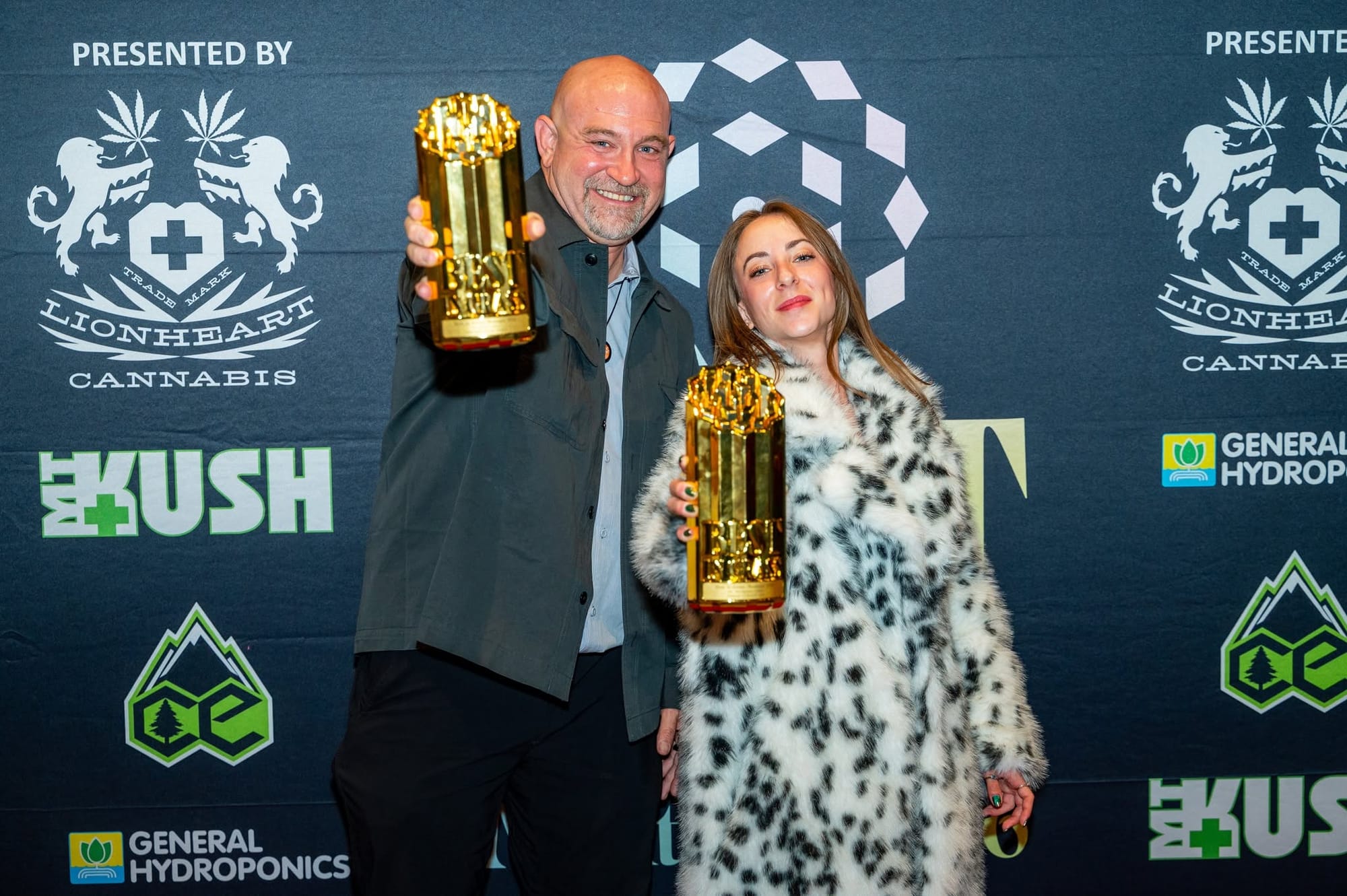
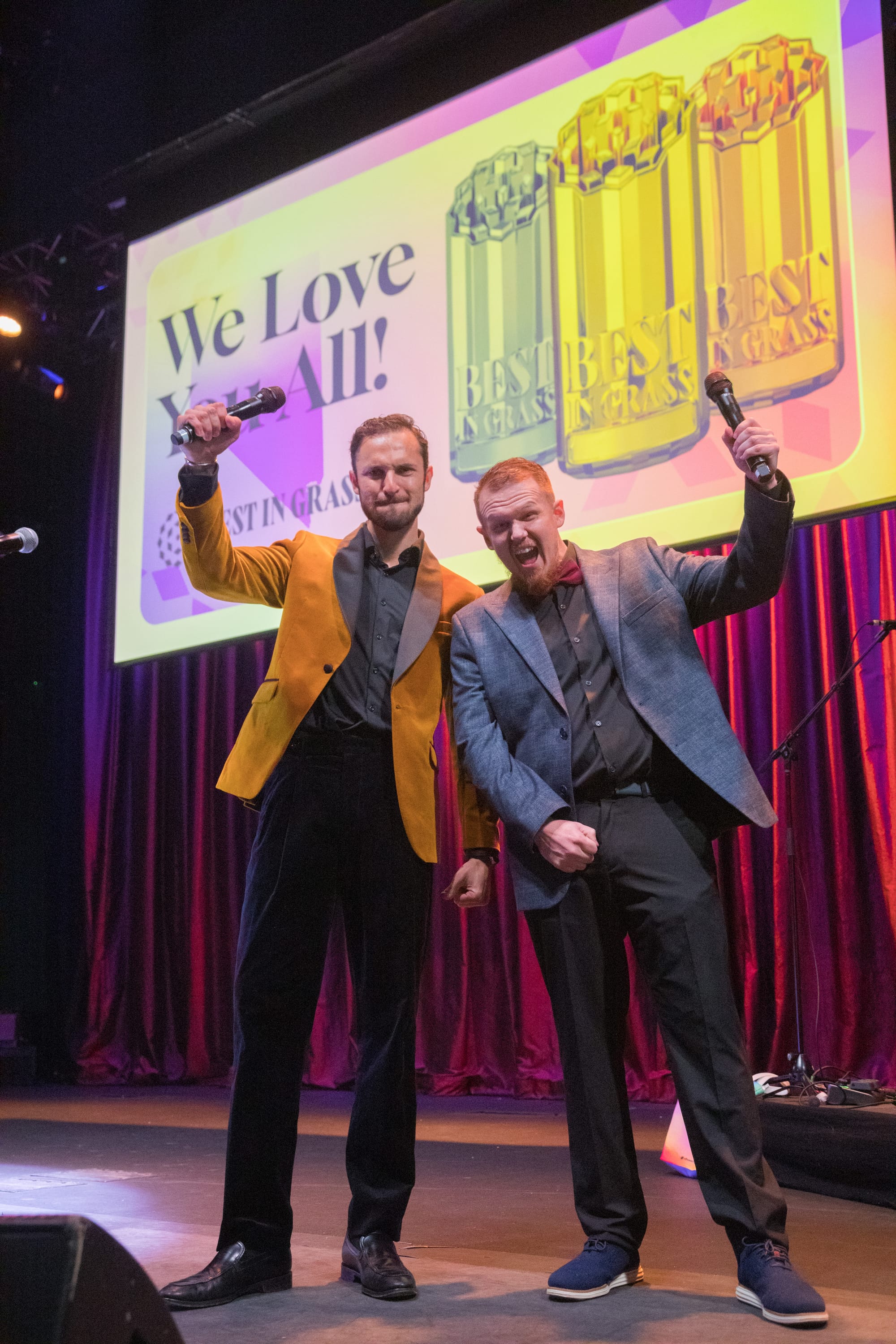
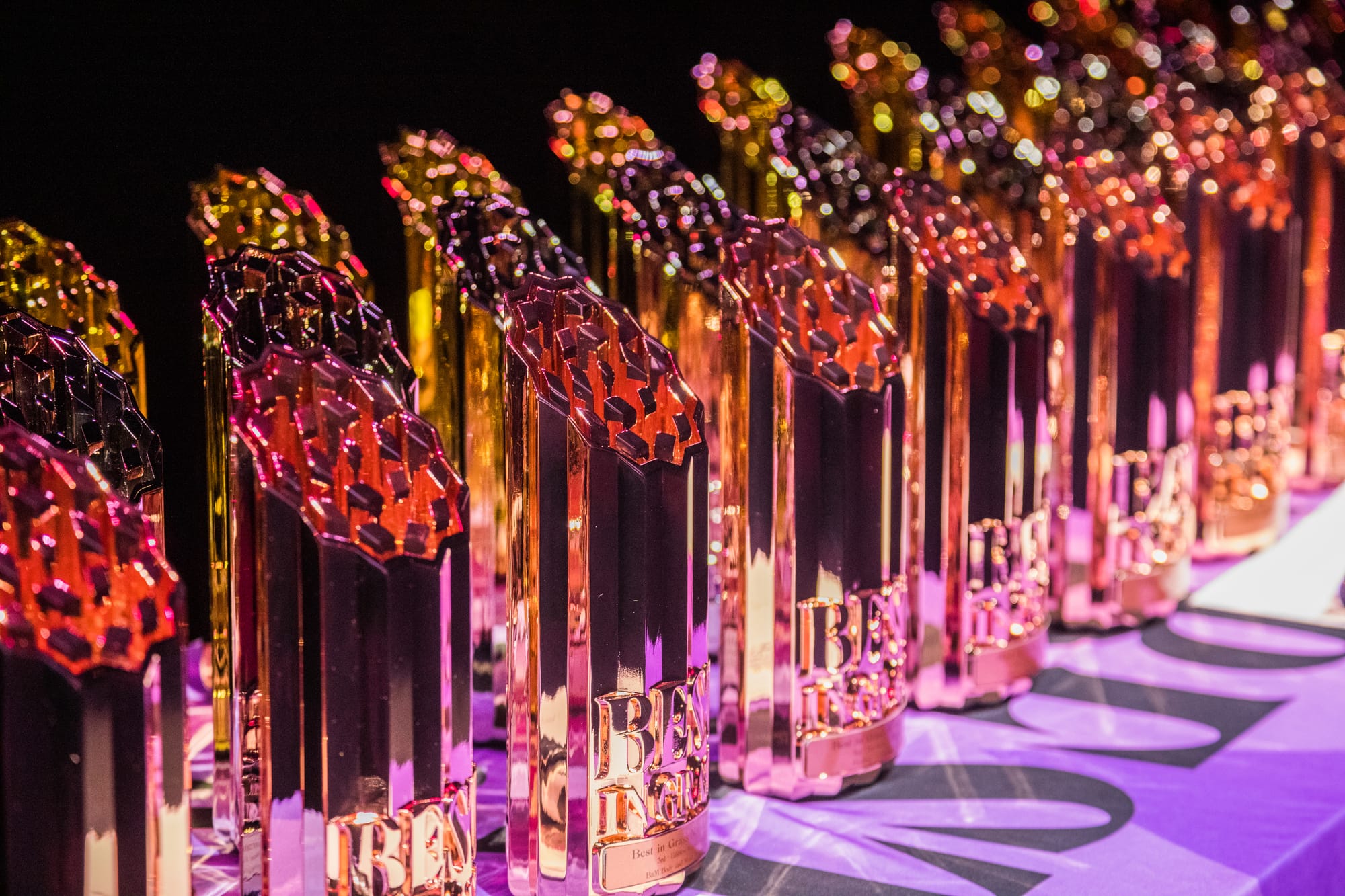
Brands show up without knowing whether they've won. Judges find themselves partying alongside the growers whose flower, hash, vapes and edibles they spent weeks dissecting. The evening is deliberately positioned less like another smoke-filled trade gathering and more like an actual awards ceremony.
Some attendees have called it the “Oscars of cannabis.”
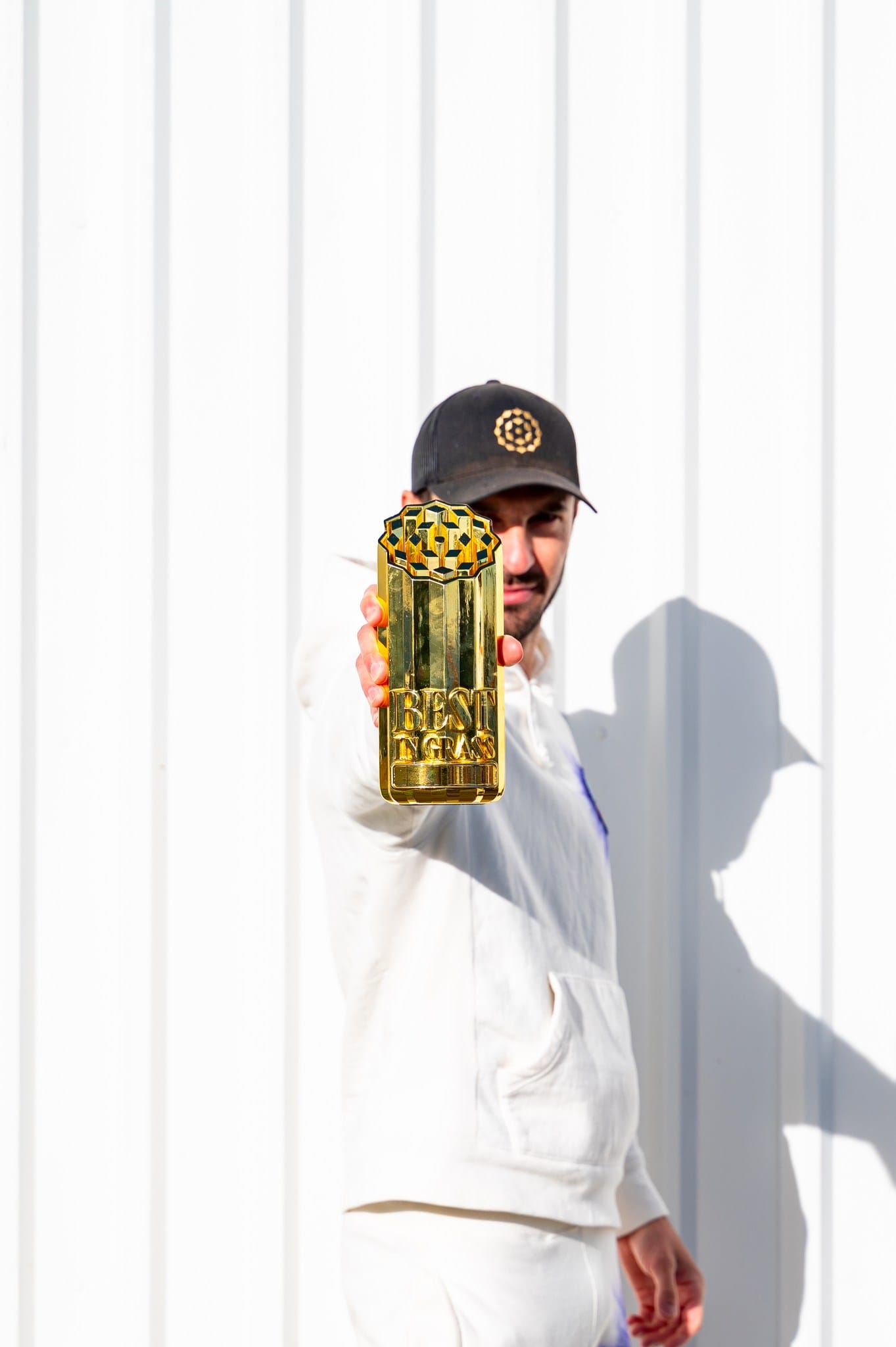
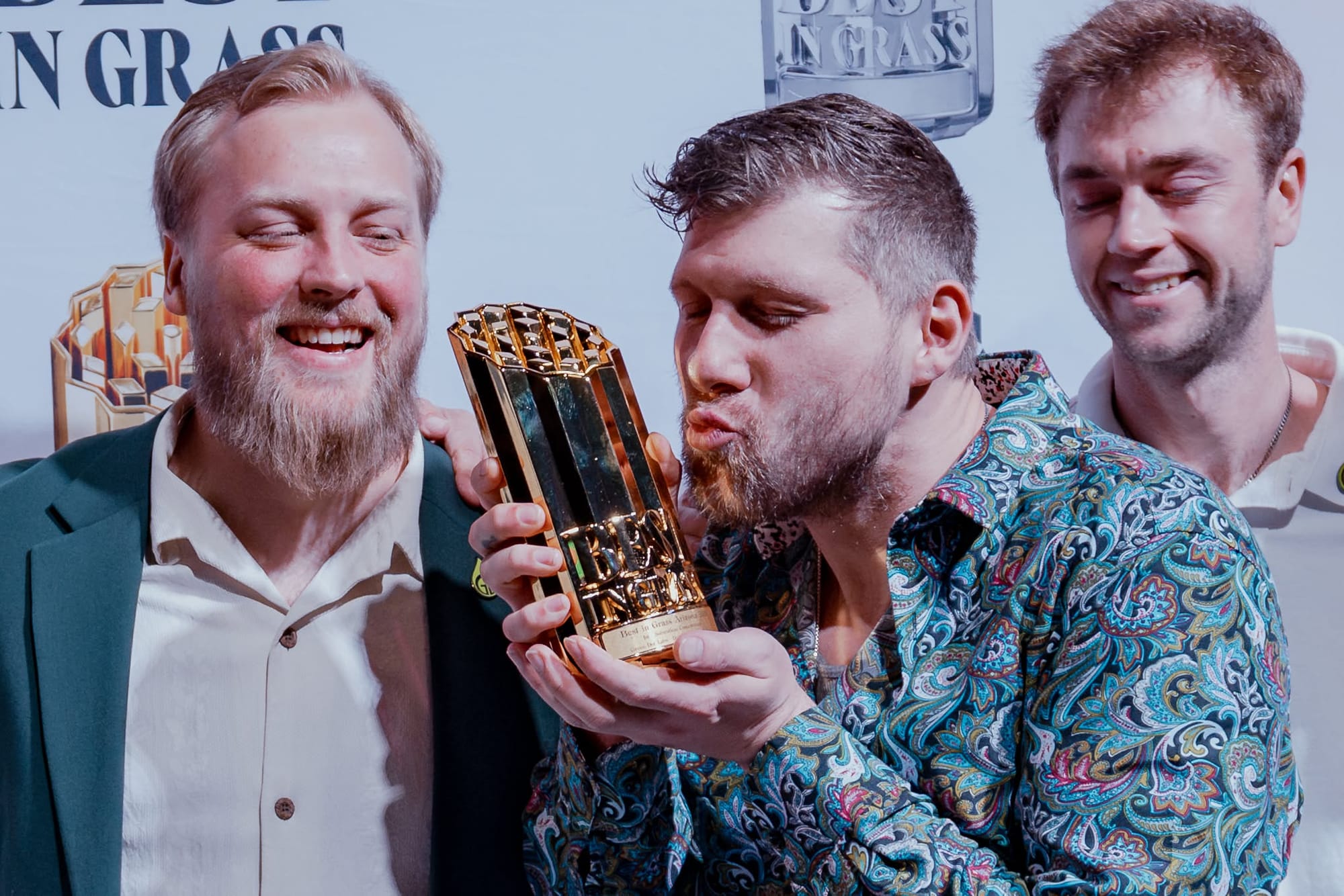
Kazinec has watched winners cry onstage.
“it's just amazing to see, you know, all these these brands and and hardworking people busting their ass and finally seeing the fruits of their labor,” he says.
That might ultimately be what makes Best in Grass interesting beyond another ranking of who grew the loudest flower this year.
The competition closes a loop that cannabis culture has historically struggled with. Growers make the product. Dispensaries put it on shelves. Consumers spend the money. But somewhere between those points, the customer’s actual opinion can disappear beneath marketing budgets, industry relationships and hype.
Best in Grass is putting the opinion back at the center.
On August 20, New York gets to see what happens when the people who smoked the weed are the ones handing out the scorecards.
For more follow https://bestingrass.io and instagram.
