
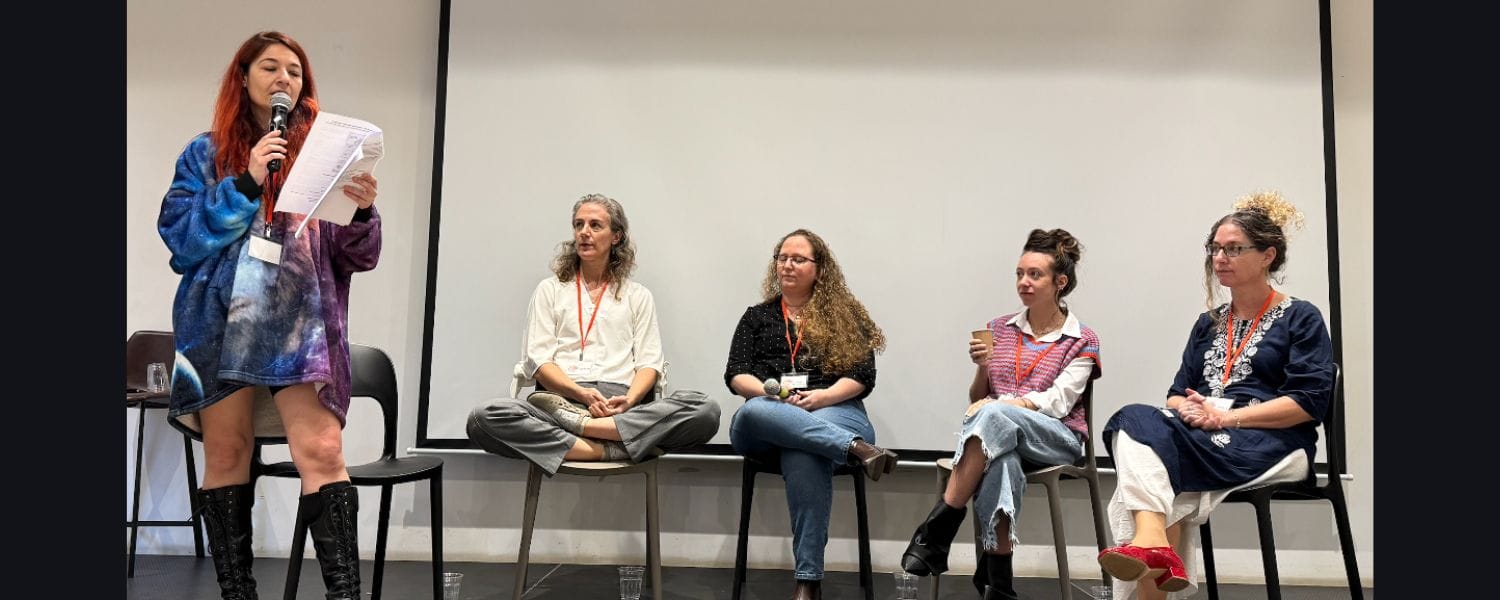

Israel’s first women-centered psychedelic conference, Marhivot Todaa, brought researchers, therapists, and cultural leaders together in Tel Aviv to examine gender gaps in research, ethics, sexuality, trauma, motherhood, and the future of psychedelic healing.
On December 12, in the middle of a season marked by grief, resilience, and global uncertainty, a sold-out room in Tel Aviv gathered for something quietly radical: Israel’s first conference dedicated entirely to women’s experiences in psychedelic spaces.
The Marhivot Todaa / Expanding Consciousness (מרחיבות תודעה) conference brought together researchers, therapists, clinicians, community leaders, and cultural workers to explore what has too often been missing from mainstream psychedelic discourse—women’s bodies, histories, ethics, sexuality, motherhood, trauma, and leadership. While open to participants of all genders, every speaker and organizer was a woman, intentionally reshaping who holds the microphone in conversations about altered states and healing.
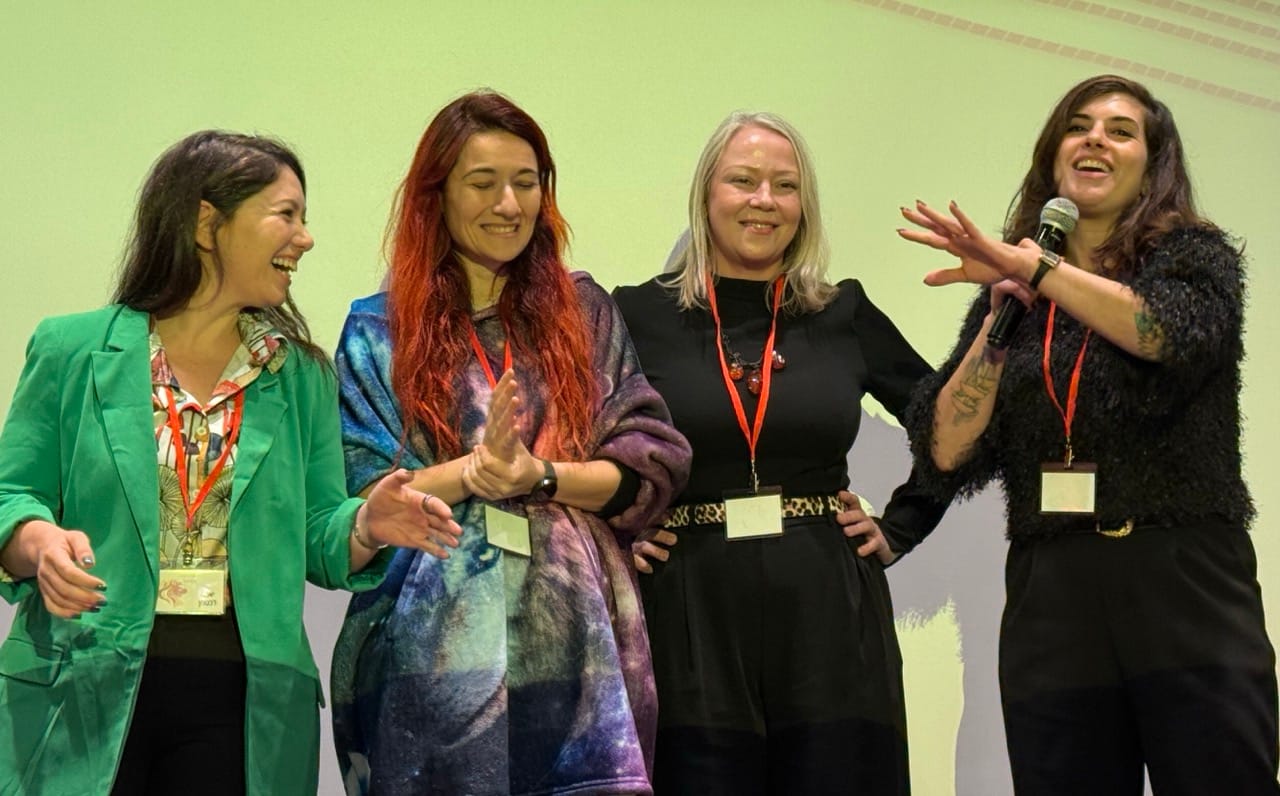
Led by Tali Avron, Dana Bar‑Zvi, Ilana Paz, and Yana Lechtmann, the conference created a space that felt both rigorous and intimate—scientifically grounded, emotionally fluent, and culturally aware.
Caption under first photo: Yana Lechtmann, Dana Bar‑Zvi, Ilana Paz, and Tali Avron, the conference organizers.(Photo credit: Adriana Kertzer.)
Beyond the Mainstream Narrative
From the opening moments, it was clear this wasn’t a typical psychedelics conference dominated by protocols, molecules, or heroic myths. Instead, the conversations centered on lived experience and structural gaps.
Tali Avron addressed one of the field’s most persistent blind spots: the historical exclusion of women from clinical trials. Female biology has long been treated as a “confound,” resulting in protocols built around male bodies and narratives. Avron argued that without sex‑ and gender‑informed research, it’s impossible to fully understand set, setting, safety, or outcomes in psychedelic therapy.
Yana Lechtmann reframed psychedelic history itself, tracing the overlooked contributions of women researchers, healers, artists, and teachers who helped shape the movement long before its current renaissance. Her opening talk positioned the conference as an act of historical correction as much as a forward‑looking dialogue.
Ethics, Sexuality, and the Body
Several sessions moved directly into territory often avoided—or sanitized—at larger conferences.
Ilana Paz explored the intersection of psychedelic experience and women’s sexuality, examining how altered states can surface deeply embedded cultural narratives around pleasure, shame, trauma, and intergenerational memory. Her talk addressed not only the healing potential of these experiences, but also the ethical complexities around boundaries, vulnerability, and consent.
Ethics took center stage in Ayelet Cohen Vider’s lecture on safeguarding in psychedelic psychotherapy. Drawing from ancient philosophy and contemporary feminist thought, she examined differing moral frameworks—justice, care, and compassion—while confronting uncomfortable realities, including therapist misconduct, survivor coping strategies, and the dual promise and risk inherent in consciousness‑expanding treatments.
Motherhood, Voice, and the Feminine Container
The conference also expanded the definition of what psychedelic experience can look like.
Tamar Amit’s “The Psychedelic Womb” introduced the idea of a womb‑like therapeutic container—one shaped by feminine qualities of holding, attunement, and emergence. Integrating psychoanalysis, shamanic practice, and clinical examples, Amit reframed leadership in psychedelic spaces as an act of containment rather than control.
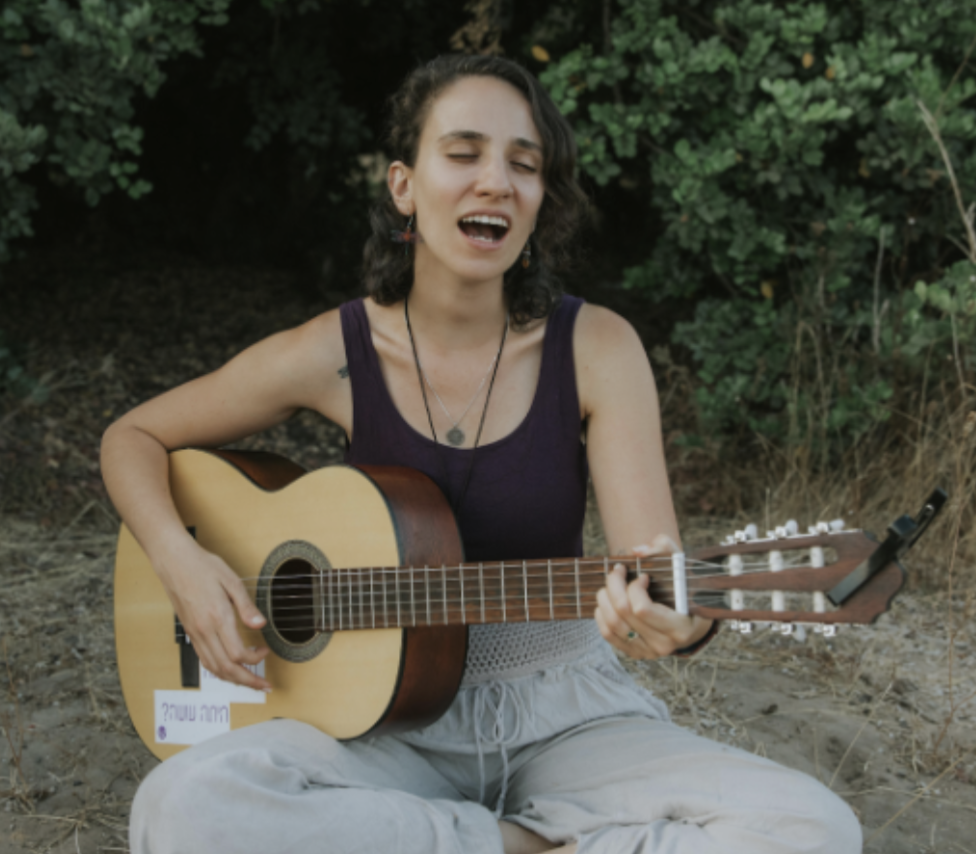
Mayan Bar‑Oz Adler explored the parallels between early motherhood and psychedelic states, both of which involve surrender, ego softening, and relational oneness. Through personal vignettes, she examined how psychedelic experiences may prepare women for the profound dissolution and responsibility that comes with caring for new life.
The day also included an experiential singing workshop led by Noy Saya, where breath, voice, and collective resonance turned theory into felt experience—reminding attendees that integration isn’t always cognitive.
Trauma, Survival, and Lived Truth
Some of the most powerful moments came from speakers whose work is inseparable from recent history.
Ruth Palmon shared her experience attending one of the gatherings near the Gaza envelope on October 7, and the realization that surviving mass trauma required an equally transformative approach to healing. Her path led her to psychedelic‑assisted therapy at Shaare Nefesh Ketamine Clinic at Shaare Zedek Medical Center.
Dana Bar‑Zvi spoke candidly about receiving psychedelic‑assisted therapy for PTSD and how that experience now informs her work refining treatment protocols to make them safer for both patients and therapists—bridging personal survival with institutional responsibility.
Rabab Alman, an DruzeArab Israeli participant, added an essential perspective rooted in lived experience. She shared a personal healing journey from severe depression to consciousness awakening, examining parallels between natural psychedelic states and psychological healing processes—demonstrating how opening consciousness can occur without external substances through surrender to mind, body, and spirit.
A panel on “Women in Psychedelics: Challenges and Achievements” brought together Keren Tsarfaty, Michal Dobrovinsky, Ruth Palmon, Paula (Shirley) Berman, Ruth Palmon, and Dana Bar‑Zvi. Together, they spoke about women’s roles across psychedelic research, therapy, and culture—covering representation, training, safeguarding, equity, and field‑building. Panelists shared personal experiences, practical lessons, challenges, and wins from their work, while addressing how to build a field that does not replicate existing power imbalances.
Building an Expansive Psychedelic Future
Between sessions, the energy was just as important as the content. Conversations unfolded in hallways and over coffee, where online connections became embodied relationships. The venue—airy, modern, and intentionally designed—mirrored the conference’s ethos: openness without spectacle, seriousness without rigidity.
In a moment when Jewish communities worldwide are navigating grief, fear, and resilience, Marhivot Todaa offered something quietly defiant. Not escape, but expansion. Not denial, but depth. It also stood as a symbol of how Jewish communities have become more interconnected after October 7, with diaspora plant‑medicine advocates proactively finding ways to support their Israeli sisters.
Adriana Kertzer, a cultural producer, lawyer, and advocate for plant medicine in contemporary Jewish culture, traveled to Israel specifically to support the conference. Since October 2023, Kertzer has expanded her role as a community organizer, connector, and risk‑reduction advocate in the emerging field of Jewish psychedelia. “I wanted to make sure Israeli researchers and activists knew they were supported,” said Kertzer. “It was an honor to dedicate several editions of my Jewish Healing Society newsletter to promoting the event and its organizers.” The Jewish Healing Society is a project Kertzer launched in the wake of October 7 to foster a supportive environment for Jews in psychedelic science.
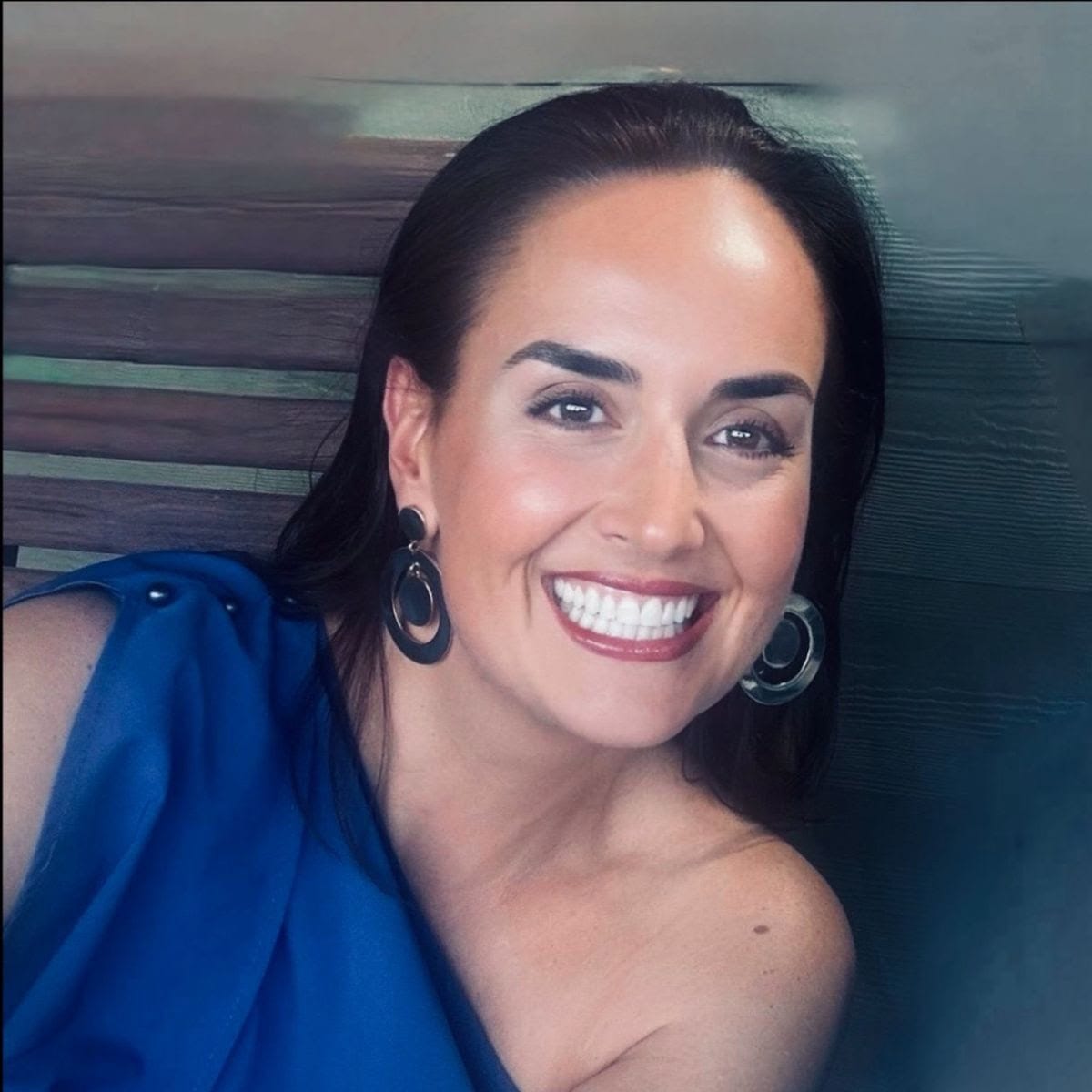
“I had an incredible time at the women’s psychedelic conference and left feeling energized and inspired by the entire experience,” Kertzer added. “The breaks between lectures were just as valuable as the sessions themselves—watching connections form organically and finally meeting face‑to‑face with people I’d only known through screens added such warmth and depth to the gathering. The venue itself was absolutely perfect, and I especially appreciated how presenters wove humor into their serious topics, keeping the atmosphere both informative and genuinely enjoyable.”
The conference wasn’t about chasing transcendence. It was about building containers strong enough to hold truth—and futures expansive enough to include everyone who has been left out.
What’s next: The organizers have announced plans for upcoming webinars, in‑person gatherings, and additional initiatives over the coming year. A dedicated WhatsApp group focused on women’s experiences in psychedelic spaces and an updated mailing list webpage are also set to launch soon. For updates, visit
For more visit https://jewishhealingsociety.org
