
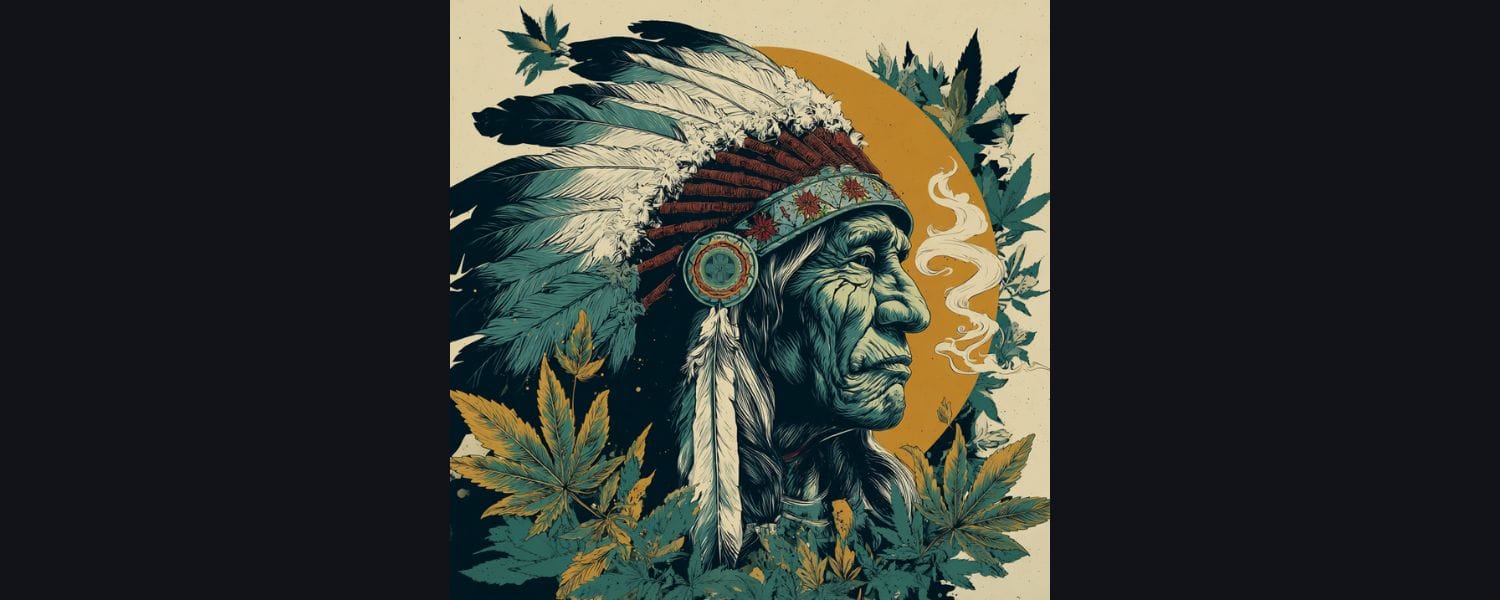

When it comes to cannabis, there’s a lot going on in Wisconsin. In fact, our beautiful midwestern state has become a legislative battleground over the cannabis issue, and it’s Indigenous communities and tribes who are fighting the good fight for progressive legislation.
Indigenous people are uniquely invested in the issue, given our long histories with plant-based medicine, and our sovereign rights to self-regulate in the cannabis space. For Indigenous communities, cannabis represents opportunities for both community wellness and sustainable economic opportunities.
Currently, both medical and recreational THC are illegal in Wisconsin despite strong public support for legalization. A patchwork of local ordinance decriminalization and the legal gray area of the hemp-derived THC loophole serve to confuse the issue, which has aptly been described as “clear as mud.” Add Tribal regulation into the mix and you have a veritable labyrinth of legislation.
Amidst federal revisions, the state is moving toward refining hemp policy through a medicinal lens rather than outright prohibition, a hopeful sign when comprehensive, statewide medicinal cannabis regulation is both necessary and overdue for veterans, those with PTSD, those suffering from conditions like epilepsy, and other vulnerable individuals in our state, both Indigenous and non-Indigenous.
Recently, State Senator Patrick Testin, alongside Republican Tony Kurtz, introduced S.B. 682, which proposes age restrictions, independent testing requirements, beverage potency limits, and truth-in-labeling guidelines for hemp-derived products. The bill is currently under consideration.
Indigenous Cannabis Organizing in Wisconsin
Founded in Wisconsin, the Indigenous Cannabis Industry Association (ICIA) is a national nonprofit that explores, develops and advances the cannabis and hemp industries for the benefit of all Indigenous communities. ICIA is dedicated to the advocacy and empowerment of our Indigenous cannabis businesses, influencers and aspiring entrepreneurs along with fostering connection and access to data for Indigenous Nations as we push towards a vision of an equitable, just, and sustainable Indigenous cannabis economy.
In 2023, with the support of the ICIA, I worked with Tribal leadership across the state to launch the Wisconsin Tribal Task Force on Cannabis to promote the accessibility of plant medicine in Wisconsin
In 2024, we launched Wisconsin Wellness, a campaign that advocates for the legalization of Medical Cannabis in our home state. The campaign encourages Wisconsin voters to choose healing over harm, hope over fear and wellness for all by voting “yes” to medical cannabis. The Wisconsin Wellness Campaign is focused on community health and based on an urgent need to increase accessibility to plant medicine, and in 2026, it’s still very relevant. The campaign continues to engage with legislators and the public, advocating for access to plant-based medicine for those who need it most.
Federal Rescheduling
The U.S. Drug Enforcement Administration’s (DEA) intent to reclassify marijuana as a less dangerous drug, to Schedule III, is a significant step in policy toward destigmatization of plant medicine and the empowerment of Indigenous communities. However, the post-prohibition landscape is sure to present both opportunities and challenges.
The opportunities? Tribal sovereignty allows Indigenous communities to shape the cannabis industry in alignment with our cultural values and economic aspirations, paving the way for sustainable growth and generational prosperity. We can lead the way in compliance and policy, while cultivating economic growth that will serve generations to come.
The challenges? Rescheduling presents potential for exploitation and external influence, especially as the industry intersects with global commerce and trade platforms.
But together, we can thrive. The Wisconsin Tribal Task Force on Cannabis and the ICIA believe that intertribal unity around the cannabis issue is essential to protecting our interests and asserting our power as sovereign nations. By coming together as a strong, cohesive community, we can use our collective voice to shape the regulatory landscape, advocate for our rights, and ensure that our communities benefit equitably from the cannabis industry.
Rescission of Federal Funding De-Freeze
We were glad to see the White House Office of Management and Budget rescind their memo freezing federal funding late last year. The un-freeze was a necessary correction to a reckless policy that created immediate uncertainty and potential harm to Indian Country. However, we hope that tribal nations across the United States consider it a wake-up call—our communities can’t afford to be at the mercy of shifting federal policies that threaten essential services, treaty obligations and economic stability.
ICIA was founded on exploring and implementing self-reliant economic revenue streams that ensure financial sovereignty for our people, outside of gaming and outside of reliance on federal funding. The abrupt back-and-forth of the recent federal funding freeze highlighted the urgent need for tribes to strengthen their own financial security by investing in emerging industries, like cannabis and hemp, where we hold unique advantages as sovereign nations and have opportunities to build thriving, self-sustaining economies.
All Eyes on Wisconsin
Amidst federal rescheduling and THC reform, and state inaction when it comes to medicinal marijuana access, Wisconsin’s Indigenous communities are advocating for community wellness and sensible policies for all, while exercising their sovereign rights to regulate cannabis on their own lands.
At ICIA, we’re staying informed, staying coordinated and staying focused on the long-term goal of meaningful medicinal cannabis access for Wisconsin patients. We believe in a future where Wisconsinites can safely and reliably purchase cannabis products for natural wellness, and responsible producers can thrive.
In the meantime, we encourage anyone who believes in the healing power of cannabis to use their voices in support of much-needed access, responsible policy and community health.
— Michael Decorah Senior Intergovernmental Affairs Specialist, St Croix Chippewa Indians of WisconsinFounder, Wisconsin Tribal Task Force on CannabisBoard Member, Indigenous Cannabis Industry Association
About Indigenous Cannabis Industry Association
This Honeysuckle column is provided by the Indigenous Cannabis Industry Association, and powered by THC Magazine. As the leading nonprofit organization dedicated to Indigenous cannabis, ICIA exists to promote the exploration, development, and advancement of the cannabis industry for the benefit of all Indigenous communities as we push towards a vision of an equitable, just, and sustainable Indigenous cannabis economy. To learn more about ICIA’s strategic vision and priorities, visit indigenouscannabis.org.
