
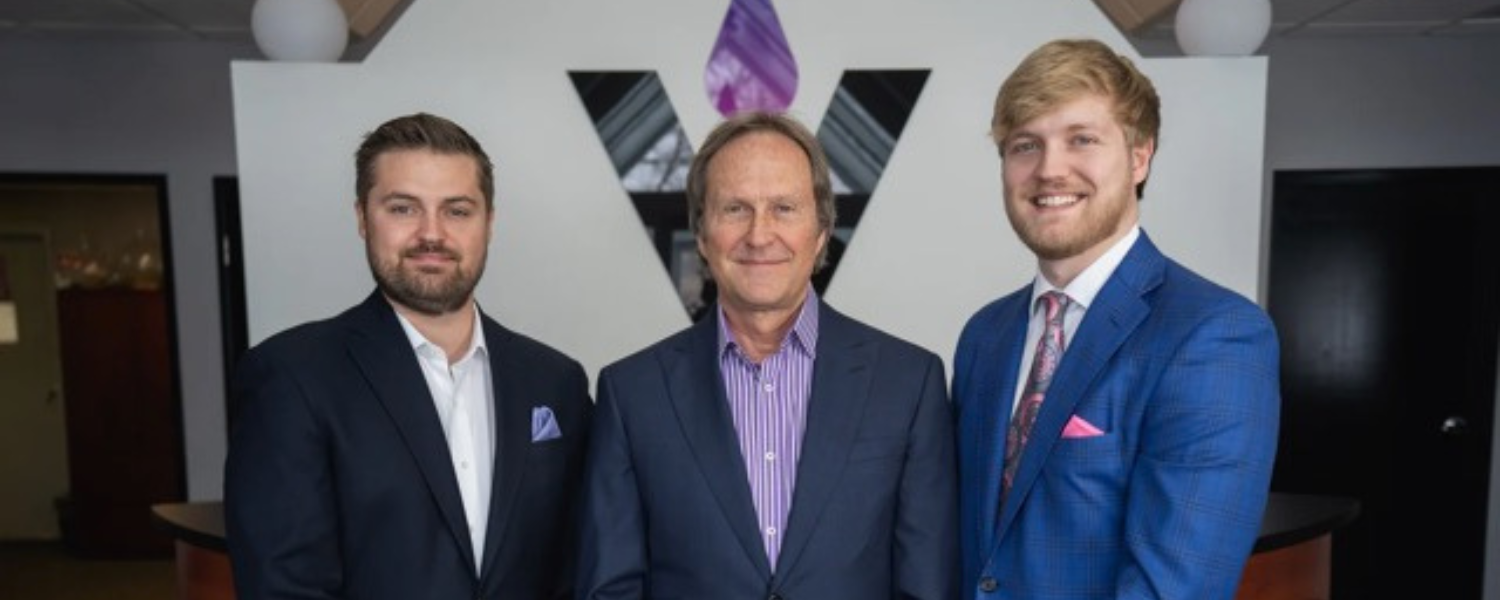
Willy Vlasic isn’t talking like a guy trying to borrow credibility. He talks like someone who grew up inside a legacy (in his case, the family behind the world’s most popular pickle brand) and still had to fight his way into the room. Today, Willy’s fight has a footprint: “Our CBD brand, Vlasic Labs, is based in Michigan and available in 46 states with our dog treats and creams being most popular. And we also sell cannabis in Las Vegas and Missouri under the Vlasic Flower brand.”
But to understand how the Vlasic family name ended up on those jars and tinctures, you have to start where the name came from — and the kind of hustle it was built on.
“My great-grandpa Joseph started the pickle brand from nothing,” Willy says. “He was a poor immigrant from Croatia, who moved to Detroit when he was seven.” The story is pure early-American grind: “He started delivering milk and cheese with a horse and carriage. And as his business grew, so did the auto industry, enabling him to buy his first truck.” It wasn’t branding at first — it was survival, repetition, and momentum.
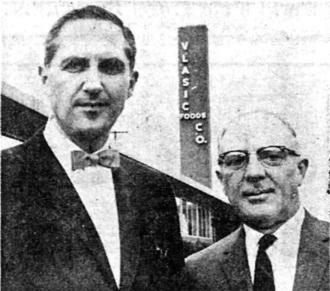
Then came the bet that changed everything. “He bought a sweet, crunchy pickle recipe and put our name on it,” Willy says. The family’s original Croatian name got a pronunciation change too: “Vlassich was our Croatian name. And he called it Vlasic to make it sound more American.”
That first pivot from dairy to pickles turned a small business into a midwest powerhouse with distribution and innovation leading the way. “At the time, pickles were delivered to your doorstep like milk, but with a truck fleet at his disposal and the new hot-packing process, our pickles stayed fresh longer. This invention brought pickles into supermarkets in bulk for the first time.”
“After World War II, great grandpa Joe passed the torch to my grandfather, Robert. My grandfather's the one that really took it national. His decision to be the first pickle company spending serious marketing dollars was instrumental. Especially, launching the Vlasic Stork in 1974,” Willy says, shouting out the brand’s memorable mascot.
Within four years, Vlasic had 20% of the national market share and sold the company in 1978 to Campbell Soup. “After that, my grandfather served as chairman of the board for Campbell.”
So when Willy says he didn’t need cannabis, he means it. “We sold the pickle company almost 50 years ago [Vlasic is now owned by Conagra Brands] and the family did really well to diversify, maintain and grow our portfolio since,” he says. “We don't need a cannabis brand called Vlasic. We don't need a cannabis company at all.”
The irony is that cannabis still pulled him in early — and it pulled him in the hard way. “I fell in love with cannabis at an early age. I was in the traditional market. Got in a lot of trouble,” he says. “Family found out. Like, ‘You're a Vlasic. What are you doing?’ ‘Selling weed!’”
There was pushback — not at the idea of him smoking, but at the idea of him selling. “My parents didn't trust me to walk the dogs because they thought I was addicted to selling weed,” Willy says. So he set out to prove he could get serious. “I quit cold turkey, passed drug tests, and took caregiver and horticulture classes. The result was permission to grow in the basement” he recalls. “When my dad saw I was serious about making a career of it, he jumped in to help.”
That “basement” chapter was his first credibility play inside the family. And it opened the door to a real run in the legal market. “I ended up applying and securing licenses when I was 22 in Michigan and became the youngest license holder in the state and could grow 6,000 plants,” he says. “I worked my way up, became the director of cultivation [at Let’s Cheef], then a sales director. We built a brand, sold it in Michigan, and then went on to build a vertical in Missouri, which we exited for eight figures last year.”

The family name still wasn’t guaranteed. It came later, during a moment when hemp economics were collapsing and the company needed a sharper identity to survive. “We started our CBD company about 5 years ago right before COVID, and after the Farm Bill [federally legalized hemp]… by the time we opened the lab, we could buy a kilo of CBD for less than we could make it,” Willy says. “We needed a strong brand, fast and we needed to pivot from ingredients to finished products or we were not going to make it as a CBD company.”
The pitch to put the family name on it sparked a war. “My partner Adam Rosenberg goes, ‘What if we call it Vlasic Labs?’” Willy says. “And my dad's like, ‘That's the best idea you've ever had and that's the worst idea you've ever had.’” Then the whiplash: “He goes to bed: ‘We have to do it. Wakes up like, “Over my dead body. We're never f****** calling this company Vlasic.’”
The only way forward was a blessing — and Willy went to the source. “We asked [my grandfather] eight times,” he says. “He said yes every time.” What mattered to the elder Vlasic wasn’t the category, but the code. “‘As long as you're doing good family business, you're taking care of your employees, taking care of your customers, and you're giving back, that's all I care about.’”
That approval didn’t just unlock the name. It raised the stakes. “We really tripled down on this failing CBD lab to try to save it. And we put our name on it,” Willy says. “We put more money into it.” The pressure was immediate: “This can't fail. We're calling it Vlasic. We need to make very high quality products and it needs to succeed.”
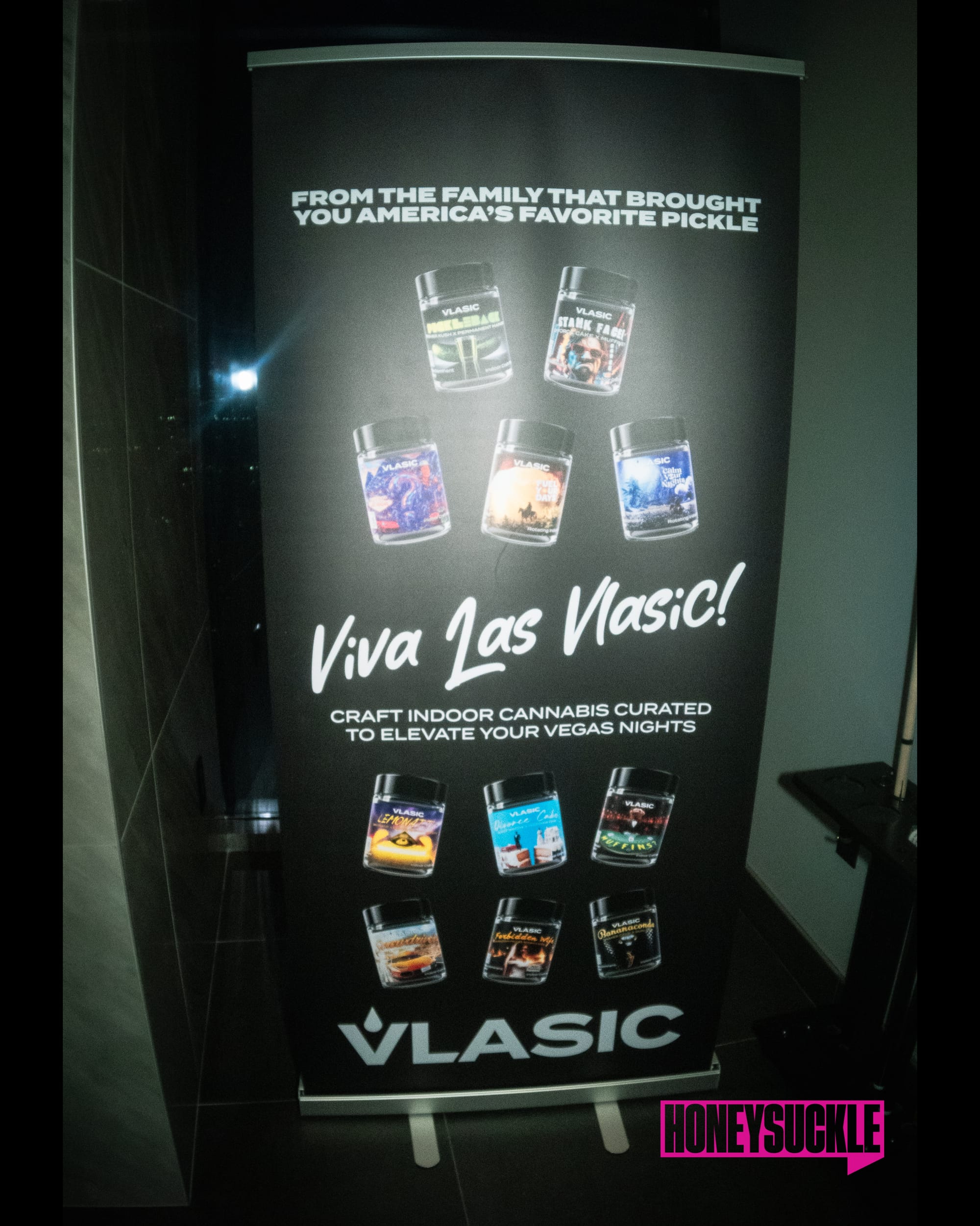
The company’s strategy since has been built around restraint, and not contaminating that legacy. For CBD, “we don't do any psychoactive products. All of our hemp products are as the Farm Bill intended,” Willy says. “We decided, ‘No, we're not going to put the Vlasic name on these products.’ We don't want to muddy the brand.” They sell psychoactive cannabis through licensed channels, he says, and they’ve kept their hemp line clean despite potential short term financial gain.
That same ethos shows up in how he talks about trust — and why their CBD works in licensed dispensaries. “We've always prided ourselves on being transparent, using state licensed labs, and putting our COAs [Certificates of Analysis] on the products. You know, we have a QR code on every product that goes straight to the COA,” he says.
Now, the legacy and the new lane sit side by side, with the family name opening doors, while their products and value close deals. “The Vlasic name is on every product,” Willy says. “And 94 million Americans still eat the pickles.” In other words: the audience is already there. The question is whether the next generation can meet the standard. For Willy, the rule is simple: “We're not going to put it on something unless it's extremely high quality and at a price people can afford.”
