
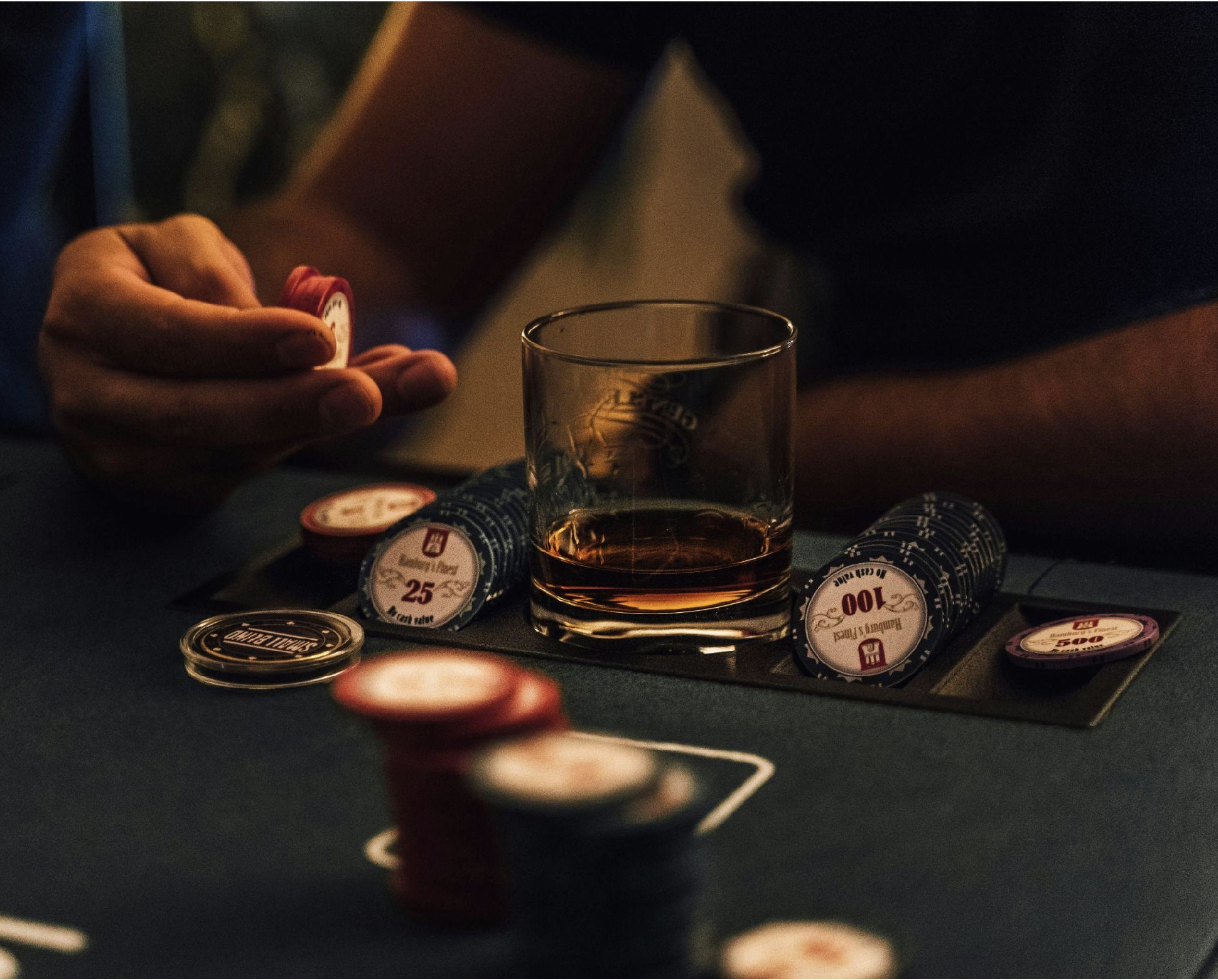

Card games have been popular around the world for hundreds of years, with various games being created and evolved in subsequent years. The seamless transition to online versions of classic card games has helped many retain their popularity, including poker.
Dating back to the early 19th century, where players compete over who has the best hand dealt to them, poker is an exciting game that combines elements of luck, skill, and psychology, and is widely regarded as the most popular card game in the world.
We explore why poker has remained so popular despite stiff competition from other card games and technological development.
Flexibility
One of the biggest reasons that poker has endured through the years is its flexibility in being able to work in any environment. It can be played at home, in casinos, in tournaments, and online, making it easily accessible for millions of players.
The iGaming industry has boomed in recent years thanks to easily accessible websites and apps, and the ability of players to enjoy Omaha, free online 3 card poker, Texas Hold'em, and other variants has been a massive boost to the game.
Online gaming has helped to bring casinos into the homes and mobile devices of millions of consumers around the world, and US bettors living in states where online casinos are not yet permitted can access offshore alternatives.
Online casinos have taken poker games to the next level, with player vs player games, AI games, and tournaments all available.
Low Entry Barrier and Learning Curve
While poker isn’t as straightforward as games like blackjack, it is still one of the simpler games for players to get to grips with. Online gaming gives players the chance to practice for free, with many sites also offering tutorials and easily accessible rules.
The Blend of Chance and Skill
Poker is a game that combines luck and skill to give everyone hope when they are playing. Luck will determine the hand a player is dealt, making it possible for anyone to win. However, skilled and experienced players can operate a long-term strategy that keeps them competitive.
The Psychological Aspect
Simply having a good hand is only part of the game of poker, and the psychological element to the game is what makes it so enjoyable. Players don’t get to see the other players’ hands, so trying to determine whether someone has a genuinely good one or is bluffing is important.
Some players will try to get other players to break by raising the stakes, hoping to flush out the players who aren’t confident they can win.
Rich Selection of Variants
There are lots of poker variants for players to enjoy, including short deck, mixed, open-face Chinese, Omaha, and Texas Hold'em, and these games also have various iterations and betting structures available. This means that the millions of poker players worldwide can find games that best suit their preferences or skill set.
It can be Social or Competitive
Poker can be played competitively online, in casinos, and in competitions, or socially online or at home. This means players can hone their skills without risk before taking on players in an attempt to win money.
Strong Mathematical Mechanics
While luck and skill play a massive part in poker games, it is underpinned by mathematics, with combinations, value analysis, optimal strategy theory, and probability that can help players get a better understanding of their chances of winning depending on their hand, the number of players, and the game variant.
Accurately predicting the exact outcome of a game based purely on one hand is not possible, but it does give the player a better understanding of their chances, especially over a long gaming period.
The Cultural Significance of the Game
Poker has achieved fame through pop culture references in movies, TV shows, songs, and video games, helping give it worldwide recognition and publicity that makes it instantly recognisable.
Conclusion
Poker is likely to remain one of the most popular card games for the foreseeable future, thanks to the factors mentioned above. Online betting has enhanced poker even further, and the game’s flexibility and adaptability mean there is a lot more to come from the world of poker.
