
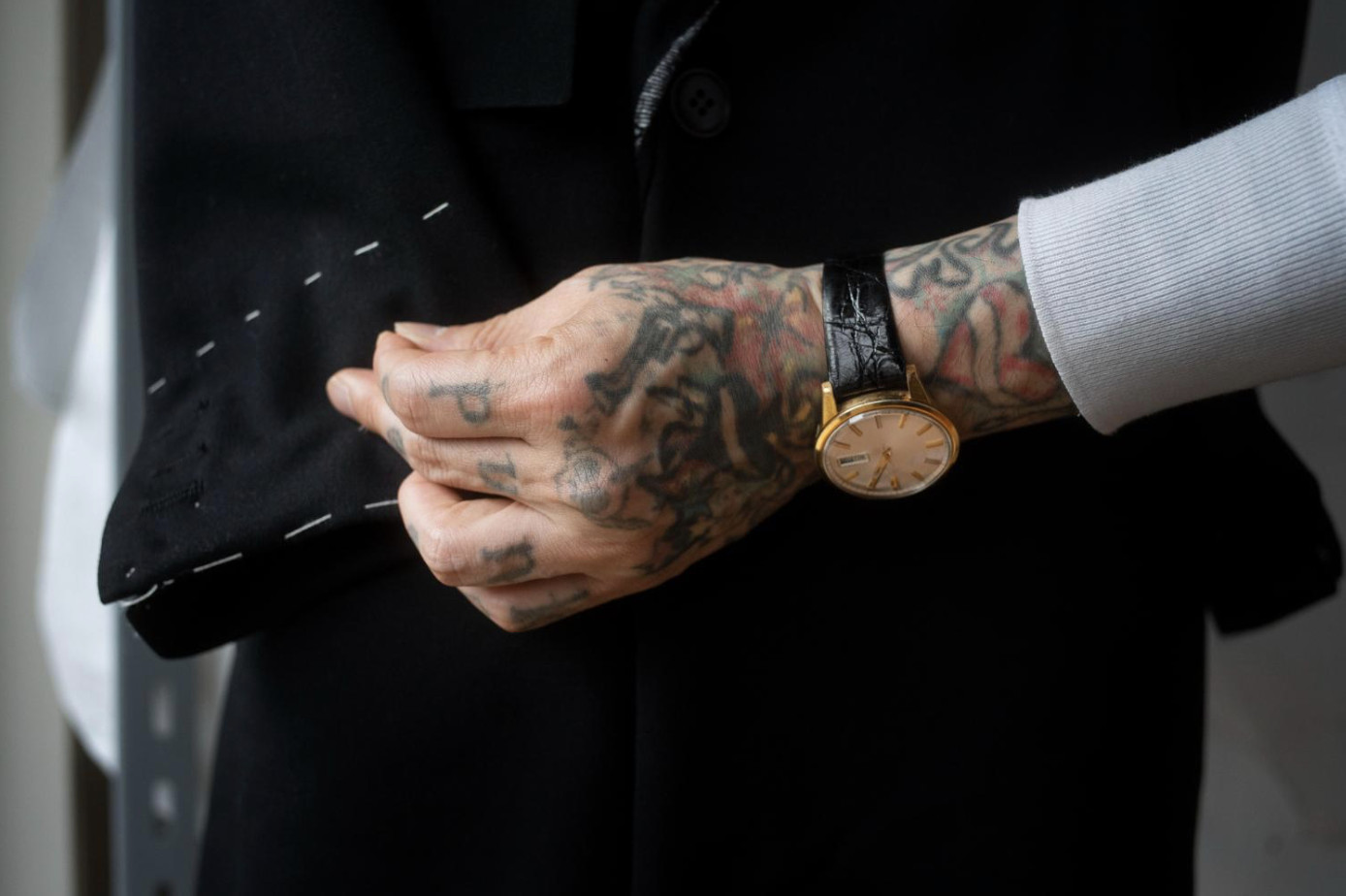

Timepieces have never just been about telling time. They are signals, sometimes subtle, sometimes bold, about status, taste, nostalgia, belonging, and identity. In certain circles, a watch is a piece of personal history; in others, a declaration of aspiration or rebellion. To outsiders, a watch may look like a simple accessory, yet within subcultures, from hip-hop and luxury streetwear to punk minimalism and indie fashion, watches become coded language.
At the same time, the democratization of style has blurred the line between exclusivity and accessibility. Some people curate expressive pieces not for spectacle, but for meaning, a quiet form of luxury. Others embrace heritage brands because they represent precision, craft, and longevity. For many, the ritual of selecting a timepiece, whether vintage or modern, is an act of self-definition, similar to how someone might explore Tudor timepieces watches on Jomashop when looking for something that feels grounded in tradition but still relevant in a contemporary wardrobe.
Subcultures do not simply consume watches; they reinterpret them. What was once a rigid hierarchy of quartz versus automatic, steel versus gold, luxury versus functional, now shifts based on symbolism rather than pricing alone.
Class, Access, and the Semiotics of Style
The first thing watches often reflect is class, but not always the class someone has. More often, it’s the class someone aligns with. In subcultures that challenge traditional class mobility, style becomes the language through which power is reclaimed. Watches sit in that space, where both their function and their symbolism can shift depending on who wears them and why. Someone browsing new accessories may choose something understated yet authentic, similar to how one might find Seiko watch deals at Jomashop because affordability does not negate craftsmanship, especially within style ecosystems where authenticity matters more than price tags.
Mainstream fashion media often treats luxury watches as trophies, awarded once a person has “made it.” But in many subcultures, watches are not signals of arrival; they are signals of philosophy. A punk musician wearing a battered steel case watch is making a choice as intentional as a rapper wearing a diamond-encrusted bezel.
Authority research in cultural sociology supports this. The American Sociological Association has explored how material goods function as “identity markers of in-group belonging rather than markers of economic mobility.”
In other words, style expresses values, not just financial position.
Streetwear and Hip-Hop: Luxury as Storytelling
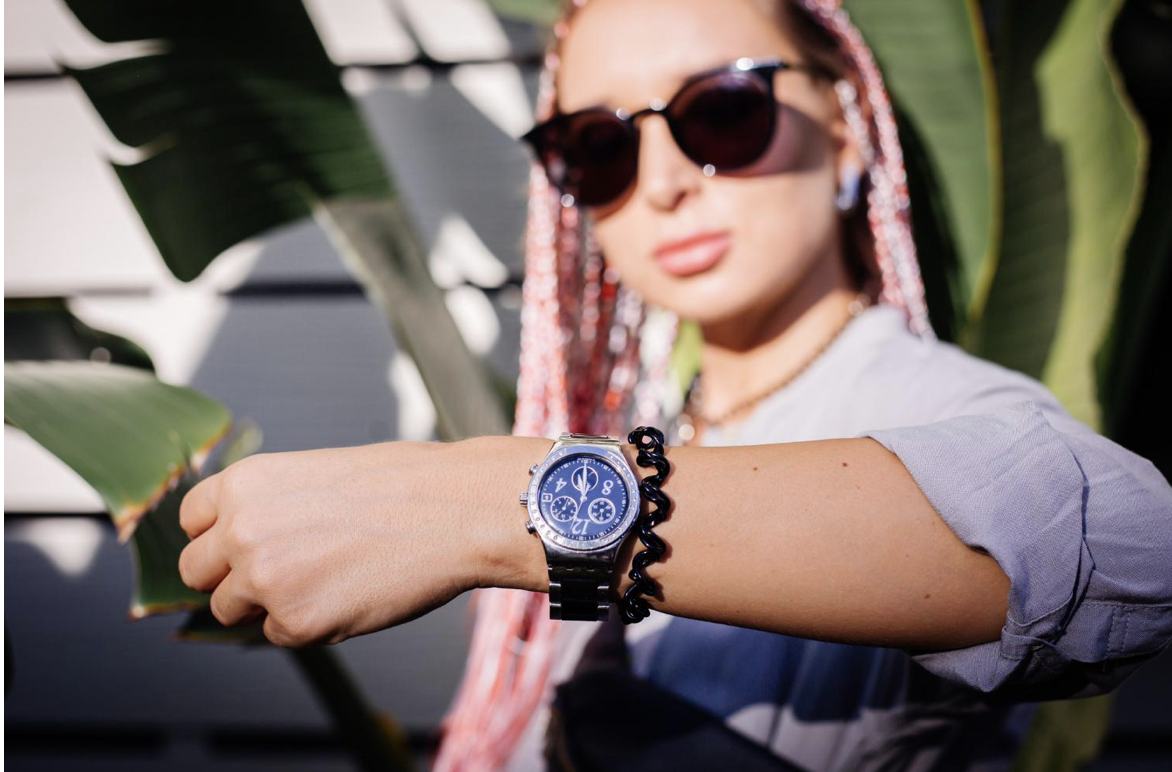
Image from Freepik
Hip-hop culture reshaped global luxury consumption. Watches became narrative devices, symbols of survival, economic power, and liberation from systemic limitations. A watch wasn’t simply worn; it was earned.
But today’s movement isn’t just about flash. Younger generations within hip-hop express a growing appreciation for heritage brands, vintage aesthetics, and minimal silhouettes. The watch becomes quieter, not because the desire for presence disappeared, but because maturity shifted the narrative.
Punk and DIY: Anti-Luxury as Luxury
In punk and anti-fashion spaces, watches carry a different energy. If hip-hop reclaims luxury, punk rejects it, or at least subverts it. thrift-sourced, military surplus watches, scratched acrylic crystals, and visible wear communicate a refusal to participate in traditional value systems.
Yet ironically, these watches often become coveted because they reflect authenticity, a form of cultural capital more valuable than gold.
Queer and Alternative Style Movements
For LGBTQ+ subcultures, watches can represent gender identity, expression, and comfort with self. Masculine silhouettes may empower someone assigned female at birth; softer, slim-line designs may resonate with someone exploring fluid identity. Watches here become tools of embodiment, not status.
Timepieces as Legacy and Memory
Watches also hold emotional value. In many cultures, watches are heirlooms, objects passed down rather than merely purchased. They carry fingerprints, history, and stories encoded in scratches and softened leather.
When someone wears a watch inherited from a parent or grandparent, the meaning expands beyond style. It becomes a relationship with time itself, the reminder that identity is layered and evolving.
The Future of Watches in Culture
We live in a digital era where smartphones replaced the need for mechanical timekeeping. Yet watches persist, not despite digital convenience, but because of it. Wearing a watch today is a deliberate act, a rejection of the constant screen. It says: time is mine, not dictated solely by notifications.
Young people increasingly view watches as anchors of intentionality, design, sustainability, and emotional presence. Luxury and affordability now exist on the same cultural plane as long as meaning leads the way.
A watch may never again be just an instrument for marking hours. In the language of subcultures, it already transcended practicality. Watches are identity, and identity is culture, layered, contradictory, evolving, and deeply human. Whether worn as rebellion, reflection, history, or aspiration, timepieces tell stories long before they tell time.
