
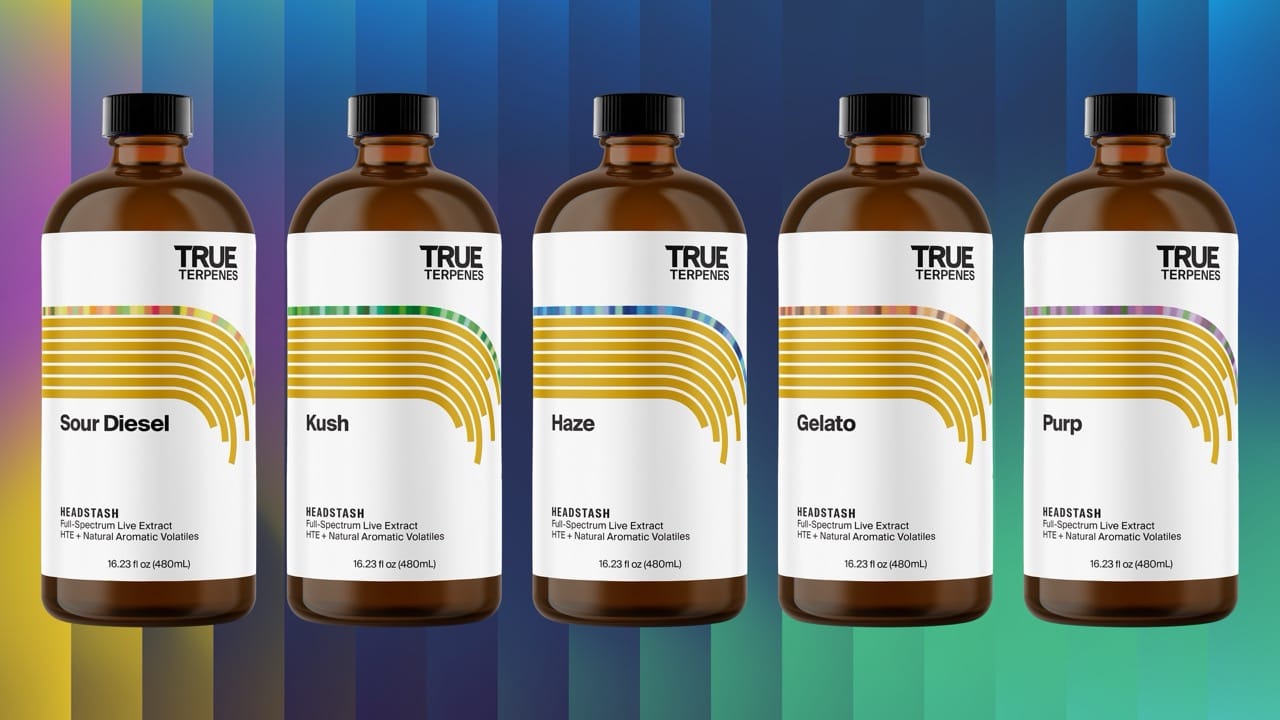

As Aroma Continues to Drive Consumer Decision-making, True Terpenes Introduces the Most Advanced and Innovative Product Line To Enhance The Sensory Experience with Headstash
For a long time, cannabis quality was explained in numbers. THC percentages dominated menus, packaging, and conversations, standing in as a shorthand for potency, value, and legitimacy. But consumers have been quietly voting with their senses, and the industry is finally catching up.
What matters first isn’t potency.
It’s aroma.
Smell is the first way people experience cannabis, and increasingly, it’s the deciding factor in whether a product feels appealing, familiar, or worth returning to. As terpene awareness has grown, so has the understanding that aroma isn’t just a pleasant extra, it’s central to how cannabis is perceived, remembered, and chosen.
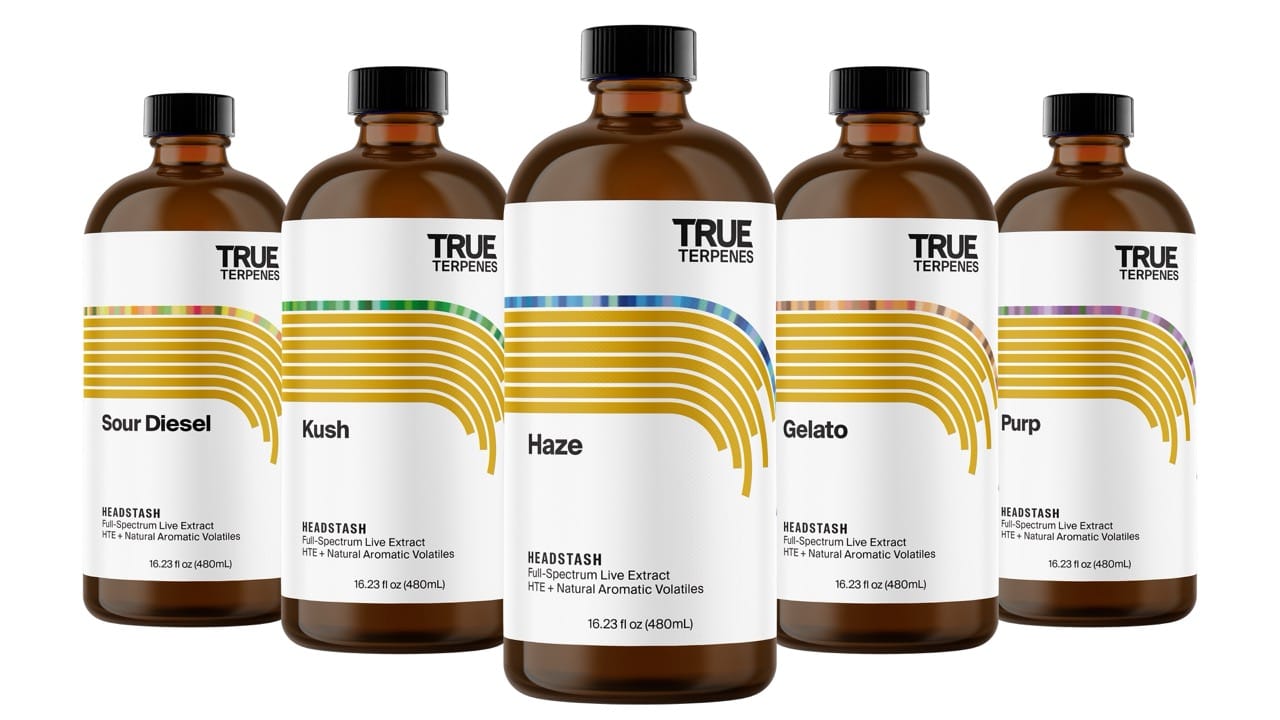
That shift in consumer behavior is exactly what True Terpenes is responding to with the launch of Headstash, a new product platform designed to solve one of cannabis’ most persistent challenges: aroma consistency.
Why Aroma Hits First
There’s a reason aroma carries so much weight. Olfaction is the only sense directly connected to the brain’s limbic system, the area responsible for emotion, memory, and reward. Before cannabinoids ever enter the bloodstream, smell has already shaped expectation and mood, a dynamic explored in depth across sensory neuroscience research.
In cannabis-specific contexts, this effect is even more pronounced. Research compiled in studies show that consumers routinely associate aroma with quality and authenticity, often using scent as their primary decision-making tool. If a product smells “right,” it feels trustworthy. If it doesn’t, no potency number can fully compensate.
Emerging EEG-based research from the PAX study reinforces this. In controlled comparisons, products rich in intact aromatic compounds produced stronger and longer-lasting psychoactive brain responses than higher-THC alternatives that lacked aromatic complexity. In other words, aroma doesn’t just influence how cannabis smells, it influences how it feels.
The Consistency Problem
If aroma is so important, why has it been so difficult to preserve?
The answer lies in control and scale. Terpenes are volatile. Heat, oxygen exposure, mechanical processing, storage, and time all degrade aromatic compounds. As cannabis moved from small-batch cultivation into modern supply chains, aroma often became collateral damage.
Academic sensory research, including the Oregon State University hemp sensory studies, has shown that even small changes in terpene composition meaningfully alter perception, despite identical cannabinoid levels. What smells vibrant at harvest can arrive muted or altered by the time it reaches consumers.
For brands, this inconsistency is costly. It undermines trust, confuses customers, and makes it difficult to build a recognizable sensory identity. For consumers, it creates a frustrating disconnect between expectation and experience.
Headstash: Treating Aroma as a Quality Standard
Headstash was built to address that gap.
Rather than treating terpenes as a finishing touch or flavor enhancer, Headstash approaches aroma as a system, one designed to be preserved, standardized, and reliably deployed across product formats and production volumes. The goal isn’t exaggeration or novelty, but repeatability: making sure a product smells the way it’s supposed to, every time.
“Aroma has always been one of cannabis’ most powerful signals of quality, but it’s also been one of the least controlled,” said Daniel Cook, CEO of True Terpenes. “Headstash is about giving operators a way to protect and deliver aroma with the same intentionality they apply to every other part of production.”
That philosophy reflects a broader shift already well established in other consumer categories. In food, beverage, and fragrance, terpene formulation systems underpin billions of dollars in products, quietly ensuring consistency and familiarity across massive scale. True Terpenes’ work in those sectors has contributed to more than $8 billion in consumer packaged goods, experience that now informs its cannabis innovation.
Built on Sensory and Genetic Insight
One reason aroma has been so difficult to standardize in cannabis is its biological complexity. Terpene expression begins at the genetic level and is influenced by environment, stress, and cultivation methods, factors that vary widely across grows and regions.
“Smell is how humans first make sense of cannabis,” said Jeremy Plumb, who leads genetics and sensory research at True Terpenes. “When aroma shifts, perception shifts, even if everything else stays the same.”
Headstash reflects years of sensory analysis and genetic understanding, translating that knowledge into a framework operators can actually use. According to Kaity Cole, the emphasis was always on scalability. “Consistency is what builds trust,” she said. “When aroma becomes predictable, experience becomes dependable.”
A Signal of Where Cannabis Is Headed
The launch of Headstash isn’t just a product release, it’s a signal of where cannabis is going. As consumers become more educated and discerning, quality is being defined less by numbers and more by sensory experience. Aroma, once treated as fragile or incidental, is emerging as a core driver of loyalty and value.
For consumers, that means products that smell the way they expect them to, every time. For brands, it means the ability to scale without sacrificing identity. And for the industry as a whole, it represents a long-overdue shift toward treating aroma as the quality standard it has always been.
Cannabis has always been aromatic.
Headstash is about making sure it stays that way.
