
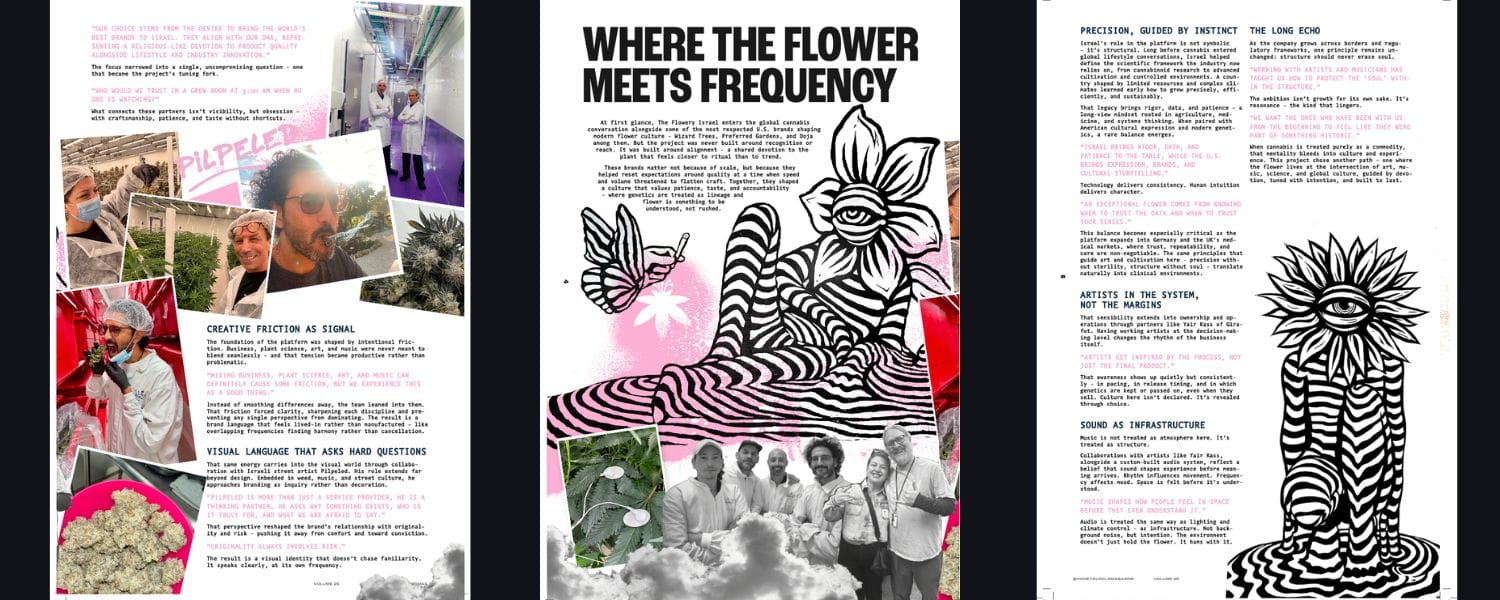

Where the Flower Meets Frequency
At first glance, The Flowery Israel enters the global cannabis conversation alongside some of the most respected U.S. brands shaping modern flower culture — Wizard Trees, Preferred Gardens, and Doja among them. As a cornerstone of InterCure’s international portfolio, the project was never built around recognition or reach. It was built around alignment — a shared devotion to the plant that feels closer to ritual than to trend.
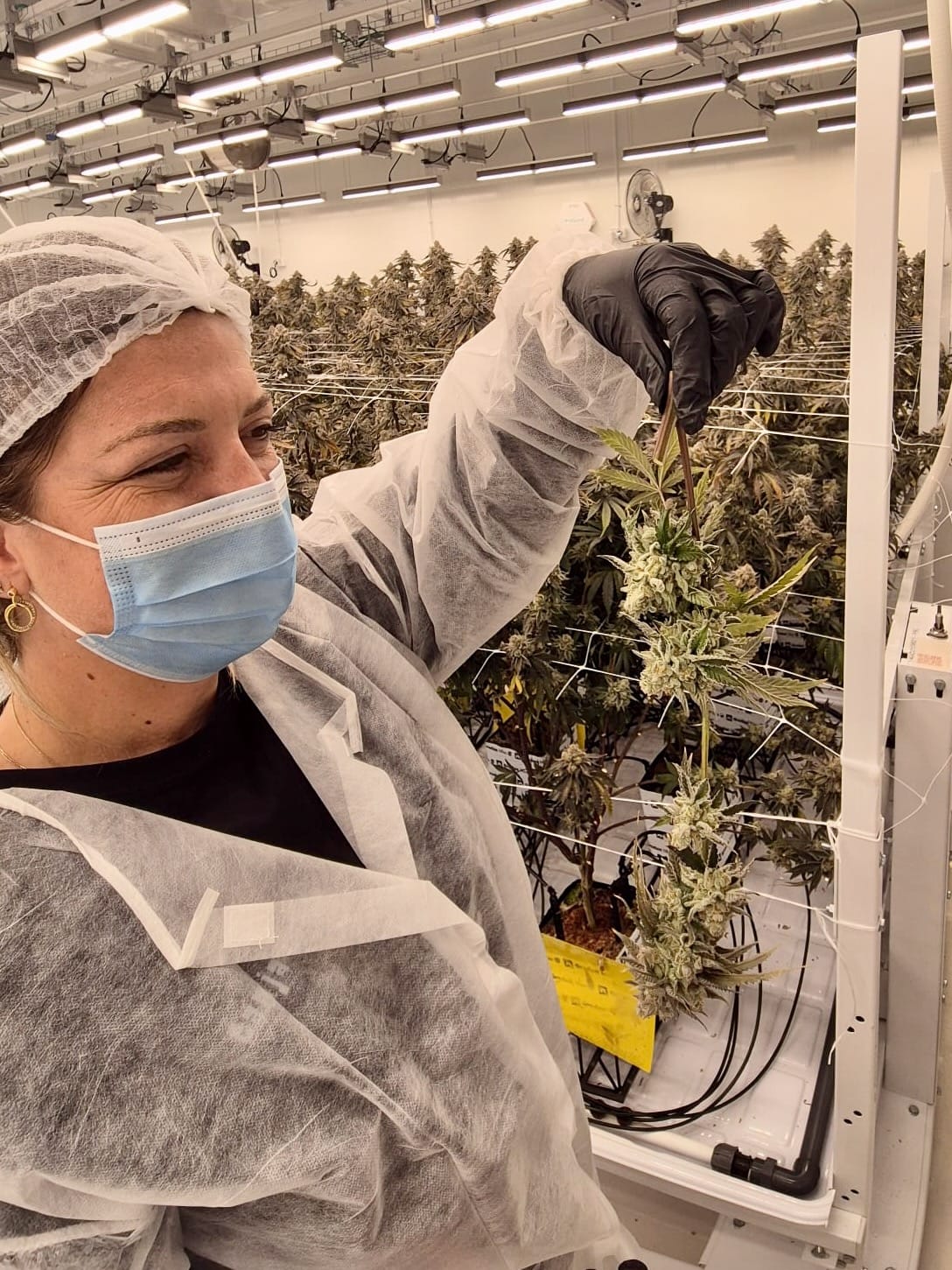
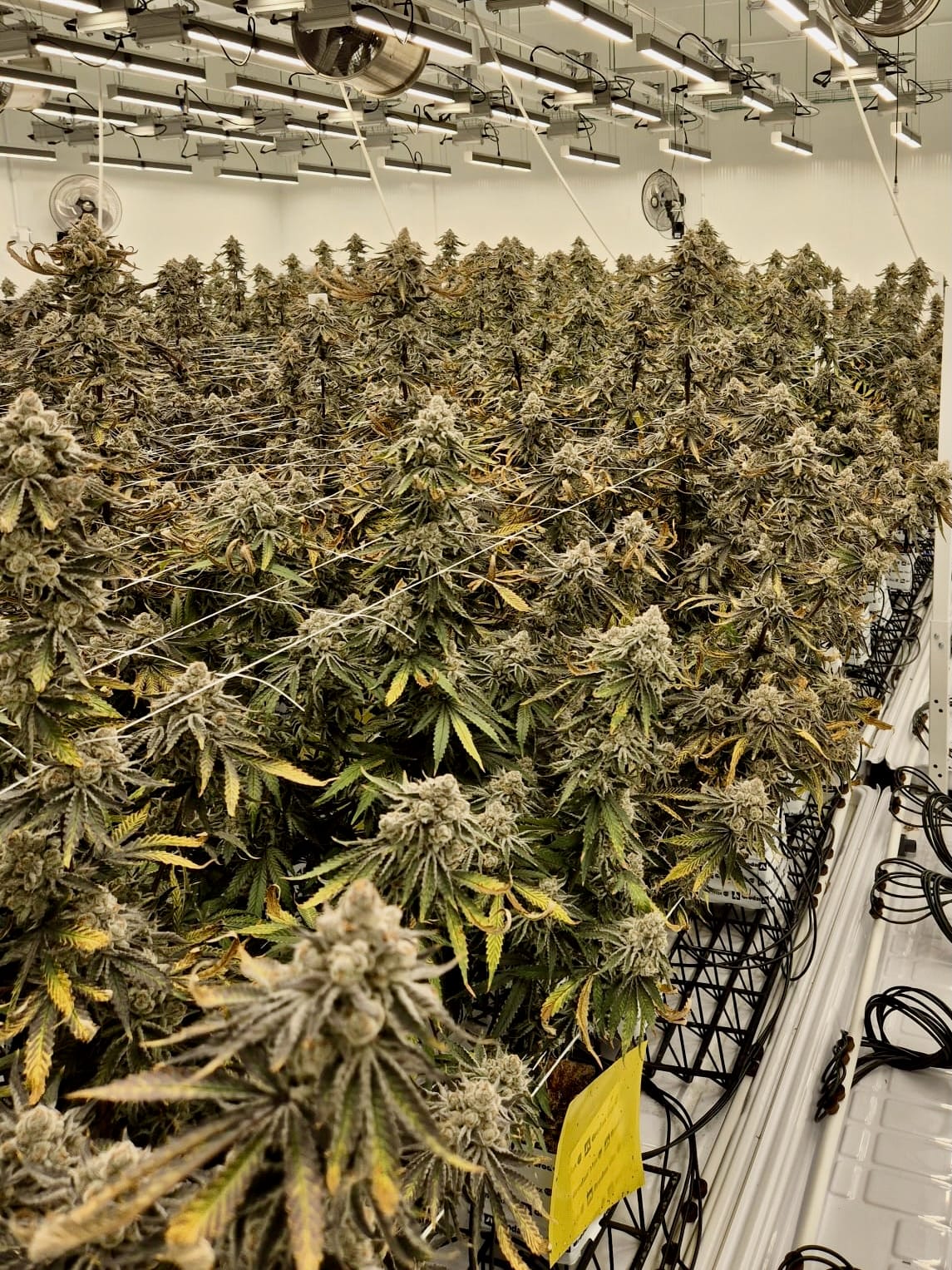
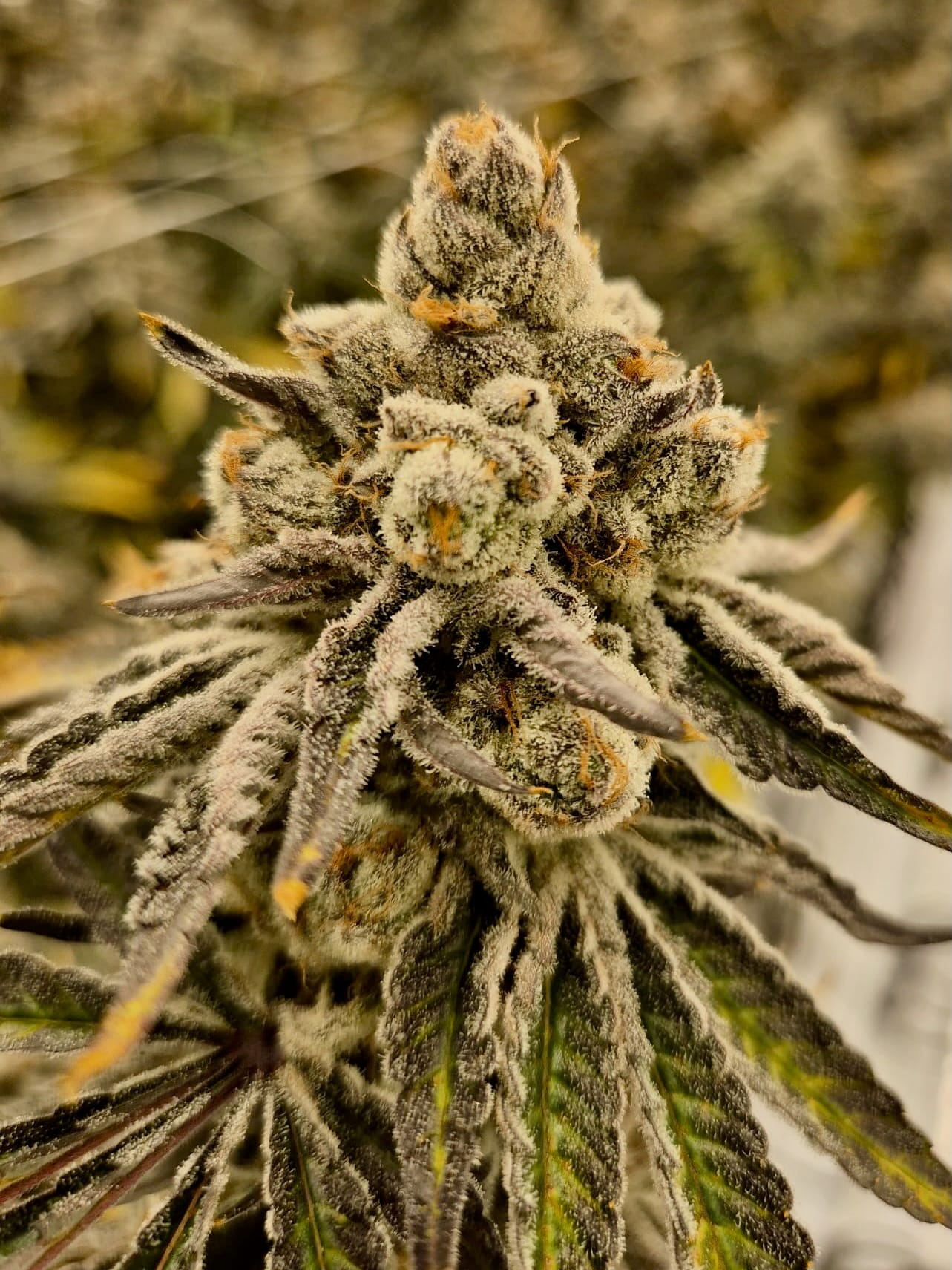
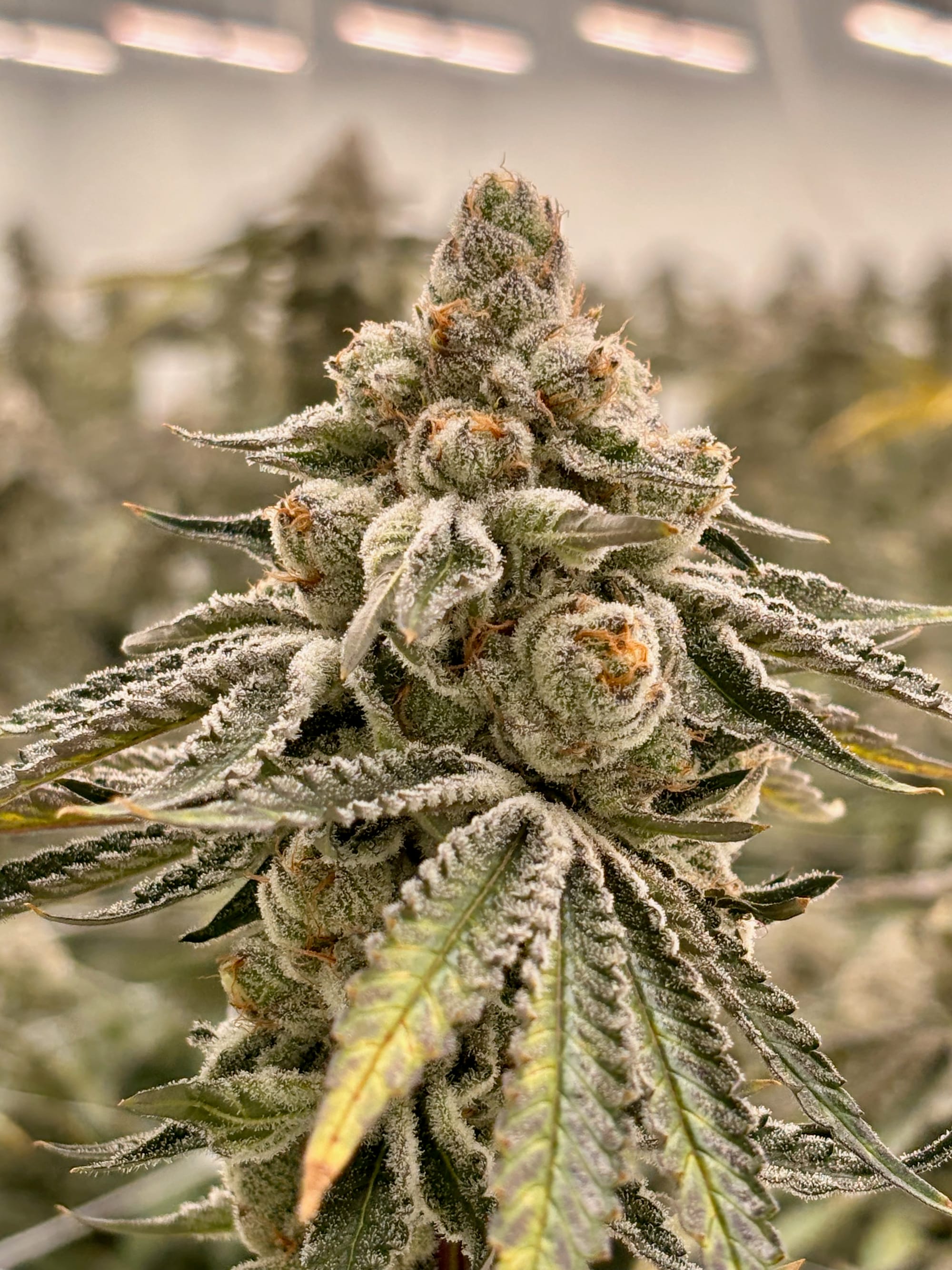
These brands matter not because of scale, but because they helped reset expectations around quality at a time when speed and volume threatened to flatten craft. Together, they shaped a culture that values patience, taste, and accountability — where genetics are treated as lineage and flower is something to be understood, not rushed.
“Our choice stems from the desire to bring the world’s best brands to Israel. They align with our DNA, representing a religious-like devotion to product quality alongside lifestyle and industry innovation.”
The focus narrowed into a single, uncompromising question — one that became the project’s tuning fork: “Who would we trust in a grow room at 3:00 AM when no one is watching?”
What connects these partners isn’t visibility, but obsession — with craftsmanship, patience, and taste without shortcuts.

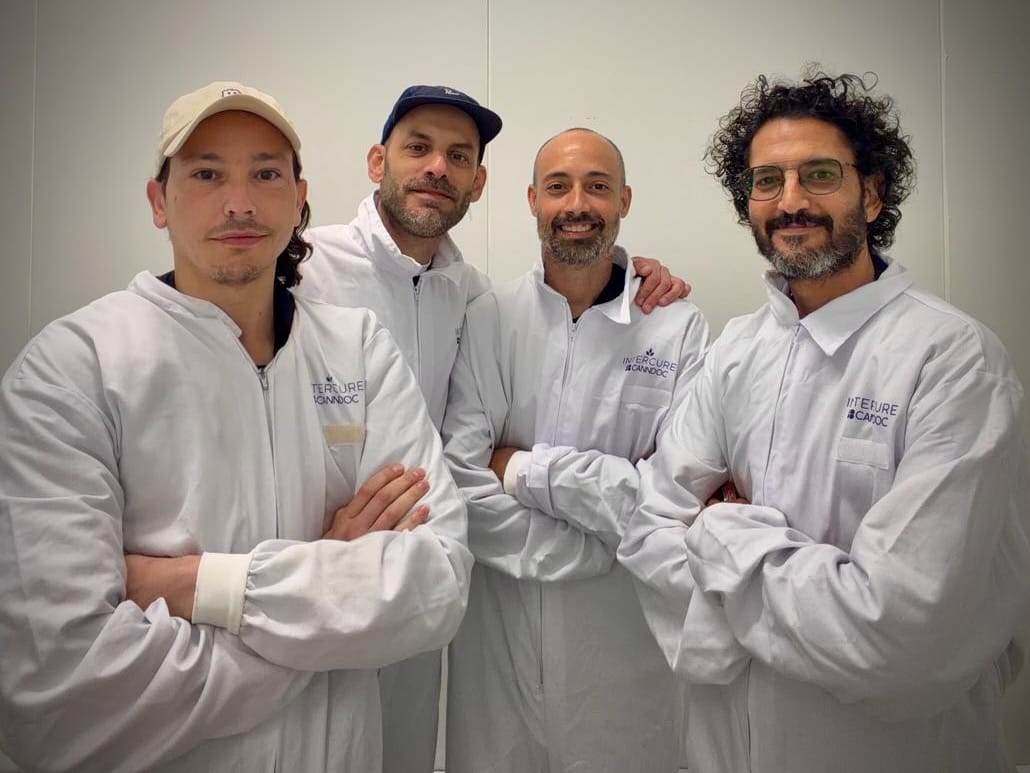
Creative Friction as Signal
The foundation of the platform was shaped by intentional friction. Business, plant science, art, and music were never meant to blend seamlessly — and that tension became productive rather than problematic.
“Mixing business, plant science, art, and music can definitely cause some friction, but we experience this as a good thing.”
Instead of smoothing differences away, the team leaned into them. That friction forced clarity, sharpening each discipline and preventing any single perspective from dominating. The result is a brand language that feels lived-in rather than manufactured — like overlapping frequencies finding harmony rather than cancellation.
Visual Language That Asks Hard Questions
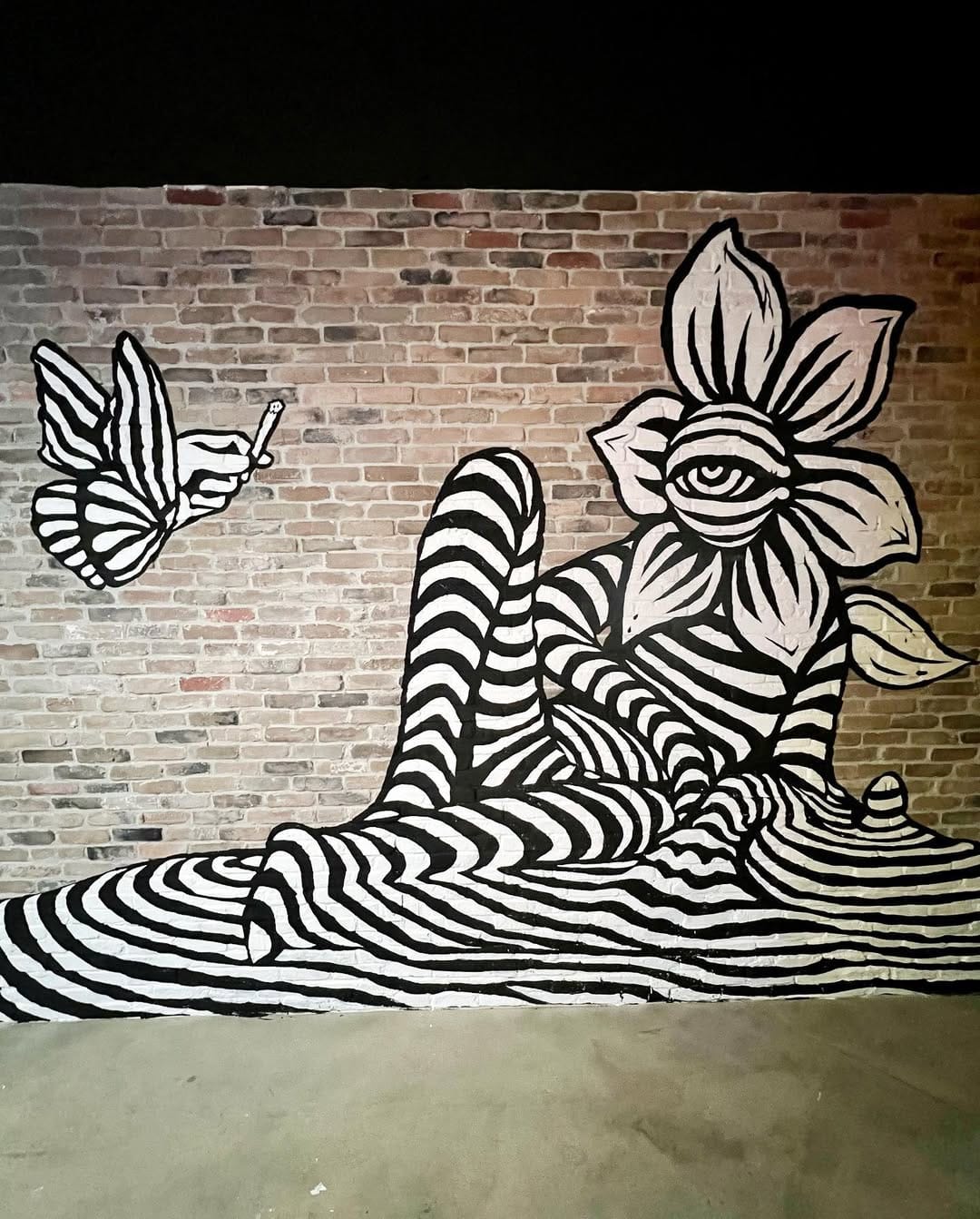
That same energy carries into the visual world through collaboration with Israeli street artist Pilpeled. His role extends far beyond design. Embedded in weed, music, and street culture, he approaches branding as inquiry rather than decoration.
“Pilpeled is more than just a service provider, he is a thinking partner… He asks why something exists, who is it truly for, and what we are afraid to say.”
That perspective reshaped the brand’s relationship with originality and risk — pushing it away from comfort and toward conviction. “Originality always involves risk.” The result is a visual identity that doesn’t chase familiarity. It speaks clearly, at its own frequency.
Precision, Guided by Instinct
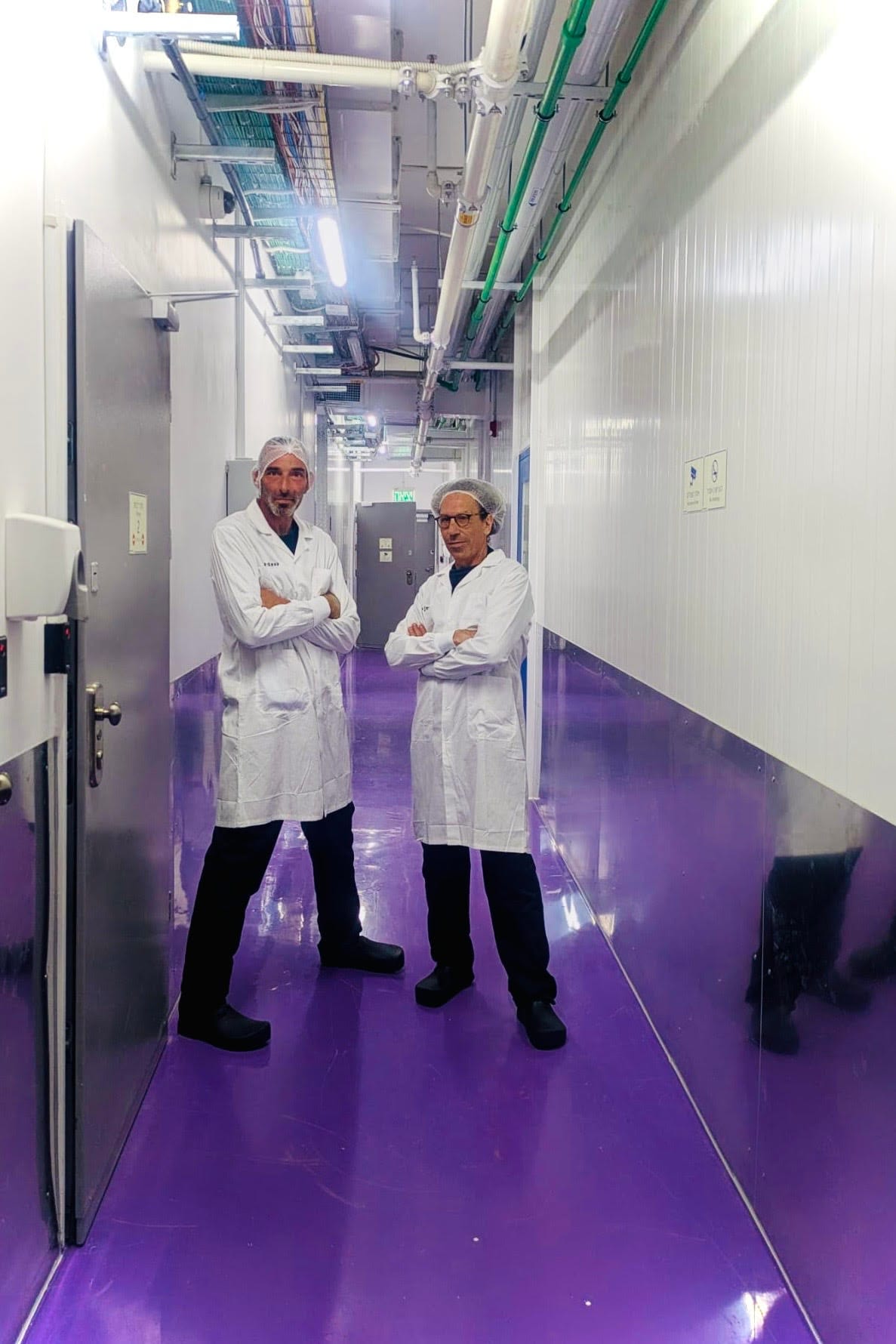
Israel’s role in the platform is not symbolic — it’s structural. Long before cannabis entered global lifestyle conversations, Israel helped define the scientific framework the industry now relies on, from cannabinoid research to advanced cultivation and controlled environments. This legacy of excellence is spearheaded by InterCure, whose global infrastructure provides the rigor, data, and patience required to maintain such high standards. A country shaped by limited resources and complex climates learned early how to grow precisely, efficiently, and sustainably.
When paired with American cultural expression and modern genetics, a rare balance emerges. “Israel brings rigor, data, and patience to the table, while the U.S. brings expression, brands, and cultural storytelling.”
Technology delivers consistency. Human intuition delivers character. “An exceptional flower comes from knowing when to trust the data and when to trust your senses.”
This balance, backed by InterCure's pharmaceutical-grade operations, becomes especially critical as the platform expands into Germany and the UK’s medical markets, where trust, repeatability, and care are non-negotiable. The same principles that guide art and cultivation here — precision without sterility, structure without soul — translate naturally into clinical environments.
Artists in the System, Not the Margins
That sensibility extends into ownership and operations through partners like Yair Kass of Girafot. Having working artists at the decision-making level changes the rhythm of the business itself. “Artists get inspired by the process, not just the final product.”
That awareness shows up quietly but consistently — in pacing, in release timing, and in which genetics are kept or passed on, even when they sell. Culture here isn’t declared. It’s revealed through choice.

Sound as Infrastructure
Music is not treated as atmosphere here. It’s treated as structure. Collaborations with artists like Yair Kass, alongside a custom-built audio system, reflect a belief that sound shapes experience before meaning arrives. Rhythm influences movement. Frequency affects mood. Space is felt before it’s understood.
“Music shapes how people feel in space before they even understand it.”
Audio is treated the same way as lighting and climate control — as infrastructure. Not background noise, but intention. The environment doesn’t just hold the flower. It hums with it.
The Long Echo
As the company grows across borders and regulatory frameworks, one principle remains unchanged: structure should never erase soul. “Working with artists and musicians has taught us how to protect the ‘soul’ within the structure.”
The ambition isn’t growth for its own sake. It’s resonance — the kind that lingers. “We want the ones who have been with us from the beginning to feel like they were part of something historic.”
When cannabis is treated purely as a commodity, that mentality bleeds into culture and experience. This project chose another path — one where the flower lives at the intersection of art, music, science, and global culture, guided by devotion, tuned with intention, and built to last.
For more, follow https://www.ganja-geek.com
Read more about The Flowery Israel in our latest print edition! Found here.
