
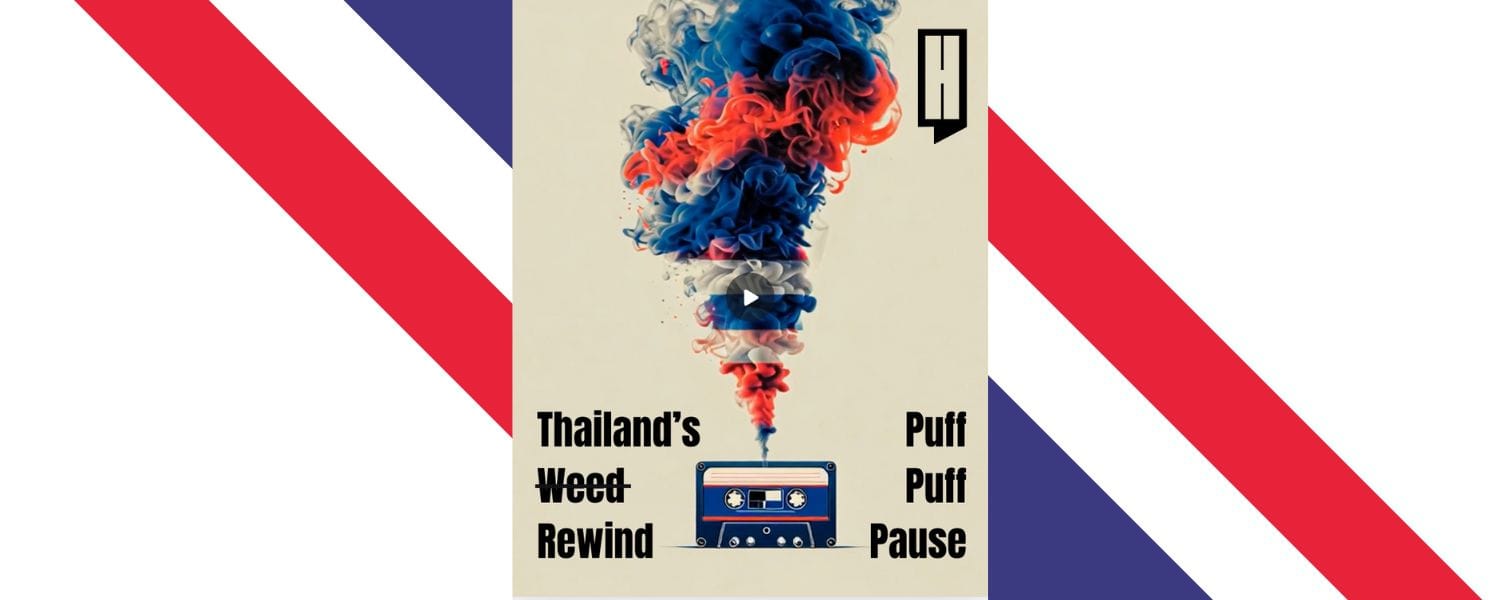

Thailand’s Cannabis Crackdown: From Green Rush to Government Reset
BANGKOK, THAILAND — July 2025 — Just three years after making global headlines for decriminalizing cannabis, Thailand is now dismantling much of the industry it created. In a stunning reversal, the country’s government has enforced a medical-only cannabis policy, shuttered numerous retail dispensaries, and begun steps to reclassify cannabis as a Category 5 narcotic, making non-medical use a criminal offense once again.
The shift, which took effect after an order signed by Health Minister Somsak Thepsuthin on June 24, 2025, has thrown the nation's $1.2 billion cannabis industry into chaos. Online sales, advertising, consumption in dispensaries, and use near schools or religious sites are now prohibited. Only licensed Thai, Chinese, or dental medicine practitioners can issue prescriptions—limited to 30-day supplies. Violators face up to one year in prison or a 20,000-baht fine.
Some view this as a crushing blow to progress. Others call it long overdue.
“Thailand was always meant to be medical…”
“Thailand was always meant to be medical, only difference is now they're enforcing it ..” says Filthee, founder and owner of Lavender Boys LA and Cali Dior Farms, who has been operating on the ground in Thailand’s evolving cannabis economy.
While the closures have devastated many small businesses, Filthee sees value in the course correction:
“This is good for Thailand now regulations in place all flower has to be GACP Flower with legit COA’s and only doctors can prescribe medical cannabis. This has risen prices and withered out all non-compliant shops and farms … Doesn’t affect exporting.”
To Filthee and others aligned with long-term infrastructure goals, this is less of a collapse and more of a painful maturation.
“If going backwards means high quality... it’s a step in the right direction.”
Josh Schmidt, Sluggers Hit Co Founder, who lived in Thailand during years when possessing cannabis meant risking serious jail time, acknowledges the disruption—but also sees opportunity:
“While it’s disheartening to see so many businesses and individuals affected by Thailand’s latest cannabis regulations, I believe the priority must be ensuring safe access to clean, medicinal grade products at affordable prices. If ‘going backwards’ means creating a more controlled, high quality system, then it’s a step in the right direction. Ideally, Thailand should have built a stronger medical foundation before embracing full recreational use. That said, I disagree with the strict limitations on edibles and extracts, forcing people to combust flower is far from the safest method of consumption.”
This kind of measured optimism reflects a broader sentiment that things had gotten out of hand.
From trailblazer to warning
Thailand’s cannabis boom began with fanfare. Over 11,000 dispensaries opened nationwide by 2025, drawing millions in tourism and investment. But as the industry expanded, regulation failed to keep up. There were no THC limits, age restrictions were inconsistently enforced, and gray-market operations flourished. Critics say this lax environment led to increased underage use and even illicit exports to countries like the UK and India.
As political power shifted—especially with the Bhumjaithai Party’s exit from the ruling coalition in June—the cannabis agenda changed overnight. The Pheu Thai Party, which campaigned on restricting cannabis to medical use only, acted swiftly. Within days, Prime Minister Paetongtarn Shinawatra was suspended amid ethics charges. Cannabis became a pawn in a larger game of political survival.
“It won’t disappear. It’ll just go dark.”
The abrupt changes triggered protests. Activist Chokwan “Kitty” Chopaka, founder of Writing Thailand’s Cannabis Future Network, has been one of the loudest voices sounding the alarm.
“Most permits are going to big players, while small farmers like me are left waiting or falling victim to scams,” she told the Bangkok Post.
“Cannabis will just become another thing managed by the corrupt underground system. It won’t disappear. It’ll just go dark.” (TIME)
As Chopaka and other advocates organize mass demonstrations, many dispensaries now operate in legal limbo, unsure if they’ll be raided or granted last-minute approvals. Meanwhile, tourists are confused by the changing laws, and patients say their access to care is being limited.
A pharmaceutical pivot?
From the outside looking in, the pivot could benefit global cannabis interests—especially those focused on medical exports.
“Thailand is putting the genie back in the bottle and cracking down on unlicensed grows and dispensaries. Much changes maybe only window dressing for a market that exploded, and some changes may be beneficial to the global pharmaceutical standing,” says Mike Sassano, founder and CEO of Somai Pharmaceuticals.
For now, Thailand’s ability to export medical cannabis remains unaffected, giving international operators a potential advantage as the domestic market contracts.
