
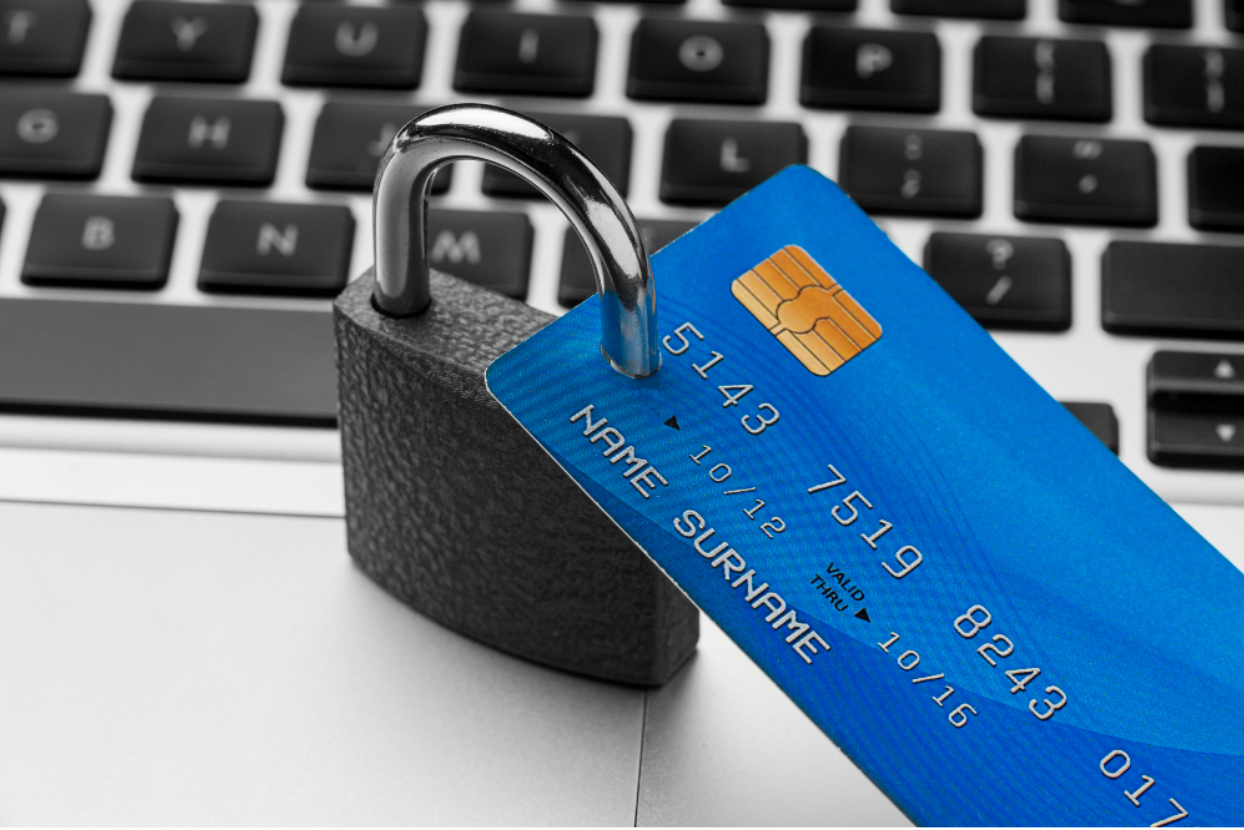

Checkout screens used to feel like a leap of faith. Now the best ones feel calm: clear totals, a quick tap to approve, and receipts that appear before the page even refreshes. Fees still matter, of course, which is why lists like cryptocurrency exchange with lowest fees get attention. Those roundups are useful context for anyone comparing “no-fee” claims, because the fine print often shifts costs into spreads, withdrawal charges, or network fees. But cost is only half the story. What actually keeps money safe is how authentication, fraud checks, and data handling work behind the scenes.
Authentication grows up
Passwords were never built for the internet we use now. Passkeys fix most of that pain by tying sign-ins to your device and biometrics, which shuts down phishing tricks that harvest reused passwords. Adoption is no longer theoretical: a recent FIDO Alliance survey found that 53% of people have enabled passkeys on at least one account, and a quarter enable them wherever possible.
For card data, standards have tightened, too. PCI DSS 4.x raises the bar on multi-factor authentication around the cardholder data environment and clarifies how phishing-resistant factors fit into compliant setups. Translation: more checks where they matter, fewer soft spots for bad actors.
Smarter fraud checks with less friction
The industry used to treat “security vs speed” as a tradeoff. That gap is closing. EMV 3-D Secure lets issuers confirm a shopper’s identity for card-not-present purchases without turning checkout into a maze. Newer versions pass richer data so banks can approve more good transactions silently and step up only when risk is high. In Europe, a joint ECB and EBA report on payment fraud confirmed that transactions authenticated with Strong Customer Authentication show lower fraud rates than non-SCA ones, especially for card payments.
Privacy and data protection by design
Safer transactions aren’t only about catching fraud; they are also about reducing what needs to be stored in the first place. Modern identity frameworks encourage minimal data collection and clear separation of duties—who verifies, who stores, and who can see what. The result is practical: fewer sensitive fields at rest and fewer places for attackers to aim.
Crypto rails, minus the chaos
Digital assets used to mean big swings and bigger risks at checkout. Stablecoins changed the conversation by keeping value pegged while moving funds quickly, which helps with payouts, cross-border refunds, and late-night settlements that cannot wait for branch hours. Pair that with passkeys and stepped-up KYC/AML on reputable platforms, and you get something that feels closer to mainstream banking—with the added benefit of programmable rules for releases and alerts. When fees do matter, compare the “lowest fee” claims carefully and read how platforms account for spreads and network costs before moving a cent. (Again, that is where those fee roundups are handy as a baseline.)
What this means for everyday checkouts
Put it together and the checkout that feels “too easy” is actually working harder than it looks. Passkeys cut off phishing attempts at the front door. 3-D Secure shares enough context for banks to approve good orders without pestering you. PCI rules keep access to card data wrapped in multiple gates. And privacy-by-design keeps businesses from holding more information than they need, which shrinks the blast radius if something goes wrong. The best part: most of the heavy lifting happens in the background, so shoppers see speed while fraud teams see signal.
A quick playbook for safer payments
- Enable passkeys wherever they are offered; they are built to resist phishing and credential stuffing.
- Expect step-ups on risky purchases. If a bank asks for a 3-D Secure check, that is a positive sign—not a hassle.
- For cards, look for merchants that follow modern standards and enforce strong MFA for staff who touch payments.
- For crypto, favor platforms that explain fees clearly, use stable rails for payouts when available, and support modern authentication.
Bottom line
Safer transactions are a stack of small, smart decisions—passkeys instead of passwords, risk checks that run in milliseconds, and payment pages that keep only what they must. When those pieces line up, checkout becomes something rare online: fast, calm, and trustworthy.
