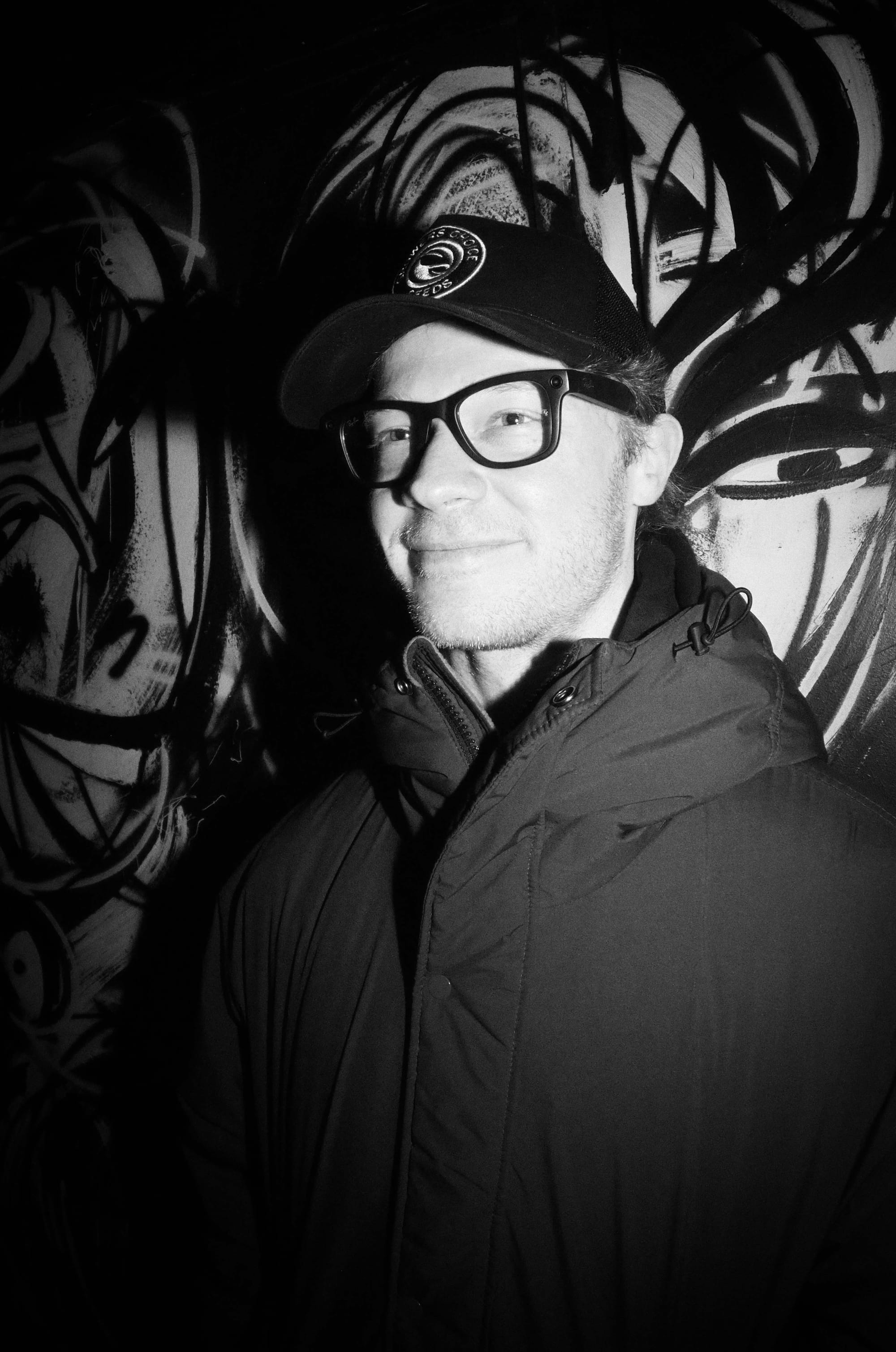
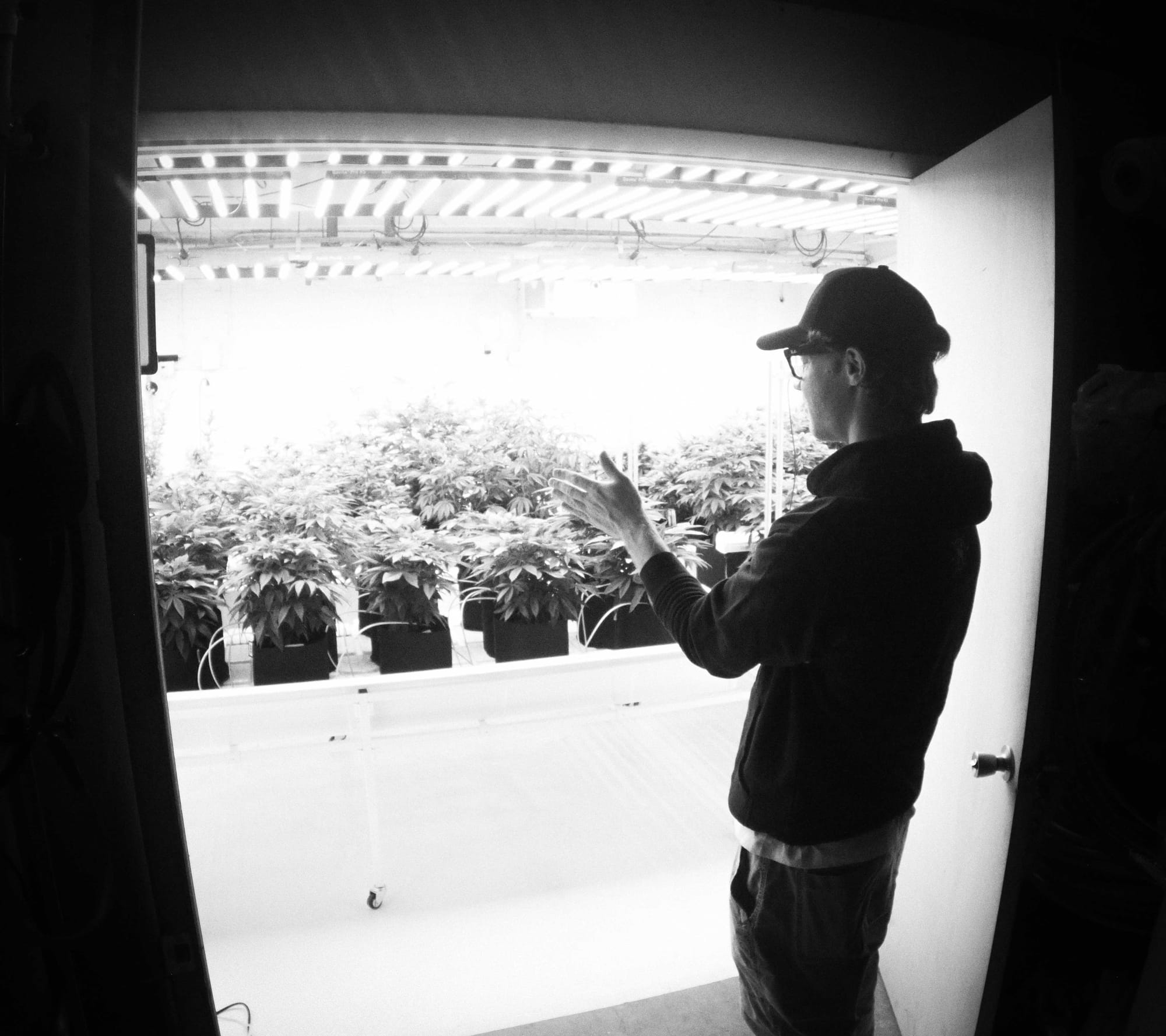
Inside a quiet industrial space in Chelsea, Luke Attebery is growing cannabis in a place most people wouldn’t expect it or think it belongs. That contradiction is exactly the point.
Attebery is the founder of Sunshine Operations, the first licensed microbusiness in Manhattan permitted to cultivate, process, and distribute cannabis under New York’s adult-use framework.While most legal cultivation has been pushed upstate or out to the margins, Sunshine is rooted firmly in the city, leaning into the vision that cannabis can be grown as part of New York’s urban fabric rather than imported into it.
“We received our license last summer and began building out the operation in the fall, with plans to eventually expand into our own retail stores and delivery as the business continues to grow,” Attebery says.
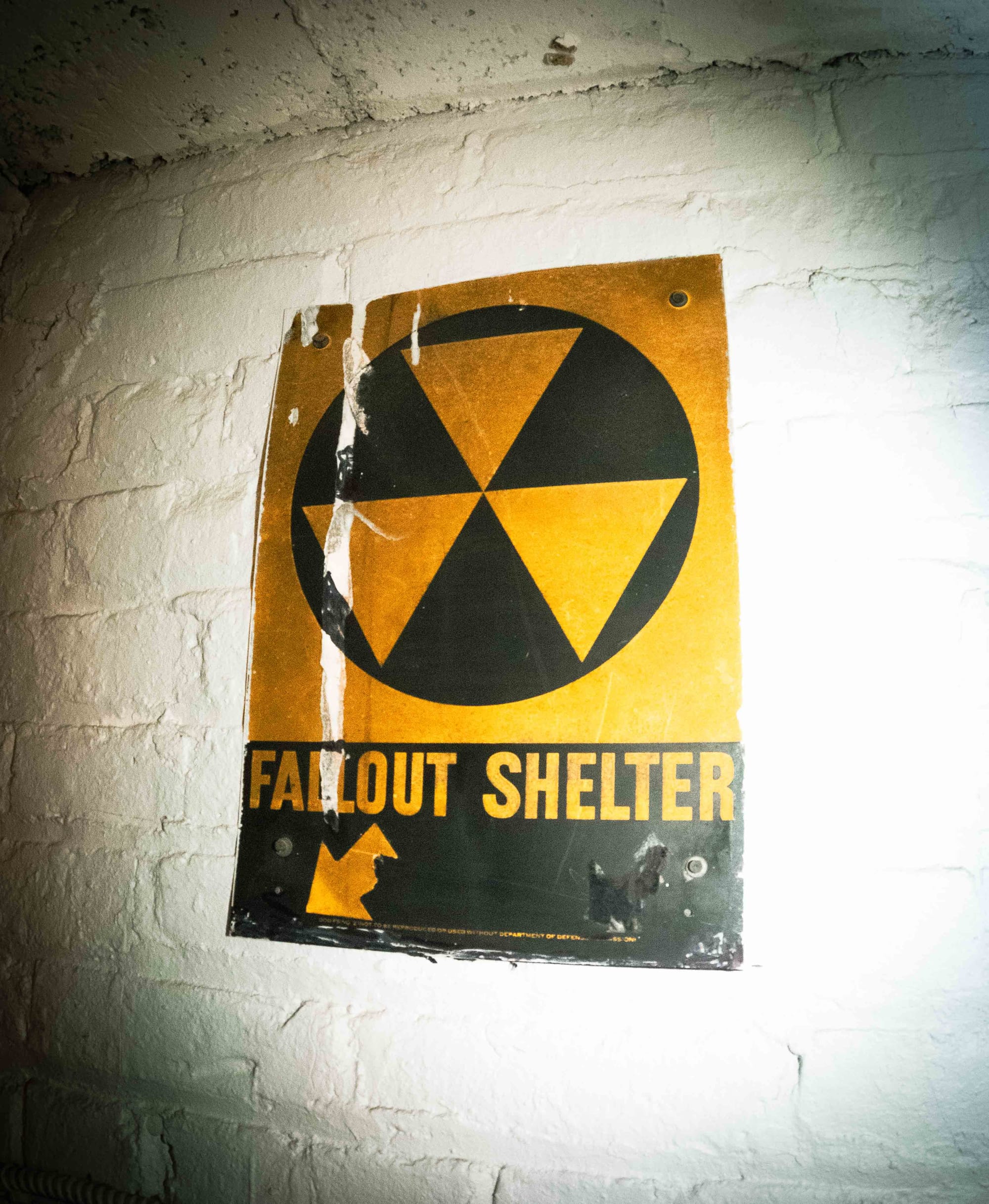
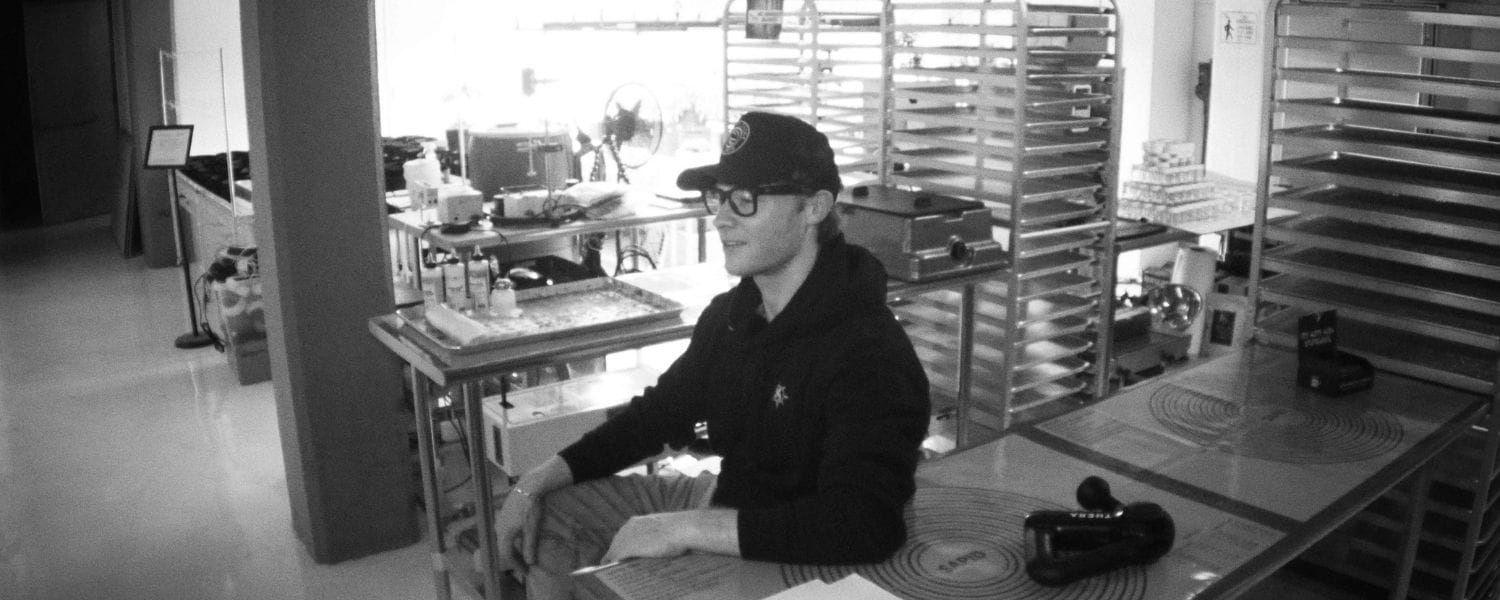
For Attebery, the location isn’t a novelty — it’s a statement. He talks about cannabis through the lens of urban agriculture, not just compliance or convenience. Growing in Chelsea means shorter transport, tighter feedback loops, and a closer relationship between production and consumption. It also means placing cannabis alongside the city’s long tradition of creative, industrial reuse.
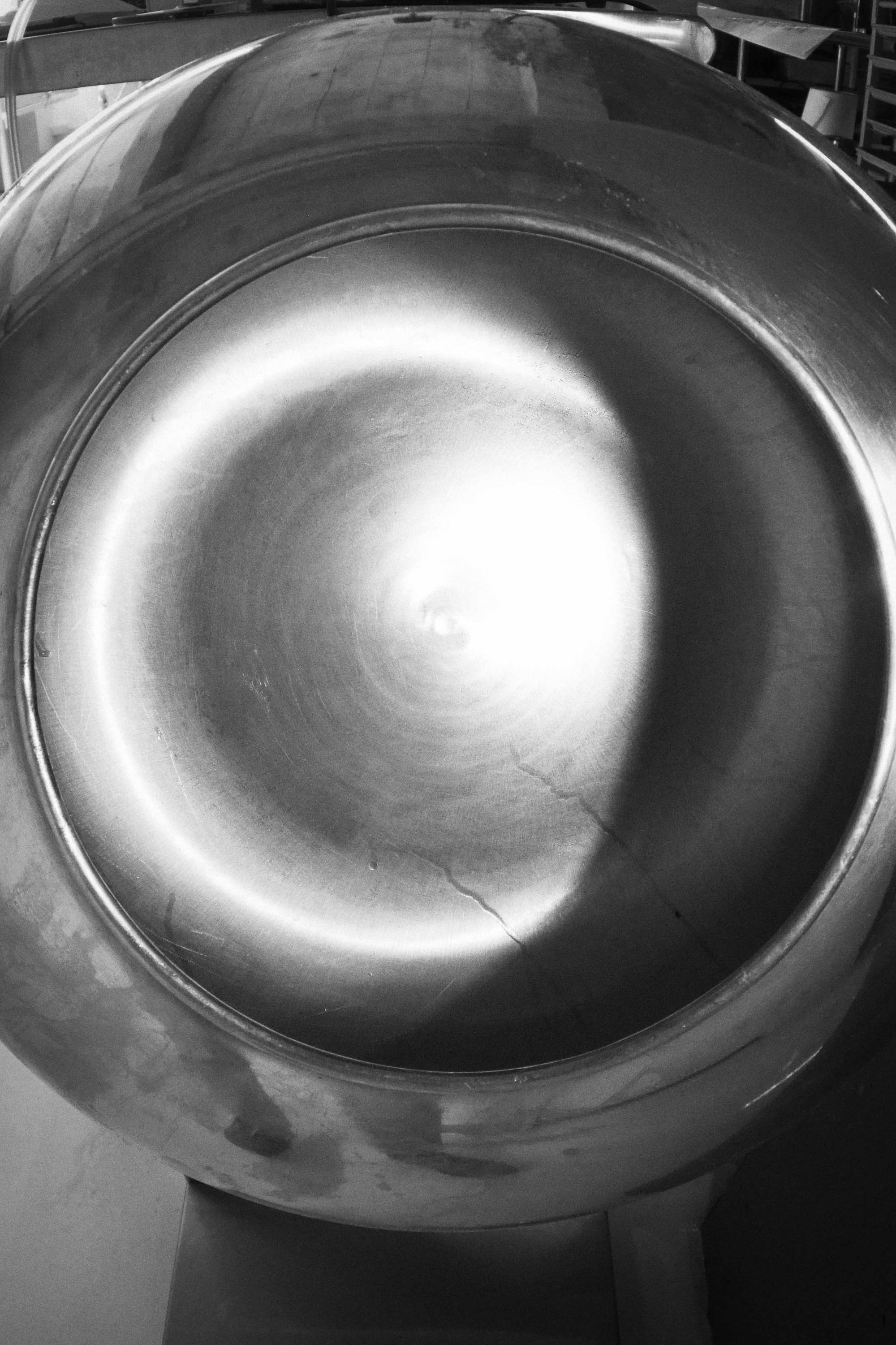
The space itself reflects that philosophy. It’s functional, evolving, and intentionally unfinished, more workshop than showroom. Phase one occupies only a fraction of what the license ultimately allows, but the vision extends outward: room-by-room expansion, additional flowering canopy, and eventually a vertically integrated ecosystem that lives entirely within the city.
That same sense of intentionality carries into Sunshine’s product line, particularly edibles. Attebery’s focus on low-dose formulations isn’t a branding move — it’s corrective.
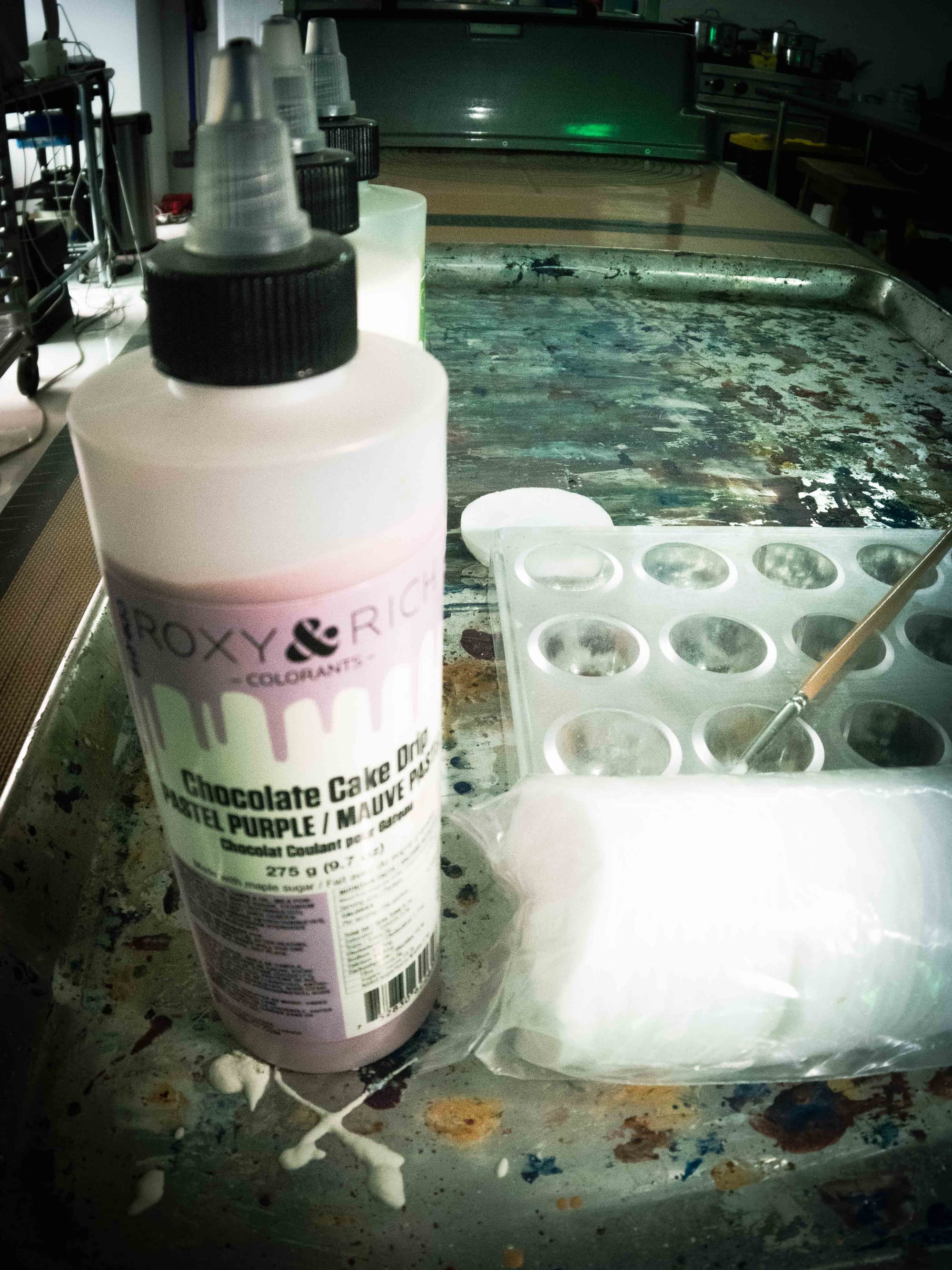
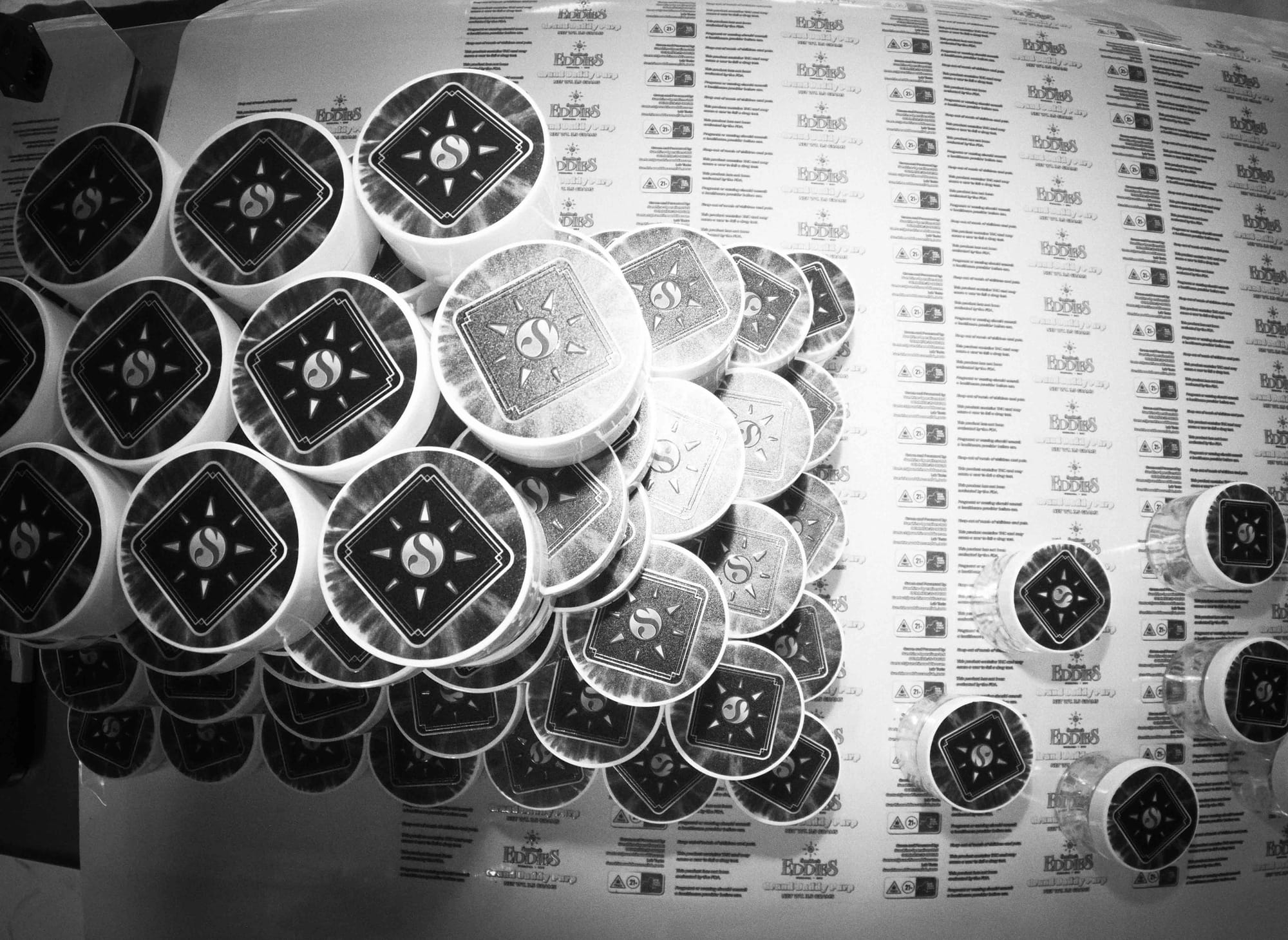
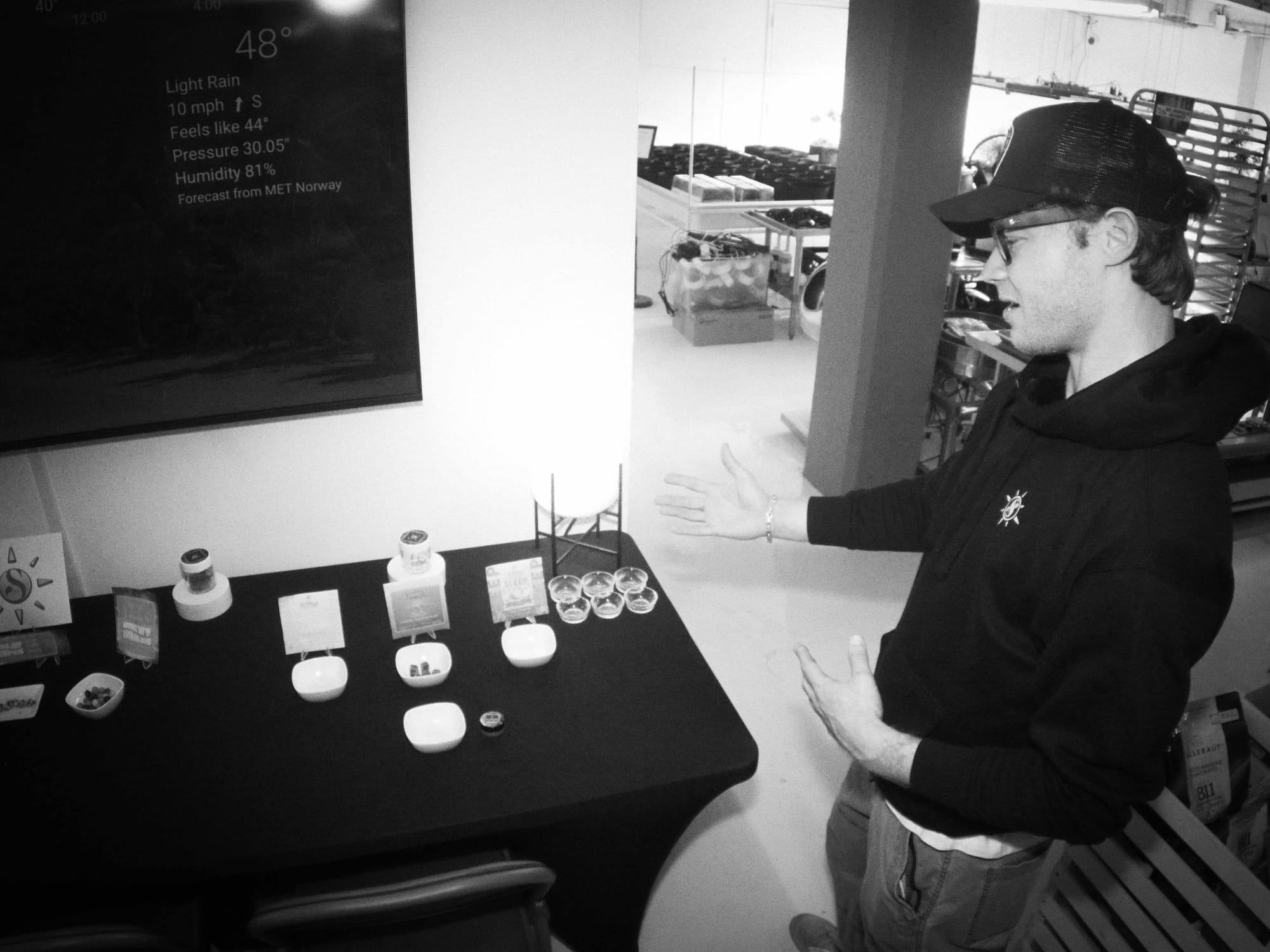
“The main focus is artisanal craft edibles with craft indoor cannabis ranging from everything from high potency with a focus on more medicinal smaller dose products as well with a broad cannabinoid profile and specific terpenes,” he says. Then he gets precise: “2.5 milligram THC and a five milligram CBD mood specific gummies that over the years we've dialed in the formula for.”
Those doses come from observation, not theory. Long before legalization, Attebery worked inside New York’s informal delivery ecosystem, watching how people actually used cannabis — and how often edibles pushed them too far. He saw the same reaction over and over: a single bad experience that shut someone off completely.
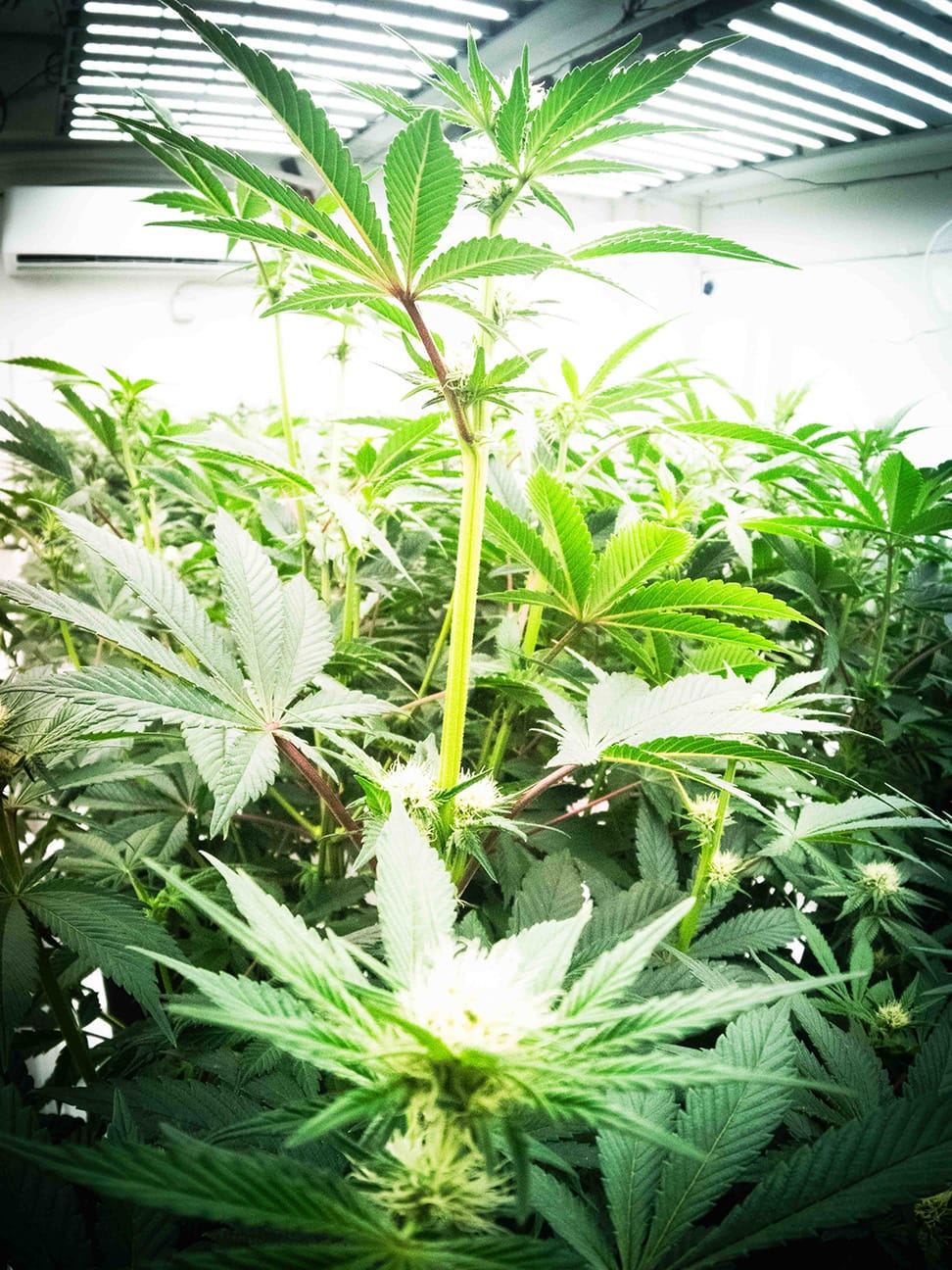
He’s also a serious consumer himself, with a palate shaped by years of sampling the best cannabis circulating through the city before it had lab labels or shelf space. That combination — close contact with consumers and personal discernment — shaped Sunshine’s approach: products meant to be trusted, repeatable, and usable in real life.
Before Sunshine had a license, it had conversations. In the pre-legal years, Attebery spent time moving through the city and listening to consumers firsthand, sharing early samples and learning what people actually wanted from edibles and flower.
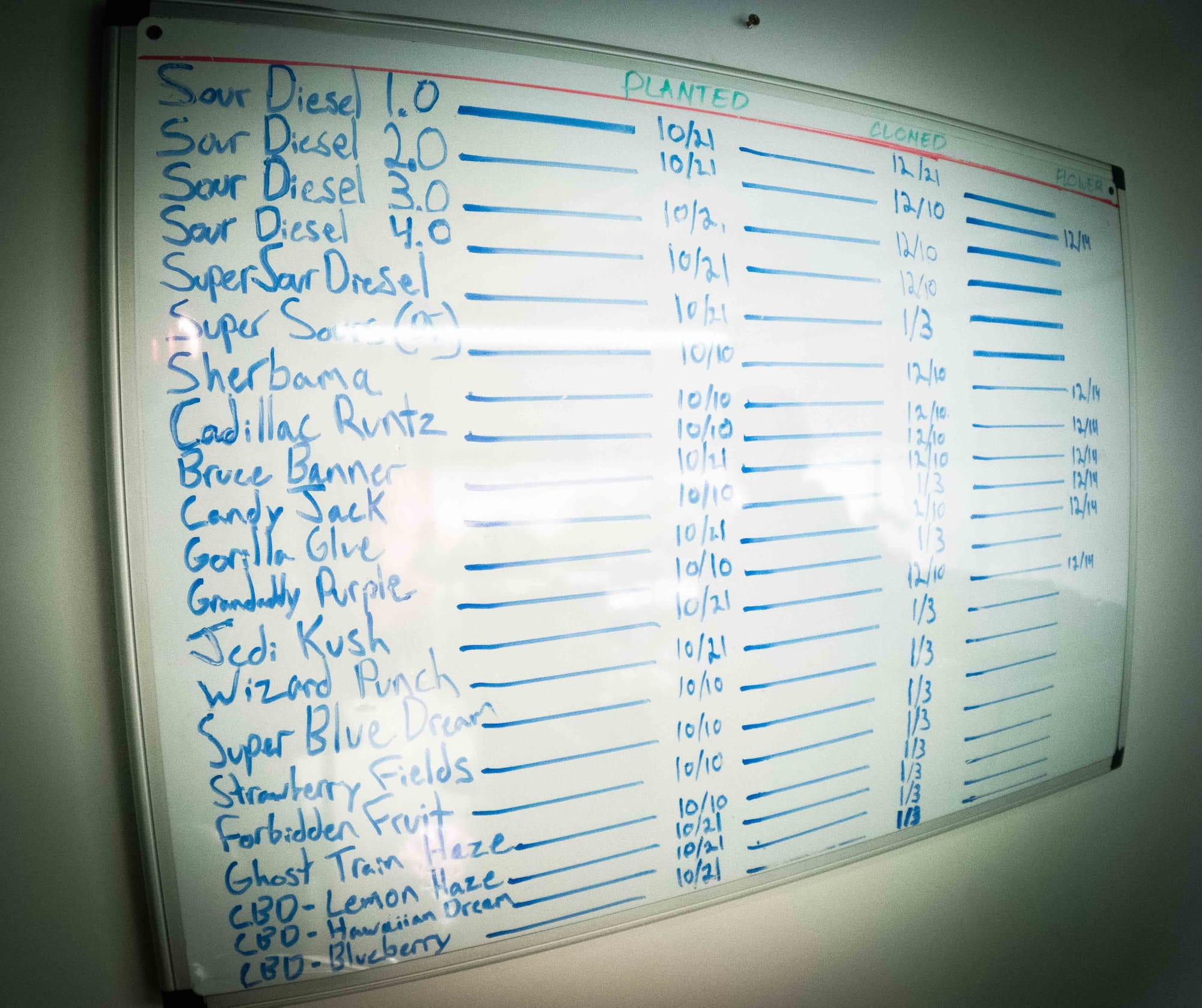
The cultivation rooms bring Attebery’s deeper obsession into focus. He’s a self-taught grower and committed pheno hunter, more interested in expression than shortcuts. “If you can’t tell, I’m a big sour diesel fan,” he says. “So we have four or five different sour diesel phenotypes that we’re working on.”
At the moment, experimentation is the rule. “Right now we’re running 22 different strains and see how they do and if whatever we like, we keep,” he explains. The plan is to narrow that field down to a smaller set of foundational genetics that thrive specifically in this urban environment — strains that earn their place, not just survive it.
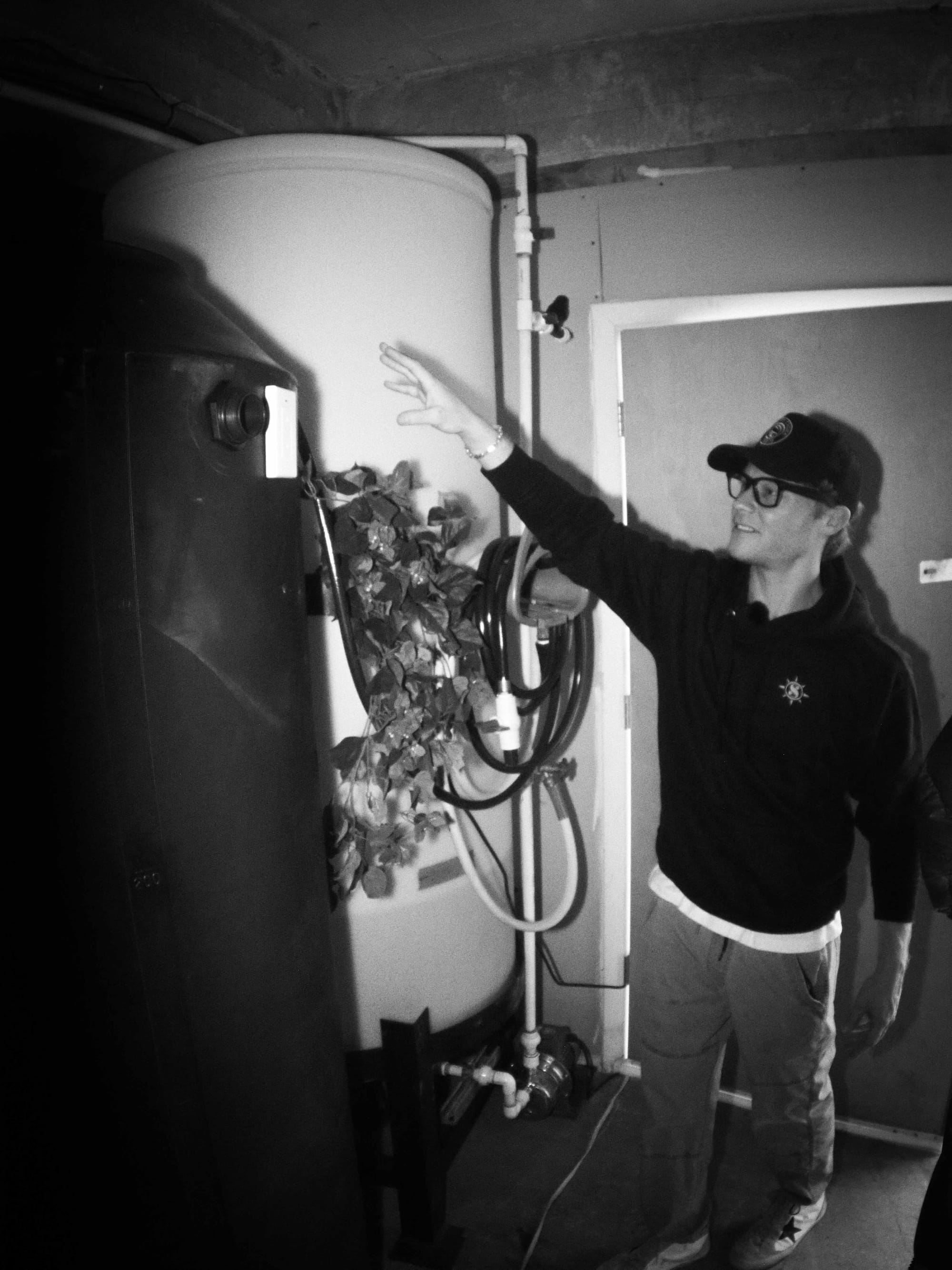
Much of the operation was learned the hard way, with curiosity and persistence standing in for institutional backing. “I came in, I did the whole irrigation, the lighting, and everything literally just watching youtube videos and calling up friends asking for advice,” Attebery says. And rather than guard that knowledge, he wants to pass it on. “I would like to at some point once this is in full operation, is to pay back and do a walkthrough of this is how we did our lighting or this is how we set up our troll masters. This is how we did our irrigation.”
He’s blunt about why. “I think not really just from the sense of not competition, but I don’t know, I feel like the weed industry, it’s like let’s share this knowledge because that’s how I was able to learn how to do it.”
Sunshine Operations isn’t trying to outscale the giants. It’s trying to exist differently — closer to consumers, closer to cultivation, and closer to the city itself. In Chelsea, surrounded by remnants of past industries that once defined New York, Attebery is betting that cannabis can grow into the city rather than away from it — carefully, transparently, and on its own terms.