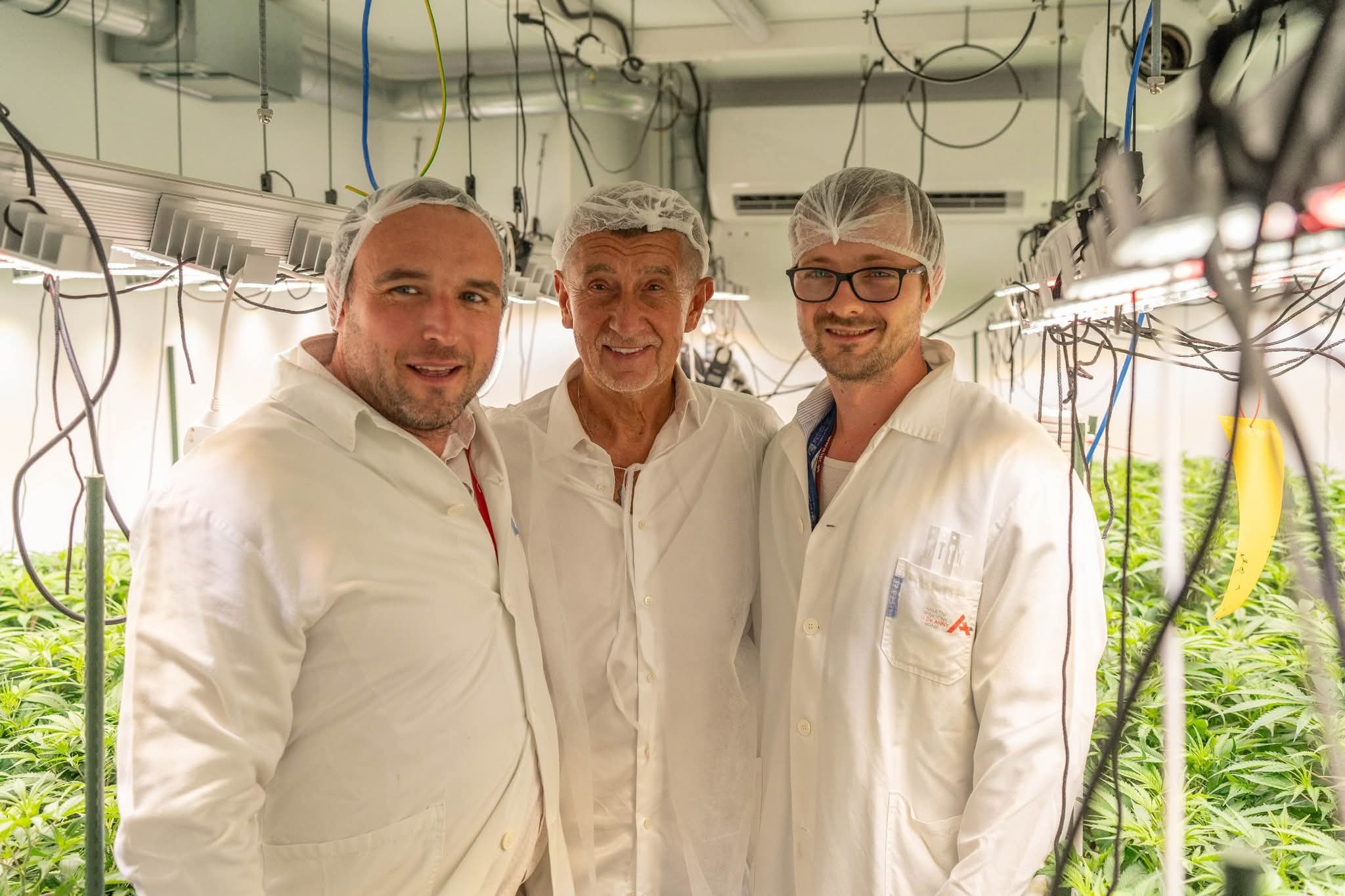

Inside the World’s Only Hospital-Based Cannabis Grow
At St. Anne’s University Hospital, medical cannabis doesn’t arrive shrink-wrapped after crossing borders or sitting in warehouses. It doesn’t pass through distributors or spend months waiting for prescriptions to catch up with supply. Instead, it moves a matter of meters—grown, processed, tested, and dispensed entirely within the walls of a functioning university hospital in Brno, the second-largest city in the Czech Republic.
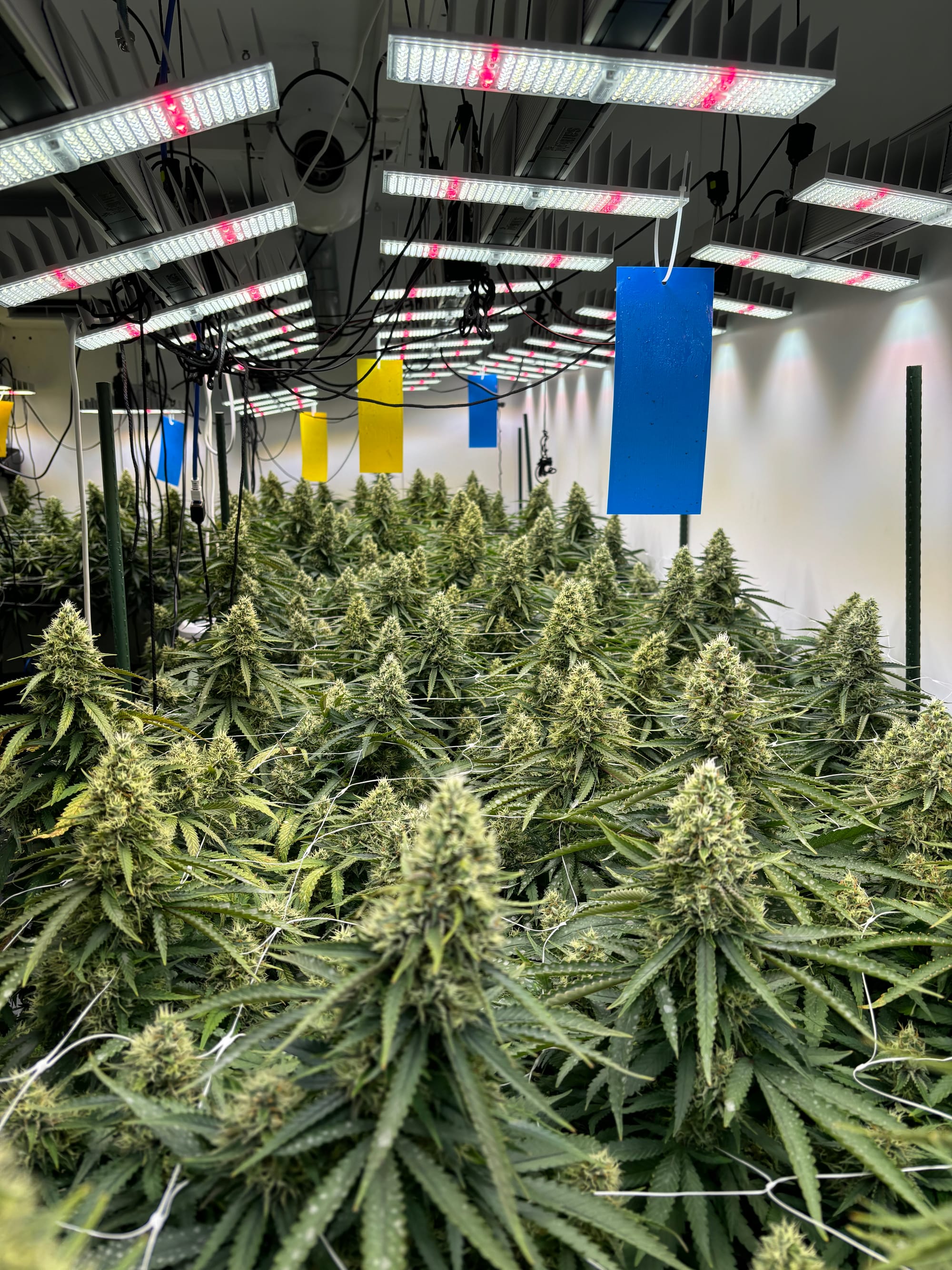
It is, by all measures, a global outlier: the only fully licensed medical-cannabis cultivation facility located directly inside a hospital. And according to Patrik Schreiber, that distinction was neither simple nor inevitable.
“Our hospital was the first in the Czech Republic to prescribe medicinal cannabis back in 2015,” Schreiber explains. “At the time, we were only the second country in Europe to allow it.”
What began as a research initiative has since evolved into a fully integrated pharmaceutical operation—one that quietly challenges how medical cannabis is grown, regulated, and delivered to patients.
From Research License to Real-World Medicine
The hospital’s cannabis program initially operated as a Cannabis Research Centre, driven by a foundational question: could cannabis be cultivated at true pharmaceutical grade under hospital conditions?
To answer that, the team first had to obtain a research license permitting cultivation of cannabis with THC levels above the legal hemp limit. “With this license, we tested whether we could consistently grow cannabis at medical grade and developed the cultivation know-how we needed,” Schreiber says.
The real turning point came in 2022, when Czech regulations shifted. For the first time, the hospital was able to apply for the full pharmaceutical chain of licenses: GACP cultivation, GMP processing, and GDP distribution.
“Once we obtained all three, we were finally able to cultivate, package, and distribute cannabis directly to our hospital pharmacies,” Schreiber explains.
What makes that achievement especially striking is how constrained the operation remains. As a state-run university hospital, every euro invested is public money. “Every investment and every crown we earn comes from public funds,” he says. “Even today, our entire production, processing, and distribution team consists of only three people.”
Growing for Patients, Not Markets
Unlike commercial producers, St. Anne’s does not grow cannabis based on trends or THC escalation. It grows according to clinical need.
“If a doctor requires a medium-strength THC variety for elderly patients, for example, we can grow it and provide it directly to the hospital pharmacy,” Schreiber says.
Because the hospital pharmacy also stocks cannabis from external producers, in-house cultivation serves as a stabilizing force. “When there is a shortage in the market, we can quickly adjust our cultivation plan,” he explains. “Being directly informed about pharmacy inventory allows us to plan production precisely.”
This closed feedback loop—physician, pharmacist, and cultivator operating within one institution—is almost unheard of in contemporary cannabis systems.
A Supply Chain That Ends at the Bedside
By eliminating external distributors, the hospital doesn’t just shorten the supply chain—it fundamentally changes the economics of access.
“Since our production goes straight to the hospital pharmacies, we can obtain the maximum reimbursement per gram from insurance companies,” Schreiber says. In the Czech Republic, insurers cover up to 90 percent of medicinal cannabis costs for eligible patients.
Freshness is non-negotiable. “Cannabis is never stored for more than one month after cultivation,” he adds. “Our goal is to get each batch to patients as soon as possible after harvest.”
Before reaching patients, every batch undergoes mandatory radiation sterilisation and GMP analysis. While often misunderstood, Schreiber is clear: “Radiation sterilisation is a globally used, well-established method. It is safe for patients and does not make the product radioactive.”
Importantly, it also preserves quality. “There is no meaningful impact on cannabinoids or terpenes,” he says.
When Cannabis Is Treated Like Any Other Medicine
Operating inside a hospital means cannabis is governed by the same rigor as any pharmaceutical substance—sometimes to surprising extremes.
“Even though everything operates under one organization, we still need a GDP license just to transport cannabis across the street to the pharmacy,” Schreiber says.
Temperature control is equally strict. “From harvest until the moment it reaches a patient, our cannabis cannot exceed 25 degrees Celsius at any point,” he explains, referencing European Pharmacopoeia standards.
All conditions are audited annually by the Czech State Institute for Drug Control. “Any violation could result in losing our production license,” Schreiber notes. “So compliance is absolutely strict.”
Imported cannabis, by contrast, often arrives with unknown transport histories. “The temperature and storage history during international transport often remain unknown,” he adds—a factor that can directly affect freshness and terpene preservation.
Precision Over Scale
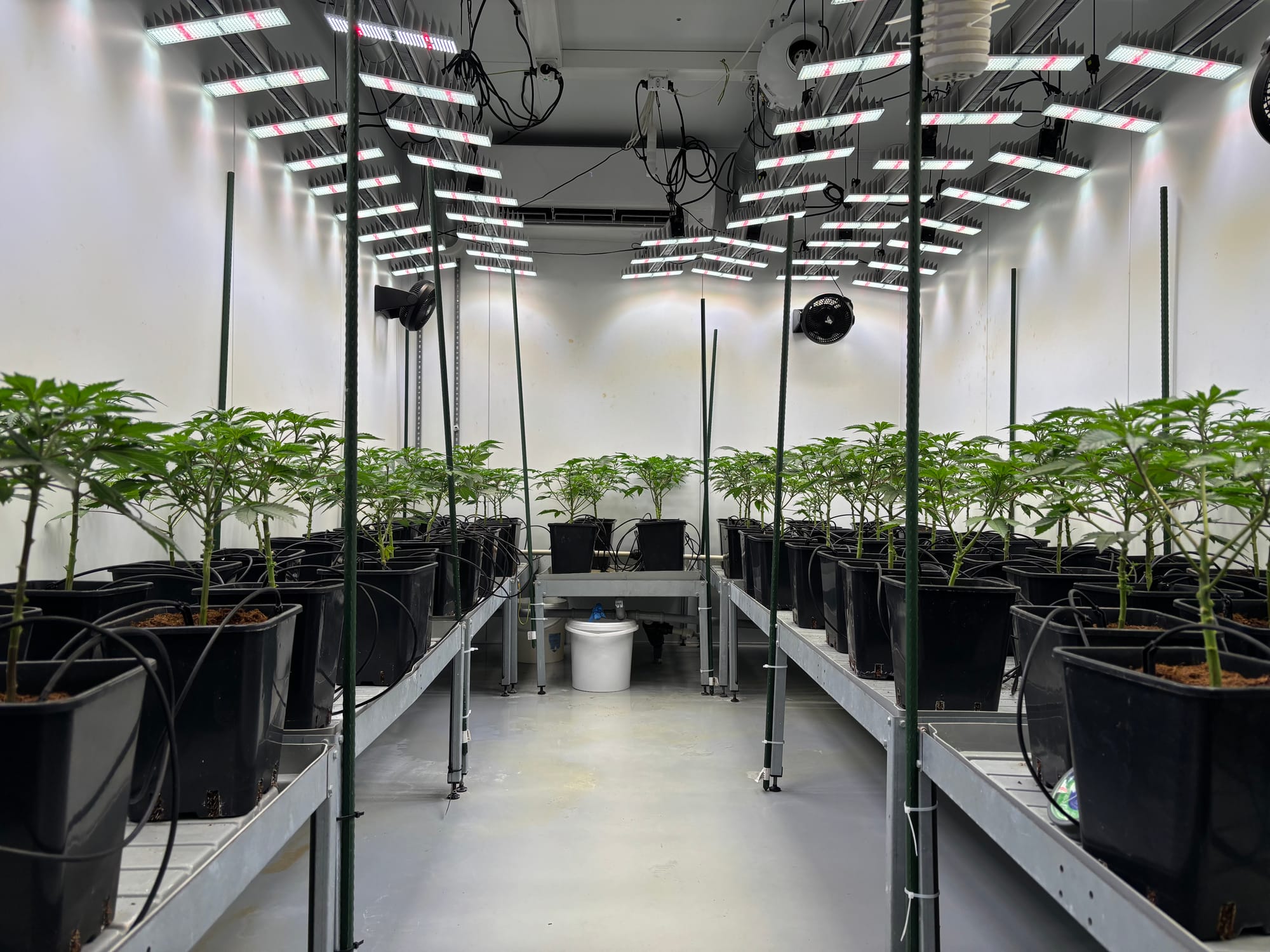
The facility currently operates on just 20 square meters of cultivation space, though plans exist to expand tenfold. “Expansion would require building a completely new facility within the hospital that meets GACP requirements from the ground up,” Schreiber says.
Funding remains the primary barrier. “A tenfold increase would require a distribution partner capable of handling significantly higher output—ideally internationally—because the Czech market is currently saturated.”
Until then, restraint remains intentional.

Research at the Core
Despite supplying patients, research remains central to the hospital’s mission. Schreiber and his colleagues collaborate closely with universities across Europe, including ongoing work with the Medical University of Gdańsk on non-destructive cannabinoid analysis.
“This method allows us to perform large-scale sampling throughout different growth stages,” he says. “It significantly increases precision while reducing plant loss.”
Future research may extend into oncology. “There is strong interest in examining the effects of individual cannabis compounds on different cancer cell types,” Schreiber notes, referencing potential collaboration with the hospital’s International Clinical Research Centre.
A Model Rooted in History—and Looking Forward
There is an added layer of historical symmetry to the work being done here. The hospital’s cannabis cultivation facility sits only tens of meters (approximately 100 feet) from the site where Gregor Johann Mendel conducted his pea-plant experiments in the mid-19th century—work that laid the foundations of modern genetics. Today, another plant is being studied with the same emphasis on precision, inheritance, and measurable outcomes.
Each year, St. Anne’s University Hospital organizes the Cannabis & Science international conference, now one of Central Europe’s most influential scientific gatherings focused on medicinal cannabis. The event reflects the hospital’s broader philosophy: evidence first, hype last.
📍 Cannabis & Science XI
🗓 22 April 2026
📍 Brno Observatory and Planetarium
Readers can register easily via the conference website:
👉 https://konopiaveda.cz/en/registration/
(A QR code linking directly to registration is recommended for print editions.)
For professionals, researchers, or institutions interested in learning more about the hospital-based cultivation model, inquiries and feedback are welcome at:
📧 patrik.schreiber@fnusa.cz
What St. Anne’s has built is not a template for rapid global replication. It is something more deliberate—and more radical. Proof that when cannabis is treated not as a commodity, but as medicine, the entire system changes.
And sometimes, the shortest distance between cultivation and care is the most transformative of all.