
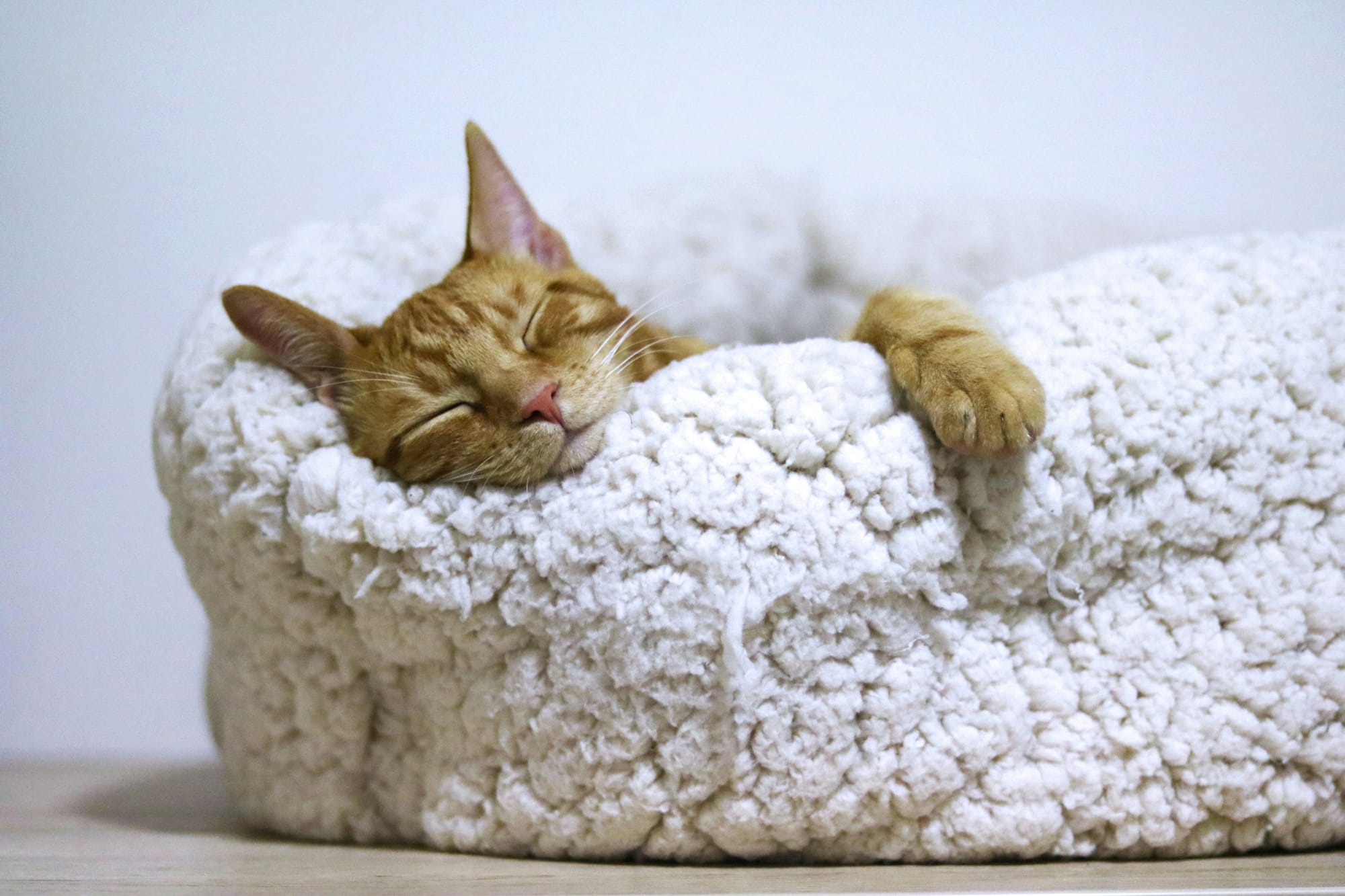

There is a point you reach where your body stops bothering to whisper and simply folds its arms, sits down and refuses to move. Most people call it burnout, though that word feels too tidy for something that can knock the color out of everything you do.
Burnout arrives slowly, then all at once. And when it does, it makes even small choices feel enormous.
Rest becomes something you think about rather than experience.
You catch yourself scrolling through your phone late at night while telling yourself you should sleep.
You promise you will take a proper break soon.
You do not.
What Radical Rest Really Means
Radical rest feels like a contradiction when you first stumble on the idea. Most of us have grown up believing rest means collapsing on the sofa with the television on or grabbing a quick nap before getting back to work and helping the Capitalist wheel turn. According to the 2025 Aflac WorkForces Report, nearly 72% of U.S. employees face “moderate to very high stress” at work - the highest level recorded in six years.
No wonder we are exhausted. And yet, the idea of taking rest seriously, of giving it intention and shape, is just unfamiliar.
Yet the more you sit with the idea, the more you see it is not about luxury, but about rebuilding the foundation you have been standing on.
The first part of radical rest is noticing how much time you spend trying to outrun your own tiredness. People fill their schedules and then add a little more. They turn hobbies into projects. They plan weekends so heavily they return to work on Monday feeling worse than they did on Friday.
Rest becomes something you might squeeze in around the edges. Real rest requires space. You do not need a retreat or a plane ticket. You need a willingness to stop pretending that exhaustion is the price of being a functioning adult.
Things to Do When You Rest
In that space, you make choices about how you use your time in ways that genuinely refill you.
Some people read without feeling the need to turn it into self-improvement.
Others take long walks with no set distance or destination. A few sit quietly with a cup of tea until the world stops buzzing. There are people who enjoy cooking for the simple pleasure of it.
Some relax by spending a little time on the top online casino without verification, because it’s quick to get started, requires little effort, doesn’t involve long sign-up processes and gives their brain a break from the endless running commentary of daily life.
The point is not which activity you choose. The point is that it feels restful rather than depleting.
Listening to Your Body
Radical rest is also physical. Burnout often sits in the body long before the mind notices anything is wrong.
Shoulders creep upward. Breathing becomes shallow. Your jaw tenses when you read emails.
You tell yourself it is nothing.
Over time, these habits stack until your body is carrying the weight of all the moments you refused to pause.
Part of the rest is unlearning the constant tightening. You lie down; You breathe slowly; You allow your muscles to drop instead of holding them up through sheer force of habit. Even ten minutes of this can feel uncomfortable at first. Many people do not realise how much they brace against the world until they get permission to stop.
Emotions and Saying No
People often describe guilt as one of the biggest hurdles in their rest. There is a strange belief that unless you are constantly doing something, you are wasting time. This belief is stubborn. It tells you that rest is lazy, even when you are on the verge of collapse.
Radical rest requires unpicking that voice. You remember that you are not a machine. You are a person with limits, seasons, rhythms and needs. Rest is part of existing. It is not optional. It is not indulgent. It is something that keeps you from becoming someone who can no longer feel much of anything.
There is an emotional side to it as well. Burnout often brings a sense of numbness or detachment. You find yourself moving through life rather than participating in it. Rest gently invites feelings back. Not all of them are pleasant.
Sometimes the first thing that arrives is frustration or sadness because you finally stop long enough to register what you have been pushing down. Radical rest creates room for those emotions to be acknowledged rather than shoved aside.
That alone can be healing.
Small Rituals That Work
The practical part of rest is building small habits or rituals that are simple enough to maintain even when you are tired. A short walk after lunch. A slow stretch before bed. A moment of quiet in the morning where you let the day begin without leaping straight into work.
None of these solve your problems by themselves, however. They simply give you a rhythm that allows your body and mind to feel held rather than dragged along.
Another part of the process is learning what drains you. It is easy to assume that anything labelled fun should be energising, but that is not always true. Social events that leave you empty. Conversations that feel like work. Commitments you make because you think you should.
Rest sometimes involves saying no, which can be uncomfortable if you are used to pleasing everyone around you. Yet every time you say no to something that exhausts you, you say yes to the space you need to recover.
Returning to Curiosity
As balance slowly returns, something else appears: curiosity. Exhaustion and much of our busy lives in general flatten curiosity. Rest brings it back. That curiosity might show up as a small desire to try something new or revisit something you once enjoyed. It might be an interest in cooking again or a wish to travel, or even a sudden urge to reorganise a room.
These impulses are gentle signs that your energy is beginning to rebuild.
They are not invitations to overload yourself again. They signal that you are re-entering your life rather than observing it from a distance.
Rest as a Practice, Not a Phase
Eventually, you start to recognise that rest is not a phase you go through. Rest is a practice. You do not wait until everything falls apart before allowing yourself to breathe.
You weave rest into the fabric of your days so that balance becomes something sustained rather than something you chase after you have hit your limit.
It is rarely perfect. Some weeks, you will manage it. Some weeks you will not. That is normal. What matters is the ongoing awareness that you have permission to stop.
Radical rest is not glamorous. It is also not a trend, or at least, it shouldn’t be. It is a quiet return to yourself. It teaches you to listen in ways you may have forgotten. It reminds you that exhaustion is not a badge of honour. It shows you what your life feels like when it is not built on the edge of collapse.
And in the steady, slow moments where you choose stillness, you learn something you may not have realised for a long time.
You learn that your worth is not measured by your productivity.
You learn that rest is a form of respect. Not for your work. Nor for your achievements.
For you.
