

The Scientist: An Orchestra of Molecules
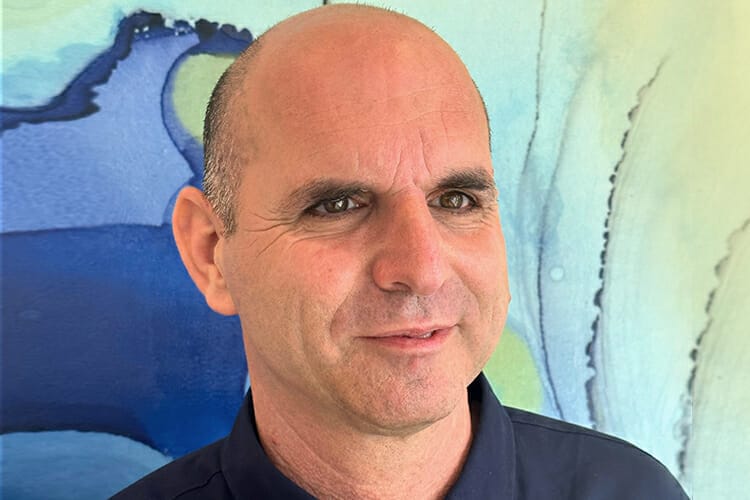
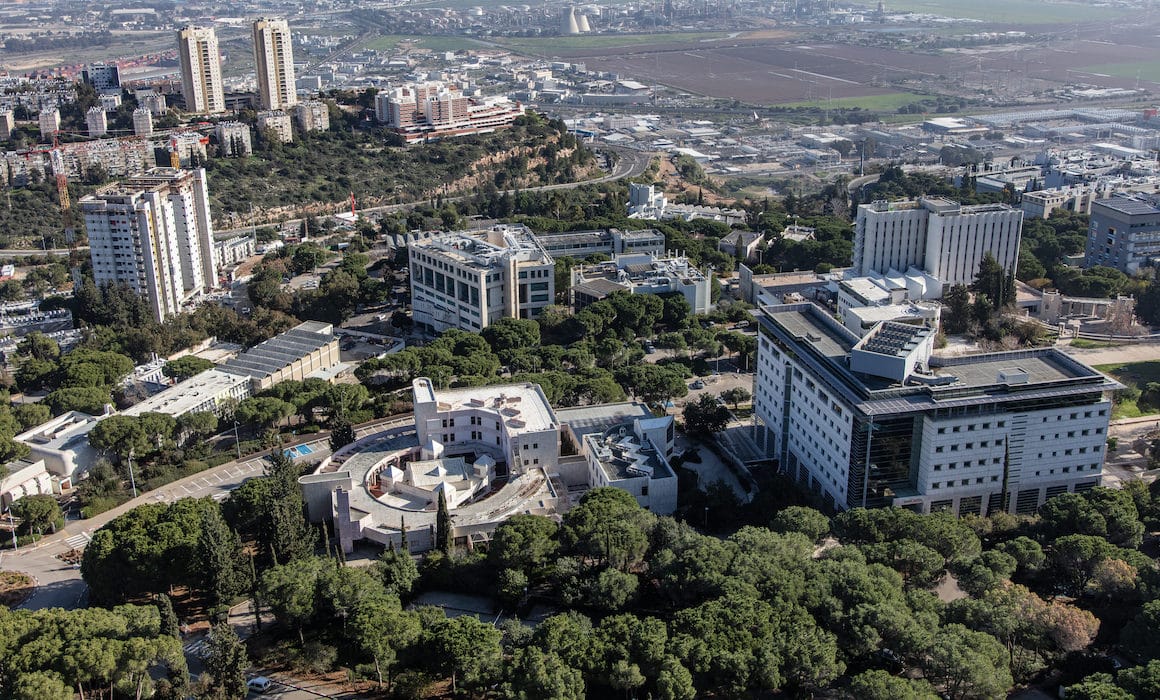
In the field of cannabis research, few names surface as consistently in academic circles as Prof. Dedi Meiri. Widely regarded as one of the most influential cannabis researchers working today, Meiri leads one of the most advanced academic laboratories dedicated to studying cannabis at the molecular level at the Technion – Israel Institute of Technology.
His work sits at the intersection of plant genetics, biochemistry, and disease biology — a rare convergence that has placed him at the forefront of how cannabis is understood scientifically. In his laboratory, the plant is not mythologized or politicized. It is analyzed.
The mission is clear: identify the molecules, define the mechanisms, and translate botanical complexity into something medicine can use.
From Plant Biology to Cancer Pathways
Meiri is a plant molecular biologist by training, with postdoctoral work in cancer biology. That dual expertise — how plants produce compounds, and how cells respond to them — shaped the direction of his research.
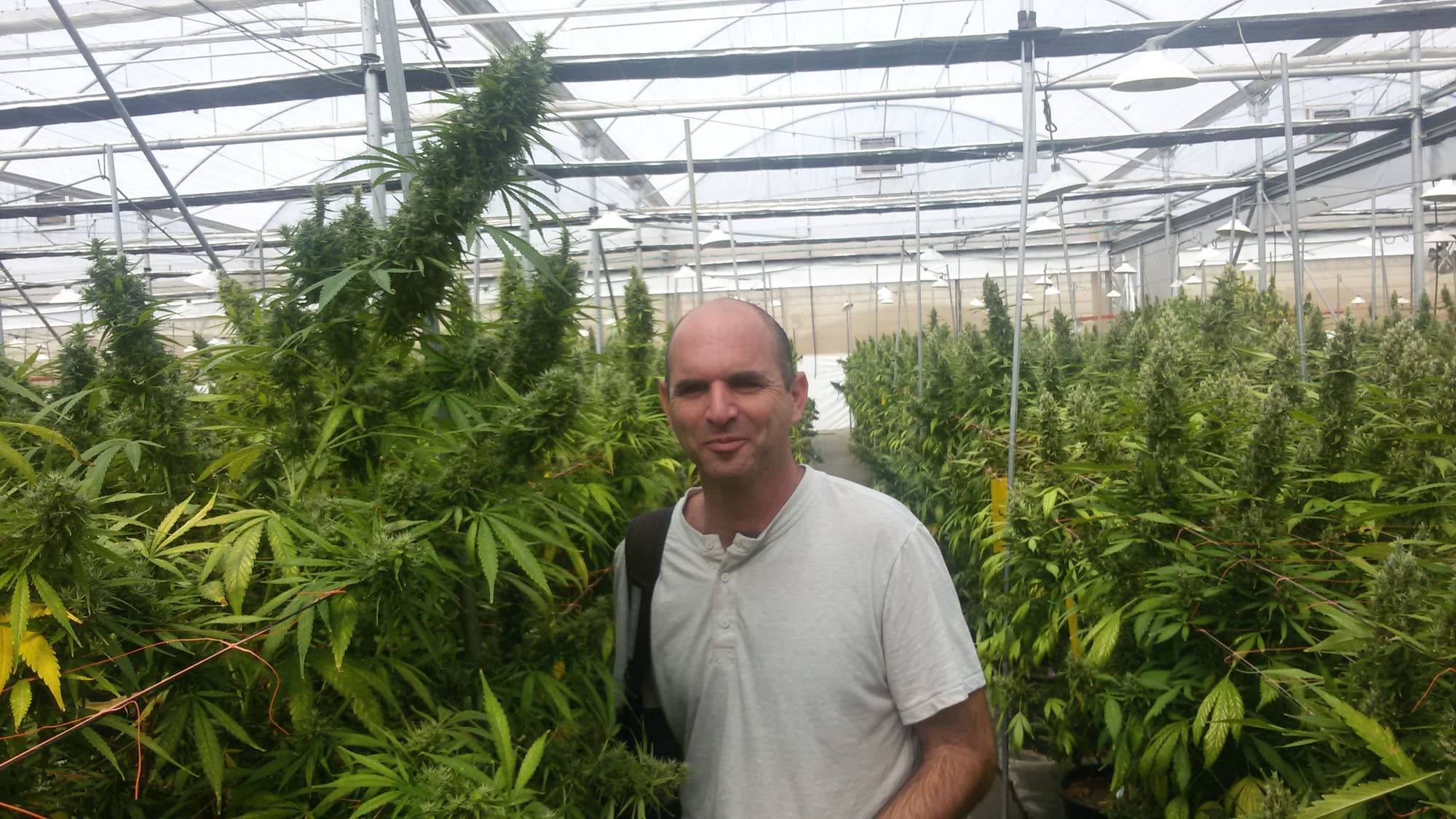
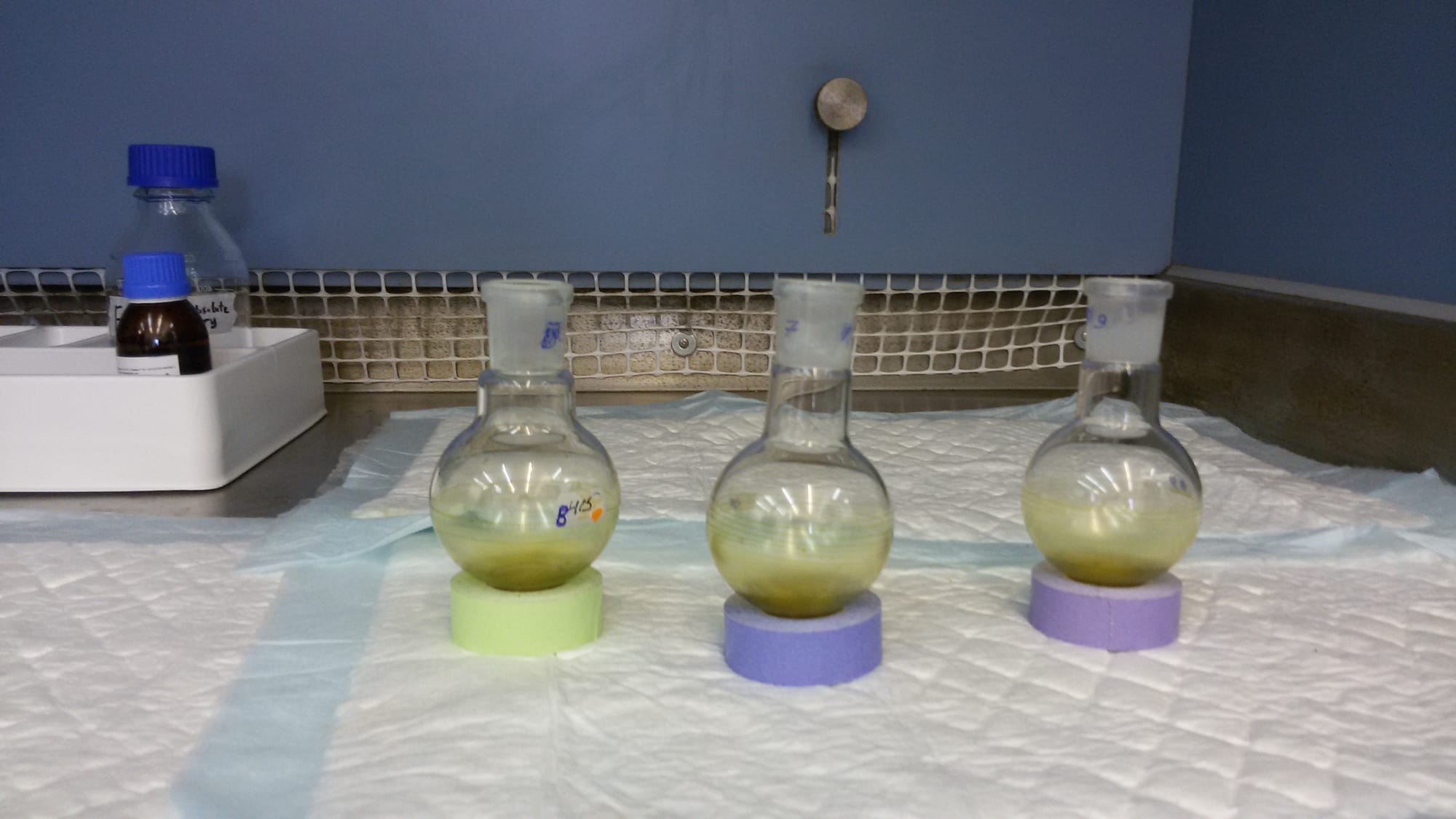
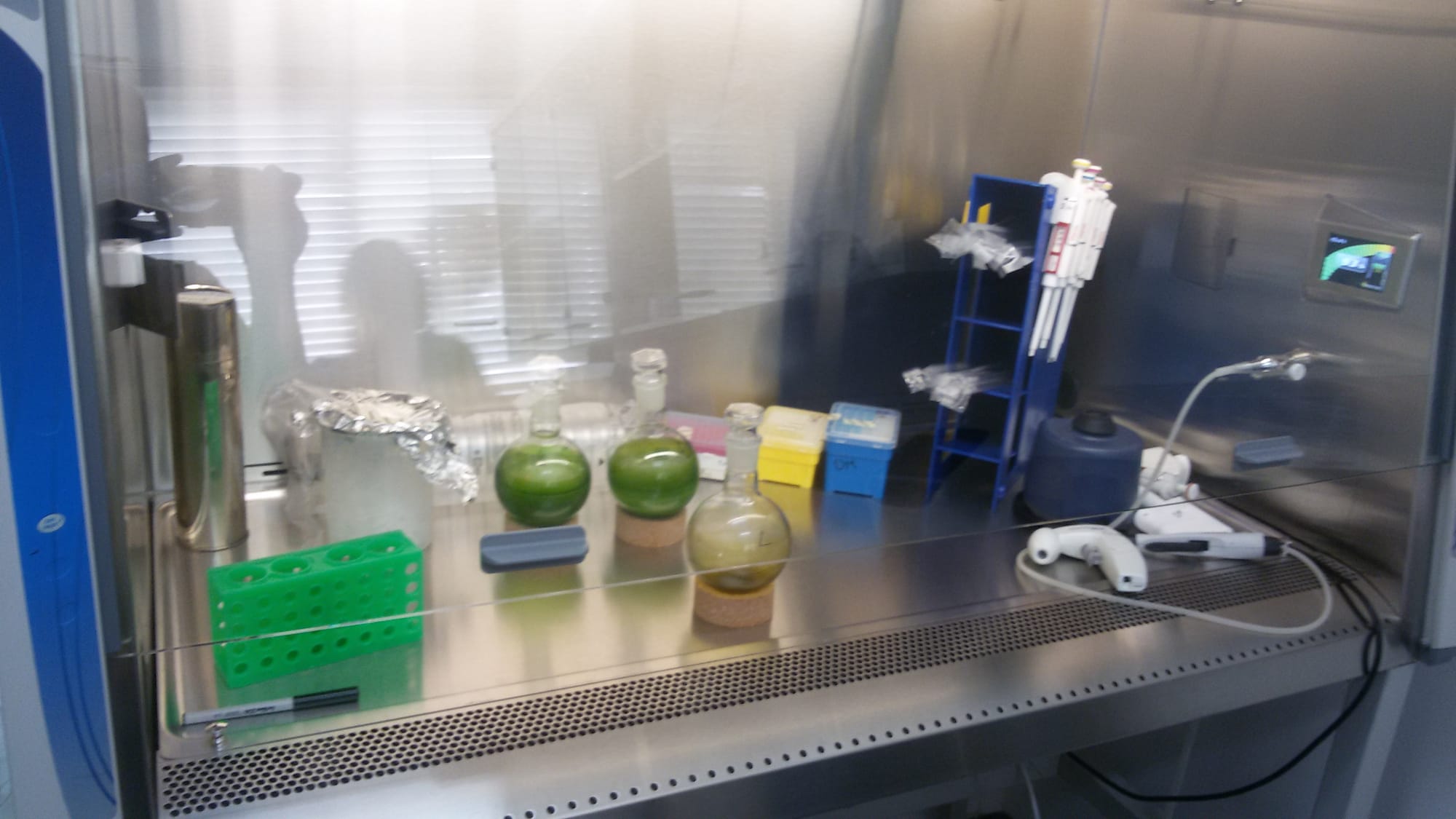
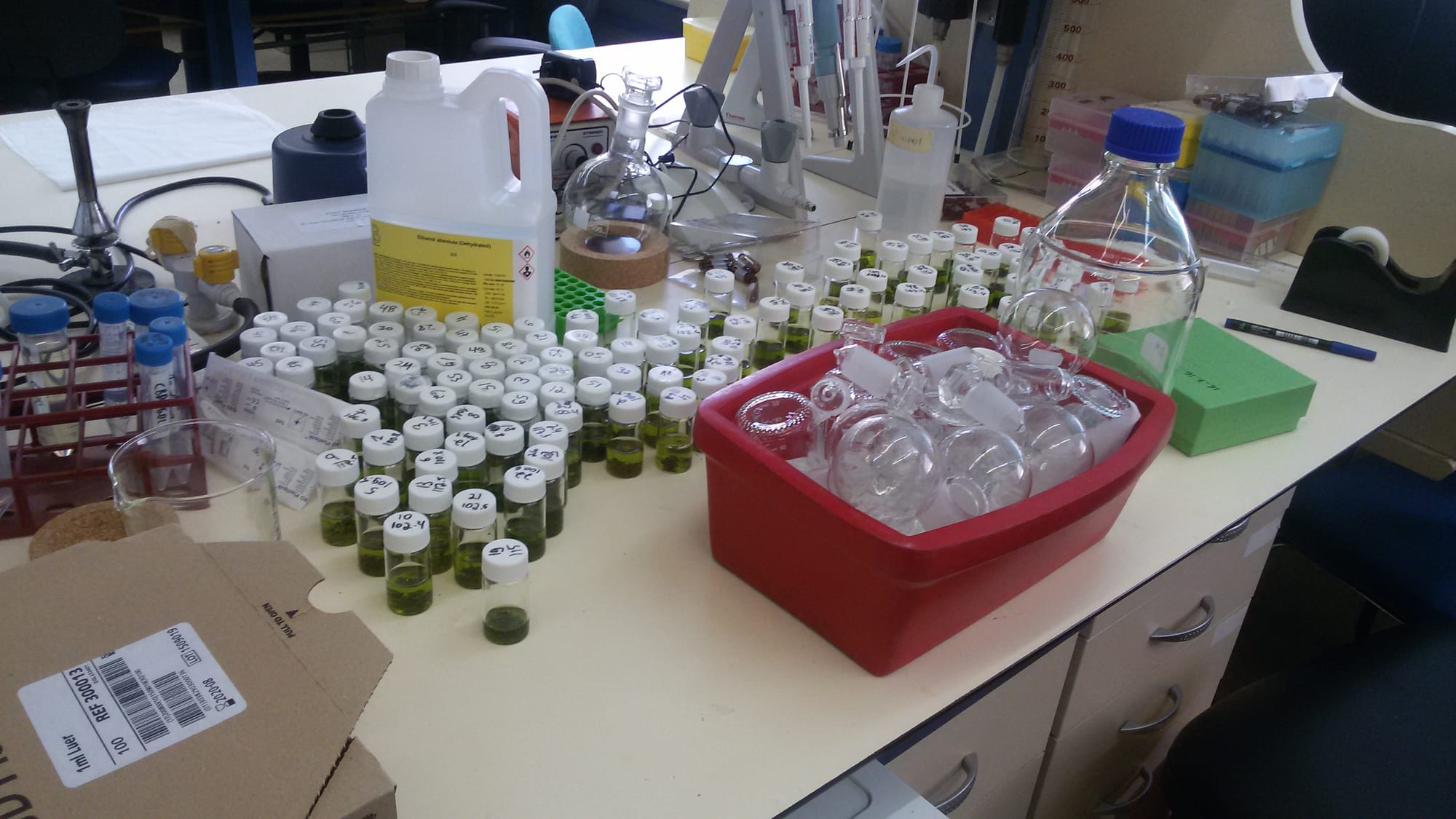
“My main work in the lab is around cancer,” he says. “There was a paper… showing that if you put cannabis on breast cancer, it’s blocking the ability to migrate and create metastatic [tumor]. And this is what brought me to start to look at cannabis and cancer.”
The shift was not cultural. It was scientific. If cannabis affected cancer cell migration, then something inside the plant was interacting with a specific biological pathway. That interaction could be studied, measured, defined.
Over time, his lab began identifying how different cannabis compositions affect different cancer subtypes. Rather than treating cannabis as a single intervention, the research evaluates how specific molecular profiles interact with specific mutations and receptor expressions. In some cases, the lab has observed defined extracts influencing migration, immune signaling, and programmed cell death — but always within specific cellular contexts.
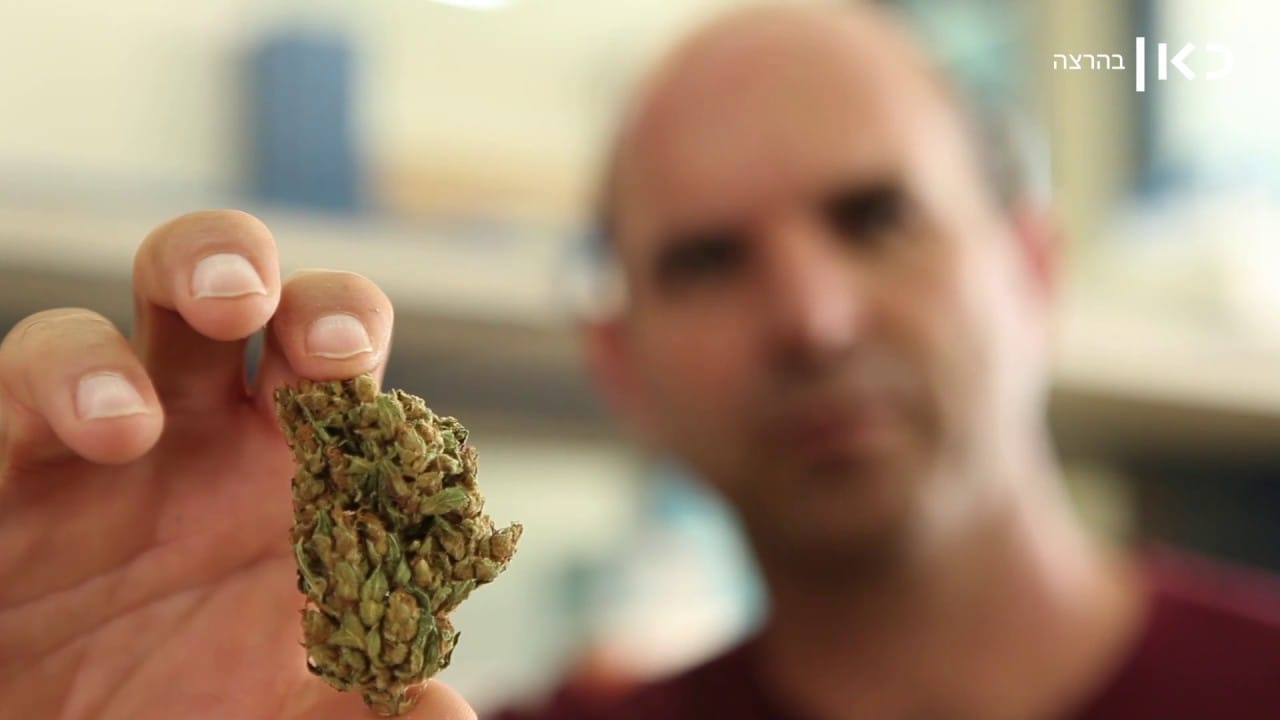
Cannabis Is Not One Thing
Public conversation often reduces cannabis to THC and CBD. In Meiri’s lab, that simplification disappears quickly.
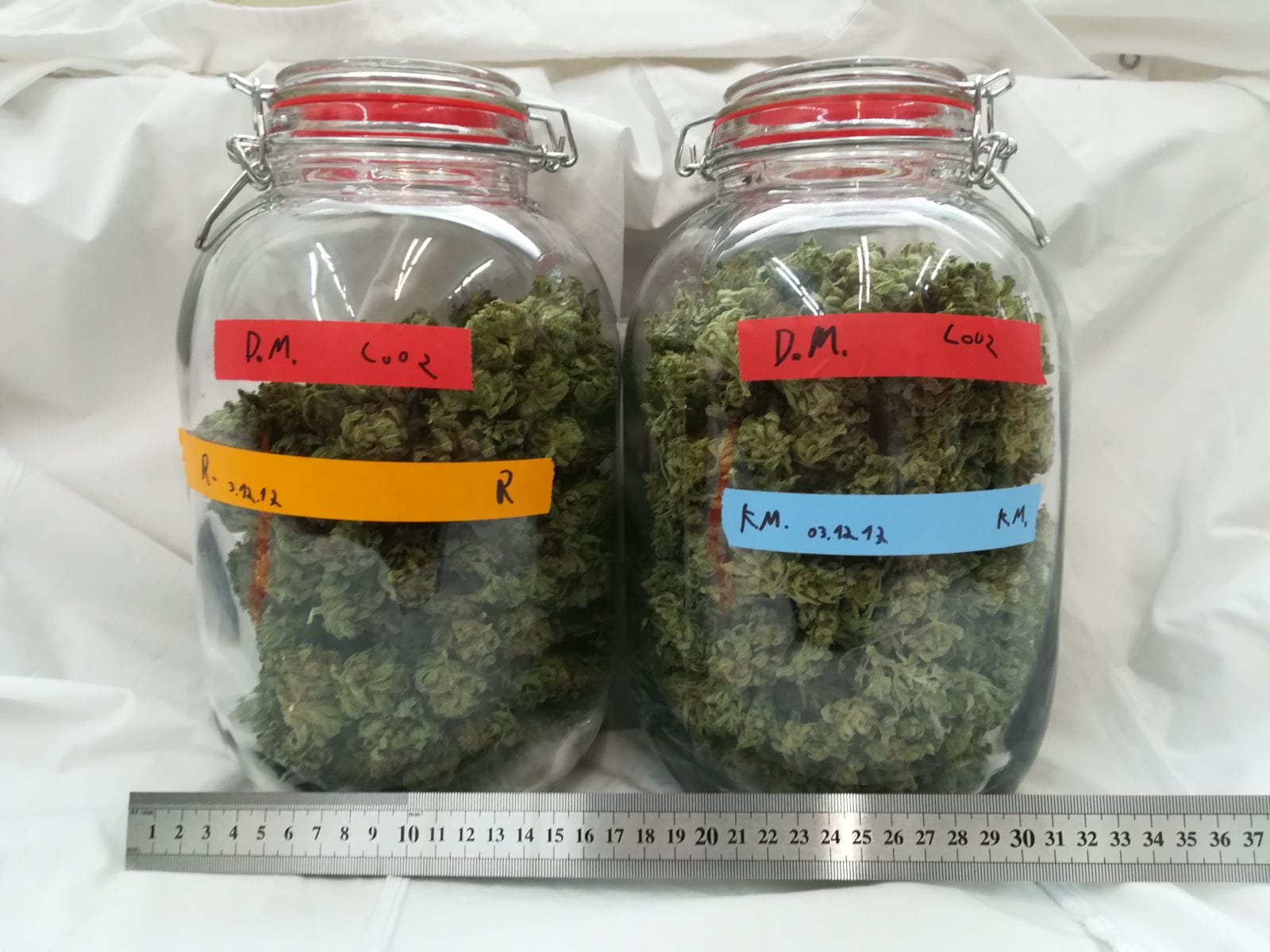
Cannabis contains dozens of cannabinoids and hundreds of additional compounds — terpenoids, flavonoids, and minor metabolites — and different cultivars express them in different concentrations. Those variations influence how cells behave.
“We are working with medicinal plants trying to define how they’re working, what is the mechanism of action, what are the molecules,” Meiri explains.
That means chemical profiling. Cellular assays. Pathway mapping. Reproducibility.
It also means rejecting generalizations.
“Cancer is more than 1000 different diseases,” he says. Each subtype behaves differently. Each responds differently. A broad claim about cannabis cannot apply uniformly across that landscape.
Specificity must meet specificity.
In his laboratory, testing ranges from cell cultures to animal models and, in certain cases, clinical trials. “So it's all from cell growing in the plate to animals to humans,” he explains. That continuum — from controlled in-vitro studies to human research — is central to how his team validates findings before drawing conclusions.
The Endocannabinoid Interface
Cannabis interacts with the body through the endocannabinoid system — a regulatory network present throughout human tissues. It influences appetite, sleep, immune response, inflammation, and metabolism.
The body produces its own cannabinoid-like molecules. Plant-derived cannabinoids bind to the same receptors, modulating existing signaling systems.
“Every cell in our body harbor the endocannabinoid system in order to communicate,” Meiri explains. This signaling network operates locally — cells producing endocannabinoids that act on nearby cells to regulate pain, inflammation, metabolic balance, and neurological function.
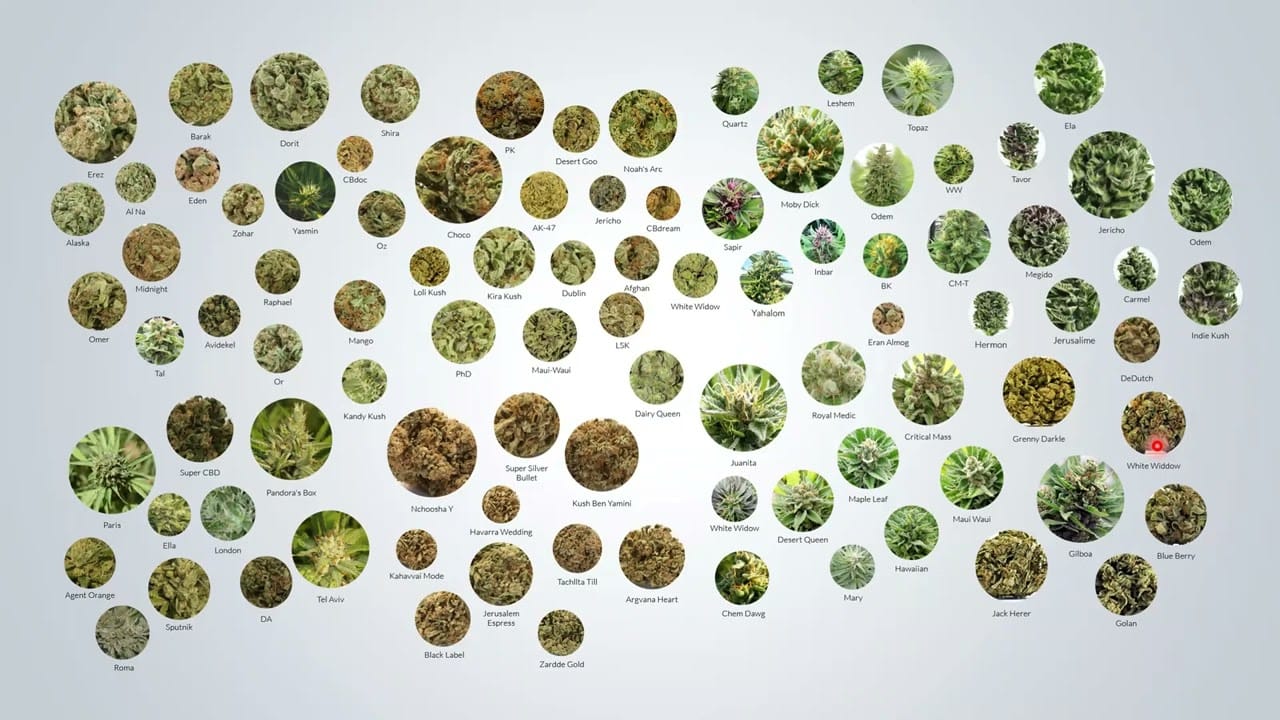
But modulation depends on context: receptor density, tissue type, disease state. Not all cannabinoids behave the same way. Not all compositions produce the same outcome.
Understanding that distinction is central to Meiri’s work.
The Orchestra of Molecules
Modern pharmacology has long favored single active compounds. Plants rarely operate that way.
“Sometimes you need a combination of many molecules to get an effect,” Meiri says. “It’s an orchestra of molecules that’s working together.”
In some conditions, isolated cannabinoids demonstrate measurable activity. In others, combinations appear to produce stronger biological responses than single molecules alone.
In inflammatory conditions, for example, his lab has studied how certain compounds reduce cytokine signaling, while others influence immune cell migration. When those compounds appear together within a specific plant profile, the combined effect can be more significant than either alone.
Advances in analytical chemistry now allow hundreds of compounds to be identified and quantified rapidly. Computational tools enable researchers to examine how those compounds interact across multiple pathways at once.
“Today I can identify thousands of molecules in minutes,” Meiri explains, describing how modern analytical platforms allow detailed profiling that would have taken years in previous decades.
What was once considered too complex to study is now measurable.
From Access to Accuracy
As medical cannabis programs expanded globally, availability often outpaced precision. Products multiplied. Indications broadened. Standardized biochemical frameworks lagged behind.
For Meiri, the next phase is refinement.
“If we are treating epileptic kids, autistic kids with chronic pain, severe diseases — we must know better. We must be way more accurate.”
Accuracy, in this context, is not limitation. It is responsibility.
Defined chemical profiles linked to defined biological effects. Mechanism understood before prescription. Data before assumption.
He emphasizes that this shift requires structured collaboration between researchers, physicians, regulators, and pharmaceutical systems — so that cannabis is prescribed with the same clarity expected of any other therapeutic platform.
Beyond the Plant
While cannabis is central to his laboratory, Meiri’s broader inquiry extends to medicinal plants more generally. For decades, Western medicine moved toward isolating single molecules. Today’s tools make it possible to revisit plant complexity without sacrificing rigor.
“I believe that plants harbor a complexity… an orchestra of molecules,” he says. “Today we have the abilities and the tools to understand this orchestra.”
Cannabis may be the proving ground. The framework extends further.
In a field shaped by strong opinions, Prof. Dedi Meiri’s contribution is structural.
The plant does not need exaggeration. It needs definition.
And at the Technion, that definition continues to take shape — molecule by molecule — at the cutting edge of cannabis science.
