
New York Cannabis Crisis: 152 Dispensaries Face Challenging Relocation After OCM Admits Major Legal Blunder
By Honeysuckle Media
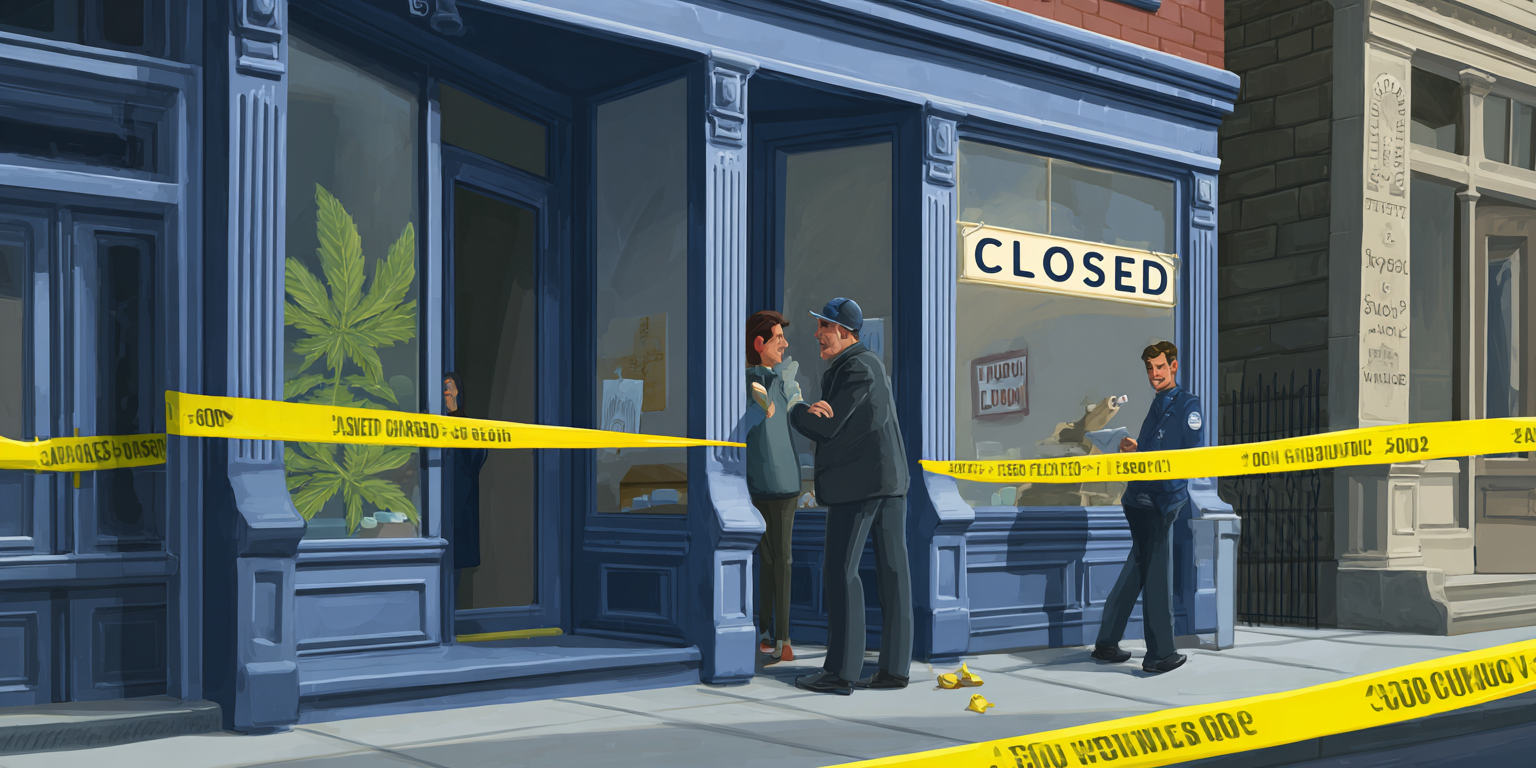
“This is devastating news that would force our business and dozens of others to permanently close,” said Jillian Dragutsky, co-owner of Yerba Buena, one of 152 cannabis dispensaries now in jeopardy across New York. “We urge policymakers to act swiftly to protect the integrity of the existing market by adopting a resolution that allows licensed operators to continue operations in their current locations. These businesses have followed the rules, invested heavily into their businesses and are now at risk through no fault of their own. Immediate action is critical to prevent widespread disruption and loss.”
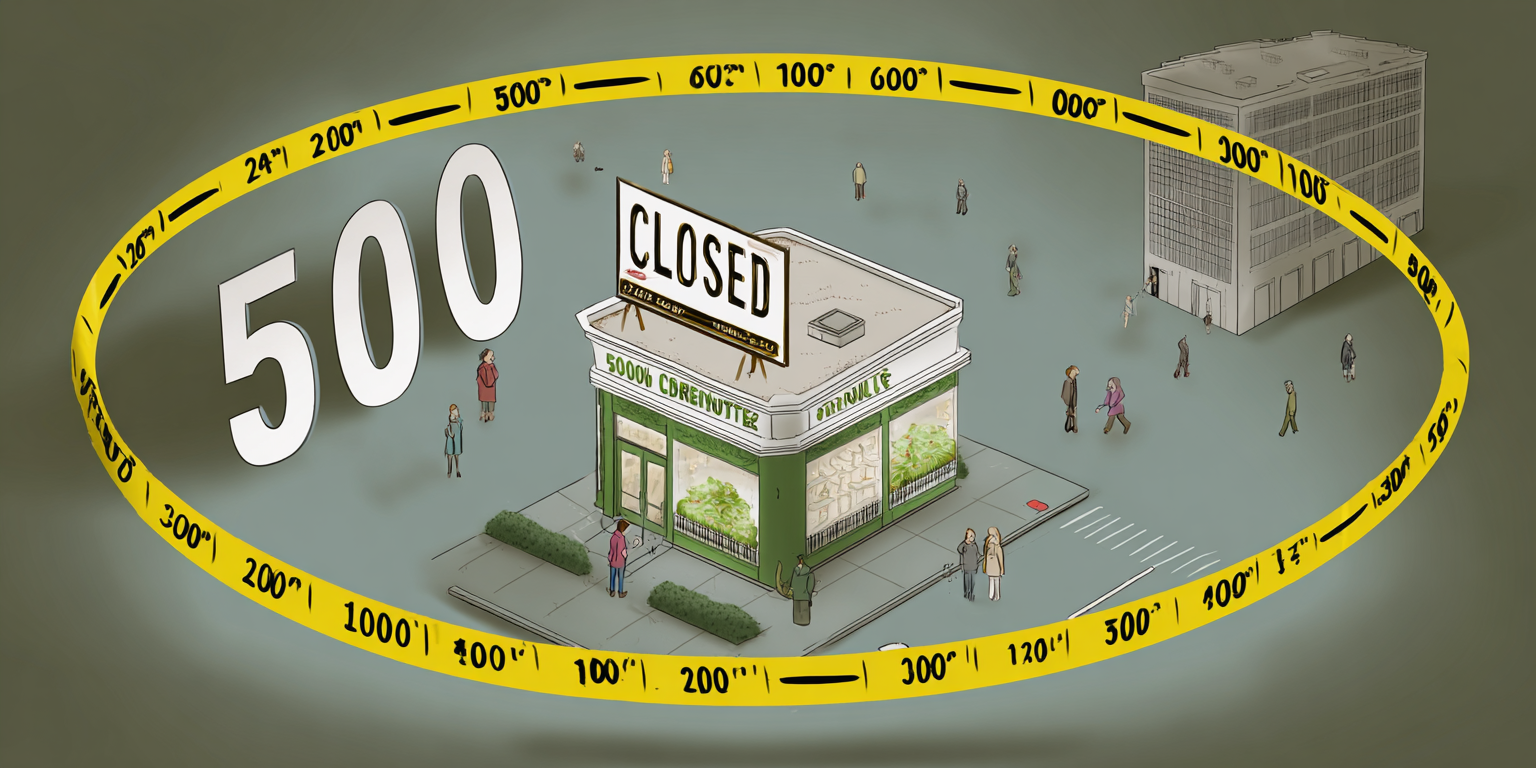
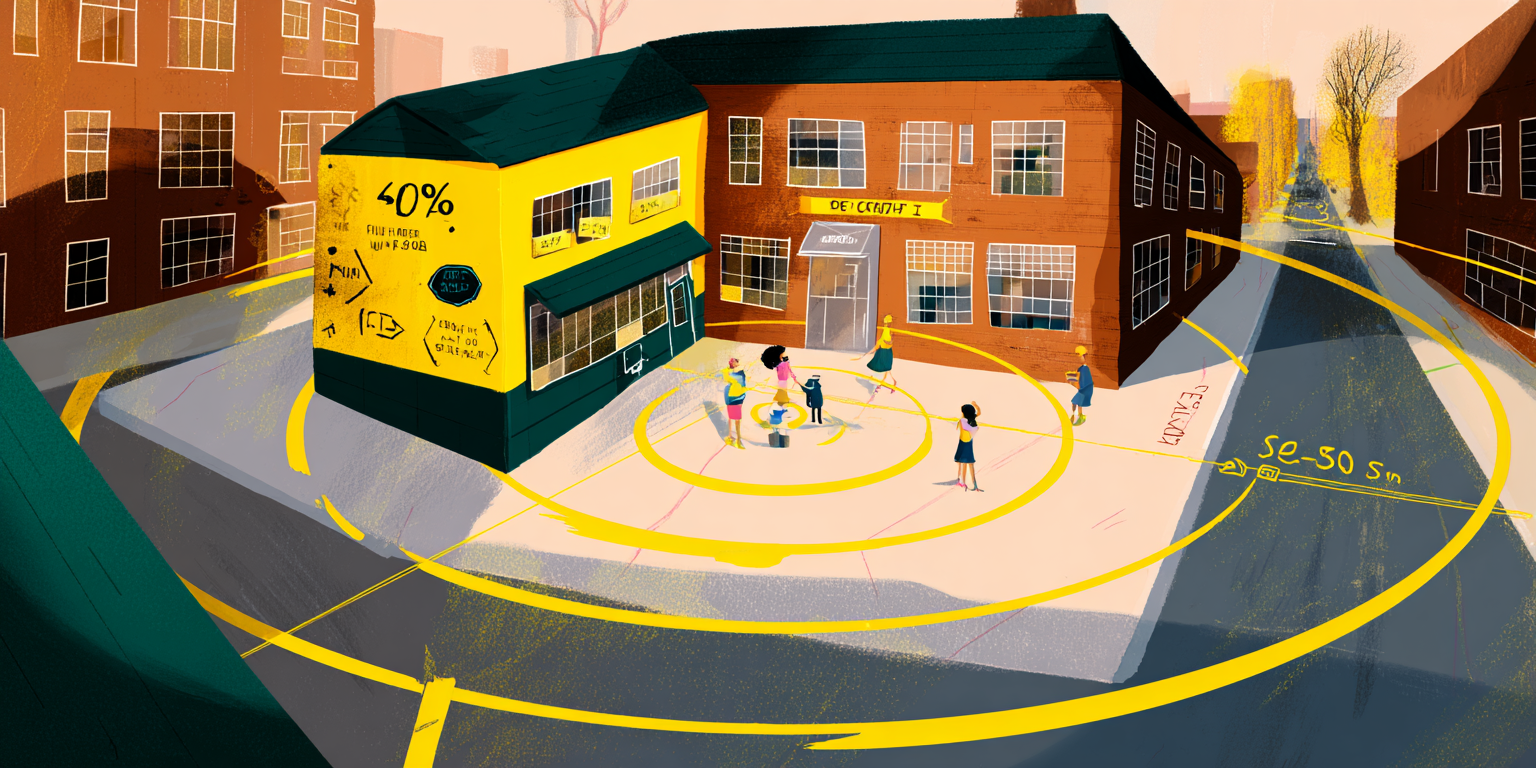
Dragutsky’s statement comes in response to the New York State Office of Cannabis Management (OCM) announcing on Monday that it had been using an incorrect method to measure the legally mandated 500-foot distance between dispensaries and schools. The revelation affects 105 licensed businesses and 47 applicants—most of whom are Social and Economic Equity (SEE) licensees or part of the Conditional Adult-Use Retail Dispensary (CAURD) program.
OCM Acting Executive Director Felicia Reid confirmed the error in a press briefing, stating the agency’s prior siting method had violated Cannabis Law § 72 (6). That law prohibits cannabis retailers from operating within 500 feet of “school grounds,” as legally defined by Education Law § 409 (2) to include all buildings and outdoor property registered as part of a school’s footprint.
Previously, OCM measured the distance from a dispensary’s front entrance to a school’s entrance—but only when the school was on the same street and exclusively used for education. This method borrowed from zoning laws in 9 NYCRR §§ 119.1 and 119.4, which OCM now acknowledges do not override the clear statutory requirements in cannabis law.
“This was a difficult but necessary decision to bring the office’s practices into full alignment with cannabis law,” said Reid. “If we expect the cannabis community to follow the law and OCM’s rules, then we must, too.”
Applicants with non-compliant proposed locations now face a harrowing choice: relocate or risk losing their licenses. To mitigate the damage, OCM announced a $15 million Applicant Relief Program through a collaboration with Governor Kathy Hochul’s office and Empire State Development. The fund will provide up to $250,000 per applicant to cover relocation expenses, moving fees, or capital improvements for locations no longer deemed legally viable.
“It’s not good, it will affect a lot of stores, it will cause people to close down shop and not reopen,” said Markel Bababekov, owner of The Herbal Care dispensary. “This is not good for the industry. And not good for the individuals that will be affected. With the market trends, most of the dispensaries lost been 25-50% on their income in the last 6 months. And now with this. It will be a huge burden to have people move location. It’s already very hard to find a location. This will make it impossible.”
Some in the industry point to a lack of legal clarity and oversight as the root of the problem.
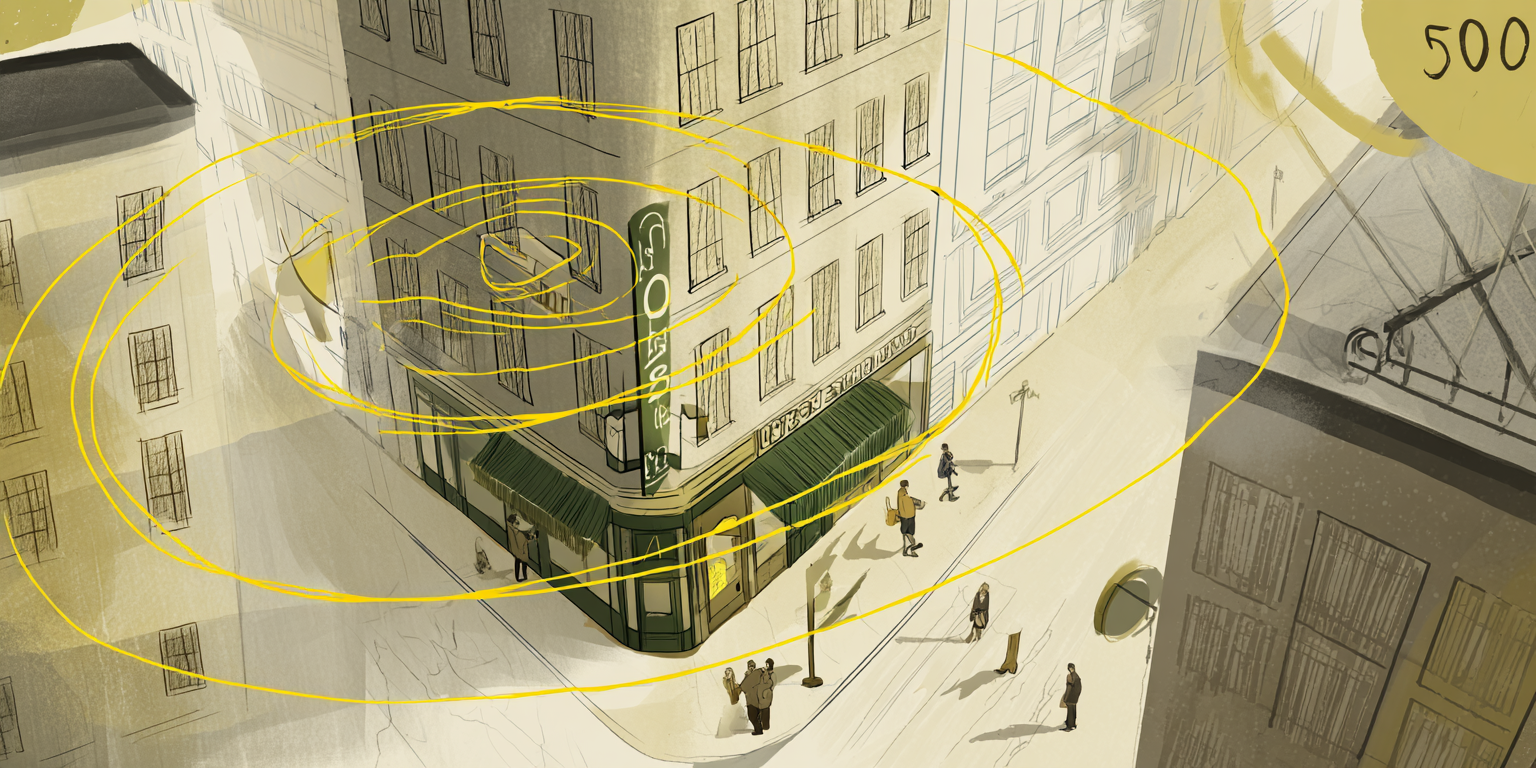
“Sadly it appears that the OCM was not always focused on harmonizing their regulations with the actual statutory language they were required to operate under,” said David Feldman of Skip Intro Advisors. “Now dozens and dozens of open dispensaries may have to move and it is not clear who must bear the cost of that, even assuming these licensees can get out of their leases and find other compliant locations. It’s one of a number of very messy issues facing the new management team at OCM.”
The ripple effects could be massive, potentially derailing the state’s adult-use rollout entirely.
“I have spent most of my day and night speaking to impacted clients, contacts and others here in NY,” said cannabis attorney Jeff Shultz. “I don't think that it's sunk it yet for most folks how deeply troubling this situation is, and how catastrophic this will be for the NY adult use market. It has sunk in for me: it's an unmitigated disaster, up and down the supply chain.”
Shultz elaborated: “A large number of licensees will become insolvent, and their owners will file for personal bankruptcy, most of whom are social equity qualified. There are several high profile, high grossing stores that will need to move locations or have their licenses revoked. So many operators sunk money into their buildouts, so many signed PGs on leases, so many bought property, so many industry employees will lose their jobs. Tens of millions of dollars in losses—likely more. All because folks relied on the regulations as drafted and approved by the OCM and the CCB.”
He added, “Lawmakers are not coming to save the day. They won't be back in Albany until the fall at the earliest, and perhaps not until January (which will be way too late). All projections about sales numbers, store openings, brand launches, etc... throw it out. All bets are off.”
Investor Jeanne Sullivan echoed the urgent need for triage: “At times like this—there needs to be a work-around to protect those dispensaries who are already operating and received the sought-after proximity protections.”
Others voiced frustration about the motivations behind the law itself.
“The proximity rules aren’t about safety or saturation—they’re about control,” said Mario Ramos, owner of I Bud You Inc. “And once again, it’s the legacy community paying the price.”
Reid acknowledged the magnitude of the misstep and committed to ongoing internal reviews of agency practices: “Equity and lawful agency practice are not—and cannot be—mutually exclusive,” she said. “OCM cannot set up businesses and New York’s equity goals to be hamstrung in the future by the agency not following the law in the present.”
But for many small businesses like Yerba Buena, that promise might come too late.
