


For more than a decade, Berlin has quietly transformed from a city of activist energy and underground reform efforts into one of the most strategic nerve centers of Europe’s regulated cannabis economy. At the heart of that transformation stands ICBC Berlin, the European flagship of the International Cannabis Business Conference (ICBC).
For founder Alex Rogers, the decision to invest long-term in Berlin was never purely business. It was personal.
A Mission Forged in Experience
Rogers once lived in Germany and was part of its cannabis community. He was also incarcerated there for a cannabis offense. That experience left a lasting mark—and a mission.
Bringing ICBC to Berlin, he explains, was about accelerating reform by creating a space where entrepreneurs, investors, policymakers, and advocates could meet face-to-face. Germany was always going to become Europe’s continental leader in cannabis, he recognized early on. The question was not if, but when.

Over the last decade, Germany’s industry has evolved dramatically. Through it all, ICBC Berlin has operated not as a spectator, but as a catalyst—connecting the people who would ultimately shape the country’s regulatory framework.
Berlin today signals something profound about the global industry’s trajectory: cannabis reform is no longer speculative. It is operational.
From Dreaming of Legalization to Refining It
In ICBC Berlin’s early years, conversations centered around possibility—how to convince policymakers to allow legal cannabis to exist at all. Panels were forward-looking and aspirational, filled with strategy sessions on overcoming prohibition.
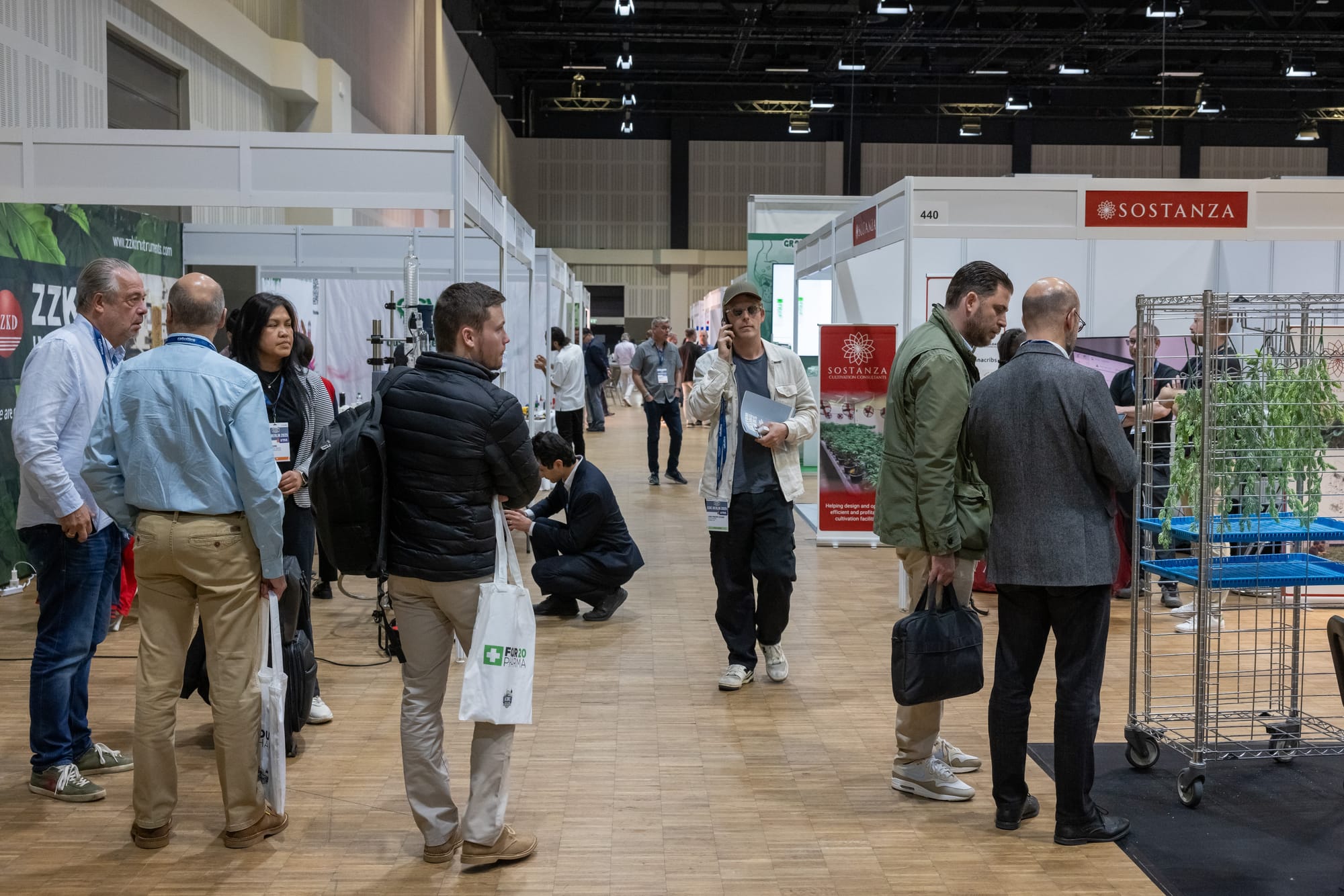

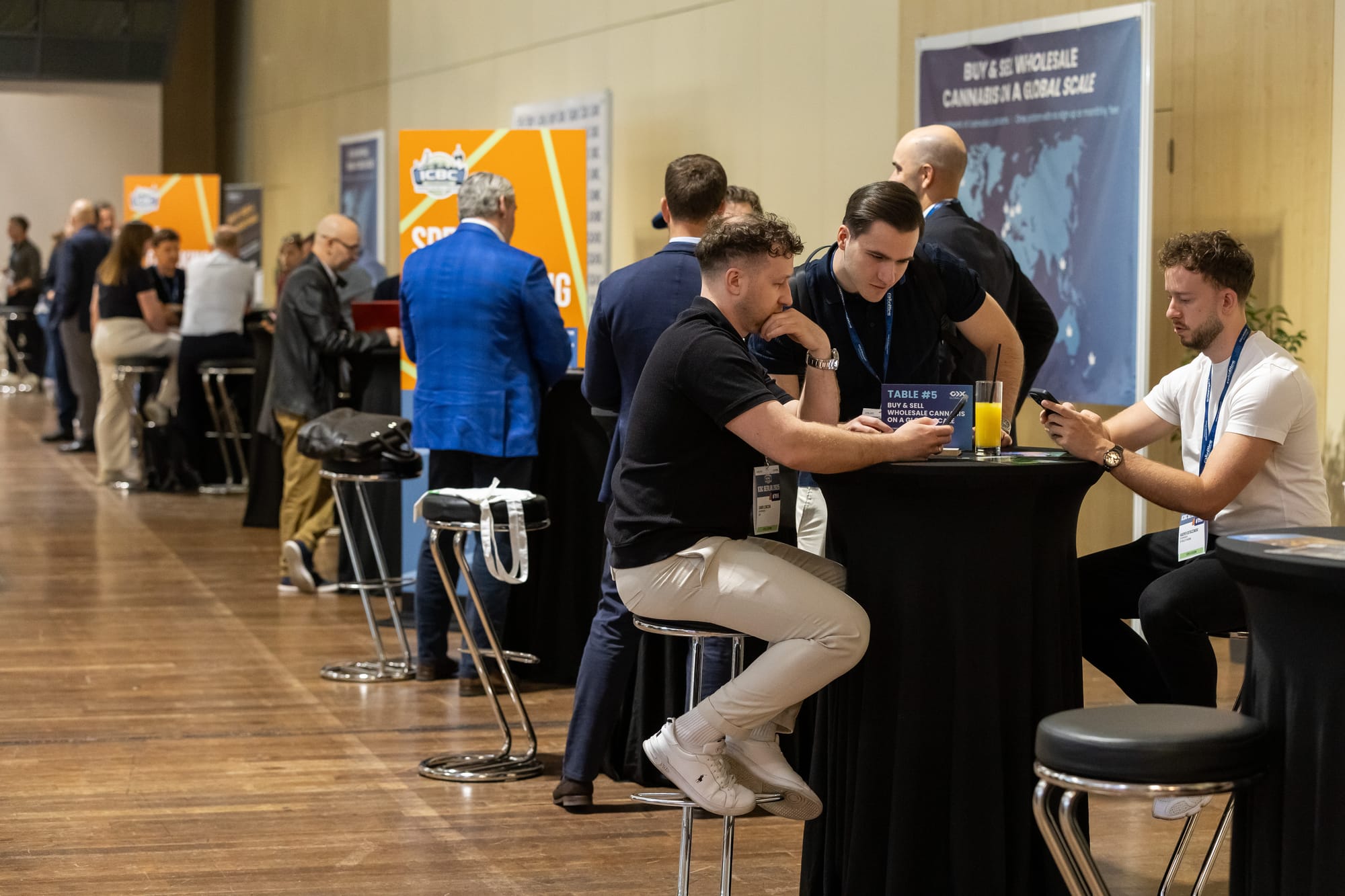
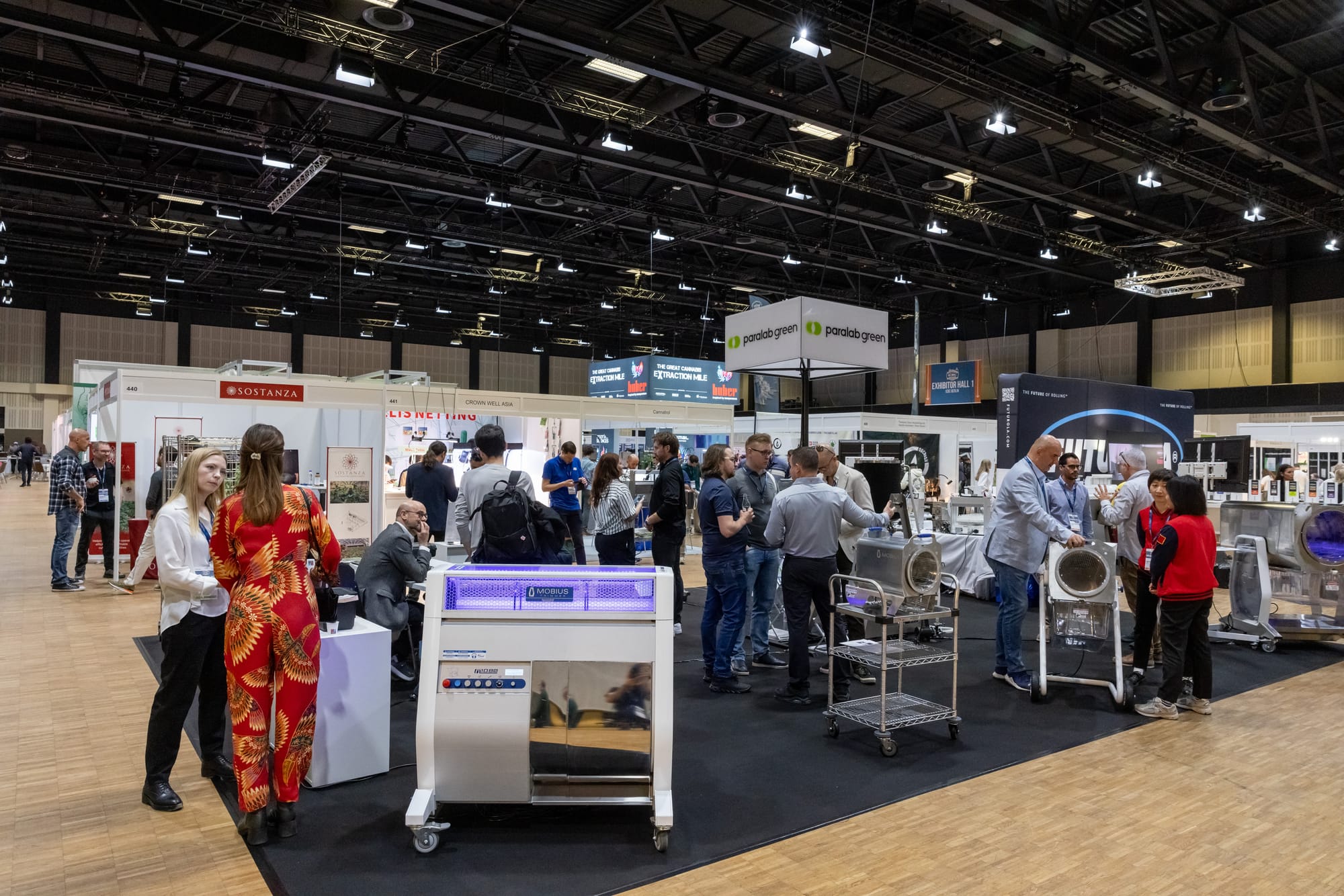

Today, the tone has shifted.
Germany’s reforms have materialized. The feared “doomsday scenarios” predicted by opponents have largely failed to materialize. Now, discussions focus on optimization:
- How can regulations be improved?
- How can compliance frameworks be clarified?
- Where are the most viable business opportunities within Europe’s unique constraints?
As the industry matures, the dialogue has grown more nuanced and granular. ICBC Berlin feels less like a speculative frontier event and more like an annual operational summit for serious stakeholders building within Europe’s regulated systems.
Germany’s Caution: Constraint or Strategy?
Germany’s cannabis framework is often described as cautious. To North American operators accustomed to broad commercial adult-use markets, that restraint can appear limiting.
But what many outsiders overlook is that Germany operates not only under national law, but under European Union agreements. Those agreements directly shape what is permissible—particularly for adult-use commerce.
Certain models common in U.S. or Canadian markets simply cannot exist under current EU structures.
Yet within those boundaries lies opportunity. Germany’s adult-use sector—particularly home cultivation and cultivation associations—offers pathways that reflect Europe’s values around personal freedoms and public health.
Germany also benefits from hindsight. Unlike early U.S. markets that had to invent regulatory systems from scratch, German policymakers can study what worked—and what failed—elsewhere. That cautious approach may, in fact, become the blueprint other European nations follow.
Alignment, Disconnects, and the Politics of Nuance
ICBC Berlin uniquely convenes policymakers, legacy operators, pharmaceutical stakeholders, hemp advocates, and culture-driven brands in the same room.
Where is tension emerging?
According to Rogers, it’s less about hostility and more about oversimplification. Too often, lawmakers attempt to apply broad regulatory strokes across fundamentally different sectors—industrial hemp, medical cannabis, and adult-use commerce—without accounting for their distinct needs.
Each subsector requires tailored policies. When nuance is lost, sectors compete for legislative attention instead of progressing in parallel.
Still, there remains one unifying principle across Europe’s pro-cannabis ecosystem: no one is going back to prohibition. That shared understanding provides a powerful through-line in Berlin’s policy conversations.
Berlin’s Countercultural DNA
Berlin carries a long history of reinvention, activism, and cultural experimentation. That legacy shapes how cannabis is being implemented across Germany and Europe.
Compared to North America, Europe places heavier emphasis on personal cannabis freedoms. Adult home cultivation is legal in Germany, Malta, Luxembourg, and Czechia—while some early U.S. legalization states still prohibit it.
Public health also sits at the center of European reform. Transitioning consumers from unregulated markets into regulated systems is a foundational goal. That priority affects the pace and structure of implementation, distinguishing Europe’s approach from the rapid commercial expansions seen in parts of North America.
Berlin reflects this balance: progressive yet procedural, culturally aware yet policy-driven.
The American Mindset Shift
For U.S. operators eyeing Europe as the next frontier, Rogers offers a clear warning: Europe is not a copy-paste opportunity.
Products must meet GMP compliance standards. Regulatory frameworks differ widely. Markets are not as wide open.
Success in Europe requires:
- Education
- Relationship-building
- Strategic partnerships
- Respect for local compliance structures
Bulldozing into the market is not a viable strategy.
ICBC Berlin has become a gateway event precisely because it offers Americans and global operators the chance to understand Europe before entering it.
Quiet Progress Beyond Germany
Europe remains a patchwork of evolving frameworks. While Germany commands headlines, other nations are advancing quietly.
Rogers points to Slovenia—where lawmakers recently approved one of Europe’s most progressive medical cannabis laws—as an example of meaningful progress flying under the radar.
As implementation unfolds, countries like Slovenia may emerge as influential players in shaping Europe’s long-term regulatory architecture.
The Pilot Trial Question
One of the most pressing concerns circulating privately in Berlin involves Germany’s delayed regional adult-use commerce pilot trials.
These trials are central to Germany’s legalization model. Dozens of applications have already been submitted. Yet political resistance has slowed approvals.
Rogers notes that pilot programs are already operating in the Netherlands and Switzerland without major issues. Germany’s hesitation is less about feasibility and more about political friction.
How this unfolds may significantly shape the next chapter of Europe’s adult-use commercial landscape.
Five Years Forward: Cultural Legitimacy
Though ICBC Berlin is a B2B event, cannabis culture remains integral to its identity. Rogers and his team view policy reform and cultural normalization as inseparable forces.
Reducing stigma, improving safe access, and acknowledging the harms of prohibition are part of the broader mission.
Five years from now, Rogers anticipates several additional European nations will have legalized cannabis in some form. Existing markets will be more stable and mature.
If the past decade is any indication, ICBC Berlin will remain in the thick of it—helping shape not just regulatory frameworks and business strategy, but the cultural legitimacy of cannabis across Europe.
And increasingly, it signals that Europe’s cannabis future is being built—not imagined.
For more follow https://internationalcbc.com and get your tickets here.
