
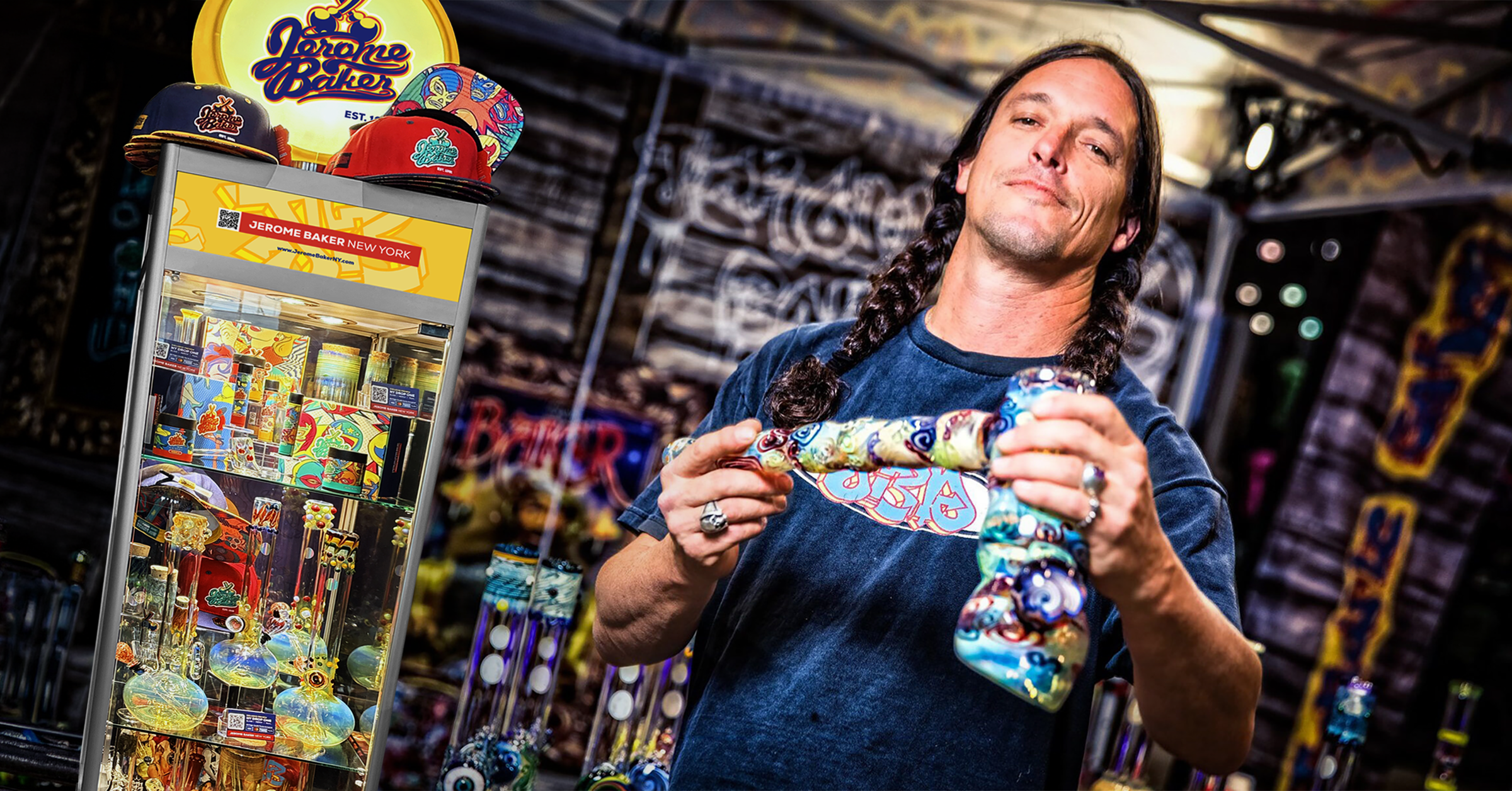
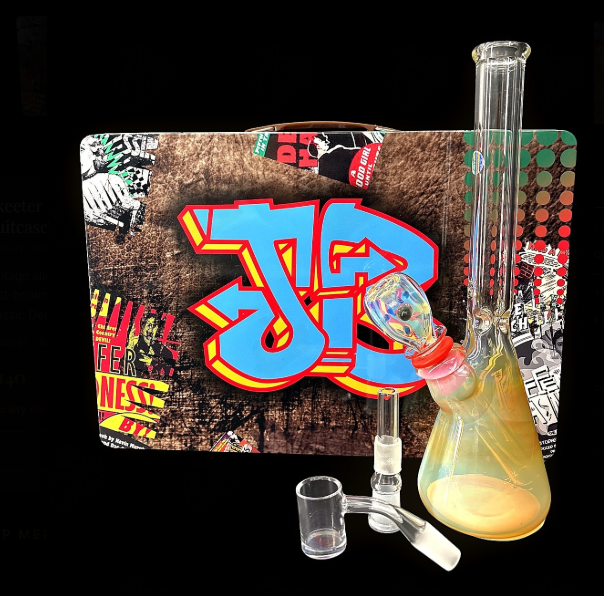
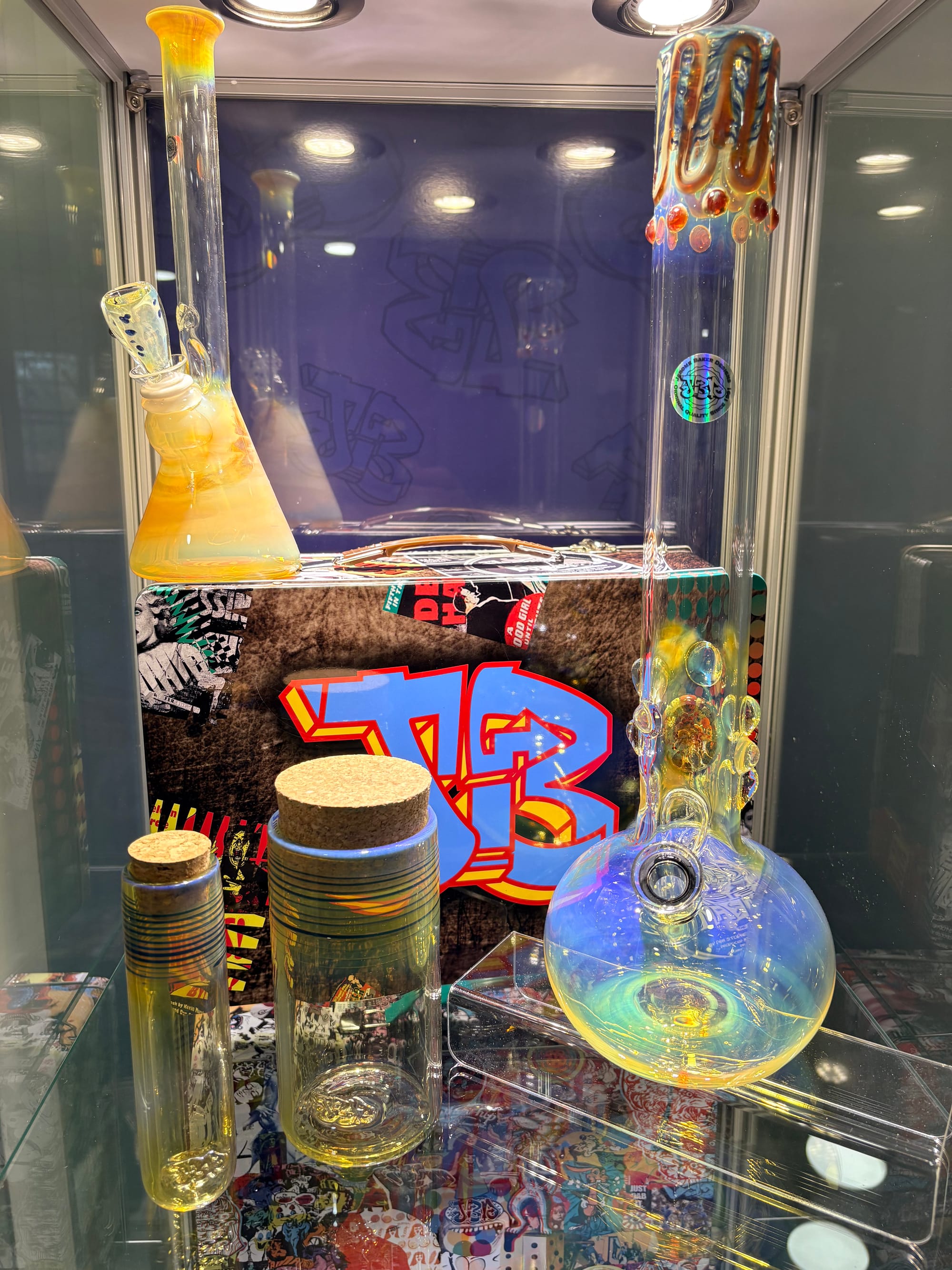
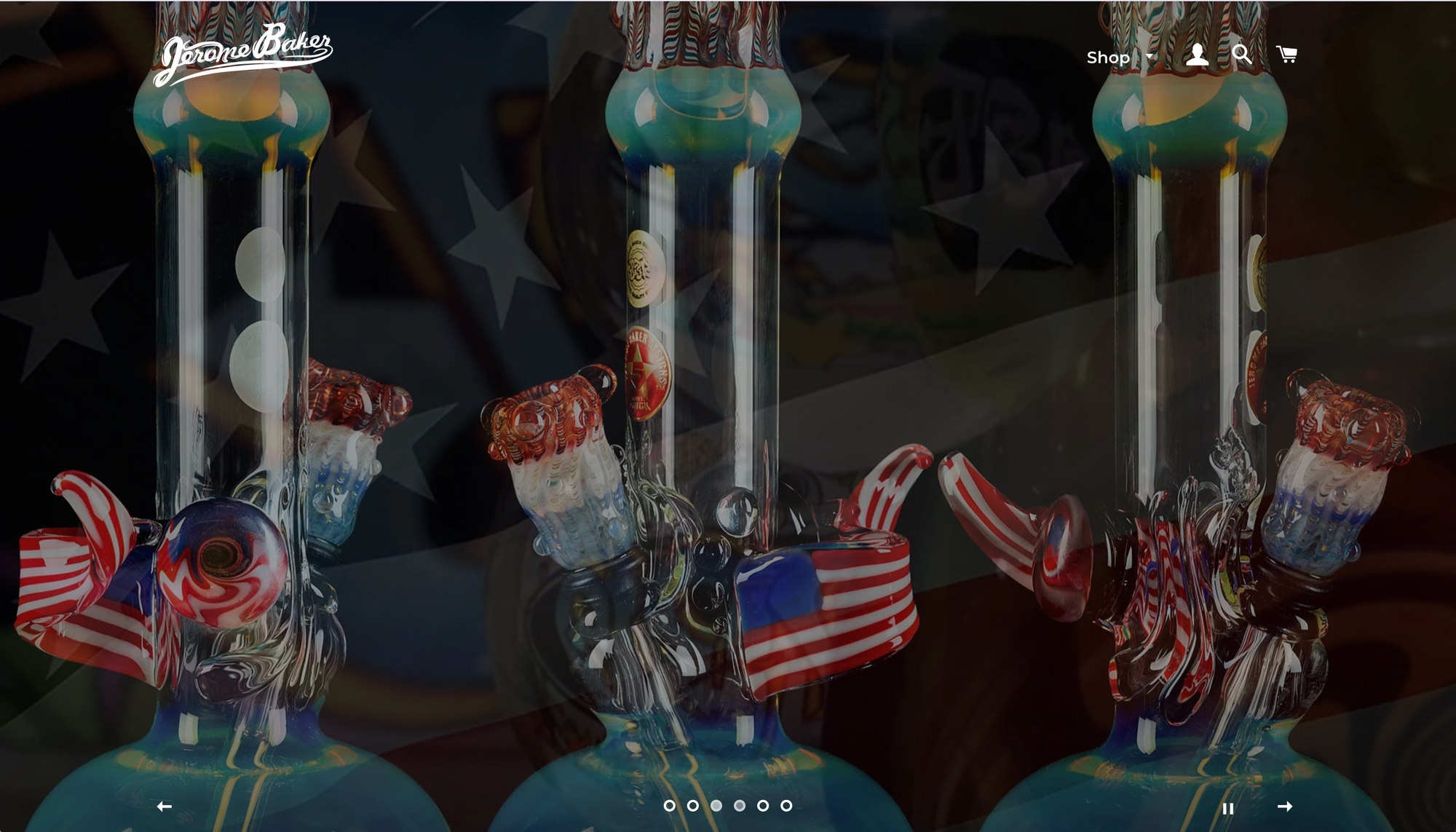
Long before cannabis became corporatized, regulated, and folded into billion-dollar conversations, Jason Harris was already building an empire out of fire, molten glass, music, and rebellion. As the founder of Jerome Baker Designs, Harris became one of the most influential glassblowers in cannabis culture, transforming handcrafted smoking pieces — psychedelic bongs, pipes, and functional glass art — into collectible symbols of counterculture long before dispensaries looked like luxury boutiques and glass pipes were displayed behind museum glass. His work — colorful, unapologetically loud — became inseparable from the rise of West Coast counterculture, jam bands, hip-hop, and the underground cannabis movement that shaped a generation.
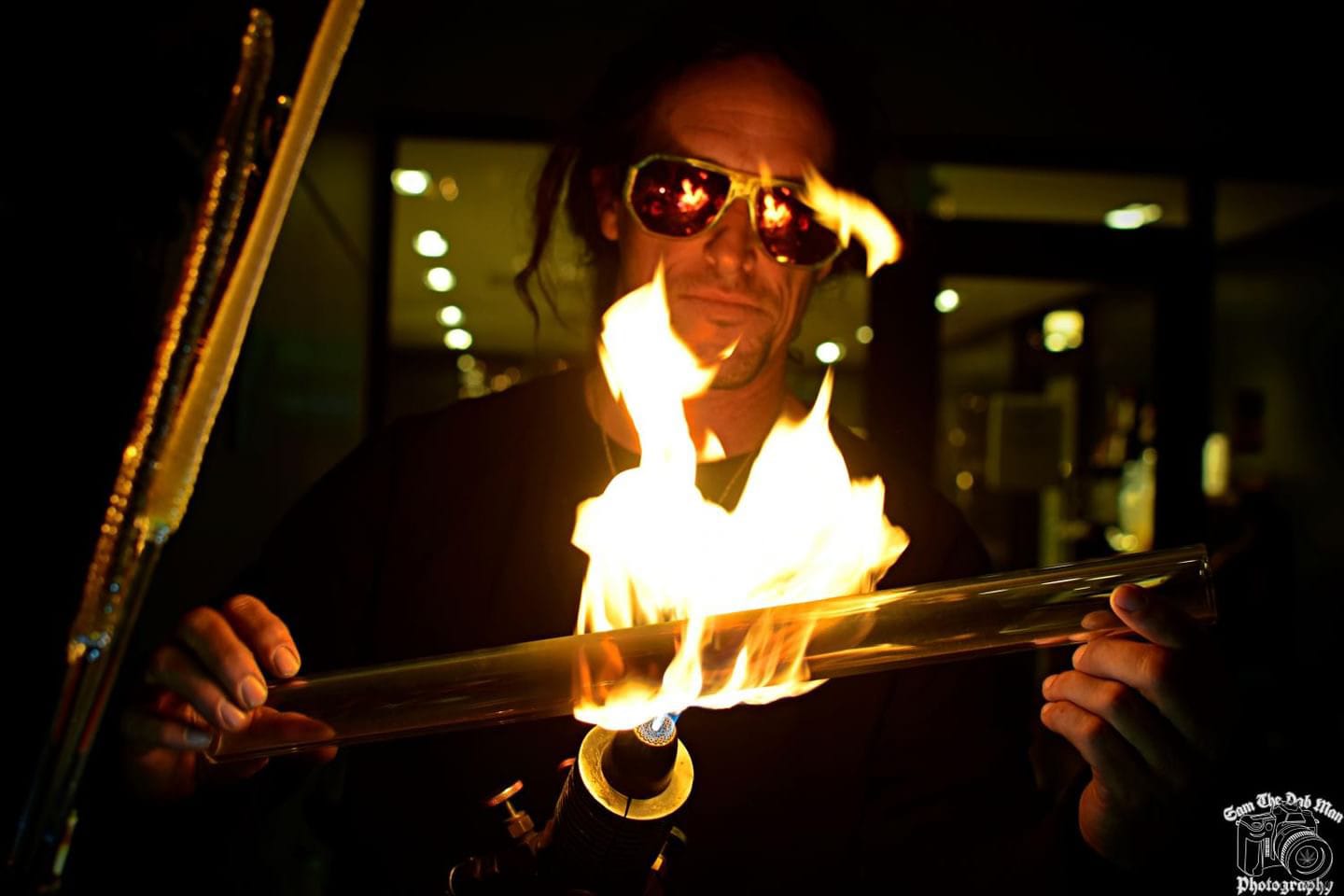
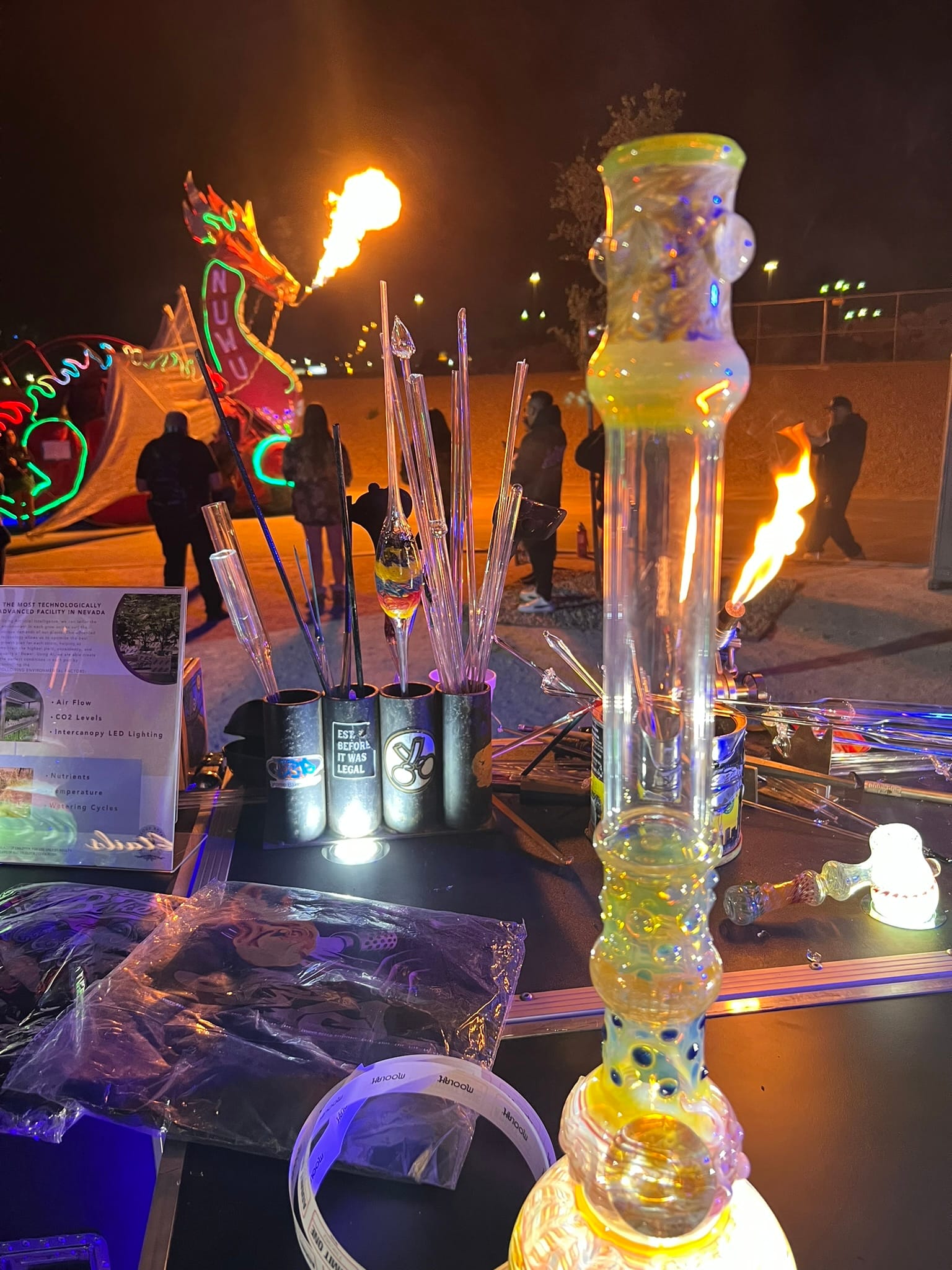

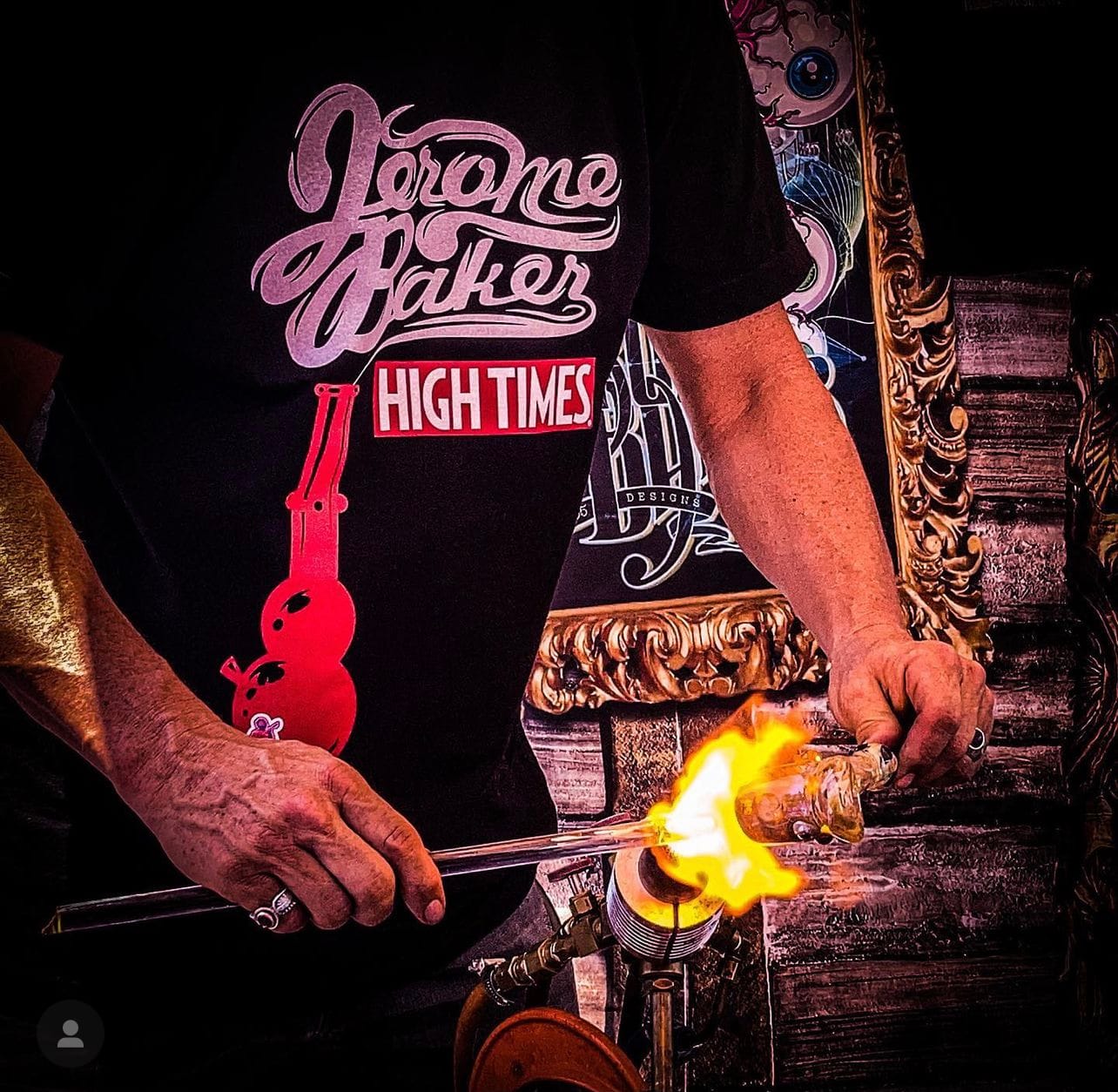
For many, Jerome Baker wasn’t simply a glass company. It represented a lifestyle tied to touring culture, Grateful Dead parking lots, outlaw creativity, and a time when cannabis still existed largely in the shadows. Harris himself remains one of the most recognizable personalities to emerge from that world: equal parts artist, storyteller, hustler, and cultural historian.
“The whole thing is based on Jerome and Jerome is Jerry Garcia, and that's where I got the name from,” Harris explained. “People need to understand music is the factor. Music is the uniting thing. It's the rhythm and whatever that is.”
That relationship between music and cannabis remains central to everything Harris creates. Speaking from Jazz Fest in New Orleans, Harris described music less as entertainment and more as spiritual practice.

“I paint my face to honor the music,” he said. “I do it to inspire other people and go back to my roots. I'm a majority Cherokee Indian, and I got no idea how to have a tradition, so I call music my tradition. It's my church.”
That philosophy — cannabis as ritual, music as communion, art as resistance — now sits at the center of a new Hulu documentary spotlighting Harris and the legacy of Jerome Baker Designs. The project was produced through Jimmy Kimmel’s production company, Kim A Lot, and has introduced Harris’ story to a broader mainstream audience at a moment when cannabis culture itself is rapidly evolving.
According to Harris, the project initially began as something entirely different.
“They're like, ‘Fuck that bong thing. We're just going to do the special on you,’” he recalled after conversations with the production team.
The documentary follows Harris through Oregon glass country, visits with legendary figures like Tommy Chong, and reflections on the early days of the glass movement that helped shape modern smoking culture. One of the most emotional moments for Harris came from revisiting the roots of the scene itself.
“We're going to go to Eugene, Oregon. We're going to go up there and visit Yoda, who's Bob Snowgrass. That's who taught me how to blow glass,” Harris said. “He's the guy who invented this whole glass pipe scene.”
For Harris, the significance of the documentary goes beyond personal recognition. He sees it as a cultural milestone.
“In my opinion, [it’s] the first fucking cannabis on Disney,” he said, referencing Hulu’s corporate ownership. “Who else is putting that kind of energy and money into cannabis media right now?”
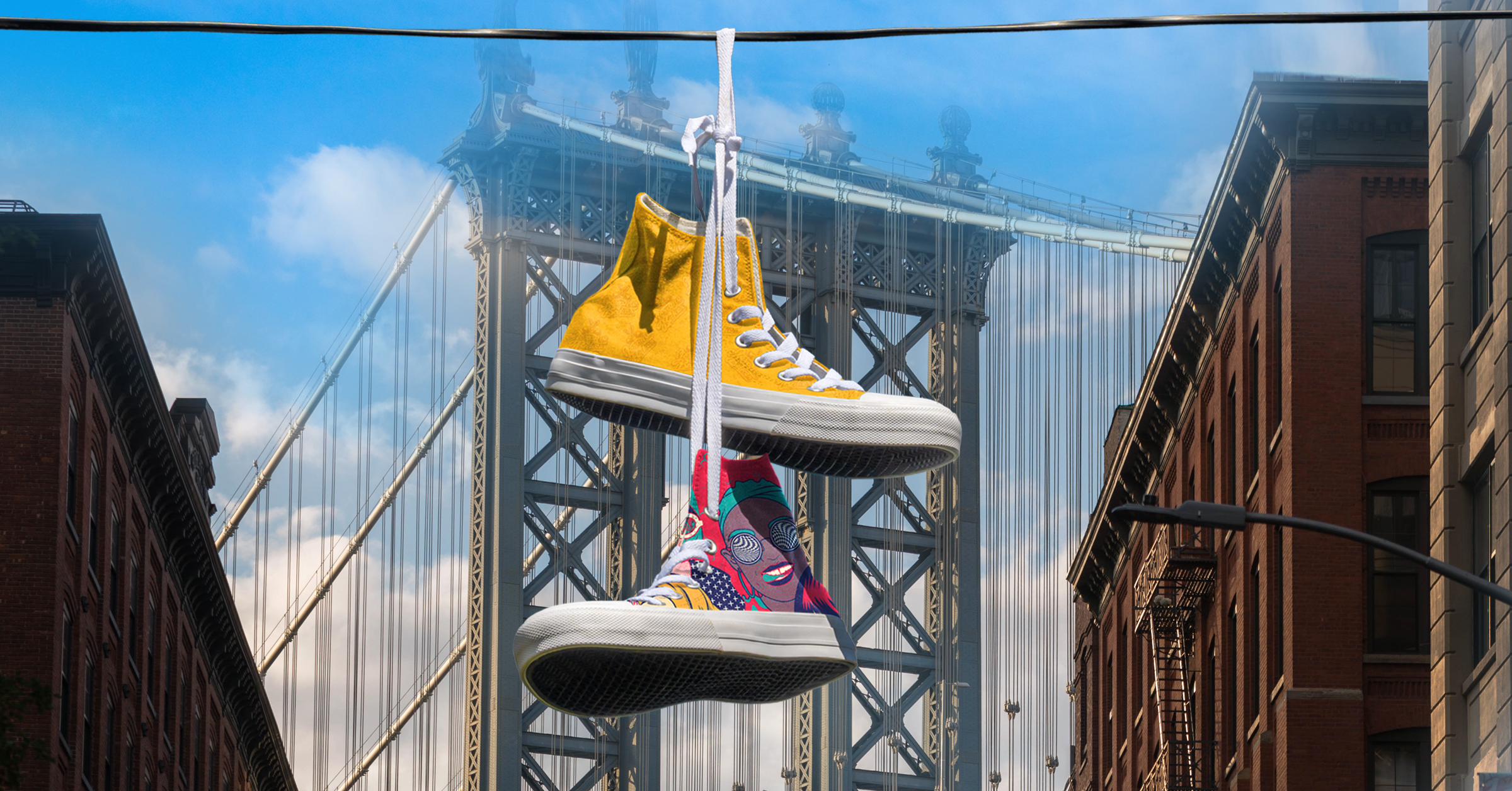
The release has already sparked renewed momentum around Jerome Baker Designs, including a full-scale rebrand and expanded collaborations across cannabis, fashion, and lifestyle culture. But perhaps nowhere is that energy more focused right now than New York.
For Harris, New York represents both nostalgia and opportunity — a city deeply tied to the early growth of his career. Long before legalization, Manhattan buyers were flying him across the country to personally deliver glass pieces to some of the East Coast’s most legendary cannabis circles.
“My first real customers came out of Manhattan,” Harris remembered. “They'd fly me out there… and they would put the pipes on scales. This is before anybody else was selling pipes, and we'd get 10 bucks a gram out of them.”
Now, as New York’s legal market matures, Harris is returning with a much larger vision that merges flower, genetics, glass art, retail activations, and immersive experiences. Working alongside major industry partners and investors, he believes the city is uniquely positioned to support cannabis culture that feels authentic rather than overly sanitized.
“We're going in and adding some pizazz to the dispensaries,” Harris said. “We go into these fucking dispensaries and it's all stiff… I'm like, where the fuck's the art, dude? Where's the inspiration?”
That artistic energy is exactly what Harris believes New York still does best. He speaks about the city less like a businessman and more like someone genuinely inspired by its chaos, diversity, and unpredictability.
“New York is another place,” he said. “It's gay, straight, Black, white, Republican, Democrat. Nobody really gives a fuck out there. They're just all hanging out. And that's the best part about it.”
He returned to the city for Revelry, where Jerome Baker Designs plans to create a giant bubbler live on-site — another collision of glass art, performance, and cannabis culture. For Harris, these moments are less about product launches and more about preserving the communal spirit that originally built the movement.
As cannabis continues pushing deeper into the mainstream, Harris remains one of the rare figures capable of bridging both worlds: the outlaw past and the polished future, the Deadhead parking lot and the luxury dispensary, the psychedelic craftsman and the entrepreneur. Through it all, the mission behind Jerome Baker Designs remains surprisingly unchanged.
“Music is the uniting thing,” Harris said again. “I just want to spread that word, spread that light.”
