

Potency has long been part of cannabis conversation - and an important one at that - but its meaning has shifted dramatically over time. What once functioned as an underground bragging point has evolved into something far more layered - a way to express preference, identity, and even p hilosophy around the plant. In current cannabis culture, potency isn't just about how high you can get; it's about your intention, relationship with the plant and the experience you're hoping to achieve. As legalisation and normalisation spread, cannabis consumers gained access to more information than ever before. THC percentages, terpene profiles and lab results moved from whispered claims to clearly labelled data.
From Symbol to Metric
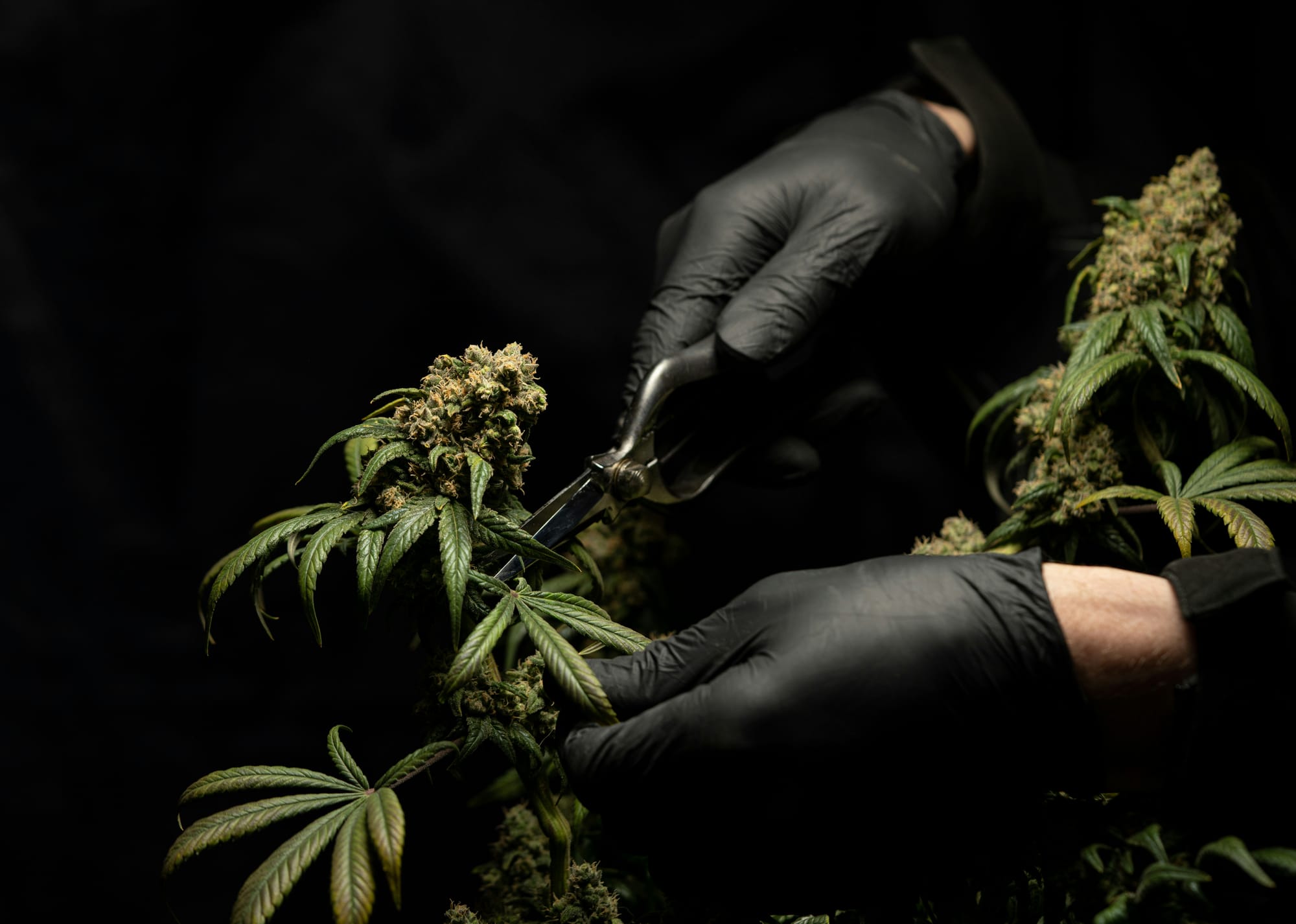
This transparency reshaped how people talk and treat cannabis, transforming its potency from a secret metric into one of the qualities that can be measured, altered, chosen and shared. It became a marker of craftsmanship and choice. Growers experiment with genetics, environments, and techniques to push cannabinoid levels while preserving their original flavour and balance. Consumers, in turn, seek products that align with their specific goals, be it relaxation, creativity, intensity or celebration. This has fueled the ongoing interest in breeding the plant for higher THC content, including varieties grown from high thc seeds that reliably deliver stronger effects.
A Whiff of History
Historically, high potency was synonymous with rebellion. During prohibition, "stronger" was equivalent to "better." They were rarer, riskier, and therefore, more respectable in the underground circles. Potency symbolised access and expertise, especially when quality was hard to find, and reliable cannabis sources were scarce. Legalisation changed everything. Now, potency has become measurable and comparable. Consumers can see numbers, ask questions, and make informed decisions. Now, it's not just about how high the product can get you, but how its potency will translate into your entire experience. Each string can have a slightly different effect - more uplifting, more reflective, finding or overwhelming - and those nuances started to matter. This shift encouraged a more intentional relationship between the plant and its consumers.
Potency as Personal Expression
It's no secret that each person reacts to each strain slightly differently. After all, we are all very individual and particular human beings. Today, potency plays a role in how people define their cannabis preferences. For some, a higher THC level aligns with creativity or social energy; for others, it serves as a part of a ritual. Choosing a potent strain can signal confidence, curiosity, or desire for immersion. At the same time, potency sparked a discussion of balance, tolerance and context - now consumers know that a higher THC isn't automatically "better", it's simply different. That awareness reflects a broader cultural shift toward mindful consumption rather than excess. This mindset has also changed the way cannabis is described in the media. Today, potency is framed less as a defining trait and more as one of the characteristics of the plant's personality.
Cultural Meaning
This rise of craft cannabis has further elevated the potency's cultural role. Breeders and growers treat cannabinoid levels as part of a larger creative process, combining science and intuition to explore what the plant could become. High-THC varieties often represent craftsmanship, a kind of technical achievement, as well as patience and deep botanical knowledge. Much like wine or coffee culture, cannabis culture is maturing and becoming more and more complex. Where did this strain come from? What is its history? How does its potency influence the experience? Such questions arise and place THC within a bigger narrative, one that blends history, innovation and self-expression.
