

When the Streets Lead the Market
Cannabis and hip-hop have always moved in lockstep. Long before legalization, rap and cannabis culture made strains household names, music videos turned blunt smoke into status symbols, and trap slang carried cannabis across the globe. What once lived in trap culture cannabis economies is now trendsetting the hip hop cannabis industry—in branding, product design, and lifestyle.
For today’s cannabis entrepreneurs, ignoring hip-hop isn’t an option. It’s the playbook.
Hip-Hop and Cannabis: The Original Marketing Engine
Hip-hop was selling cannabis culture decades before the plant went legal.
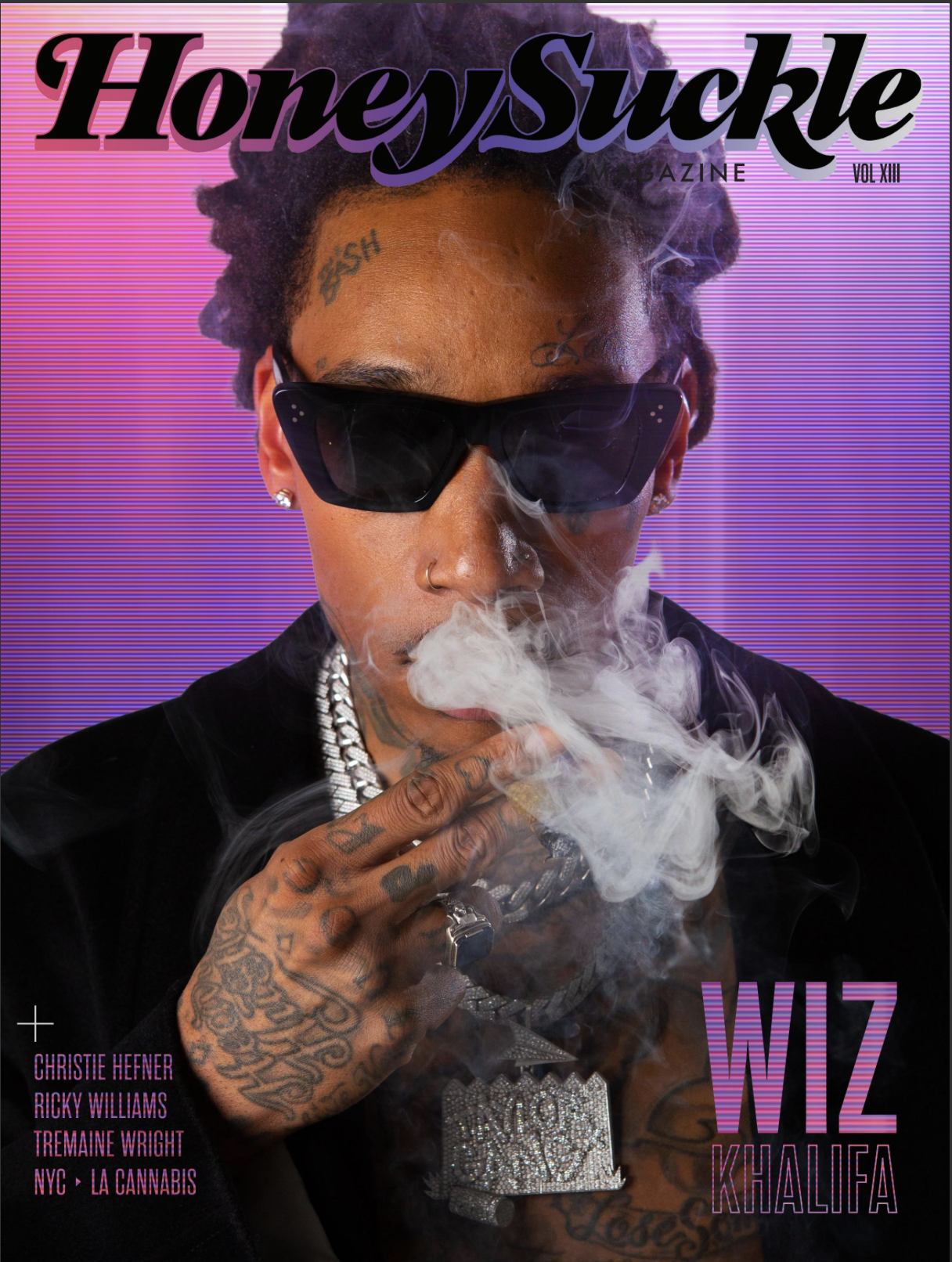
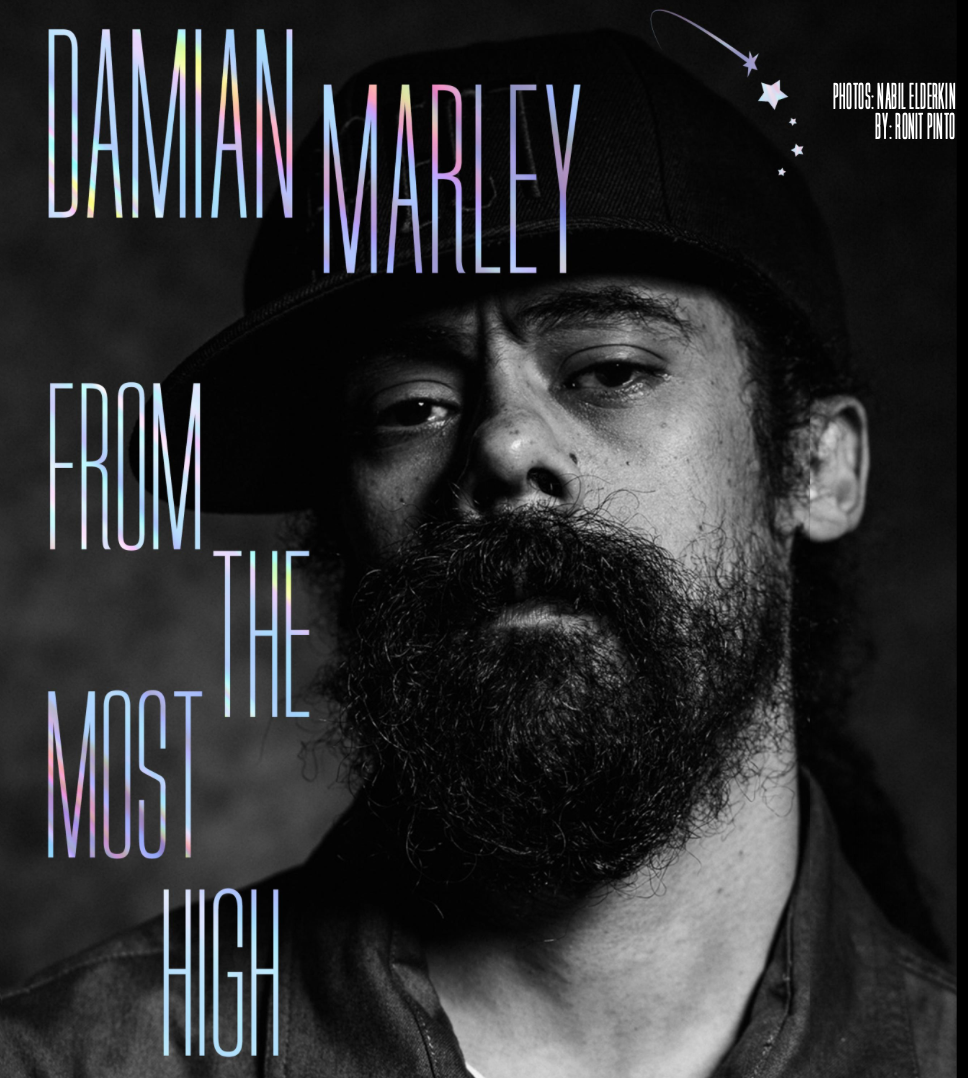
- Lyrics as Advertising: Cypress Hill, Snoop Dogg, Wiz Khalifa—whole generations learned cannabis through weed in rap lyrics.
- Visual Branding: Music videos and mixtape covers made jars, papers, and strains into fashion statements.
- Slang as SEO: “Gas,” “zaza,” “cookies”—these weren’t ad campaigns. They were rhymes that became hip hop cannabis brands.
Without a dollar in ad spend, hip-hop built a cannabis music culture so global that legalization almost felt like catching up.
From Legacy to Legal: Lessons From the Trap
The trap wasn’t just a place—it was a system of survival and hustle. Legal cannabis is borrowing heavily from that blueprint.
- Authenticity Rules: Consumers won’t buy from “culture vultures.” The strongest hip hop cannabis brands are the ones with real artist and legacy ties.
- Packaging as Storytelling: Like mixtape art, cannabis packaging now channels rap and cannabis collaborations—bold, colorful, collectible.
- Exclusivity Drops: Limited strains mirror sneaker drops. Hype is hip-hop’s greatest export, and cannabis is catching on.
Hip-Hop Cannabis Brands That Changed the Game
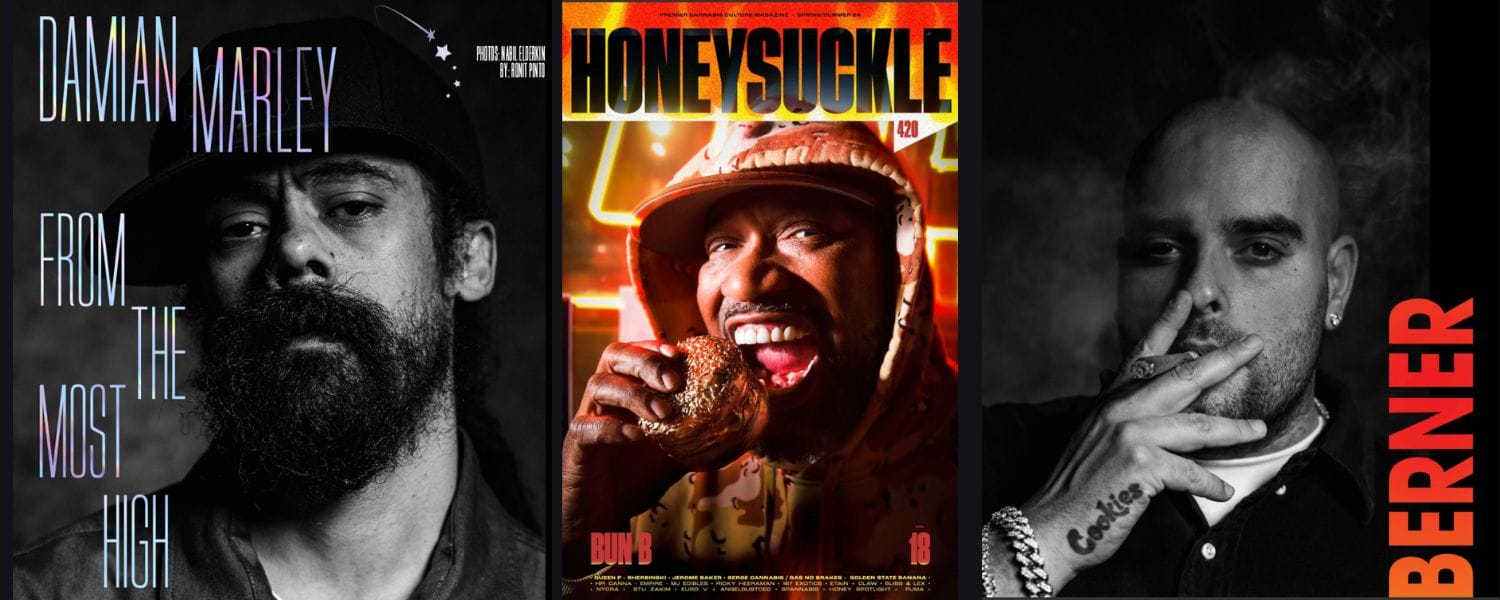
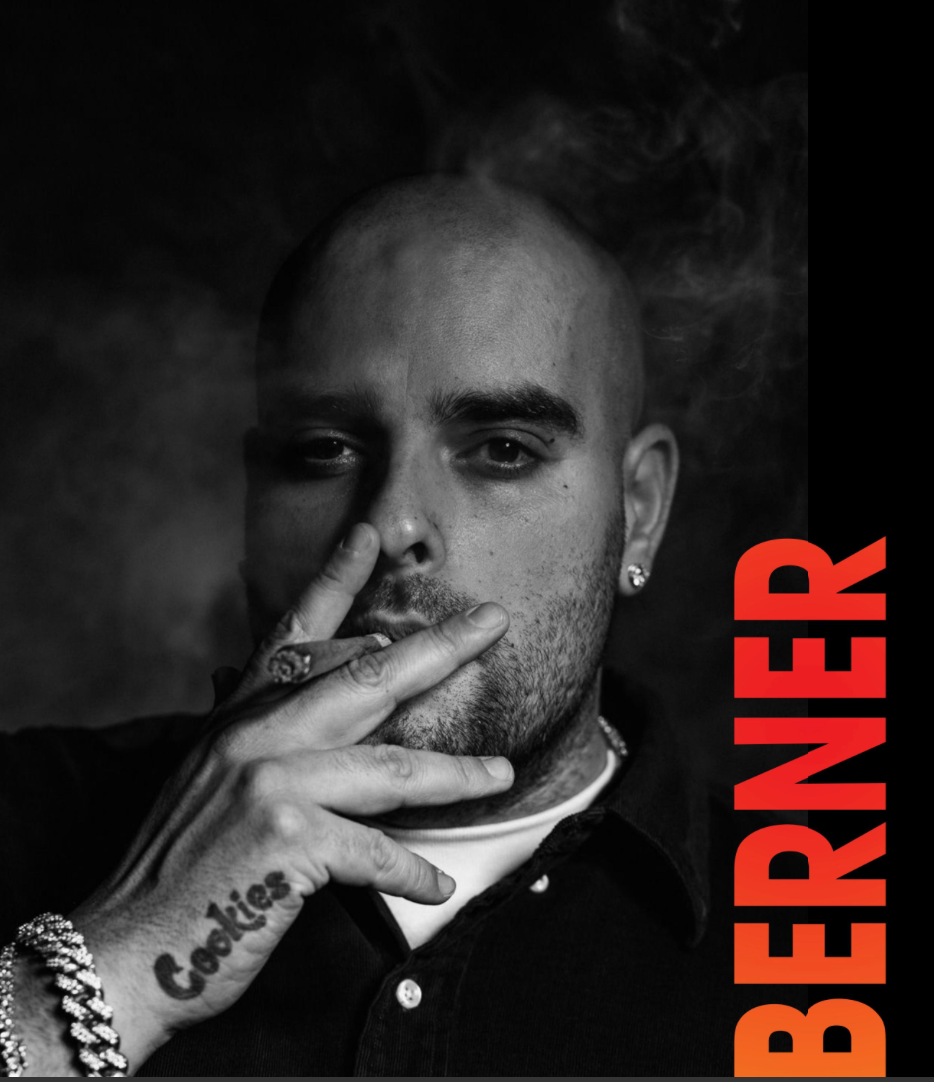
- Cookies & Berner: Rapper-turned-CEO Berner turned Cookies into one of the world’s most dominant hip hop cannabis brands, blending merch, music, and marijuana. Read Honeysuckle’s feature on Backpack Boyz here.
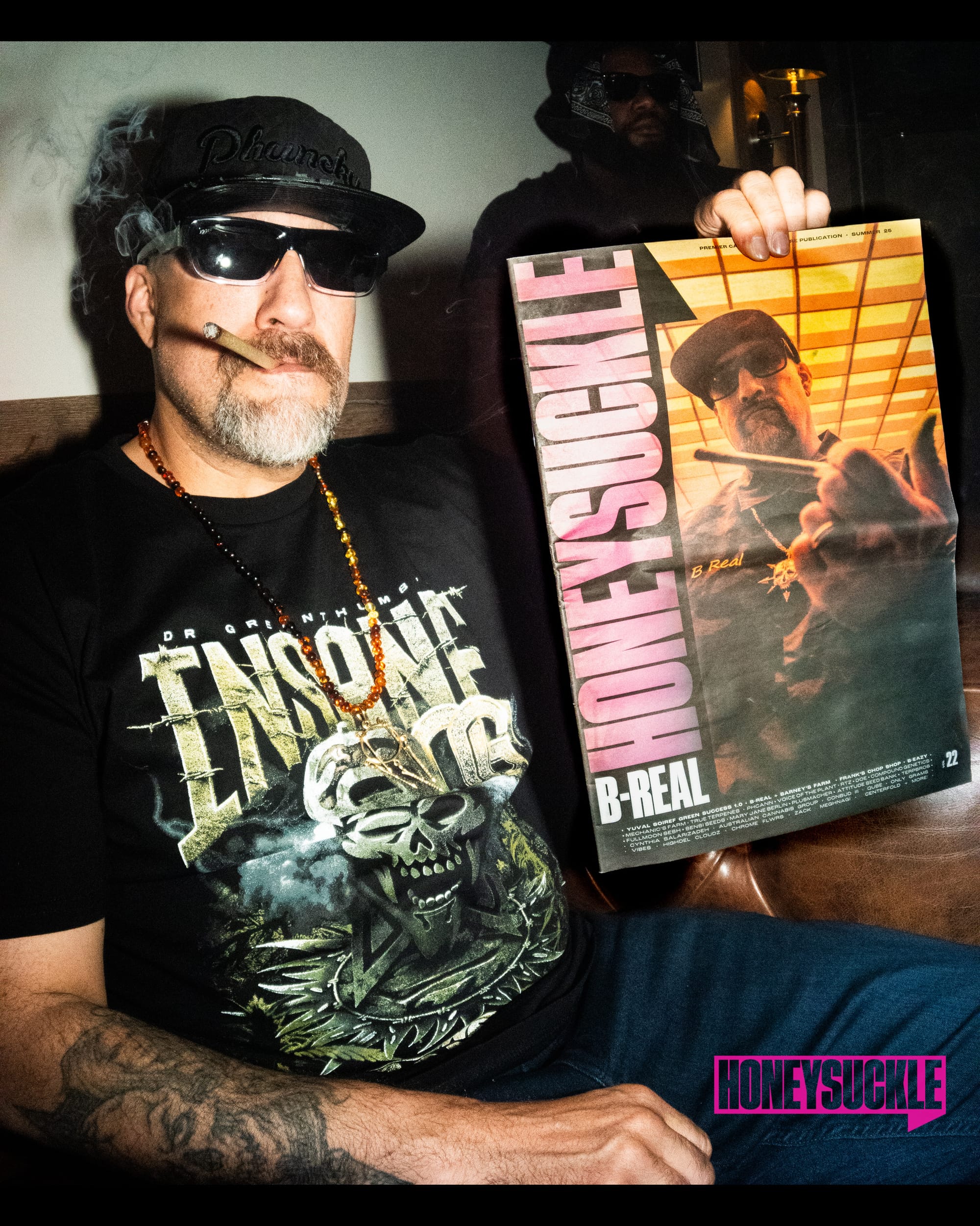
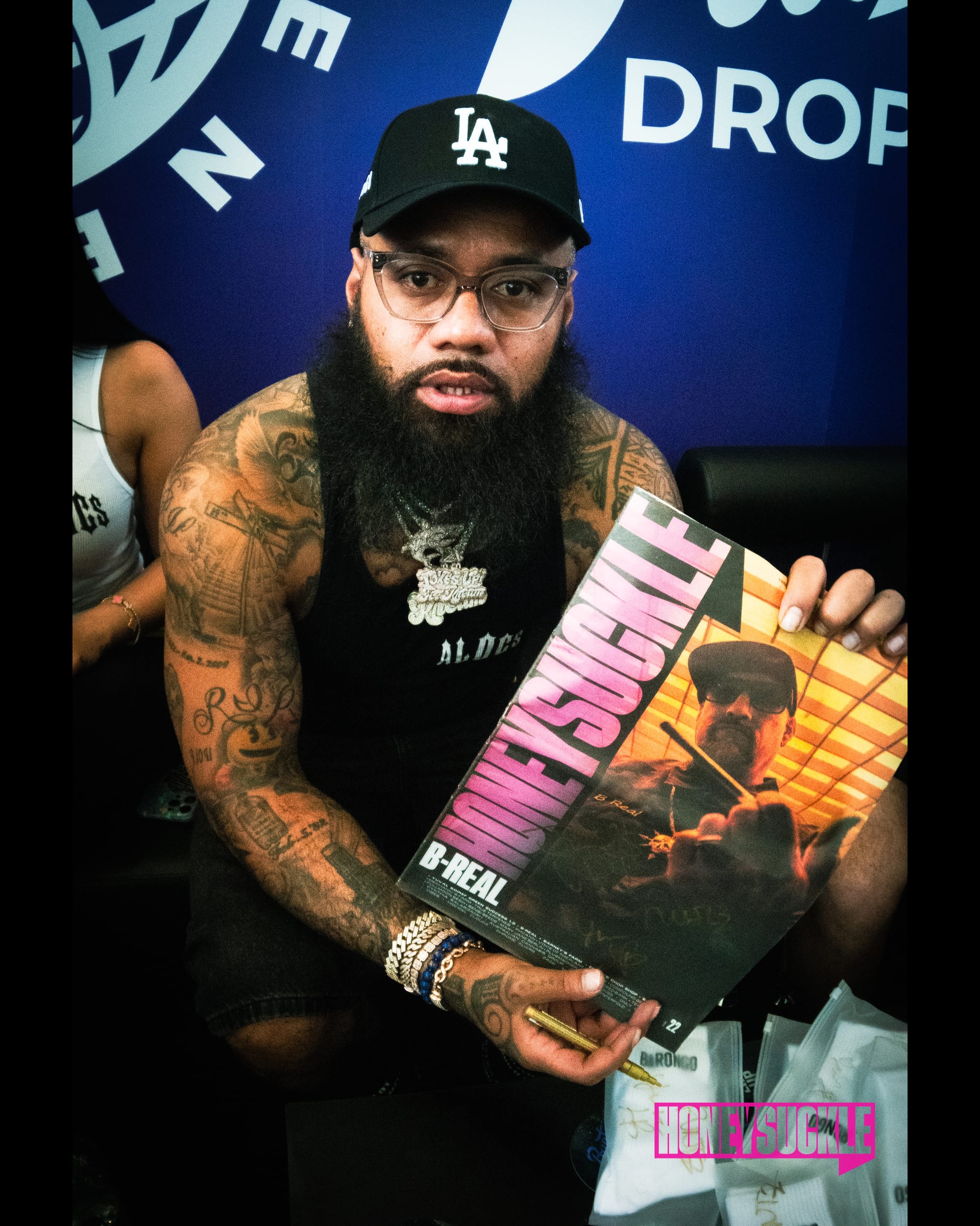
- Backpack Boyz: From California’s streets to global culture, Backpack Boyz represent hip hop weed culture with every strain drop.
- Runtz: Co-signed by Yung LB, Runtz proved how fast rappers’ cannabis brands can move from underground buzz to worldwide hype.
These companies didn’t just sell cannabis. They sold culture—and culture scaled the business.
The Global Reach of Hip-Hop and Weed
Hip-hop isn’t just America’s soundtrack. It’s global currency. And wherever hip-hop travels, cannabis follows.
- Merchandising: Hoodies, trays, and rolling kits let fans wear the lifestyle.
- Collaborations: Crossovers between fashion houses, cannabis collaborations with rappers, and weed brands fuel hype cycles.
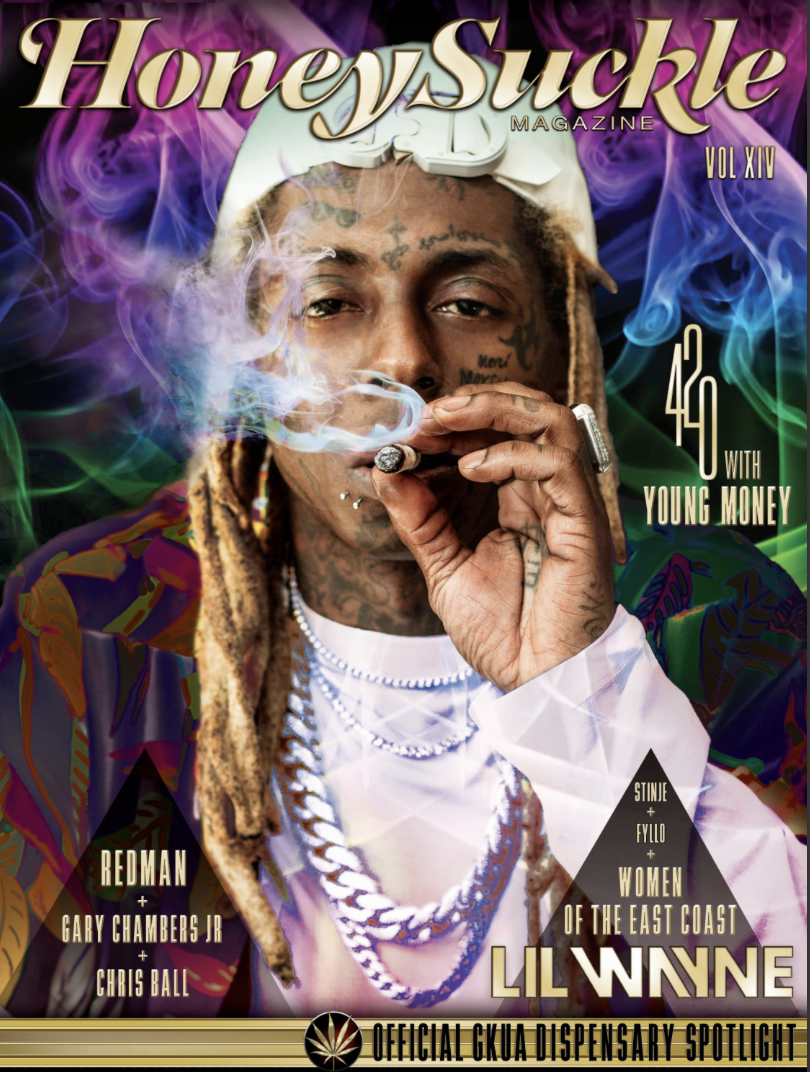
- Festivals: Hip-hop headliners at cannabis expos fuse cannabis and music culture into movements, not just marketing.
From Berlin clubs to Bangkok rooftops, hip-hop is setting the tone for what’s hot in cannabis.
Why This Matters for Cannabis Entrepreneurs
The hip hop cannabis industry is the blueprint for relevance. If you’re building a brand in 2025, ask yourself:
- Partnerships: Are you tapped into local artists, DJs, and tastemakers?
- Content: Is your storytelling visual, fast-moving, and as addictive as the beats driving culture?
- Community: Are you investing in the neighborhoods where trap culture cannabis roots grew deep?
Conclusion: Trap Roots, Trend Futures
From hustlers in the trap to rappers at the Grammys, hip-hop has been cannabis’s loudest amplifier. The future belongs to brands that know this isn’t just about sales—it’s about culture.
Because in cannabis, just like in hip-hop, the culture comes first. Commerce follows.
