
By Alejandro De Anda
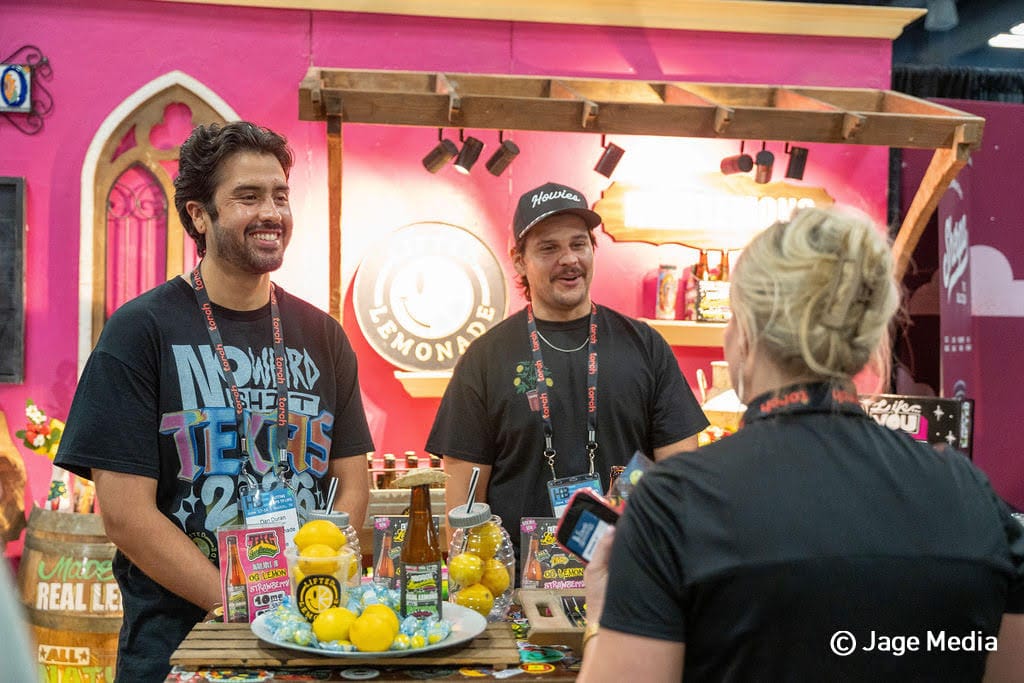
Walking into the Hemp Beverage Expo in Austin this year, it was hard not to notice how much the category has changed in just a few years. What started as a small industry gathering has become a bustling conference packed with beverage makers, retailers, buyers, manufacturers, and entrepreneur who all see the opportunity in hemp-derived drinks.
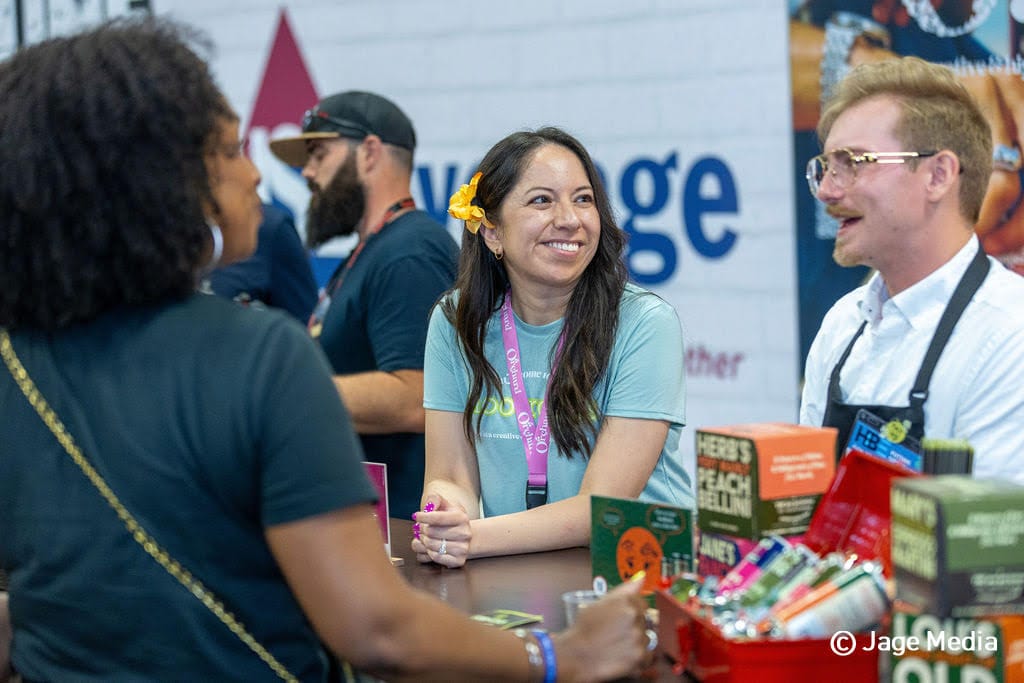
The growth reflects what's happening beyond the convention center. Hemp beverages have become one of the fastest moving sectors in cannabis, finding shelf space in grocery, liquor and convenience stores across much of the country. The products are reaching consumers who have never stepped inside of a dispensary, giving this category a whole new level of exposure that once seemed pretty unlikely.
A lot of that growth has been possible because of the 2018 Farm Bill, which legalized hemp containing less than 0.3% Delta-9 THC. Since then, brands have built a market that exists outside state cannabis programs while introducing hemp-derived cannabinoids to mainstream retail locations.
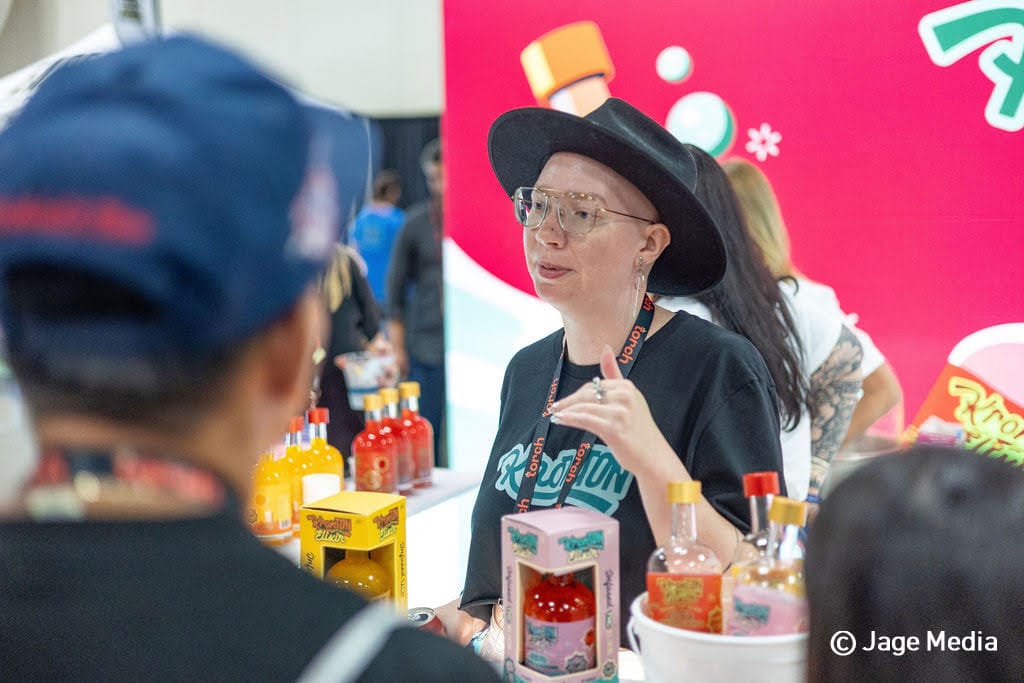
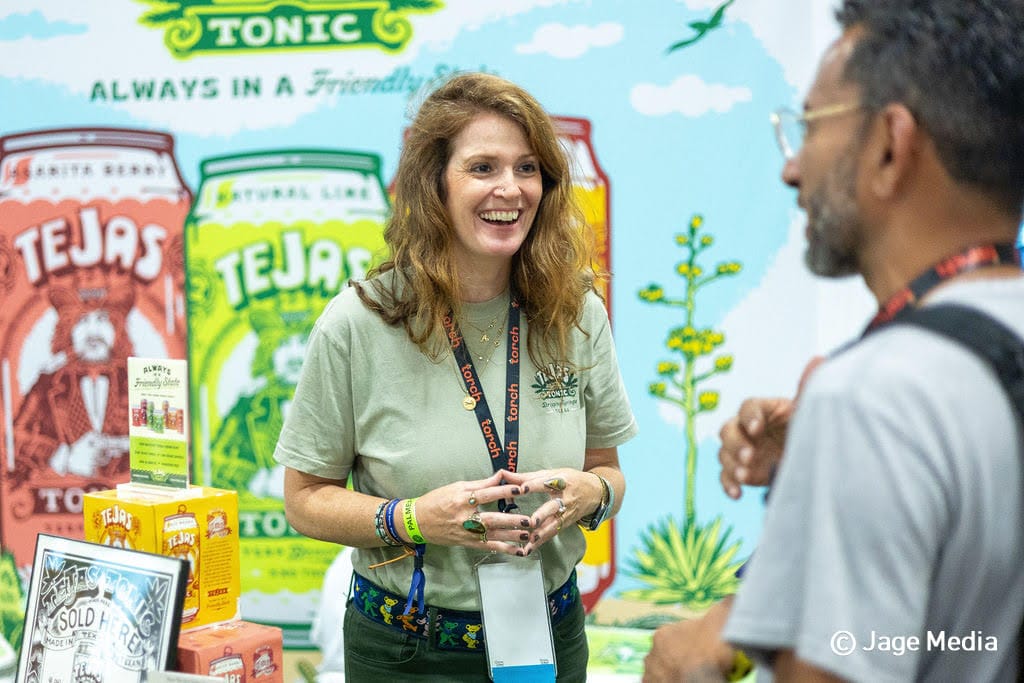
Even with ongoing questions about regulation, the mood in Austin was optimistic. Conversations focused less on whether hemp beverages belong in the marketplace and more on how companies can continue building as the industry matures or changes.
"The hemp beverage category has grown exponentially in the past few years," said attorney Daniel P. McGee, founder of D.P. McGee Law PLLC. "There is tremendous support for the continued growth and expansion of the category although it is facing significant regulatory headwinds."
One sign of that momentum came shortly before the expo, when Target expanded sales of hemp-derived THC beverages into more than 300 stores across Illinois, Florida, and Texas after first testing the category in Minnesota. The move reinforced what many exhibitors were already seeing. Large retailers are paying attention because consumers are buying these products, and that consumer has changed as well.
Several speakers noted that the earliest wave of customers was driven by curiosity. Today, shoppers are far more selective. Taste matters. Ingredients matter. Consumers also expect beverages that feel like they belong alongside the rest of the drinks in their refrigerator rather than something made only for cannabis users.
"A few years ago, any THC beverage would sell, but now consumers are much more sophisticated," said Jazmin Hupp, Chief Marketing Officer of JOTA Living. "They don't want to trade taste for effect. They don't want to consume a bunch of sugary calories or weird ingredients."
That shift was easy to spot while walking the show floor. Many exhibitors highlighted balanced formulations and premium ingredients instead of focusing only on THC content.
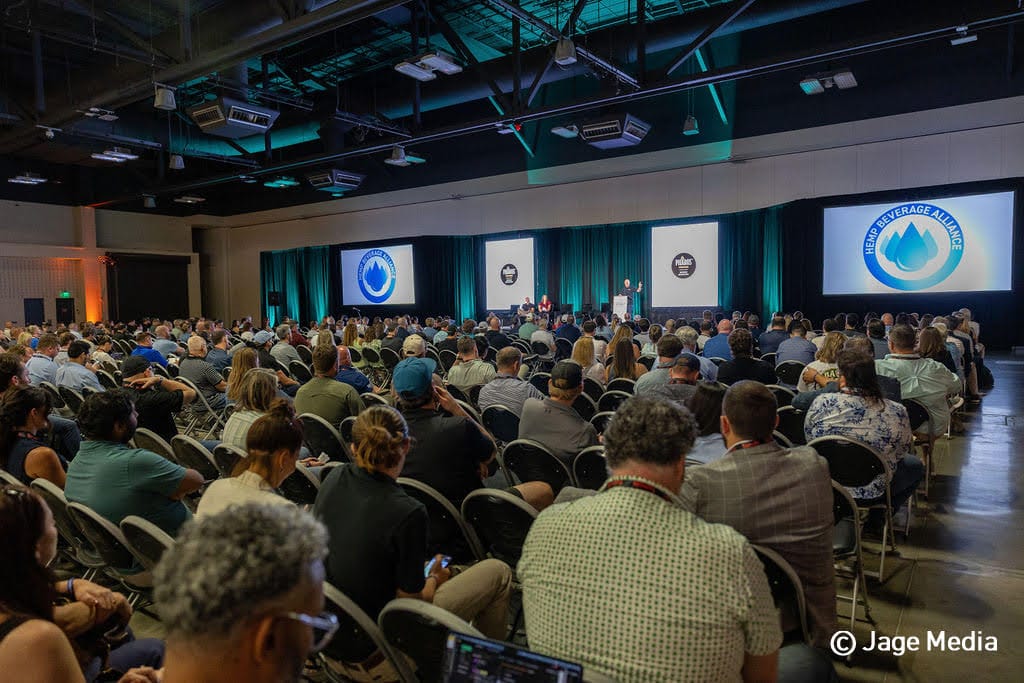
The conversation has become less about potency and more about the overall experience.
Some companies are also expanding beyond cannabinoids without leaving the category behind. Functional ingredients are becoming part of the discussion as brands explore botanicals or adaptogens that complement hemp. Austin-based Somalab, for example, introduced attendees to Alchemystic Cosmic Nectar, a nonalcoholic botanical beverage featuring blue lotus extract.
The approach reflects a broader trend. Companies are creating products that can appeal to different occasions while remaining rooted in the growing functional beverage movement.
Business strategy was another major focus throughout the conference. Speakers repeatedly returned to distribution and the importance of getting products into stores efficiently. Building strong retail partnerships has become just as important as developing a great beverage. Companies also discussed preparing for different regulatory outcomes so they can continue growing regardless of how federal policy evolves.
Behind those conversations was a sense that the industry has become more disciplined. Brands are investing in quality, consistency, and transparency because retailers and consumers expect higher standards than they did only a few years ago.
Jessica Latham, Co-Founder and President of American Weed Co., believes the category has reached an important milestone. "My biggest takeaway is that hemp beverage has officially crossed over to a legitimate, fast-maturing category and consumer demand is real," she said. "It's just unfortunate that operators still have so much uncertainty to navigate. That said, optimism and urgency remain as we head into November's regulatory cliff."
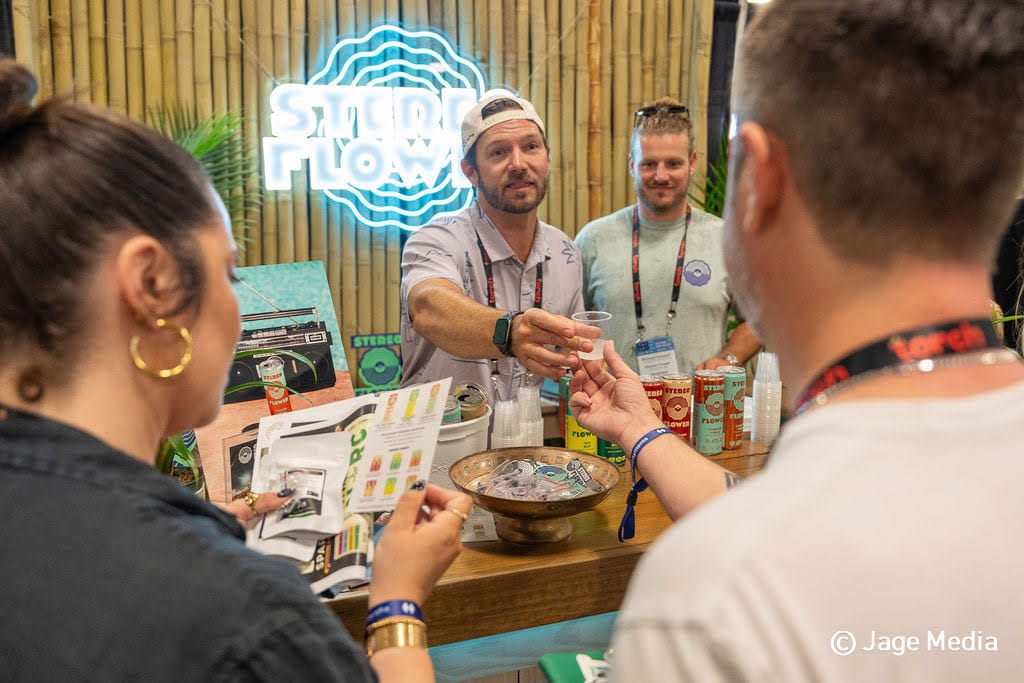
Jam Martin, founder and CEO of JOTA Living, pointed to the expo itself as evidence of how quickly the market is expanding. "Seeing the Hemp Beverage Expo grow from a meeting room to a full tradeshow floor in just three years proves how excited people are about having alternative beverages," Martin said.
The excitement throughout the event definitely reflected rising sales, but it also showed an industry growing more confident in its identity. Hemp beverages aren’t a novelty anymore, and they’re no longer trying to imitate other cannabis products. They’ve become a category with its own audience and its own place in the broader beverage market.
Questions about regulation remain, of course, and those questions will continue to shape the industry's future. Even so, the atmosphere in Austin suggested that companies are preparing for growth instead of waiting for certainty from the government.
For many of the people who gathered at this year's Hemp Beverage Expo, that may have been the clearest sign of all. The category has arrived, and it plans to stay.
