


German Survey Reveals 42% of Patients Would Leave Legal System Without Telemedicine
A groundbreaking new survey of more than 2,500 German medical cannabis patients reveals a stark warning: 42% of respondents say they would return to the illicit market if digital access to medical cannabis therapy were restricted.
Amid growing political pressure to curtail telemedicine services, the report—published by Frankfurt-based medical cannabis company Bloomwell GmbH—underscores how vital digital platforms have become for patient care. Titled Cannabis Barometer: Potential Consequences of Restricted Telemedicine Access, the report presents concrete data on the impact of Germany’s cannabis reclassification and the consequences of reversing course.
Over the past year, Bloomwell has seen patient prescriptions increase by more than 1100 percent following Germany’s cannabis policy reform. But now, the future of that progress may be at risk.
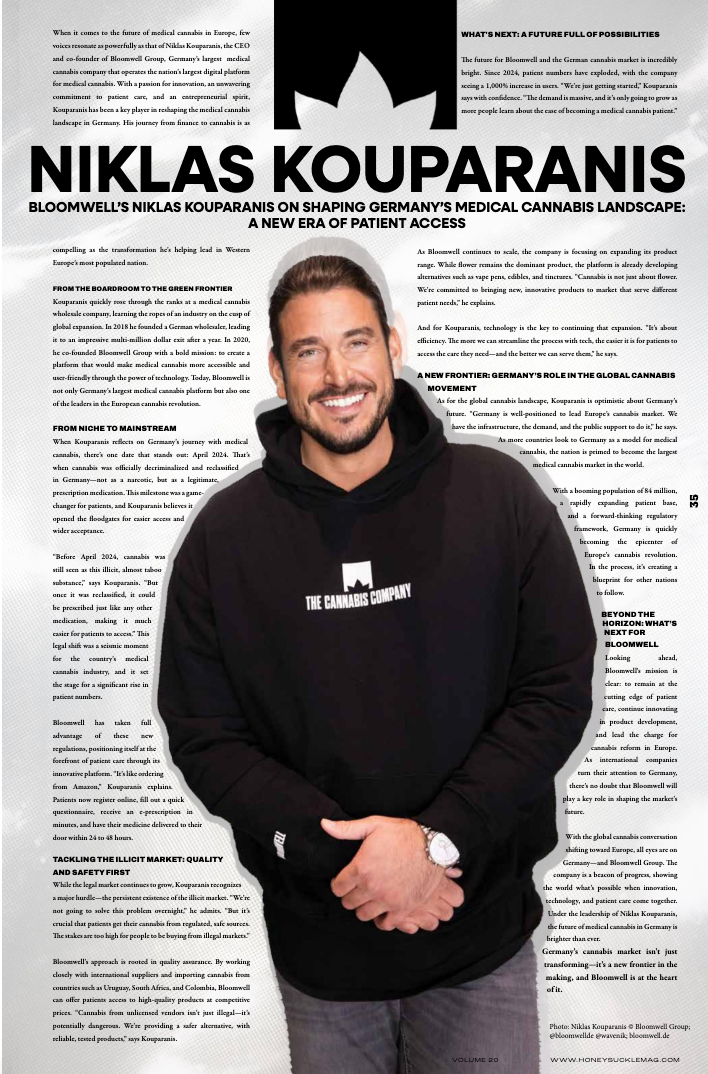
"The German health system is overloaded, waiting rooms are full and appointments often take weeks at a time to become available," said Niklas Kouparanis, Co-Founder and CEO of Bloomwell Group.
"Accessible digital cannabis therapy is one of the few success stories in recent years. In the past year alone, several hundred thousand patients have been given additional access to therapy without putting an additional strain on the system’s capacity."
Kouparanis criticized recent efforts by some German policymakers draft proposal to mandate in-person consultations for cannabis patients. He emphasized that such restrictions would undermine both efficiency and equity.
"In most cases, this treatment conversation can be navigated digitally just as efficiently—if not more efficiently and conveniently for patients, especially for those who may experience issues with time and bandwidth, and with transportation," he explained.
"There is not a single logical reason to restrict mail order sales via pharmacies. This would mean exposing patients to an odyssey from one pharmacy to the next... at a price that would probably be difficult for self-paying patients to afford."
According to Kouparanis, these proposed draft restrictions wouldn’t just burden patients—they could also accelerate the decline of pharmacies across Germany. The unintended result? A resurgence of illicit market activity.
"In the end, the only winners of such an amendment to the law would be illicit market sellers in Germany – and that’s not in anyone’s best interest," he warned.
"If an exemption is actually only created for medical cannabis, but not for all other prescription drugs, we reserve the right to take legal action."
From a medical standpoint, the concerns are just as clear.
"From a medical point of view, given that medical cannabis has been shown to have mild or no side effects, there is no reason to have a more restrictive policy other than requiring a physician’s prescription," said Dr. Julian Wichmann, Co-Founder and CEO of Bloomwell GmbH.
"The absence of serious side effects is in many cases one of the main reasons for patients to start their personalized, physician-prescribed treatment with medical cannabis."
Wichmann pushed back on the notion—reportedly behind parts of the draft regulation—that medical cannabis might pose an addiction risk.
"There are no studies that indicate that medical cannabis obtained from a licensed pharmacy may lead to addiction – although this unfounded premise forms the basis of the Ministry of Health’s drafted regulations," he said.
"On the contrary, it is estimated that millions of people in this country misuse Z-substances... This draft proposal shows that some politicians apparently apply double standards to medical cannabis, without providing a logical explanation."
He also emphasized the health risks posed by pushing patients back to illegal sources.
"The medical cannabis that we are referring to is not comparable to illegal cannabis, which may be contaminated and actually can expose patients to significant risks. It is precisely these risks that would occur significantly if telemedicine access were to be restricted."
Wichmann concluded by calling the draft proposal not only medically irresponsible, but potentially discriminatory and dangerous.
"It is important to avoid an irresponsible re-criminalization of hundreds of thousands of cannabis patients—combined with the known health risks of illicit market cannabis—at all costs."
Industry voices outside Bloomwell are also sounding the alarm. Mike Sassano, CEO of Somai Pharmaceuticals, cautioned that interference at this stage could severely destabilize the system Germany has only just begun to build.
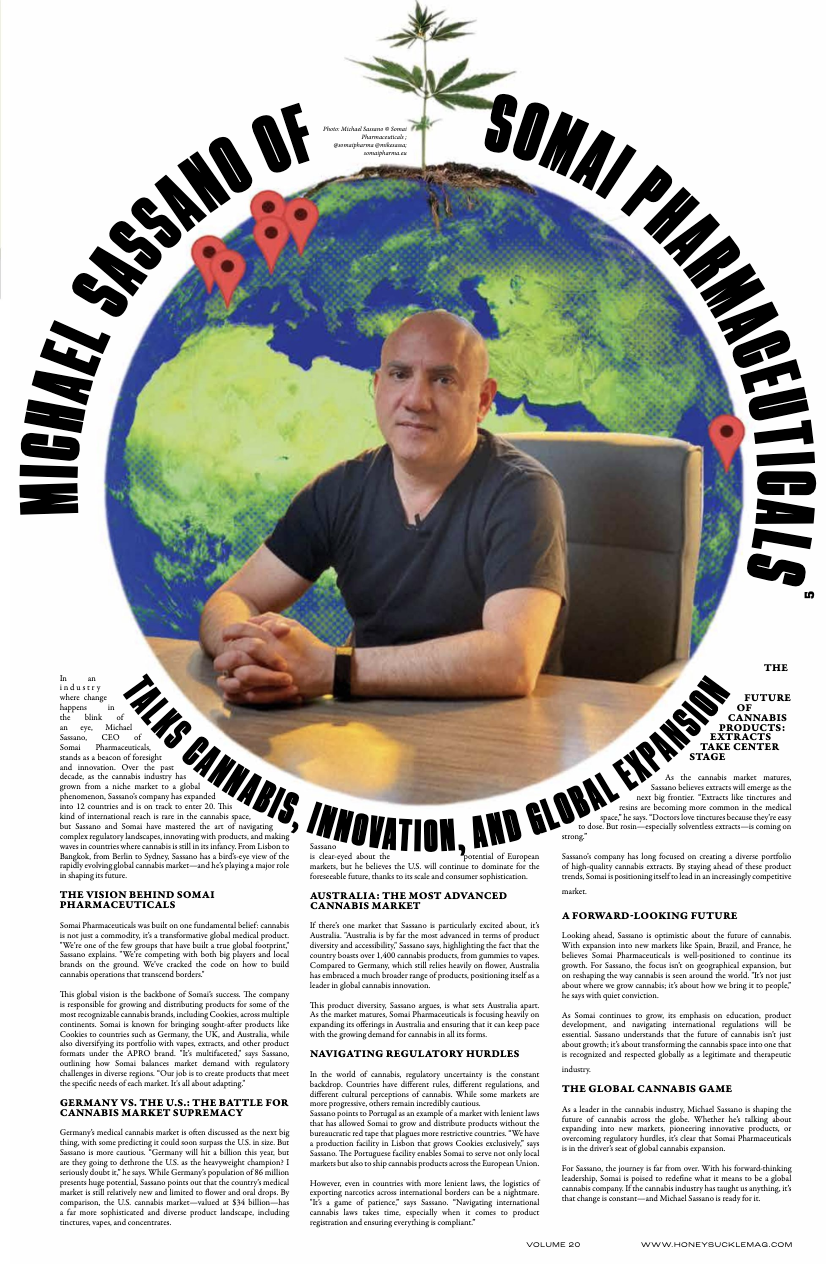
"As Germany debates cracking down on tele-clinics and flower sales, all eyes are on patient experience disruptions," Sassano said.
"Reversing course now will surely result in higher patient costs and supply line disruptions this soon into changes."
As Germany continues navigating its evolving cannabis policy, Bloomwell’s survey—and growing industry concern—serve as a clear signal: restricting telemedicine access could dismantle a working system and endanger both public health and regulatory integrity.
