


Europe’s medical cannabis landscape is entering its most pivotal era yet. Once defined by fragmented policies and regulatory hesitation, the continent is now accelerating toward a unified, patient-centered ecosystem built on quality, access, and scientific credibility. With countries like Germany, Poland, and Greece driving forward momentum, Europe is positioning itself not just as a participant in the global cannabis industry, but as a leader capable of setting new standards.
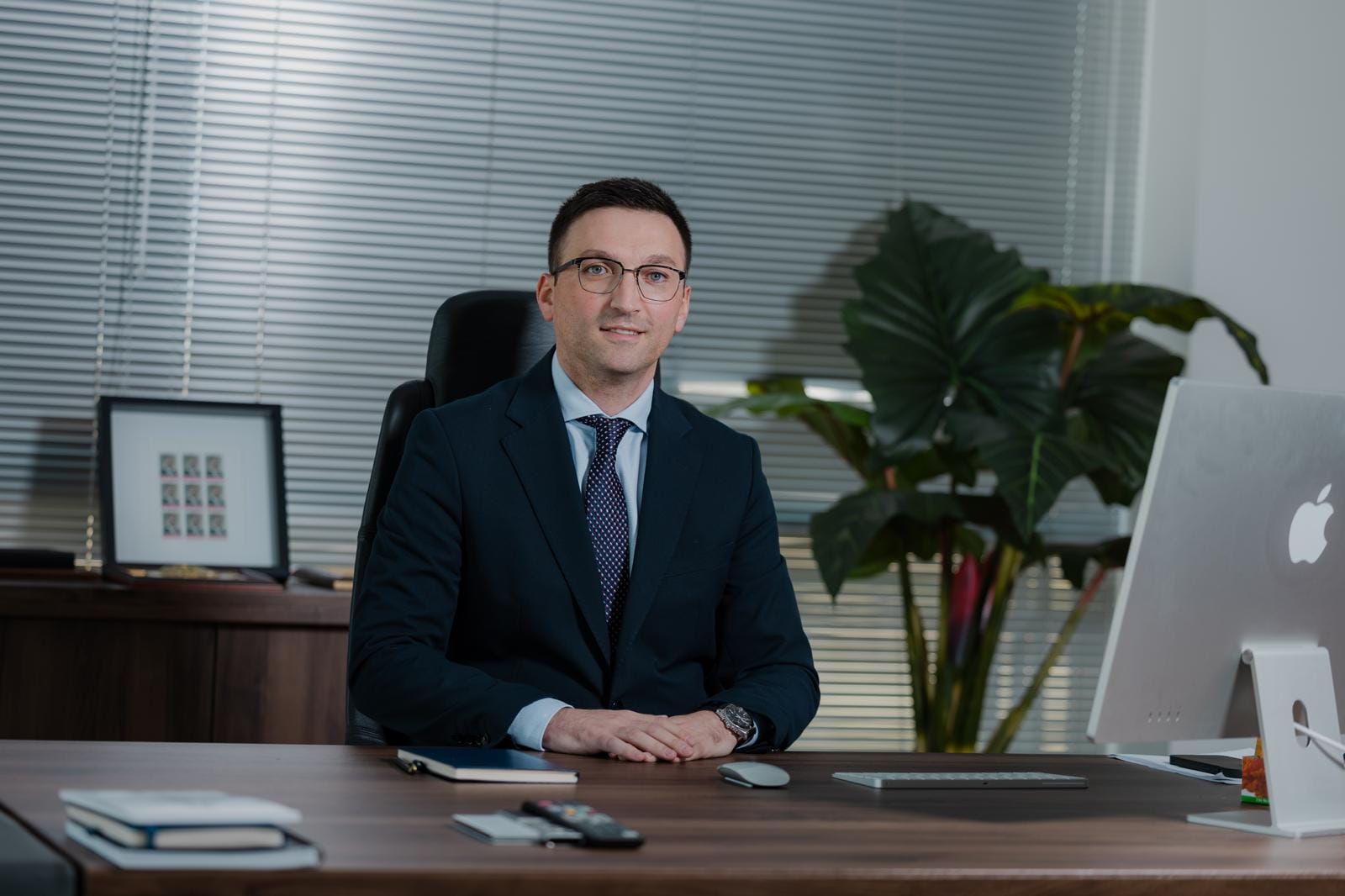
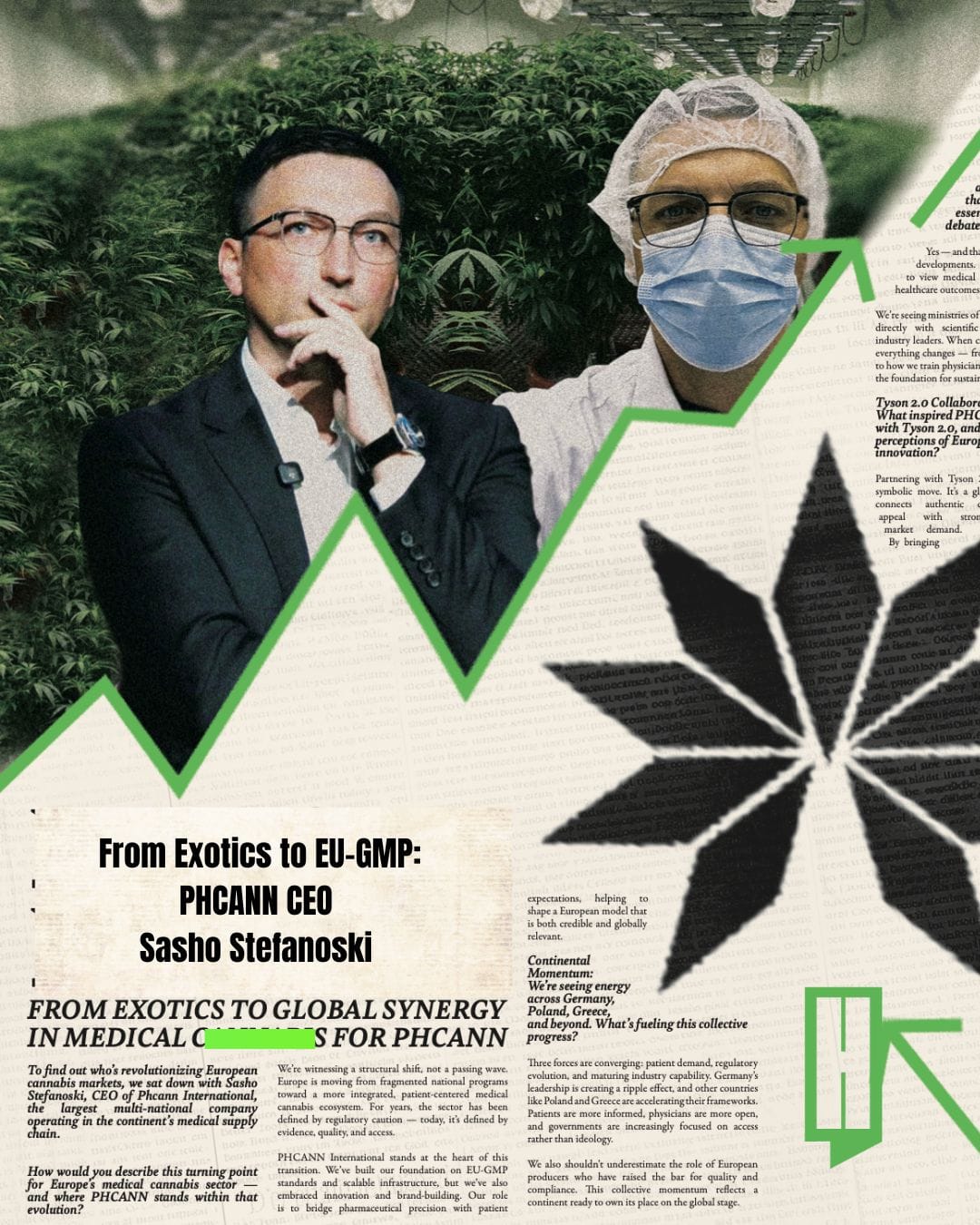
At the forefront of this transformation is PHCANN International, led by CEO Sasho Stefanoski, whose vision blends pharmaceutical rigor with cultural authenticity and innovation. From pioneering high-grade exotic genetics to bringing global brands like Tyson 2.0 into the EU-GMP space, PHCANN is helping redefine what European cannabis can be. Honeysuckle Magazine sat down with Stefanoski to explore this turning point — and the promise of a more connected, patient-driven global medical cannabis future.
How would you describe this turning point for Europe’s medical cannabis sector — and where PHCANN stands within that evolution?
We’re witnessing a structural shift, not a passing wave. Europe is moving from fragmented national programs toward a more integrated, patient-centered medical cannabis ecosystem. For years, the sector has been defined by regulatory caution — today, it’s defined by evidence, quality, and access.
PHCANN International stands at the heart of this transition. We’ve built our foundation on EU-GMP standards and scalable infrastructure, but we’ve also embraced innovation and brand-building. Our role is to bridge pharmaceutical precision with patient expectations, helping to shape a European model that is both credible and globally relevant.
Continental Momentum
We’re seeing energy across Germany, Poland, Greece, and beyond. What’s fueling this collective progress?
Three forces are converging: patient demand, regulatory evolution, and maturing industry capability. Germany’s leadership is creating a ripple effect, and other countries like Poland and Greece are accelerating their frameworks. Patients are more informed, physicians are more open, and governments are increasingly focused on access rather than ideology.
We also shouldn’t underestimate the role of European producers who have raised the bar for quality and compliance. This collective momentum reflects a continent ready to own its place on the global stage.
Global Mindset
Do you sense a shift toward a shared understanding among governments that medical cannabis is essential healthcare, not a debate?
Yes — and that’s one of the most encouraging developments. Governments are starting to view medical cannabis through the lens of healthcare outcomes, not cultural controversy.
We’re seeing ministries of health and regulators engaging directly with scientific data, patient groups, and industry leaders. When cannabis is treated as medicine, everything changes — from reimbursement discussions to how we train physicians. This shared understanding is the foundation for sustainable growth.
Tyson 2.0 Collaboration
What inspired PHCANN’s partnership with Tyson 2.0, and how has it influenced perceptions of European cultivation and innovation?
Partnering with Tyson 2.0 was both a strategic and symbolic move. It’s a globally recognized brand that connects authentic cultural appeal with strong market demand. By bringing Tyson 2.0 to Europe through EU-GMP certified production, we proved that premium brands can thrive under the highest regulatory standards.
It also helped shift perceptions — showing that European cultivation is not just about compliance; it can be dynamic, innovative, and globally competitive.
Exotic Genetics
Exotics have become a symbol of premium quality and patient interest. What do they represent to you beyond flavor or branding?
Exotics symbolize evolution in patient experience. Beyond the terpene profile or aesthetic, they reflect a shift toward more personalized, patient-driven treatment journeys. Patients today are looking for more than THC percentages — they want quality, consistency, and choice.
For us, exotics are a way to merge science with culture — delivering pharmaceutical-grade products that still speak to the diversity and richness of the cannabis plant.
Precision Meets Creativity
PHCANN is known for pharmaceutical precision even with exotic genetics. How do you balance innovation with compliance?
It’s about building compliance into the creative process, not treating it as an afterthought. At PHCANN, innovation happens inside the framework of EU-GMP, not outside of it. This is why we invest heavily in R&D, controlled genetics programs, and robust quality assurance systems.
This balance is what allows us to bring authentic, exciting products to market while maintaining the trust of regulators, physicians, and patients.
Expanding Access
Patient numbers are rising across Europe. What factors are driving that growth, and how can we ensure access continues to expand responsibly?
Education, product quality, and policy clarity are the three drivers. As more physicians become familiar with the therapeutic potential of cannabis, more patients are receiving treatment, yet a significant percentage of patients across Europe are still not aware that medicinal cannabis can help with their conditions. At the same time, a broader and more sophisticated product offering is making treatment more precise and effective.
To ensure this growth remains responsible, we need strong clinical data, transparent communication, and patient safety as a non-negotiable value.
Education and Awareness
What steps are most urgent to educate doctors, patients, and policymakers about the medical benefits of cannabis?
We need structured, credible education programs — led by medical experts, not marketing teams. This means integrating cannabis education into medical training, supporting continuing education for doctors, and providing clear, evidence-based information for patients
Policymakers also need accessible data and best practices to make informed regulatory decisions. Education is the most powerful tool we have to transform this sector from niche to mainstream healthcare.
From Legacy to Legal
There’s huge potential to welcome traditional growers and consumers into the regulated medical space. How do we make that transition inclusive and positive?
By recognizing their knowledge, not excluding it. Legacy growers have a deep understanding of genetics, cultivation, and patient communities. If we create frameworks that bring them in through training, partnerships, and licensing pathways, we can strengthen the legal market.
This isn’t about erasing legacy culture — it’s about elevating it into a safe, regulated, and sustainable system.
Government Collaboration
What does effective cooperation between industry and regulators look like when it truly works for patients and public health?
It’s a dialogue, not a one-way street. When industry and regulators sit at the same table, share evidence, and align on patient outcomes, you get smart regulation — frameworks that are rigorous but enable access.
The best systems are co-created with public health as the compass, and industry as the engine that makes it operational.
Shared Standards
Could Europe set a new global benchmark for medical cannabis — one that combines pharmaceutical rigor with cultural authenticity?
Absolutely. Europe has the unique opportunity to lead the world with a hybrid model: pharmaceutical-grade production and regulatory rigor, combined with authenticity and patient-centered design.
If we get this right, Europe won’t just participate in the global cannabis industry — it will help define its future standards.
Industry Unity
You often speak about collaboration over competition. Why is partnership between companies so essential for the next stage of growth?
Because the future of medical cannabis is too big for any single company to build alone. Real progress will come from partnerships across cultivation, distribution, research, and education.
When we collaborate, we accelerate innovation, lower barriers for patients, and build a more stable and credible industry. This is especially true in Europe, where cross-border cooperation can unlock scale and consistency.
Global Synergy
How can Europe, North America, and other regions align their medical frameworks to accelerate global understanding and patient access?
By focusing on shared principles rather than identical rules. We don’t need perfect regulatory uniformity — we need alignment on quality, safety, and patient protection.
If Europe, North America, and other leading regions align on these pillars, patients will benefit from faster access, companies from easier market entry, and regulators from stronger oversight frameworks.
Sustainability and Responsibility
As the industry scales, how is PHCANN ensuring that progress remains ethical, transparent, and environmentally conscious?
Sustainability isn’t a slogan for us — it’s embedded in our operations. From energy-efficient cultivation to responsible sourcing and transparent governance, we treat ethical growth as a strategic imperative.
Our focus is on building trust at every level — with patients, regulators, partners, and communities. That’s the only way to grow a sector that is credible and enduring.
Looking Ahead
What excites you most about 2026 and beyond — and what does success look like for PHCANN and Europe’s medical cannabis ecosystem as a whole?
I’m excited about seeing Europe fully embrace medical cannabis as part of modern healthcare. We’re approaching a moment where patient access, regulatory clarity, and industry maturity will align.
For PHCANN, success means continuing to lead with quality, innovate responsibly, and contribute to shaping a European model that inspires the world. For the ecosystem, it means millions of patients having safe, reliable access to cannabis-based medicines — without stigma, without barriers.
Catch Sasho in our upcoming print edition out December, 2025.
For more, visit phcann.com and @phcann.international
