The Daily Green and Hurley Grown Bet on Local New York Weed
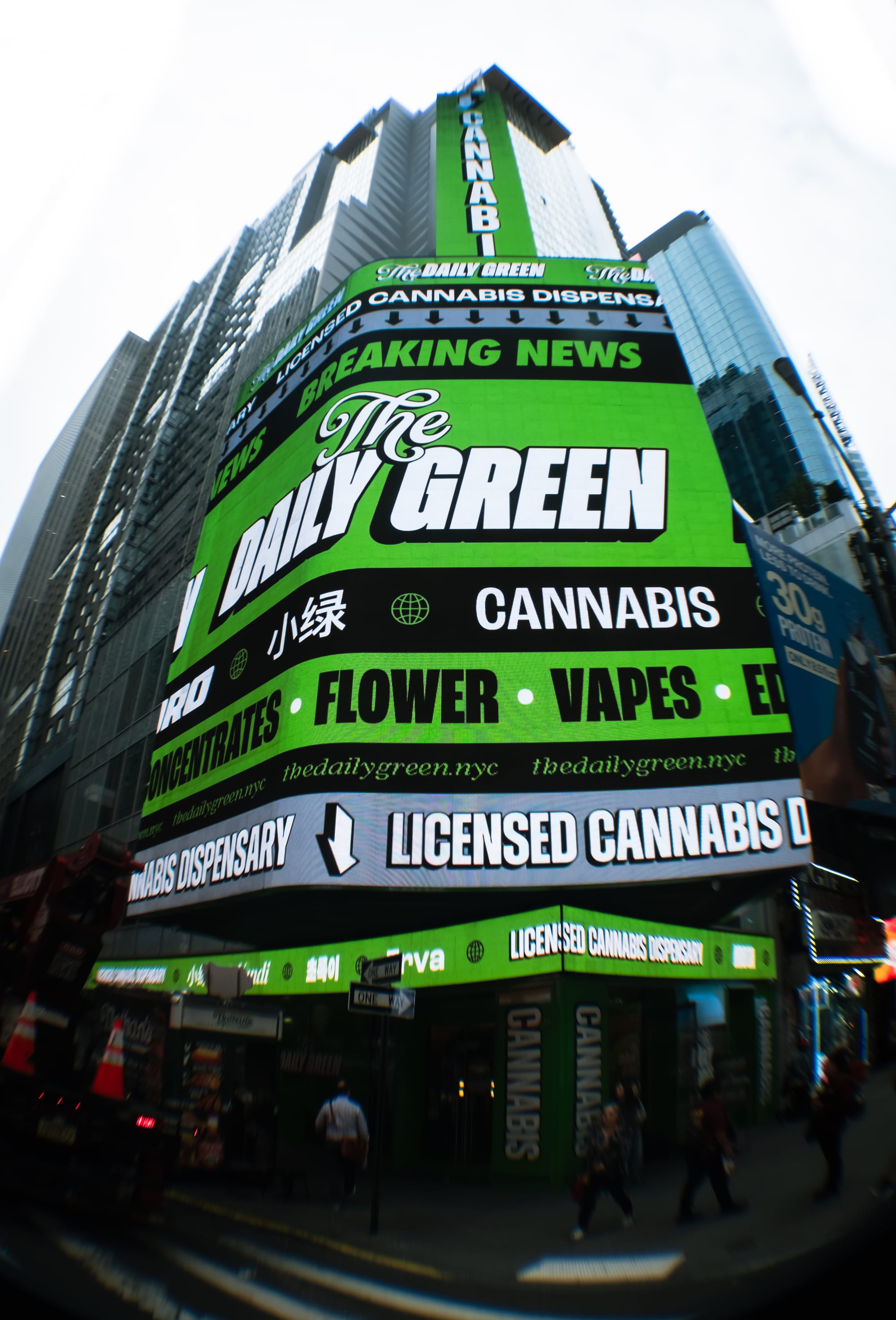
The Daily Green’s Croptober Harvest Festival starts in Times Square, but its real story is rooted much farther north.
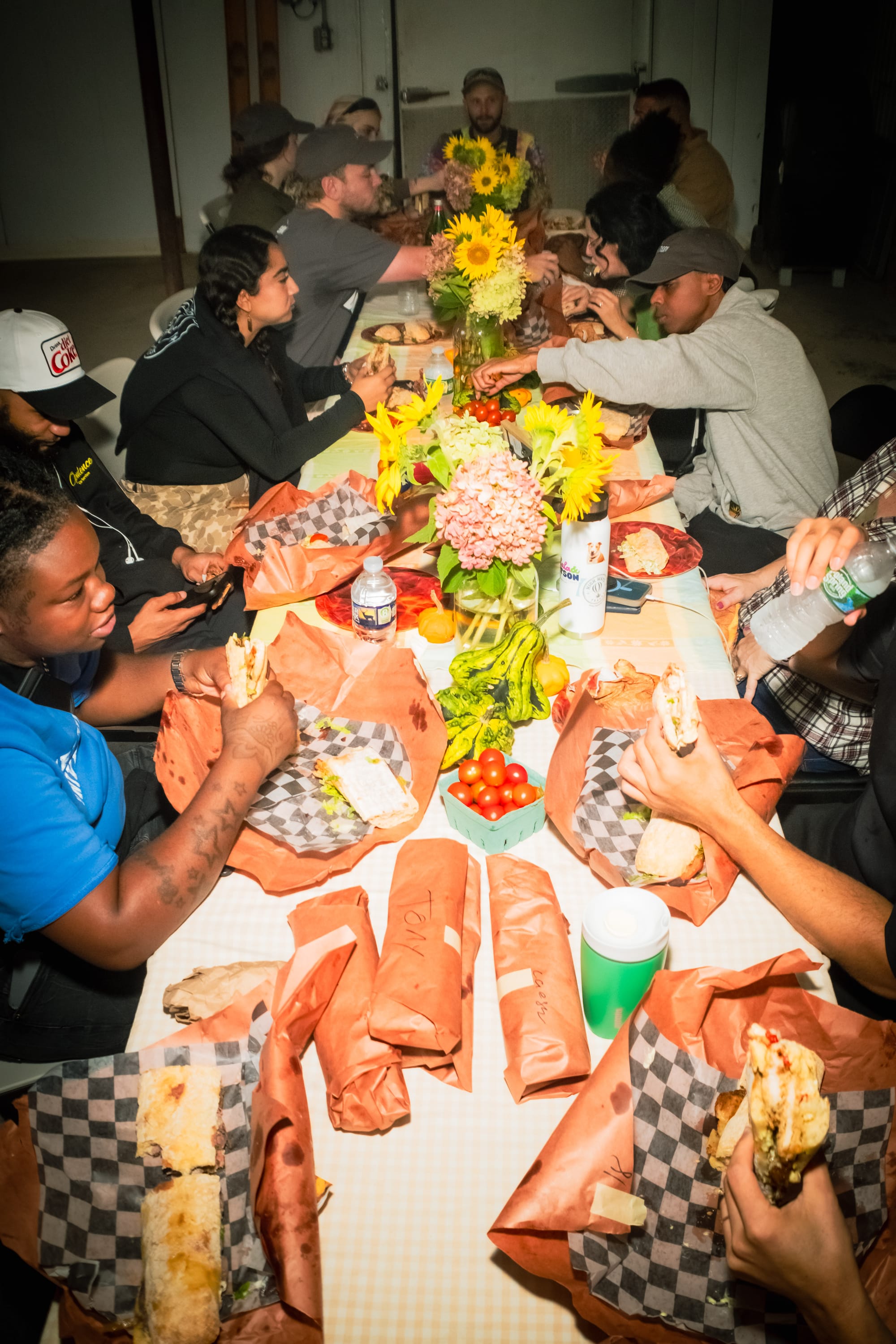
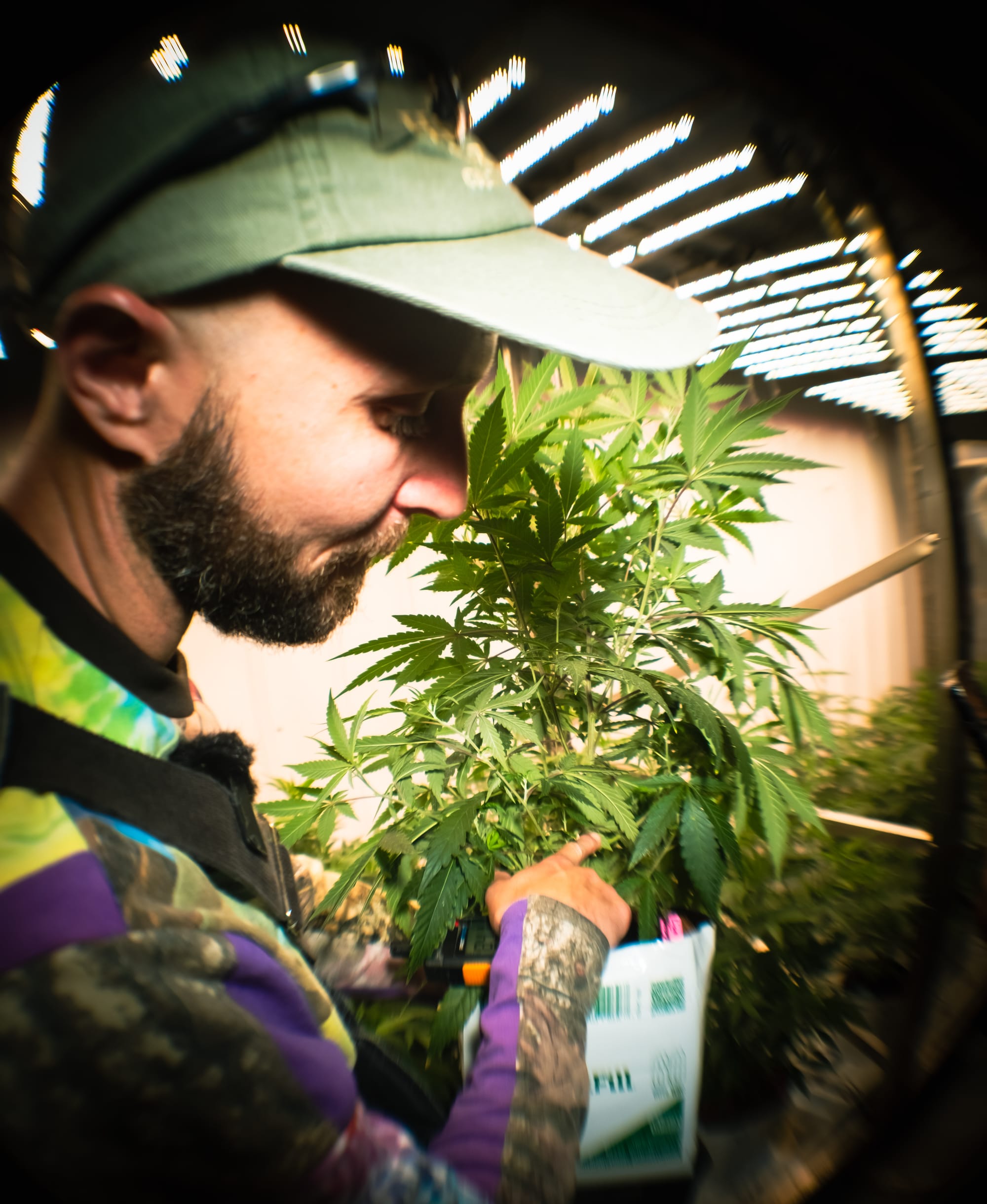
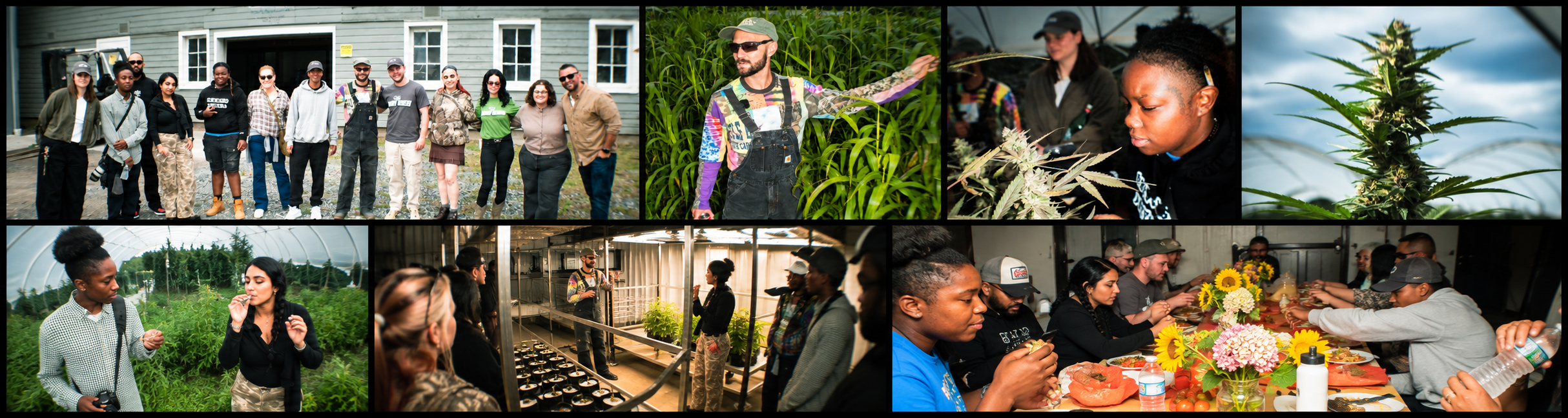
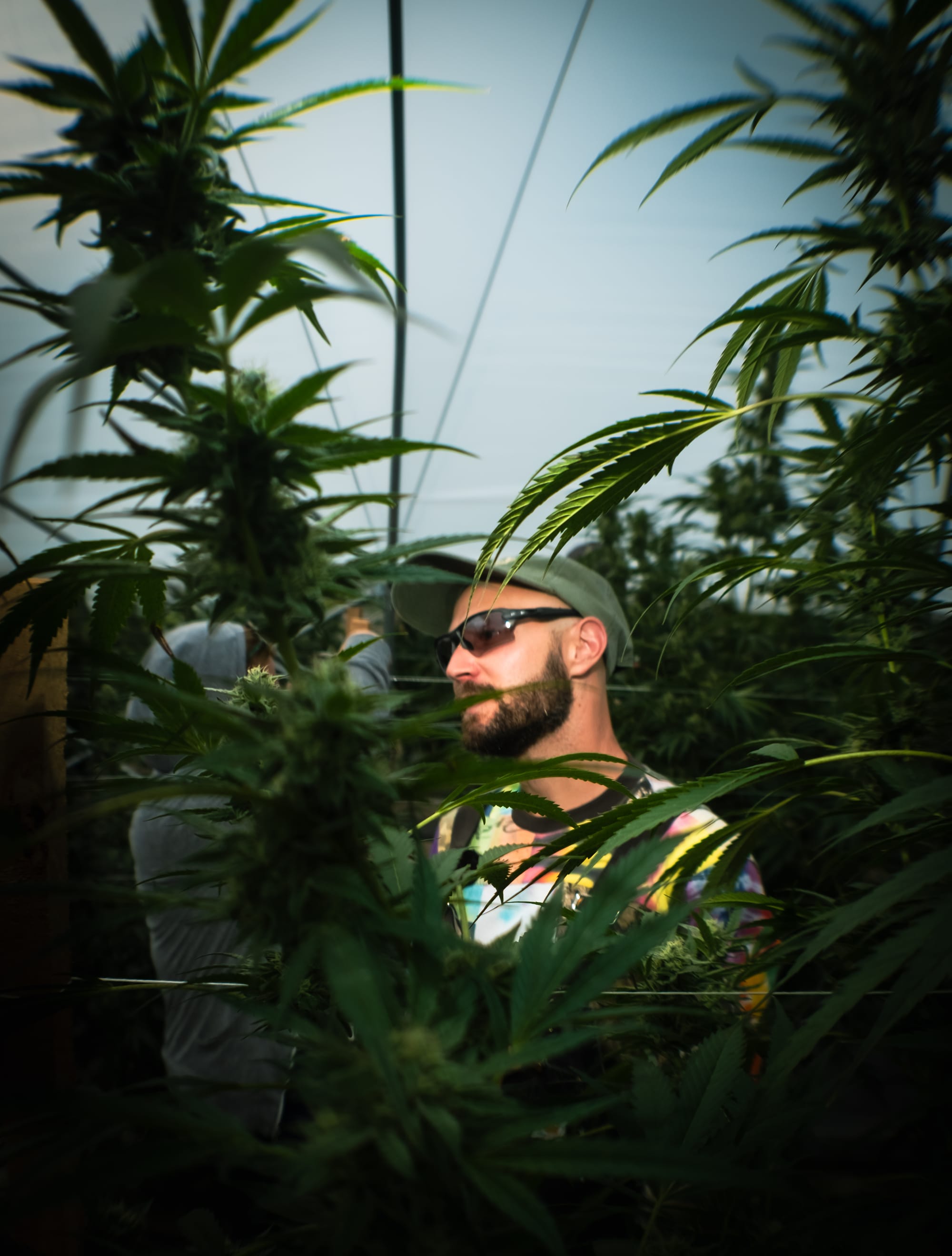
On October 1, a bus left The Daily Green’s Seventh Avenue dispensary and headed toward Hurley Grown in the Hudson Valley, where owner Dakota Miller led a tour through the farm’s fields, greenhouses, production spaces and indoor cultivation facility. The visit was part of The Daily Green’s larger Croptober campaign, built around four New York cultivators: Rolling Green, MAJOR, High Ambitions and Hurley Grown.
The headline-grabber is simple: one customer will win a full pound of New York-grown flower.
But Croptober is also The Daily Green making a statement about how it wants to operate in New York’s legal market. Rather than centering large multi-state operators, the retailer is giving independent New York cultivators dedicated takeover periods, in-store exposure and direct access to consumers.
The store becomes less a final point of sale and more a bridge between the city and the farms supplying it.
For Hurley Grown, that bridge leads straight into the soil.
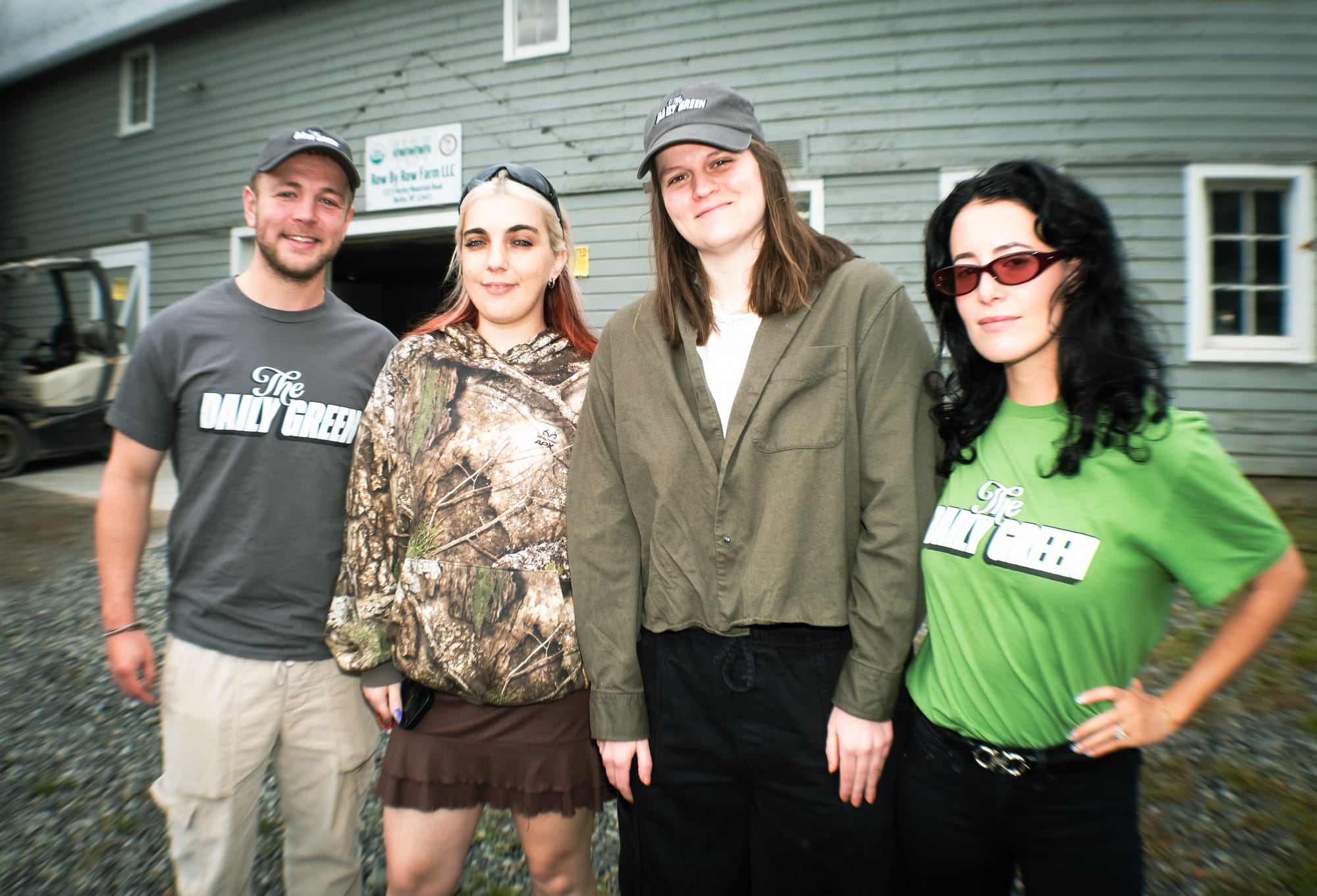
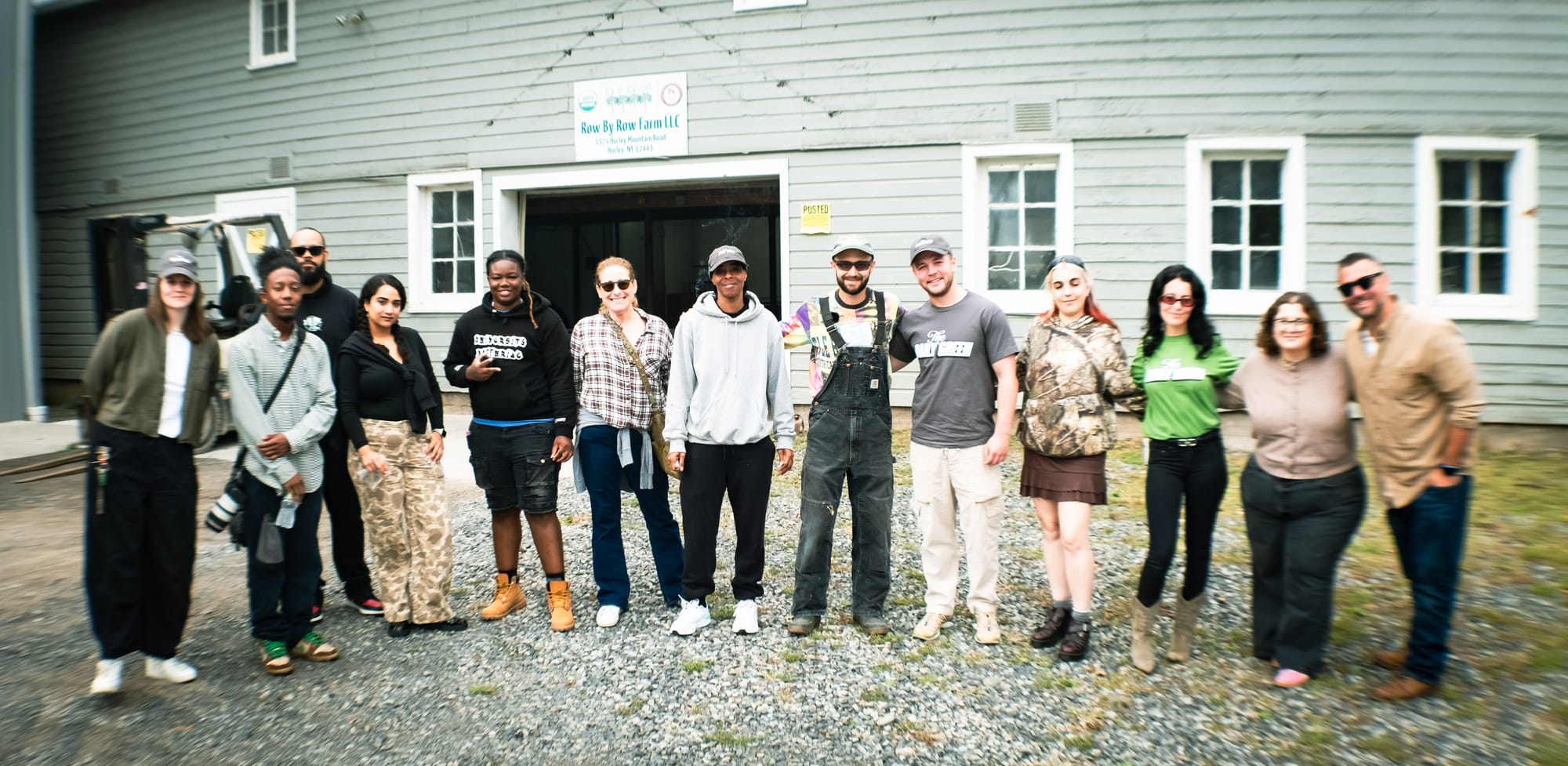
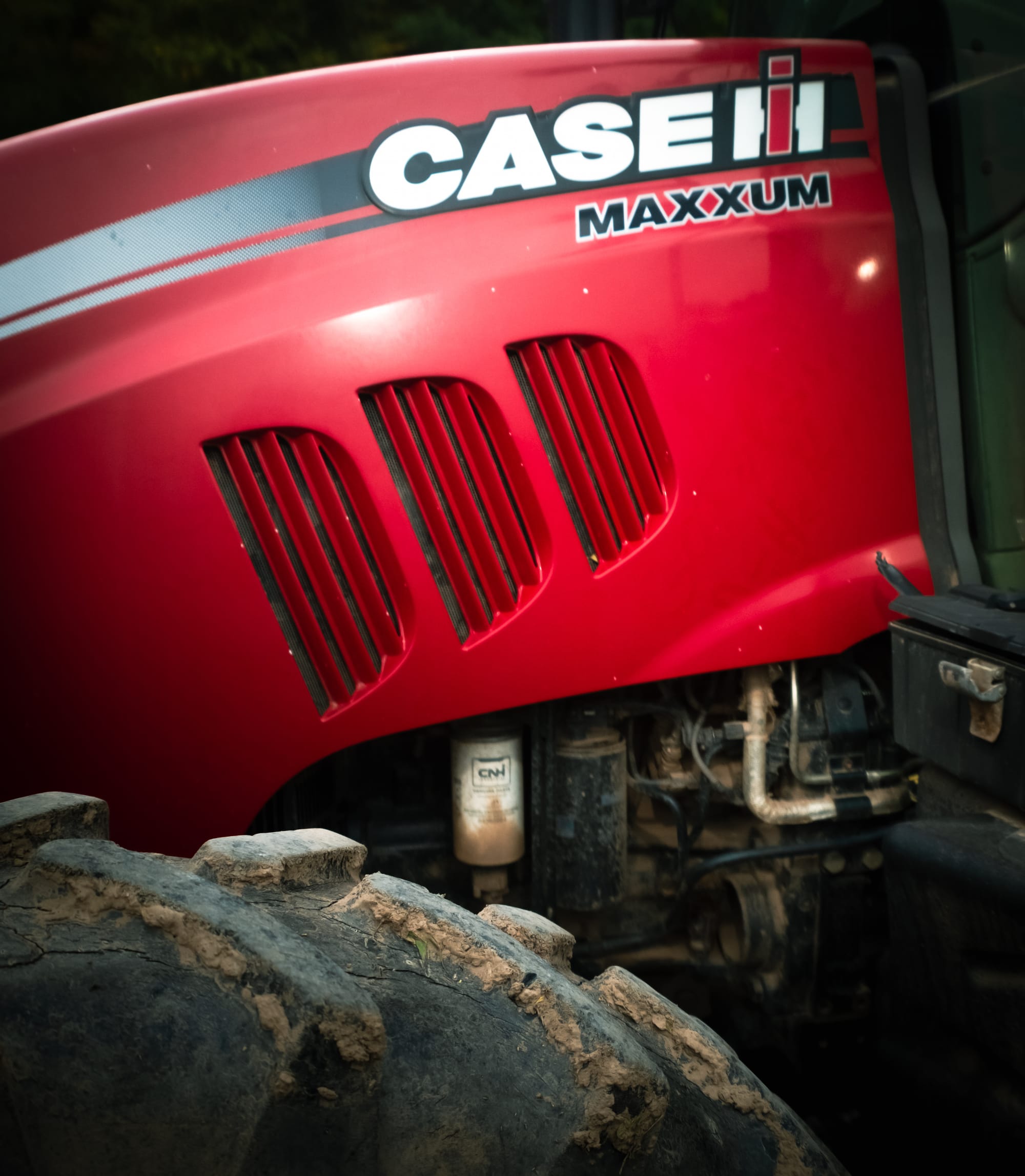
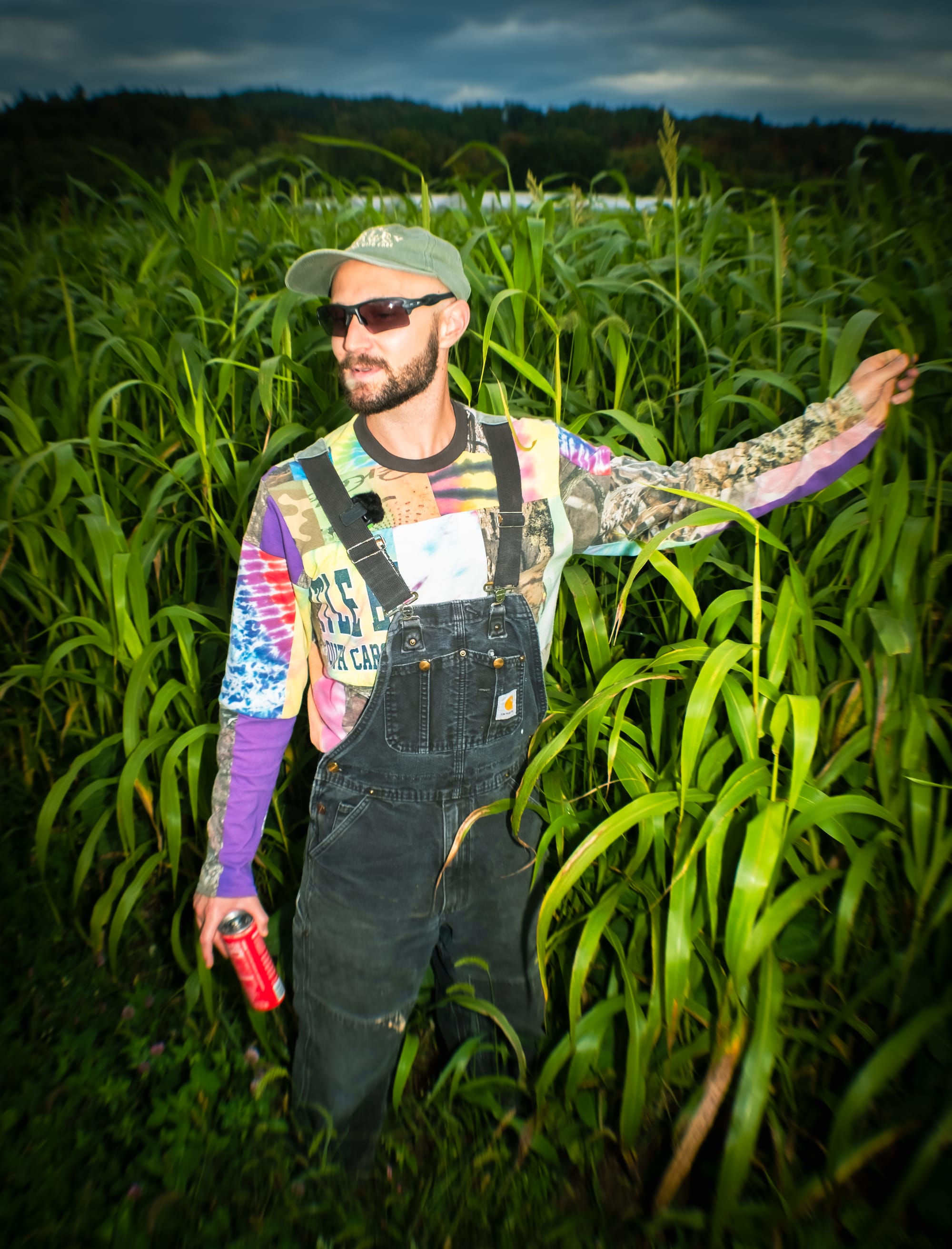
Miller’s operation does not feel like a cannabis facility dropped onto farmland. Cannabis exists inside a larger working agricultural system that includes sweet potatoes, blueberries, cover crops, irrigation, tractors and long-term soil management. Miller repeatedly returns to the health of the farm itself, not simply the yield of an individual crop.
“I get happy every time I drive by this. Because this is gonna get another foot taller and it's gonna be so much good worm food,” Miller says.
That philosophy helps explain why Hurley Grown makes sense inside The Daily Green’s Croptober lineup.
The Daily Green is effectively asking customers to look past packaging and potency percentages and think about origin. Its contest requires consumers to try flower from all four participating growers, turning the giveaway itself into a curated tour of small New York cultivation.
That is particularly meaningful in a market where independent farms can easily be buried beneath bigger marketing budgets.
Hurley Grown’s farming philosophy reinforces that point. Miller talks about regenerative agriculture as something broader than a certification or label: less tilling, more perennial crops, more thought about pollinators, soil life and what remains in the ground after harvest.
“This is something that we want to do long term. We'd like to have some fruit trees. We'd like to have some perennials because I think perennials are a really sustainable way to produce food because we're not constantly tilling and having to replant and use so much resources annually to plant,” Miller says.
The Daily Green’s role is giving farms like that visibility at the retail level.
Its Croptober program is not happening quietly on a shelf. Each grower receives its own spotlight period, while the store adds activations, education and promotional support around the larger pound giveaway. The result is a campaign that treats the cultivators as the story rather than anonymous vendors feeding product into a retail machine.
Hurley Grown, meanwhile, treats cannabis with an almost obsessive amount of attention.
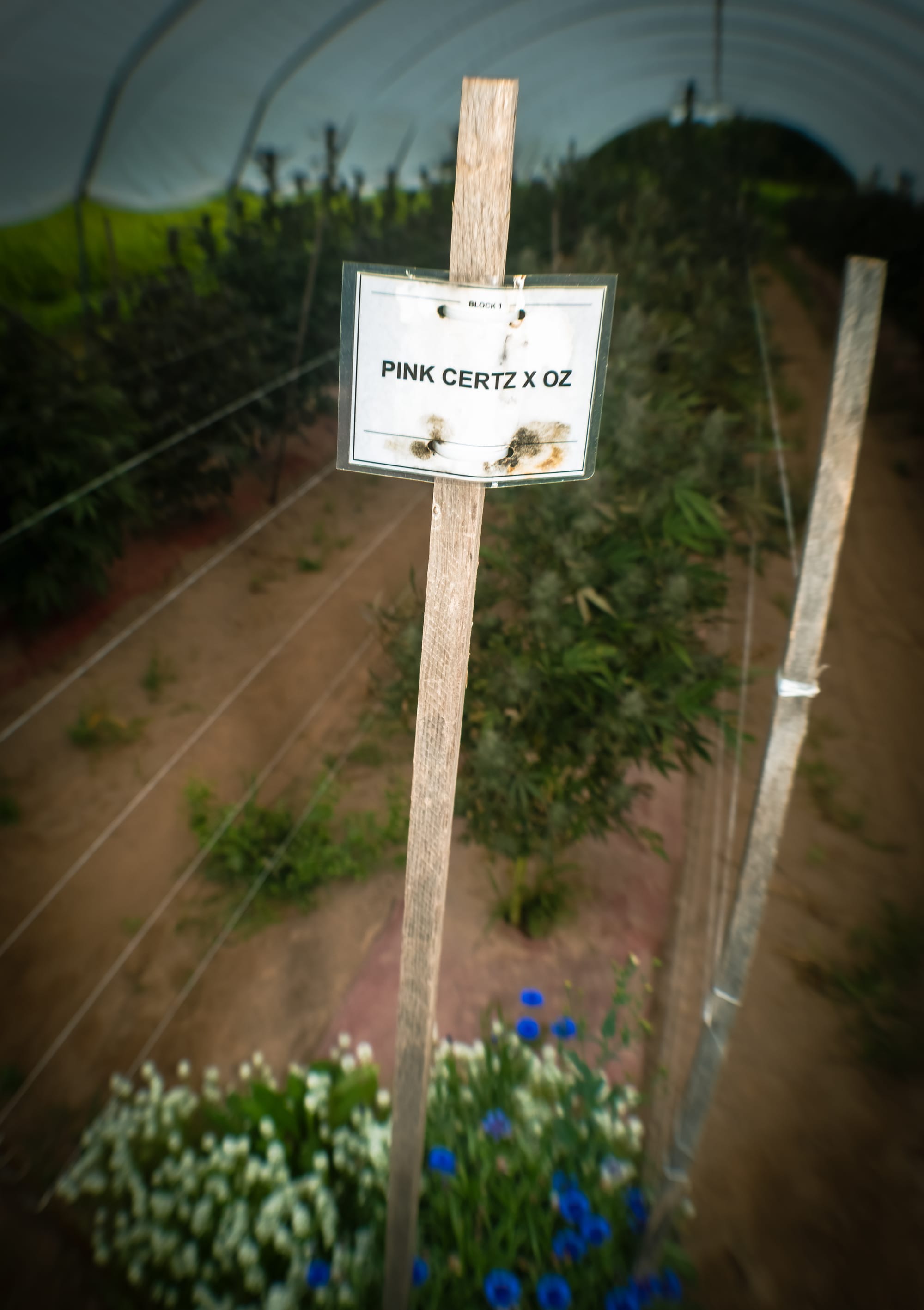
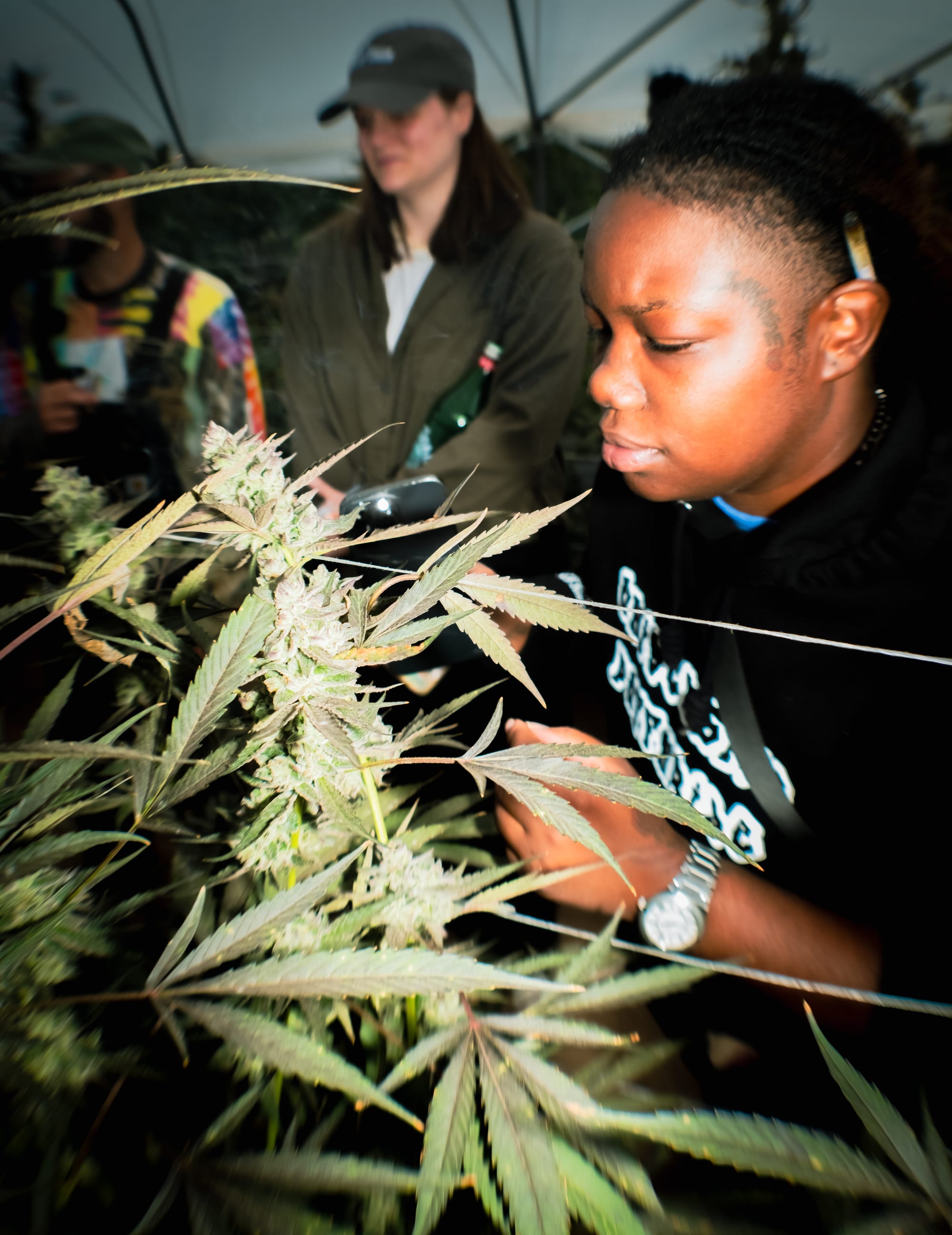
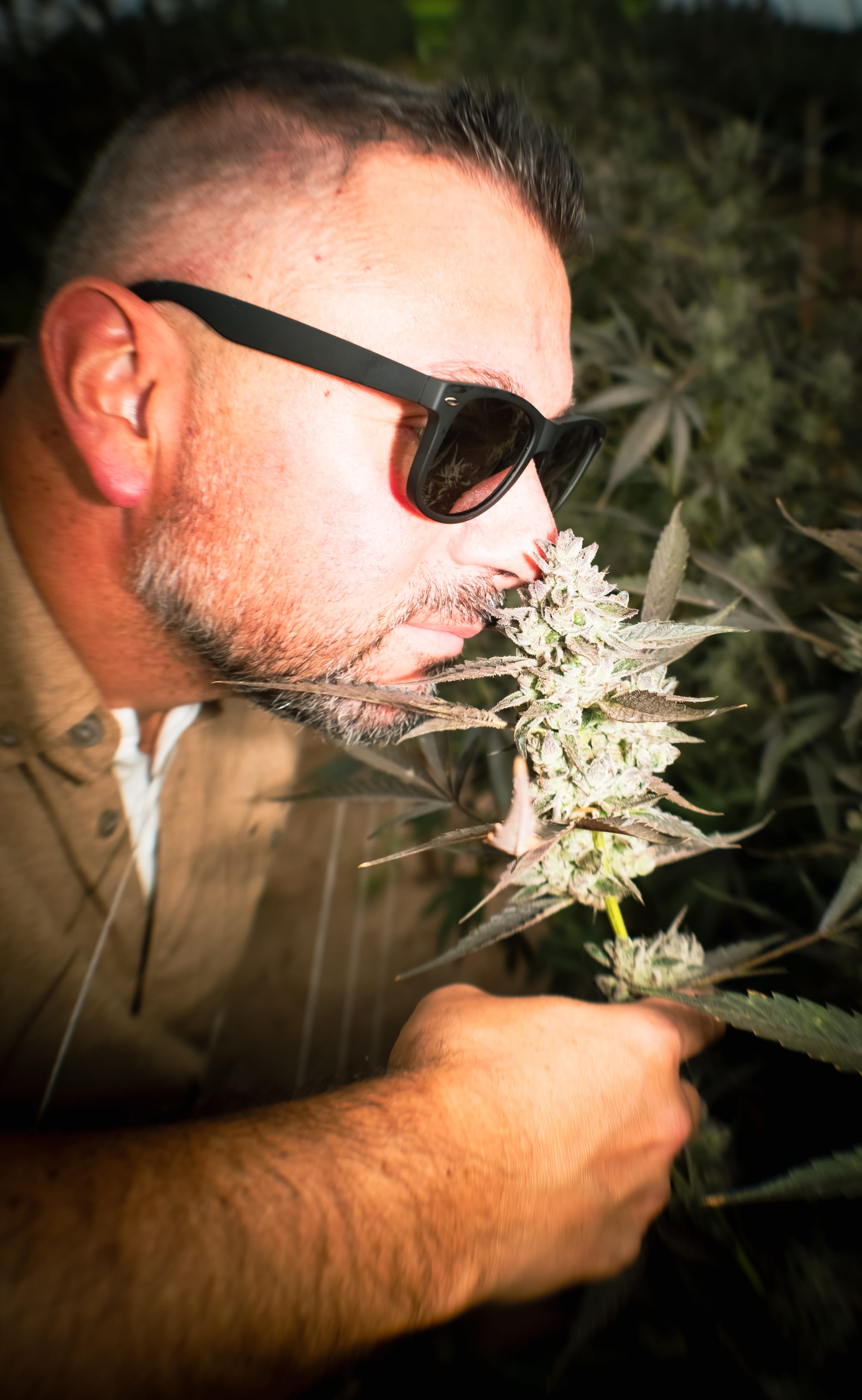
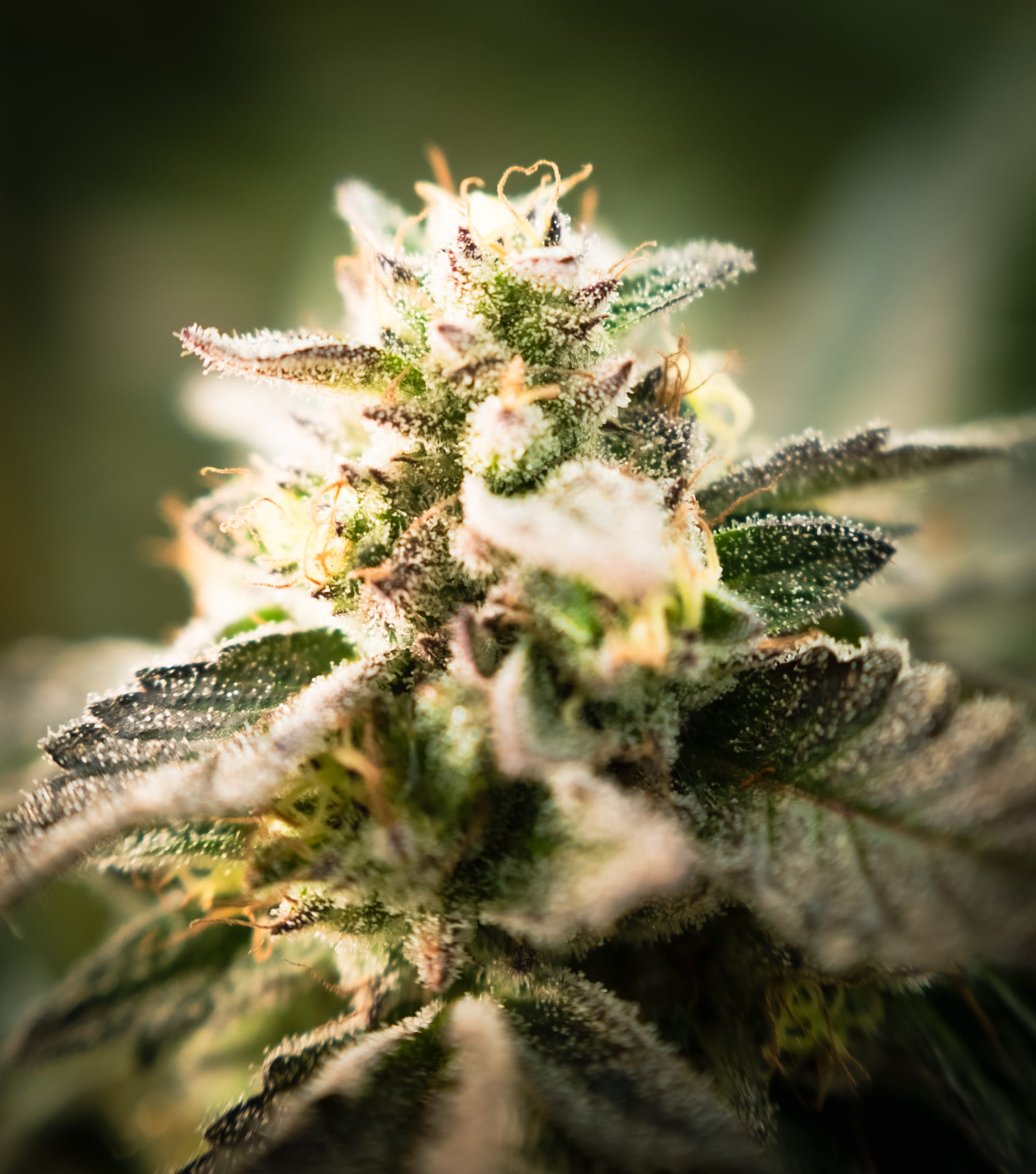
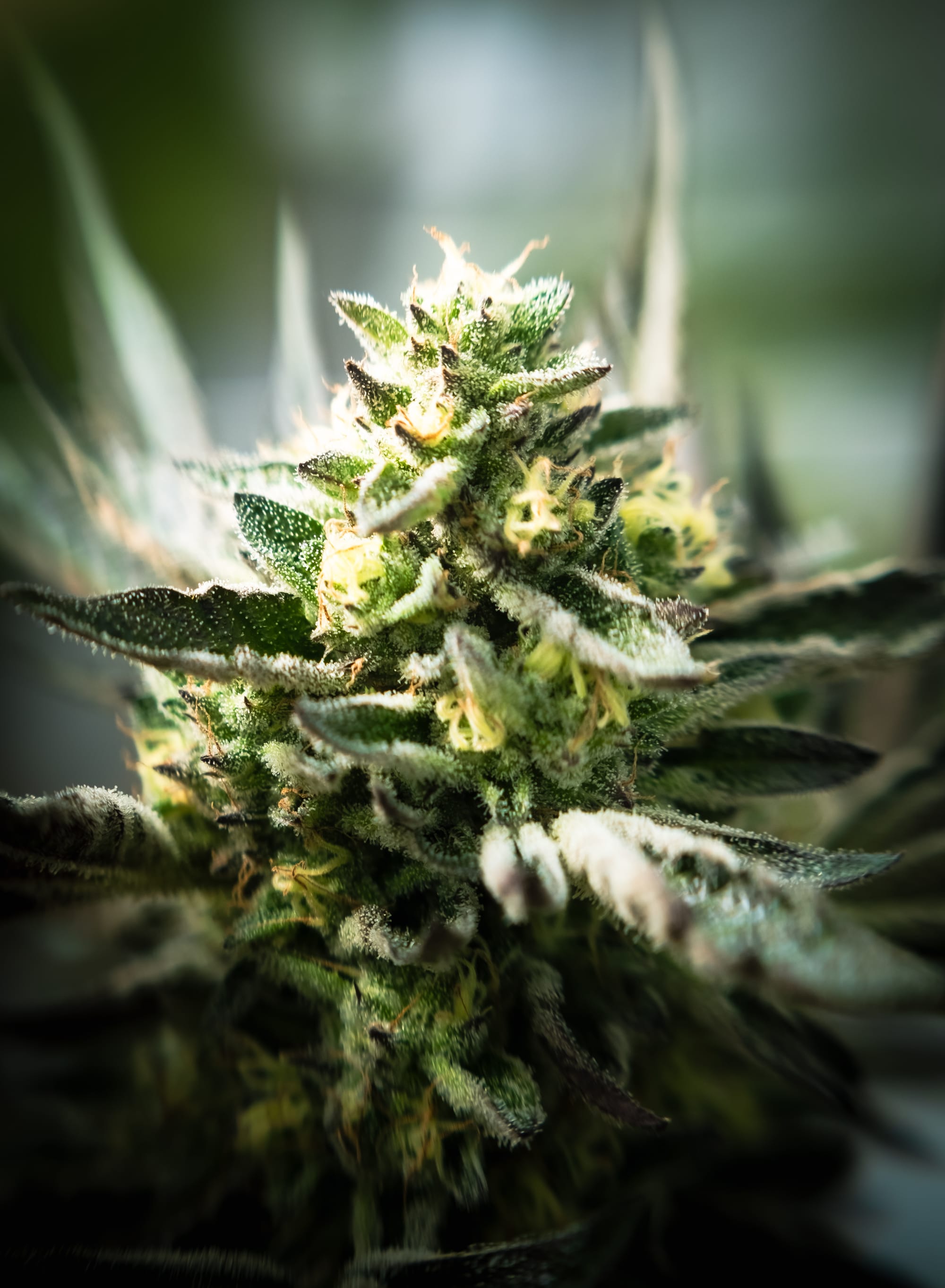
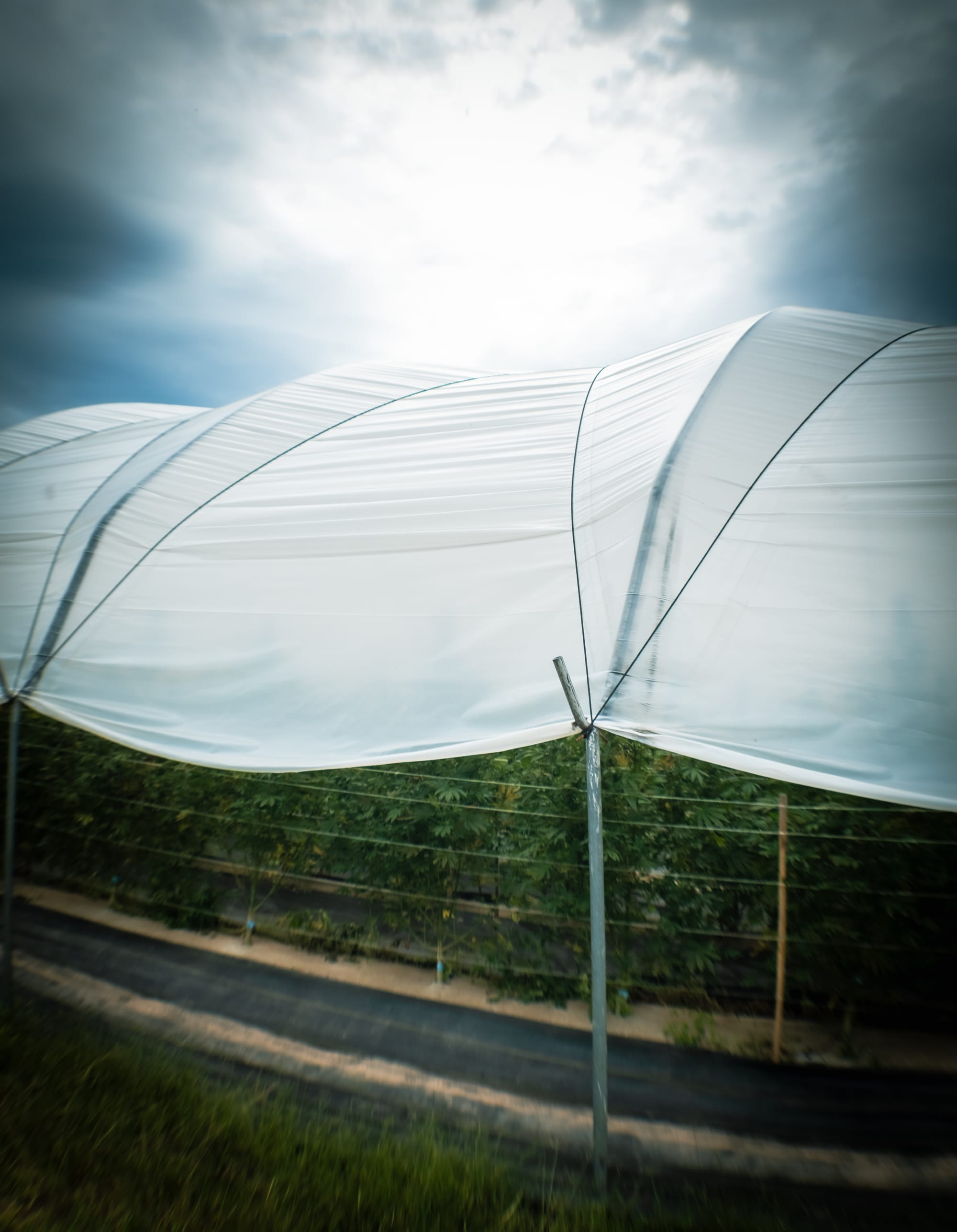
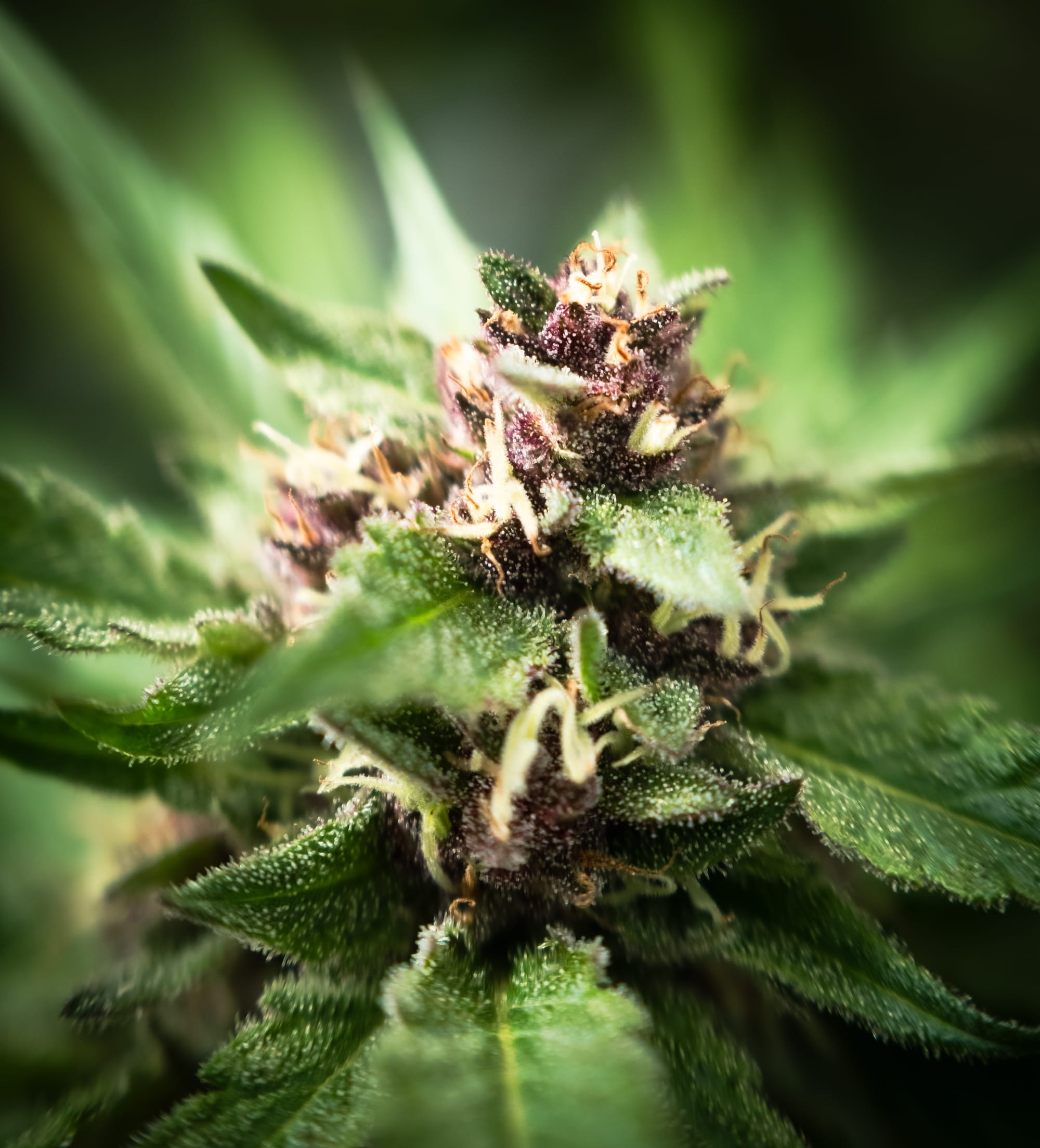
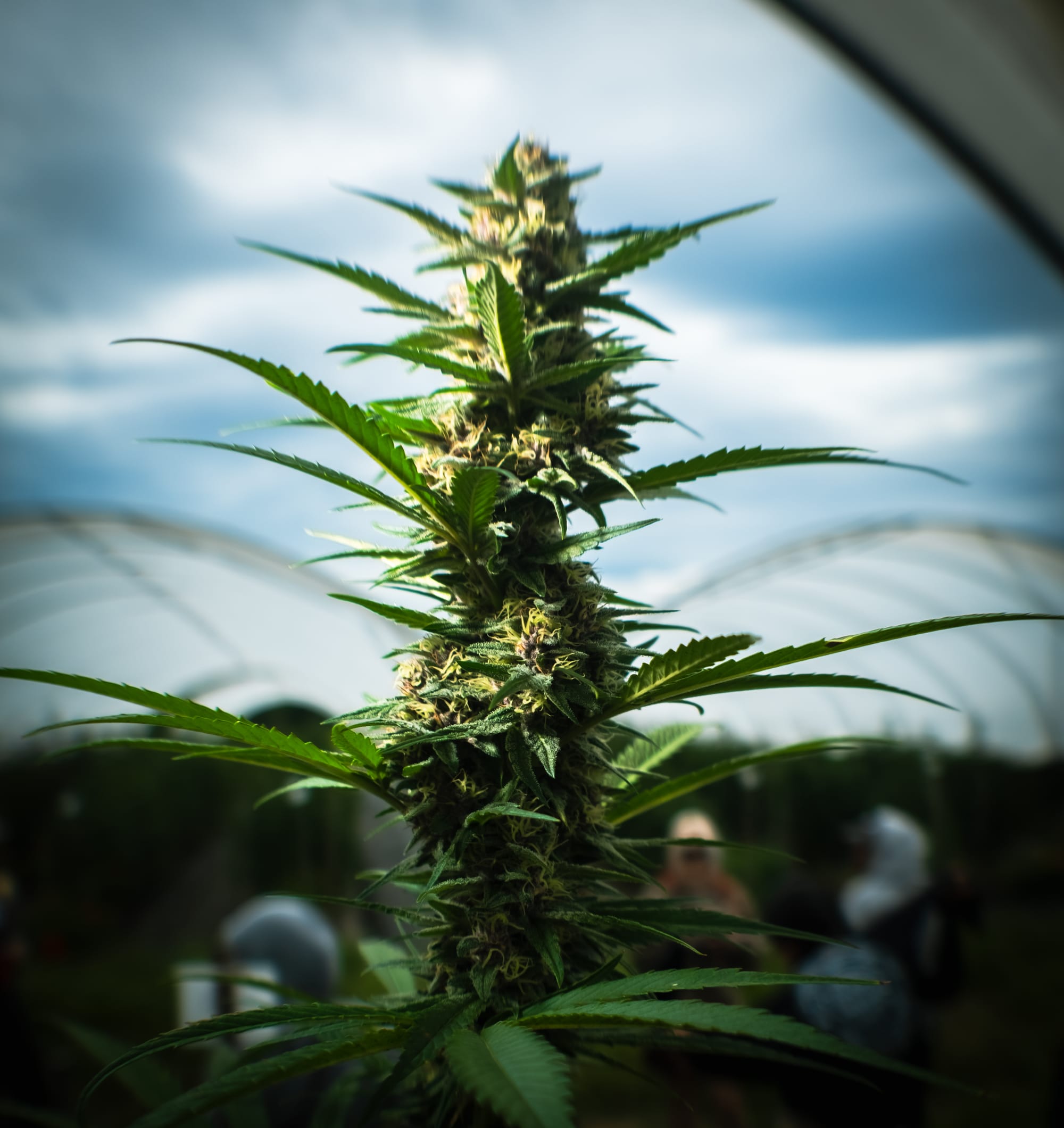
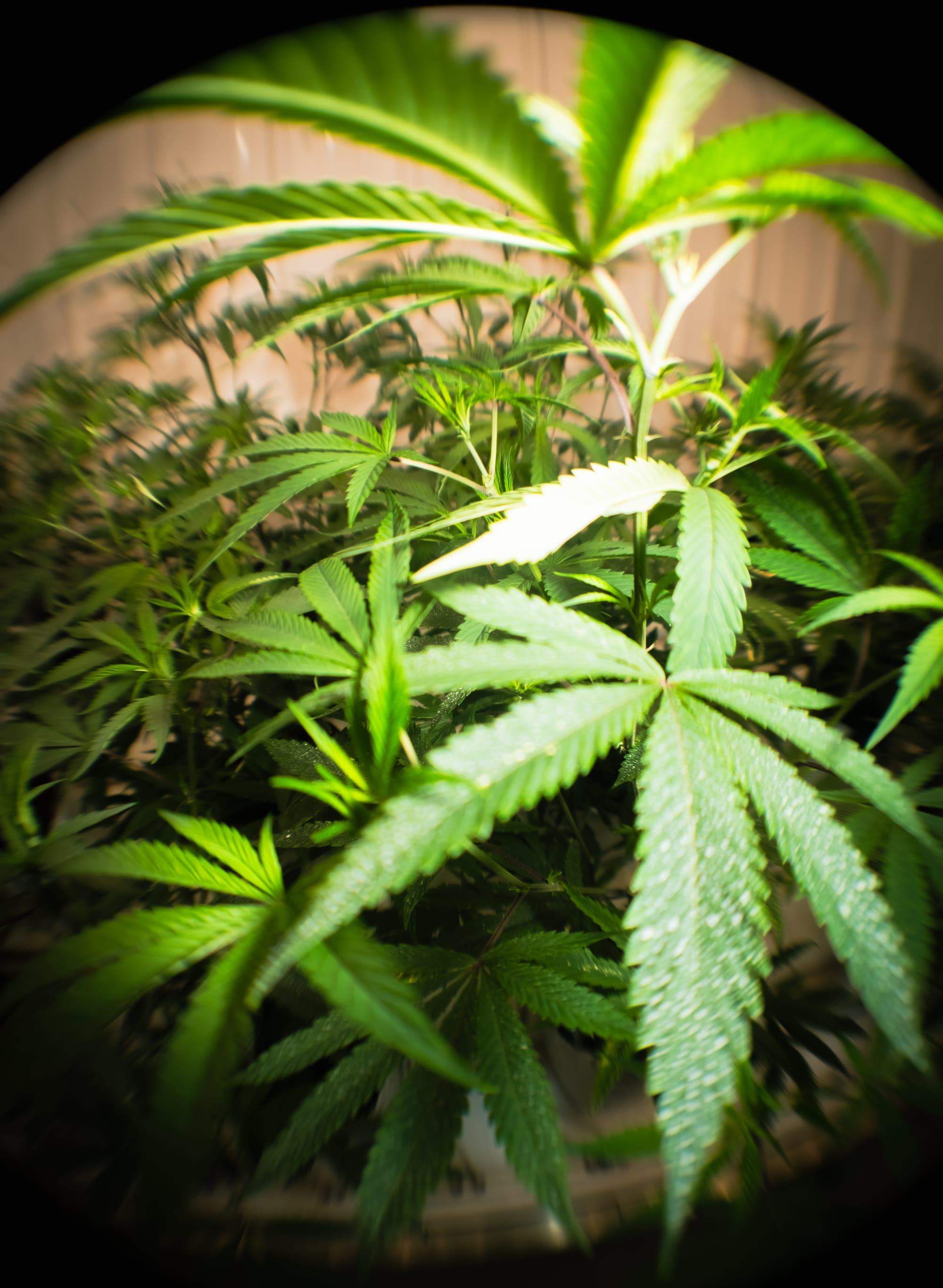
Miller explains that the cannabis canopy may take up less space than other crops on the farm, but it demands exponentially more work. Plants are hand-transplanted, genetics are constantly evaluated and cultivation decisions keep evolving.
“There is just a lot more that we are doing and a lot more attention to the plant, compared to the other things that we grow,” Miller says.
That experimentation continues indoors, where a building once used to store sweet potatoes has been retrofitted with two-tier cultivation racks, LED lighting, dehumidification, HVAC and hydroponic irrigation. It gives Hurley Grown more control, smaller batches and the ability to continue working genetics through the winter.
It also costs real money.
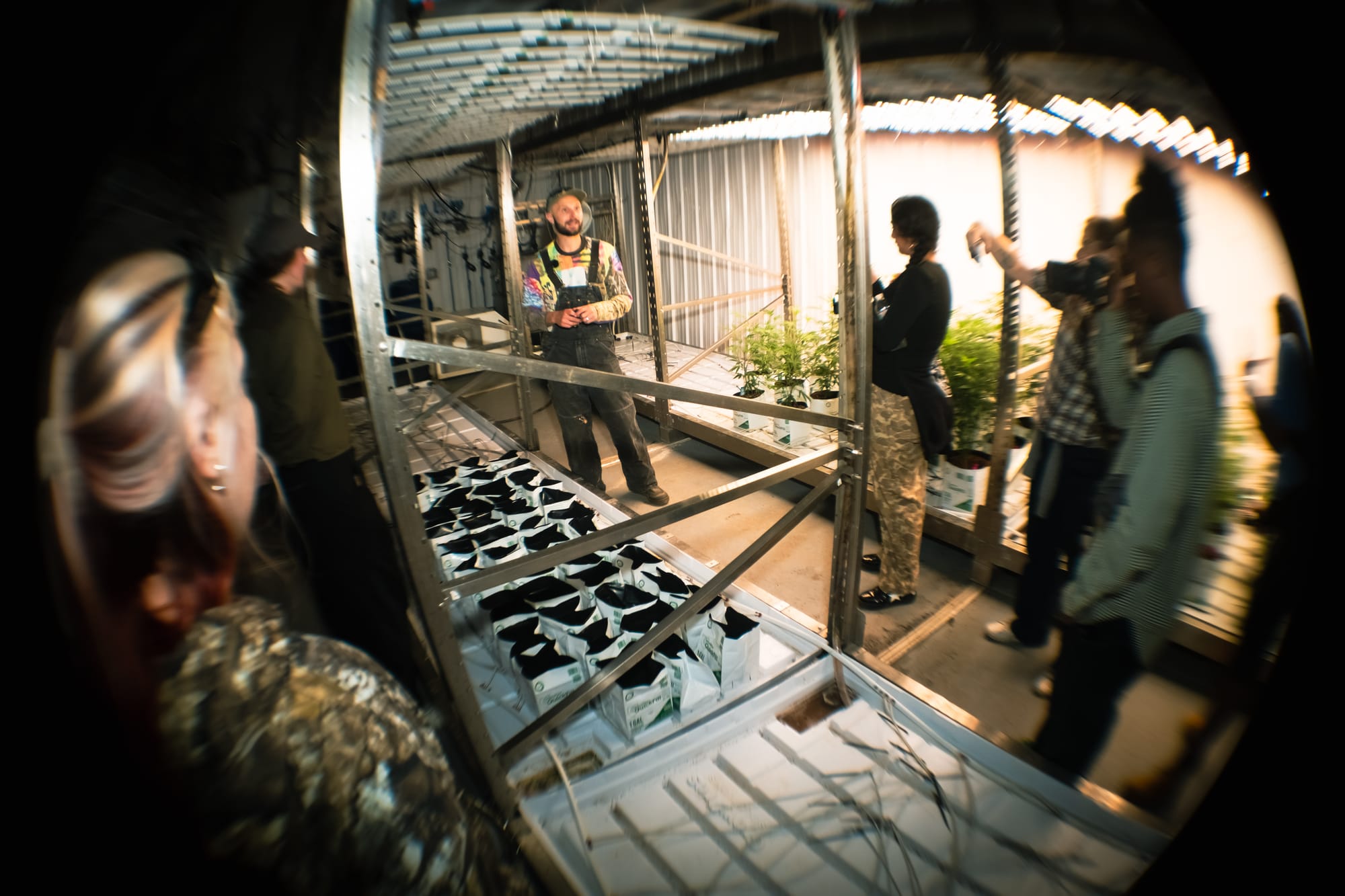
“It's a lot more expensive to take care of these plants,” Miller says.
And Hurley Grown is financing much of that evolution itself.
Miller says early earnings were reinvested into electrical upgrades, transformers, racks and HVAC rather than pulled out of the business.
“We're self-funded… we're trying to play it long here. We want to be a good, relevant flower brand,” Miller says.
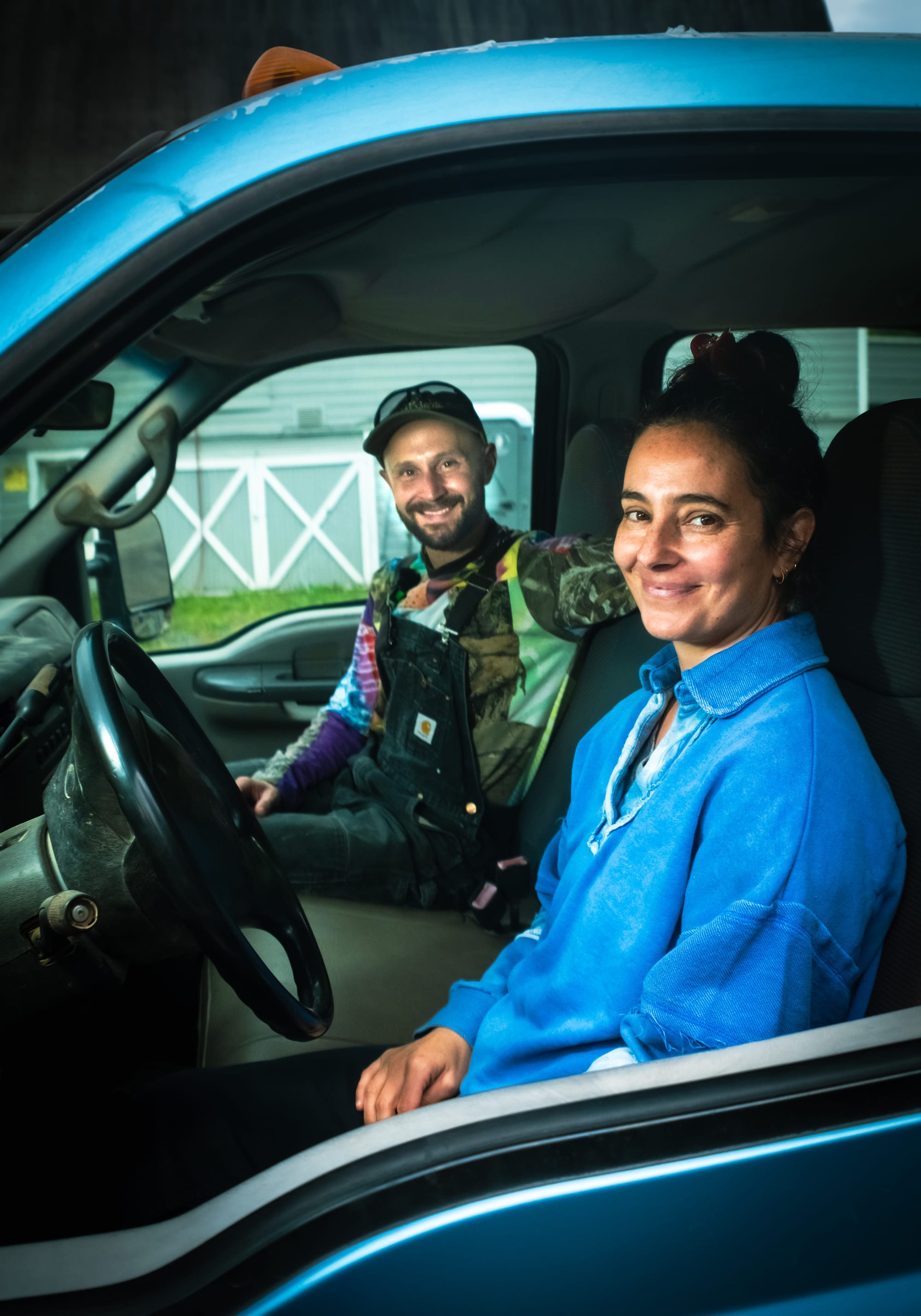
That is where The Daily Green and Hurley Grown meet philosophically.
One side is trying to build a New York retail identity around independent local cultivation. The other is trying to build a farm and flower brand slowly, carefully and on its own terms.
Croptober ties those two ambitions together.
The pound may be what gets customers excited. But the larger goal is making sure they know who grew it, how it was grown and why keeping those farms alive matters.
For The Daily Green, the trip to Hurley was a way to make that connection physical.
For Hurley Grown, it was a chance to show what sits behind the jar.
And for New York’s legal market, that relationship may matter more than the giveaway itself.