

Image source: FreePik
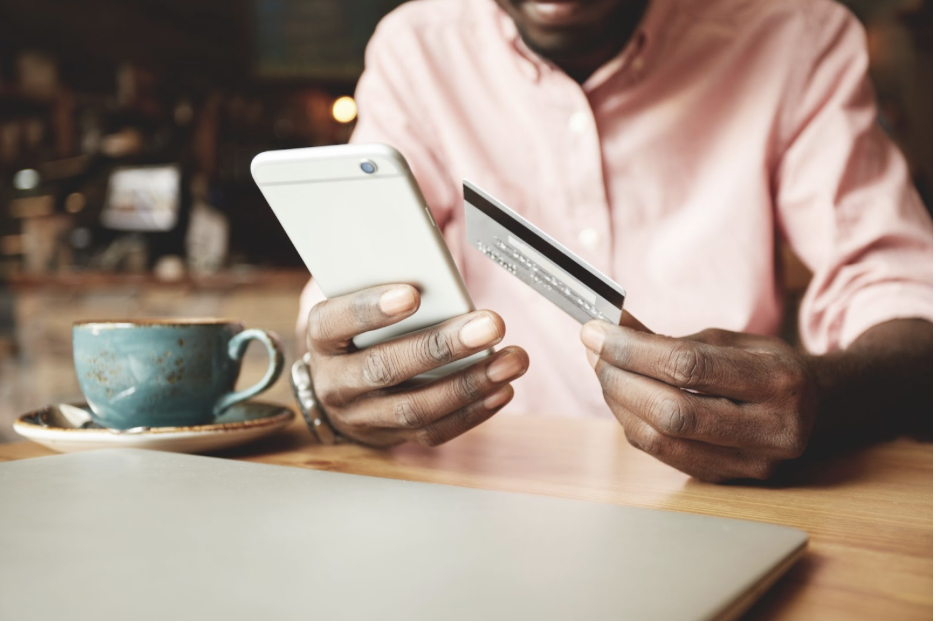
Checkouts on any reputable online platform today offer a rainbow of payment options. Credit cards, PayPal, Google Pay, Apple Pay, Buy Now Pay later, loyalty points, or sometimes even crypto; too many to name. Yet, despite all that choice, credit and debit cards are still connected to all these online payment methods, although it might not always be in the form of the traditional 16-digit number with CVV verification.
Credit Cards Still Power a Huge Share of Online Shopping
In the US, the big four networks, that is, Mastercard, Visa, American Express, and Discover, remain one of the main ways Americans pay online. A recent Capital One Shopping report about US spending habits notes that consumers used credit cards for 31% of online purchases in 2024. In addition, 40% of US citizens also reportedly funded their digital wallets with a credit card, not a bank account. These numbers add up to trillions of dollars.
In practice, this means that if someone pays for their Netflix subscription, orders a book from Amazon, books a last-minute flight on Expedia, or buys crypto to play poker online, a Mastercard or Visa is most likely involved.
Security Critical for Online Purchases
With that much money flowing across card rails, security is critical. eSports Insider’s November 2025 list of the top online credit card casinos explains what security measures reputable platforms take, no matter the service or product, to ensure their users’ details stay safe.
Reputable platforms typically offer well-known payment gateways, with banks routing payments through secure systems and monitoring suspicious transactions or activities. You should also only use platforms that would allow you to block your card or dispute charges timeously if something looks wrong.
Other security measures include basic safety measures, like:
1. Enabling real-time SMS or email notifications
2. Going through your monthly statements to scan for suspicious debits
3. Only entering your card details on secure “https” websites
4. Avoid using public Wi-Fi, especially for online transactions
5. Never share your CVV, PIN, or OTPs with anyone
6. Enabling biometric login where available
7. Try to keep using platforms and service providers with good customer support
In addition, make sure you know your rights as a credit card user and stay updated on the latest guidelines from the RBI and your card issuer. These and other precautions for transacting safely online will help ensure your financial safety, which is ultimately your responsibility, remains strong.
What the Numbers Say About Where We’re Headed
So, are we still using cards to pay online? You bet. But not in the same way or as much as we used to.
Globally, reported figures show credit cards handling around 20% of online purchases today. As digital wallet adoption grows, this share is expected to fall to 13% by 2030. In the US alone, credit card usage has been projected to drop from 31% in 2024 to 22% by 2030.
Industry-wide surveys reinforce this trend. McKinsey’s 2024 Digital Payments Survey found that adoption of almost every type of digital payment method, from wallets to instant transfers and cryptocurrency, continues to rise across the US as well as Europe. Many people now also use different payment rails for different purposes, rather than just relying on one.
Another global outlook based on 2024 data still sees credit cards as the single top method for online payments. But at the same time, it forecasts strong growth in the adoption and use of virtual cards, BNPL, and real-time payments by 2027.
Conclusion
The trends and project shift hold big implications for both cardholders and merchants.
Cardholders need to cultivate transaction safety as a constant habit, even or especially when the card itself is “hidden” inside a wallet. Keep alerts on, update PINs regularly, enable tokenization where possible, and act fast if a card is lost or misused.
Online merchants, and to some extent store-based businesses as well, can no longer ignore different cards or payment alternatives. The most resilient checkouts support a mix of options, as shoppers increasingly expect that their preferred payment method must be accommodated.
Credit and debit cards are not disappearing any time soon. Instead, their purpose is shifting; they are evolving into the funding backbone of a more complex and varied financial ecosystem.
