
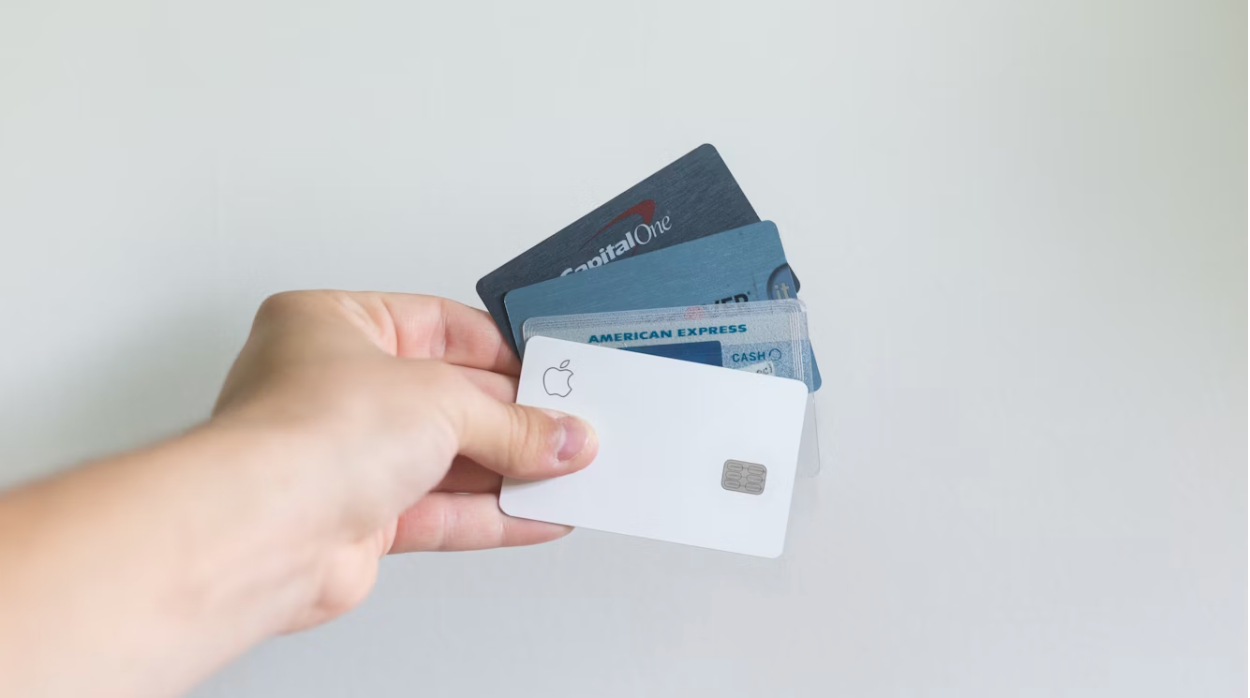

Remember that time you swiped your credit card for a quick coffee run, only to realize later it was the tenth "quick" purchase that week? We've all experienced it. Credit cards can seem like a dream where your desires instantly come true. But they're really tools, not safety nets. If used correctly, they make life simpler, help your credit, and may even offer rewards. Use them too much, and you'll face major debt. Use credit cards carefully, so they help you instead of holding you back. We'll discuss everyday knowledge, possible issues, and how cards relate to areas like online entertainment. Stay tuned for useful advice to keep your finances healthy.
Real-World Wins: Putting Credit to Work
Theory's great, but let's talk practice. Credit cards excel in scenarios where speed and security matter, from daily errands to online buys.
Everyday Essentials and Emergencies
For routine stuff like gas or groceries, cards offer tracking ease and often cash-back bonuses. In emergencies—a car breakdown or medical bill—they provide a safety net without draining your emergency fund instantly. Giving breathing room to repay over a few months. The trick? Have a payback plan ready, so it doesn't linger.
Online Transactions and Entertainment
The digital world amplifies the convenience. Shopping online? Cards often include virtual numbers for added security. This extends to entertainment, too—think streaming services or even gaming platforms. For instance, many casino platforms allow deposit options with credit cards for ease, making it simple to jump into the action without hassle. If you're exploring options, check out trusted sites, where instant funding lets you play responsibly. But word to the wise: Treat this like any spending budget for it, and avoid chasing losses. Fees might apply if seen as cash advances, so pay off pronto to dodge interest. Alternatives like debit or e-wallets can help cap spending if credit tempts you too much.
The Appeal of Credit Cards: Why They're So Handy
Credit cards aren't just pieces of plastic; they're gateways to flexibility in a fast-paced world. Think about it— no fumbling for cash or waiting for bank transfers. But understanding their pull is the first step to not letting them pull you under.
Instant Access and Flexibility
The main advantage lies in how easy they are to use. Booking a last-minute flight is simple. Need groceries? Pay with a card. Credit accounts let you handle expenses fast without instantly tapping into your bank balance. In 2025, the number of active credit card accounts reached 631 million, an increase from 617 million in 2024. This can change your money management, especially with bills or unexpected costs. Many accounts offer fraud monitoring and purchase security for peace of mind. Financial experts suggest that using credit responsibly can improve your credit score, potentially leading to better terms on loans or mortgages later.
The Hidden Costs of Over-Reliance
But here's where things get tricky. That "buy now, pay later" vibe can lead to overspending if you're not careful. Interest rates, often 20% or higher, can turn small balances into big headaches, while late payments harm your credit and fees accumulate like unwanted junk mail. I've seen friends treat cards like free money, only to scramble when the bill arrives. The key? View them as extensions of your debit account—spend what you can repay in full each month. This mindset shifts them from crutch to convenience.
Building Smart Habits: Tips for Wise Credit Use
Okay, so you've got the card—now what? It's all about habits. Let's break down some straightforward strategies to keep things in check and make your card work for you.
- Consider using budgeting apps such as Mint or YNAB to monitor and sort your expenses.
- Determine a reasonable monthly spending limit, like keeping it under 30% of your income.
- Get rid of subscriptions you don't need, so you won't waste money.
- Set up automatic payments to avoid late fees, but make sure the amounts are correct each time.
- Pick reward programs that fit your lifestyle, such as cash back or points for travel.
- Each month, pay your full balance to avoid interest.
- Check your credit report often for mistakes or anything unusual. You can get one free report each year from each credit bureau.
- Control your spending by thinking about whether you really need something and if you can afford to pay it off fast.
- Keep up with any changes to your credit card terms, interest rates, and rewards so you can make wise choices.
Conclusion
Credit cards can be a good tool if managed responsibly. They provide convenience, rewards, and may even improve your finances. The key is discipline: create a budget, pay bills on time, and use cards for needs, not just wants. Do not over-rely on them, and you can enjoy the benefits without trouble. To change how you use credit cards, start by tracking your spending for a month and then make adjustments. Your future self and your bank account will be grateful.
