
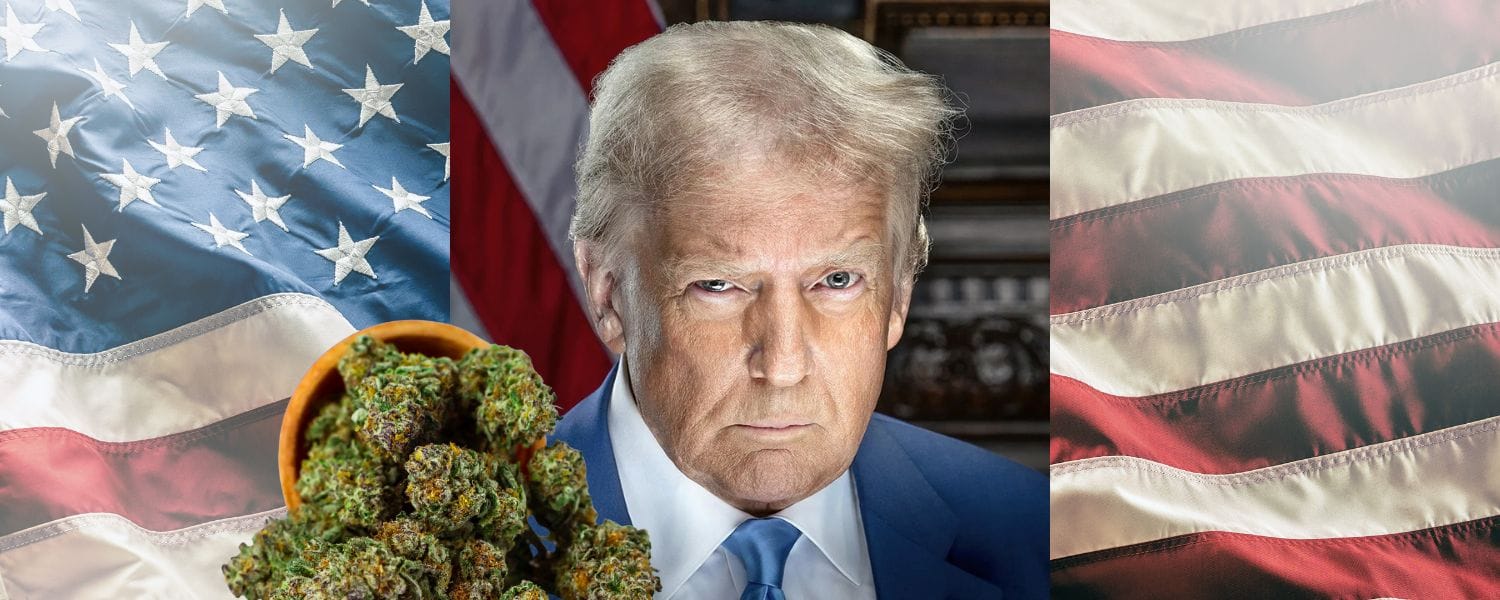
Cannabis Rescheduling Gains Momentum as Trump Signals Openness, DEA Names It a Priority
With former President Donald Trump signaling that he will “look at” rescheduling cannabis, and newly appointed DEA Administrator Terry Cole naming the issue among his top priorities, the cannabis industry may be closer than ever to the most significant shift in federal policy in over half a century.
Currently, cannabis remains classified under Schedule I of the Controlled Substances Act—alongside heroin—despite widespread medical use, state-level legalization, and a booming legal industry that supports over 450,000 jobs and has generated more than $24 billion in state tax revenue. Moving cannabis to Schedule III, as recommended by the Department of Health and Human Services, would recognize its medical utility, reduce the punitive tax burden under Section 280E, and open the door to expanded research and investment.
Industry leaders say the stakes couldn’t be higher.
Anthony Coniglio, CEO and President of NewLake Capital Partners, called rescheduling “an essential step” grounded in science, patient needs, and economic reality:
“While it would not legalize cannabis, it would recognize its medical utility and remove the punitive tax burden of Section 280E. It could also open the door to much-needed research, attract institutional investment, and help regulators focus on unregulated businesses that pose real threats to public safety… The science is clear, the process is underway, and the benefits are within reach. Now it’s time to finish the job.”
Terry Mendez, CEO of Safe Harbor Financial, noted that while Schedule III would ease tax pressure, it wouldn’t fix cannabis banking challenges:
“The Bank Secrecy Act and Anti-Money Laundering rules would still apply and access to banking would remain limited… For the cannabis sector to operate on equal financial footing, updated FinCEN guidance and congressional action such as the SAFER Banking Act are essential. Without these measures, rescheduling alone will leave many pressing financial challenges unresolved.”
Adam Stettner, CEO of FundCanna, framed the move as both an economic and public safety necessity:
“This is more than a symbolic gesture—it’s a public safety and economic imperative… Rescheduling is how we shift capital and control away from criminals and toward taxpaying businesses. It’s the law-and-order move that aligns with job creation, small business growth, and public safety.”
Gibran Washington, CEO of Ethos Cannabis, emphasized compassion and research:
“Rescheduling cannabis is not just a political issue. It is a public health and social justice imperative… We hope this signals a new era of reform where compassion and science take precedence over outdated stigma.”
John Mueller, CEO and Cofounder of Greenlight, urged immediate action:
“This moment demands not just dialogue—but action… We call for clear and comprehensive regulatory guidelines that prioritize public safety, economic opportunity, and legal certainty.”
While rescheduling would not equal federal legalization, it could mark the beginning of a new era for cannabis policy—one shaped by science, regulatory clarity, and economic opportunity rather than decades-old stigma. The industry, its workforce, and the communities it serves are watching closely to see if Washington will turn political signals into lasting reform
