
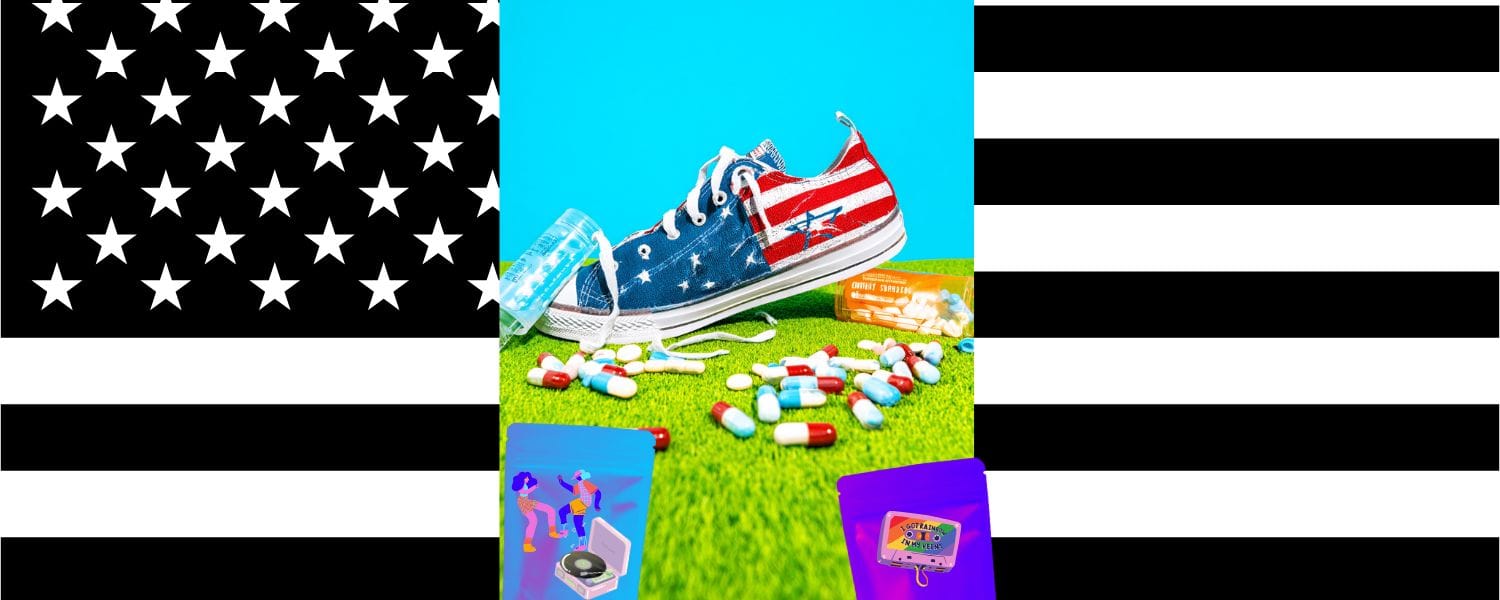

Cannabis has always been more than a plant—it’s a vibe, a set of values, a community that grew from prohibition’s shadows into a global movement. It’s the jam session after hours, the graffiti-wrapped mylar bag, the cypher where strangers become family. It survived raids, stigma, and D.A.R.E. assemblies, shaping identities and economies, art and activism. But as legalization spreads, a new question hangs in the air: what happens if the U.S. cannabis industry is overtaken by pharma?
From Culture to Clinical
The pharmaceutical model treats cannabis like any other medicine: standardized doses, synthetic isolates, insurance reimbursement, white lab coats. That approach offers legitimacy in the eyes of policymakers, but it strips the plant of its history as a social connector. The ritual of rolling up with friends, the local grower’s pride in a phenotype, the creativity of underground branding—all risk being reduced to barcodes and blister packs.
Price of Standardization
Pharma thrives on patents and predictability. But cannabis culture thrives on expression: terps that tell a story, limited drops that build hype, packaging that nods to neighborhoods. If cannabis becomes pharma, those expressions could vanish under sterile uniformity. Consumers may gain access to cannabis as a “treatment,” but lose the textures that made it revolutionary.
Who Gets Pushed Out?
Equity programs, legacy operators, and small craft growers—the lifeblood of U.S. cannabis culture—rarely stand a chance against the scale of pharmaceutical conglomerates. Pharma giants don’t do seshes or pop-ups; they do patents and shareholder calls. A takeover would likely accelerate consolidation, leaving little room for the innovators and artists who built the scene. The culture could become something to reminisce about, like underground mixtapes before streaming services flattened the sound.
The Remix We Actually Need
The truth is, cannabis doesn’t have to choose sides. It can be medicine and culture. Hospitals can keep their pills; we’ll keep our joints, our music, our art, our festivals. The future we want is one where pharma doesn’t erase culture, but culture infects pharma—with joy, flavor, and community.
Because cannabis has never just been about treatment—it’s about connection, flavor, joy, rebellion and experience.
