
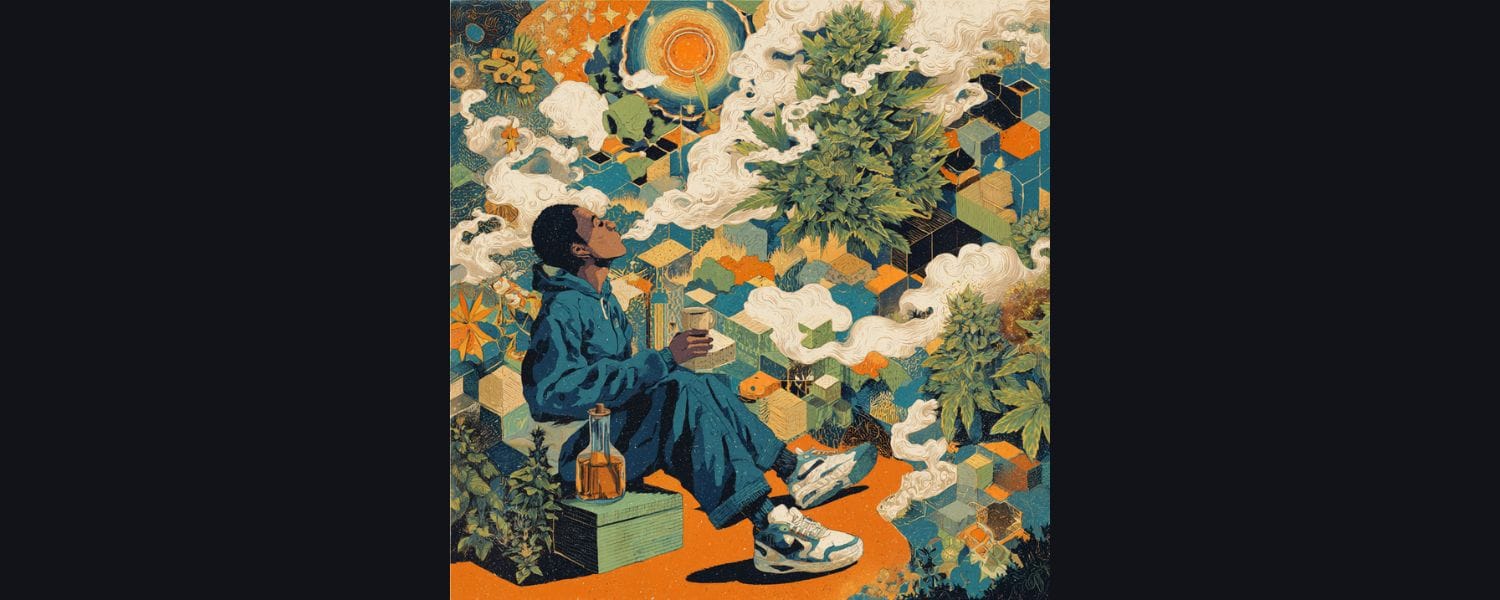

For years, cannabis existed quietly at the edges of culture. It was whispered about, joked about, or misunderstood entirely. Today, things look very different. As stigma fades and education grows, cannabis has entered the center of cultural conversation. Not only as a plant, but as a symbol of creativity, well-being, and self-expression.
Younger generations in particular see cannabis less as a rebellious statement and more as a lifestyle element. Something woven into music, art, storytelling, design, and even food culture. It has become part of identity and belonging. A shared language. A way to connect.
And like many cultural shifts, this one is deeply human.
A New Relationship With the Plant
The modern conversation around cannabis is about meaning and experience. People talk about how it fits into their rituals. How it helps them unwind, reset, or feel present in their bodies. For others, it is connected to creative flow, collaboration, or introspection.
Curiosity has also grown. Many people now explore the world surrounding weed seeds not in a transactional sense, but with genuine interest in history, genetics, and storytelling. Cannabis has become something to learn about. Something layered and evolving.
This reflects a larger movement toward conscious living. People are thinking more intentionally about what they consume. They care about origins and cultivation. They want to know what stands behind the things they bring into their lives.
Cannabis, like wine or specialty coffee, has simply joined that conversation.
Where Creativity Enters the Picture
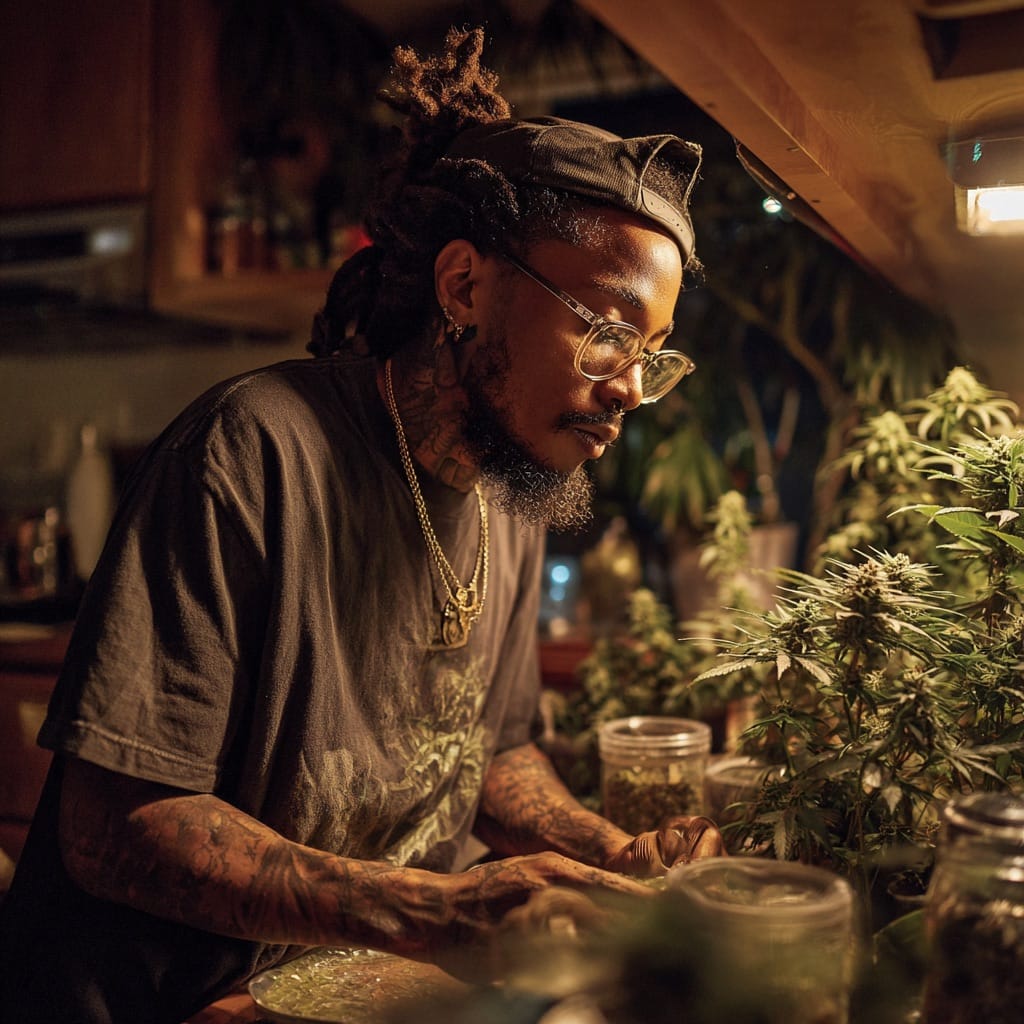
It is impossible to separate cannabis from creative culture. Poets, painters, filmmakers, musicians, dancers, and digital creators have all shaped and been shaped by it. Not because cannabis makes creativity happen, but because it tends to exist in spaces where ideas are shared freely, and authenticity is encouraged.
Those spaces feel safe. Expressive. Open to experimentation.
For many, cannabis represents permission to loosen the grip of perfectionism. To be playful. To explore. To create without judgment, whether the canvas is a page, a kitchen, a studio floor, or a bedroom full of notebooks and late-night thoughts.
And community forms easily around those moments.
People talk. They reflect. They listen. They laugh.
Cannabis becomes less about escape and more about connection.
The Role of Identity and Self-Expression
Cannabis culture today is diverse and intersectional. It includes queer communities, artists, activists, parents, entrepreneurs, and wellness seekers. It belongs as much to storytellers and innovators as it does to long-time consumers.
What ties these groups together is the desire to live honestly.
Many people who embrace cannabis also embrace conversations about mental health, social justice, body autonomy, and lived experience. The plant becomes part of a broader exploration of identity and wholeness.
And importantly, education plays a role here too. People are becoming more fluent in the language around cannabis. Some talk about indica, sativa, and hybrids. Others discuss cannabinoids and terpene profiles. A growing number even explore high THC cannabis seeds as part of the wider conversation around potency and plant characteristics.
The tone is often curious, thoughtful, and respectful. Not sensational.
Cannabis as a Cultural Bridge
One of the most beautiful aspects of modern cannabis culture is how it brings people together. It bridges generations. It connects strangers. It softens conversation.
A shared joint. A rolled cigarette. A vaporizer passed between friends. These are rituals, but they are also invitations. They say: stay. Talk. Be yourself here.
And in a world that often moves too quickly, that matters.
Cannabis-centered spaces, both physical and digital, increasingly prioritize creativity, emotional intelligence, and empathy. They celebrate people as they are. They hold space for vulnerability and humor. They encourage meaningful dialogue.
The plant becomes a facilitator. The community is the point.
Moving Forward With Intention
As cannabis continues to evolve culturally and legally, one truth remains constant: people are looking for deeper ways to connect. With themselves. With each other. With their environment.
Cannabis happens to support that impulse.
It sits at the intersection of wellness, art, sensory pleasure, and shared humanity. It invites reflection and expression. It challenges outdated stereotypes. And it opens the door to more compassionate ways of existing in the world.
The future of cannabis culture will likely feel less like an industry and more like a conversation. One grounded in creativity, storytelling, and care.
And as long as that conversation remains rooted in respect and curiosity, it has the potential to keep building something rare: a community where people feel seen.
