
The Show Is the Strategy
Blimburn Seeds made a podcast worth an hour of your time, and in doing so landed on the same idea reshaping how the biggest brands build an audience
Something shifted in Hollywood over the last several years, and it happened quietly enough that most people outside the business missed it. The talent stopped waiting for the studio to call. Actors, directors, and athletes built production companies of their own. Brands that once bought thirty seconds inside somebody else’s show started making the show. LeBron James has SpringHill. Ryan Reynolds has Maximum Effort. Red Bull has been operating a media house for so long that people forget it started as a beverage company. The logic underneath all of it is simple, and it is not reversing: if attention is the scarcest thing you can buy, stop renting it and start owning the room where it happens.
Cannabis is arriving at the same conclusion. One of the clearer examples is coming from a corner of the industry nobody expected it from, which is the seed aisle.
The sameness problem
Genetics is a brutal category to differentiate in. Scroll any seed catalog and the pattern is identical across every brand: a strain name, a THC range, a frosted macro shot on a black background, a discount code. The product is genuinely different in the ways that matter to a grower, but almost none of that difference survives the trip to a product tile. So the industry defaults to what is easy to compare, which is price, and everyone races each other down.
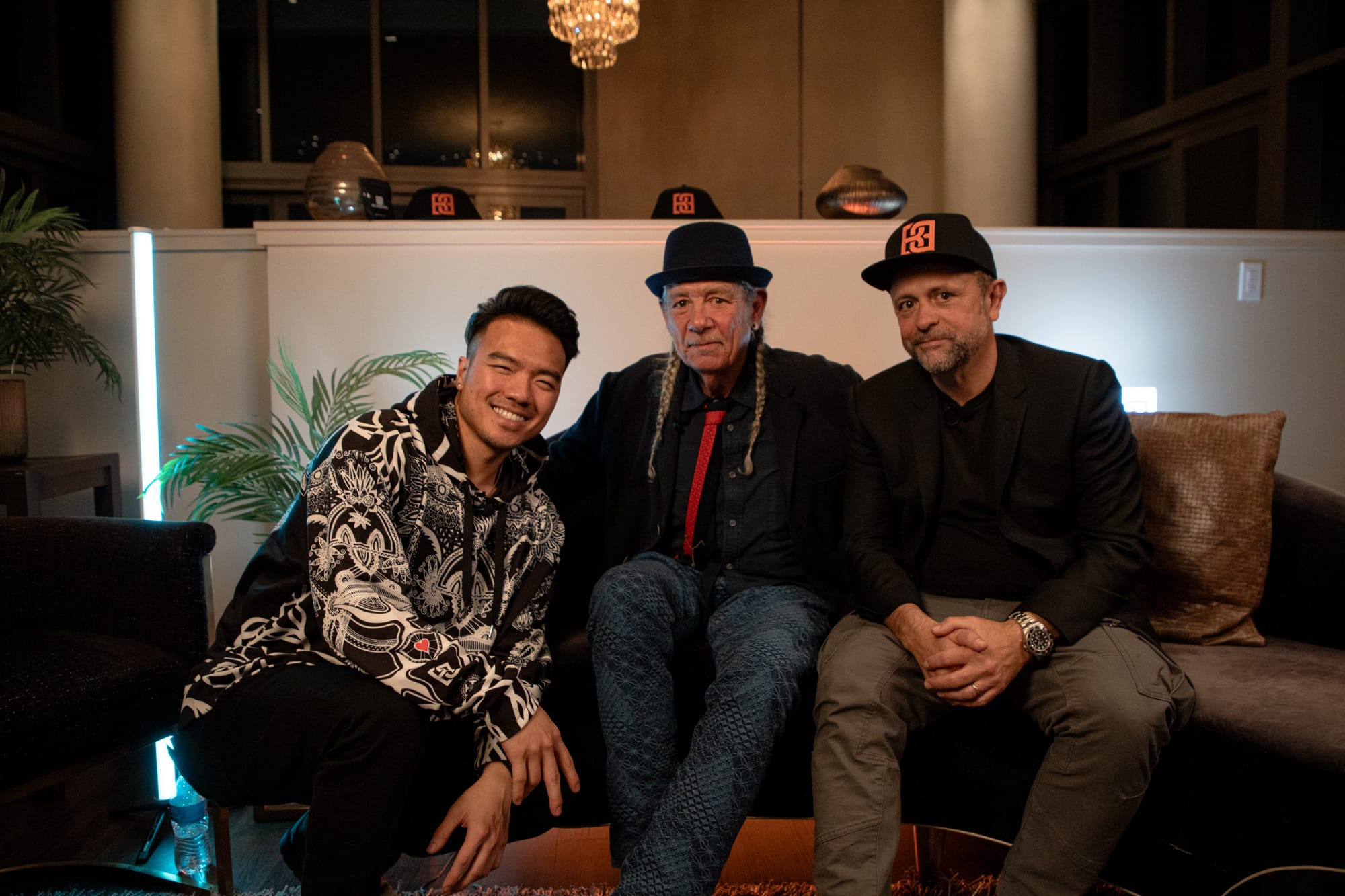
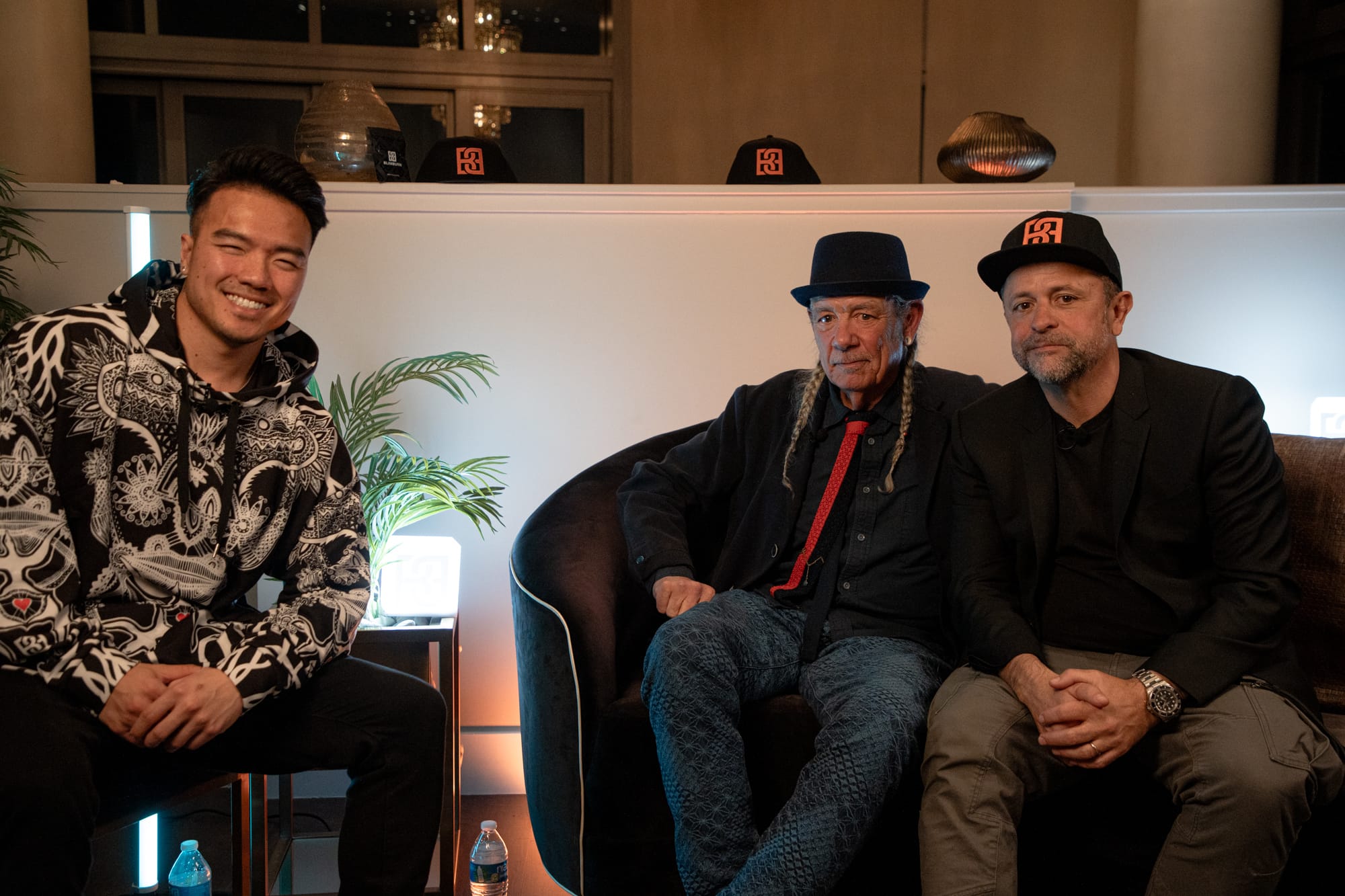
Blimburn Seeds went a different direction. Rather than buying more placements in cannabis media, the company made something of its own, teaming up with the Latin American media platform En Volá to launch the Blimburn Podcast. It is a long-form interview series shot on location, from West Hollywood to sets across Latin America, featuring the breeders, scientists, cultural figures, and entrepreneurs shaping the global industry. Guests have included RAW founder Josh Kesselman. The format is not a product showcase. It is a real talk show, made to the standard of one.
Not a show about seeds
For Blimburn CEO Sergio Martinez, the decision to keep the show off-leash was the entire point.
“I did not want to make a show about seeds. I wanted to make something a grower puts on while they are working and forgets that a brand made it. The best conversations we have had start somewhere in cultivation and end up somewhere else completely, in business, in family, in what it actually cost somebody to build the thing they built. I want to bring on people who have done remarkable things, inside this industry and far outside of it, and then bring all of it back to the community that grows with us. That is the whole design. The community is not our audience. They are the reason the show exists.”
That instinct, to make something with a longer half-life than a campaign, is what separates a real show from branded content. Branded content asks the audience for a transaction at the end. A show is built to be worth someone’s hour whether or not they ever buy anything, and it earns the right to be trusted later. It is a slower investment with a much longer tail, which is exactly why the entertainment world moved this direction first.
The team behind the camera
The show is produced in collaboration with En Volá, the largest Spanish-language cannabis media platform in the world, reaching millions of viewers across Latin America, the United States, and Europe. Its co-founder and CEO, Simón Pablo Espinosa, has been recognized by Forbes for helping build one of the biggest cannabis content ecosystems anywhere, and in 2024 he represented Latin America at the United Nations Commission on Narcotic Drugs in Vienna, arguing for the role of civil society in responsible cannabis discourse. He also directs the documentary series Very Happy, including the international project Cannabis at the End of the World. Pascual Espinosa produces, coordinating shoots across continents and guest schedules that would test a network.
That partnership is the part other brands should study closely. Blimburn did not hire an agency to approximate credibility. It went to people who already had the audience, the editorial instincts, and the reach into Spanish-speaking markets that most American cannabis brands treat as an afterthought. Making your own show does not mean making it alone. It means owning the thing you make and putting real practitioners behind the camera.
Closer to the people who grow
There is a practical dividend here that has nothing to do with impressions. A seed company sits at the very start of a grower’s season and then usually disappears until the next order. A show puts the brand back in the room every week, in a format where the audience is choosing to be there. Growers hear how other people solved problems. They see the industry’s recognizable names described as working people rather than logos. The distance between a company and the community it sells into gets shorter, and it gets shorter through something the community actually wants rather than another email.
For a category built on home cultivation, where the customer relationship is personal and the knowledge exchange runs both directions, that proximity is the asset. It is very hard to buy and very hard for a competitor to copy quickly.
What it signals
The broader lesson travels well beyond genetics. Cannabis brands are competing for a shrinking pool of earned media in an industry where paid channels are still restricted, advertising is still throttled by platform policy, and regulatory noise makes traditional campaigns risky to plan around. Under those conditions, owning a channel is not a vanity project. It is infrastructure. The brands that will still be recognizable in five years are the ones building an audience they do not have to rent back every quarter.
Hollywood figured that out first. Blimburn is betting that cannabis is next.
“Anybody can sell you a seed,” Martinez said. “Not everybody will sit down with you for an hour and tell you the truth about what it took.”
