
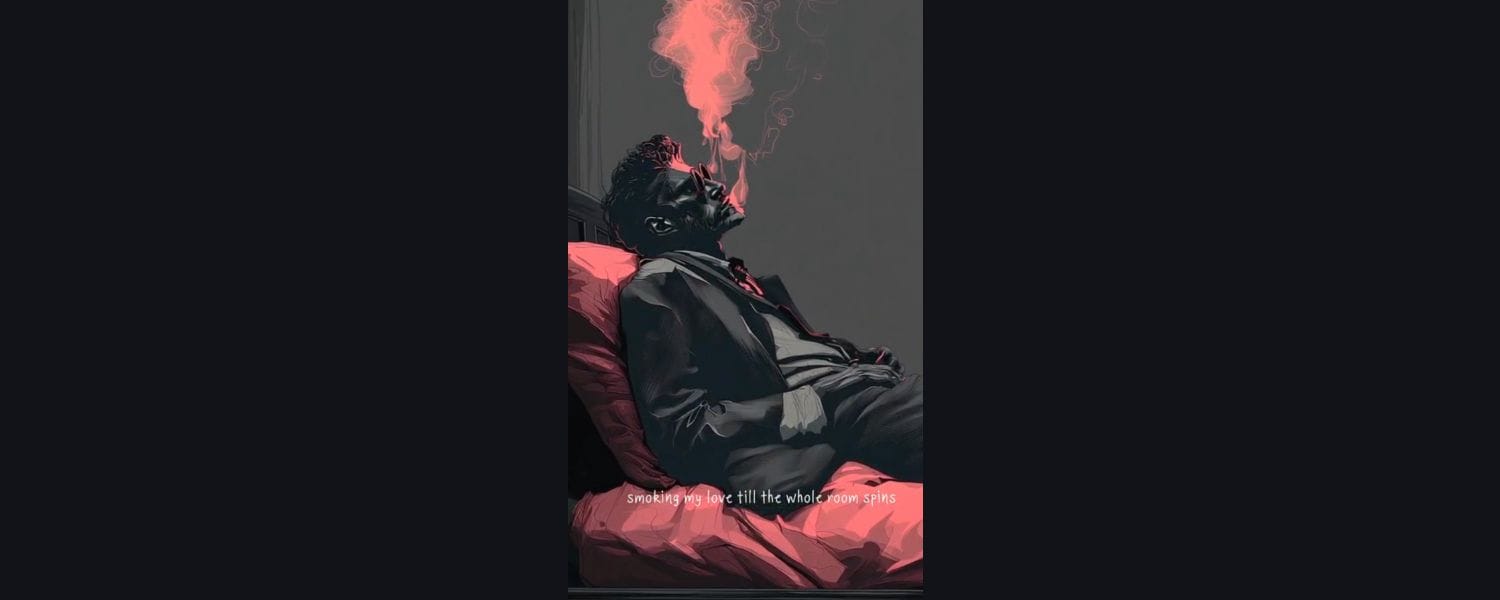
For many people, the desire to make music begins long before they ever understand what tools are required to bring it to life. It’s something felt early—an instinct, a pull, a frequency that never quite disappears. For Avigail Duda, that pull has always been there, shaped by a lifelong love of music, a deep connection to jazz and soul, and years spent working creatively inside the cannabis industry.
Duda is no stranger to building atmosphere, narrative, and emotional resonance. As a creative working in the cannabis industry, she’s long operated at the intersection of ritual, identity, and experience—where feeling matters as much as form. What changed recently wasn’t the dream of making music—it was access.
Working with AI, Duda created her first original song from the ground up: music, lyrics, and a full music video. It wasn’t about replacing musicianship or pretending to be something she’s not. It was about finally having a way in.
“I always dreamed of creating music,” she says, “but I wasn’t blessed with the right voice for it.” AI, she explains, opened a door she never expected—one that allowed her to participate in music-making without needing to fit traditional definitions of who gets to be a singer or a songwriter.
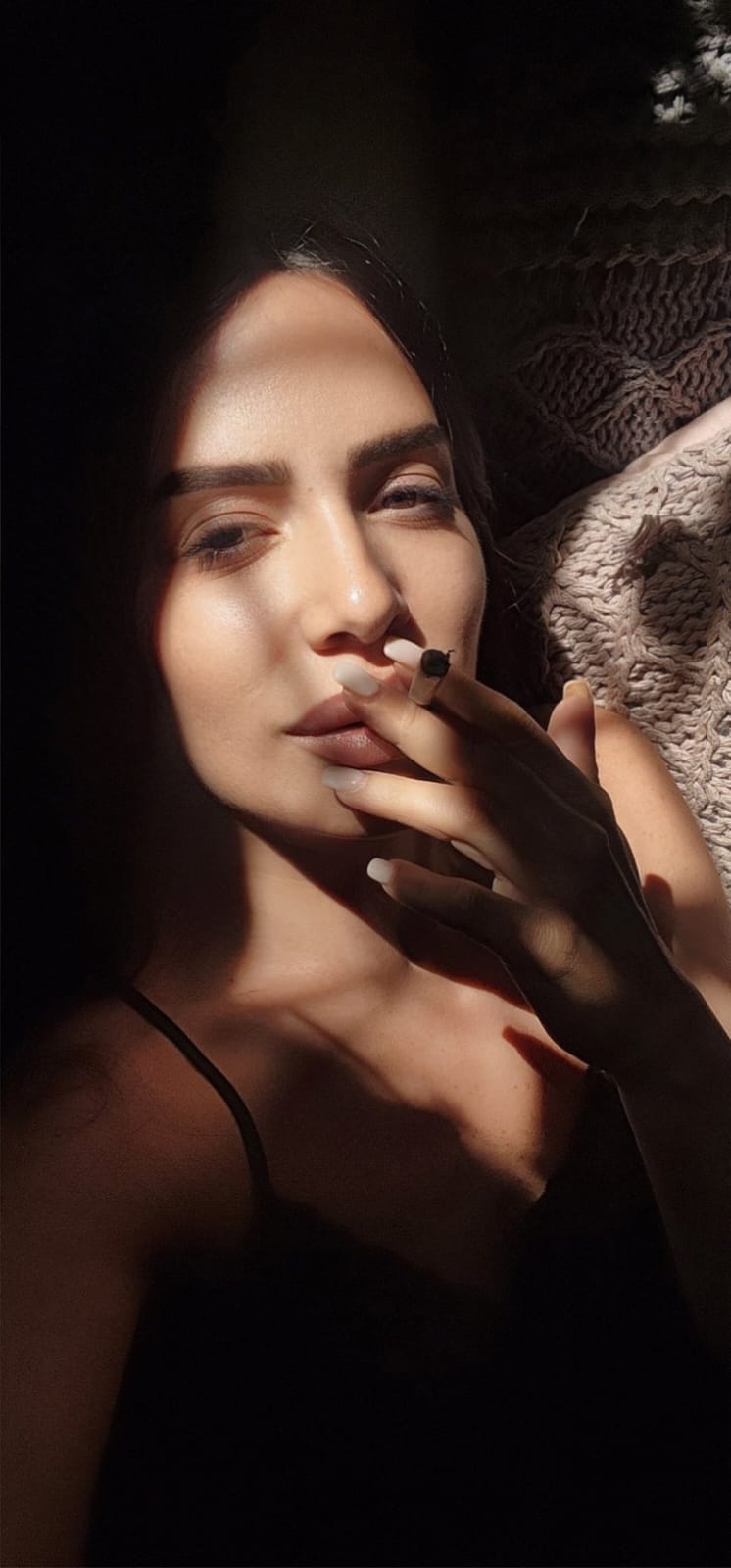
The lyrics draw directly from personal experience. Inspired by her life as a cannabis consumer—and the layered, often contradictory emotional states that come with that relationship—the song reflects intimacy rather than spectacle. It’s not written to instruct or provoke, but to connect, inviting listeners into a shared emotional space where reflection and dialogue can happen naturally.
Some of the lyrics existed long before the technology did. During the rewriting process, Duda used AI as a collaborator rather than a replacement—refining phrasing, tightening emotion, and helping shape the final form while preserving the original intent. The melody came together through Suno, where she carefully prompted specific instruments and textures, treating the process less like automation and more like composition.
The vocal presence that emerged is unmistakably soulful. Influenced by the classic soul singers who shaped her musical taste, the decision to use a male voice wasn’t calculated—it was intuitive. “It probably reflects an unconscious desire,” she notes, “to embody a soul singer.” Rather than seeing that distance as artificial, the project leans into it, using the voice as a vessel for feeling rather than identity.
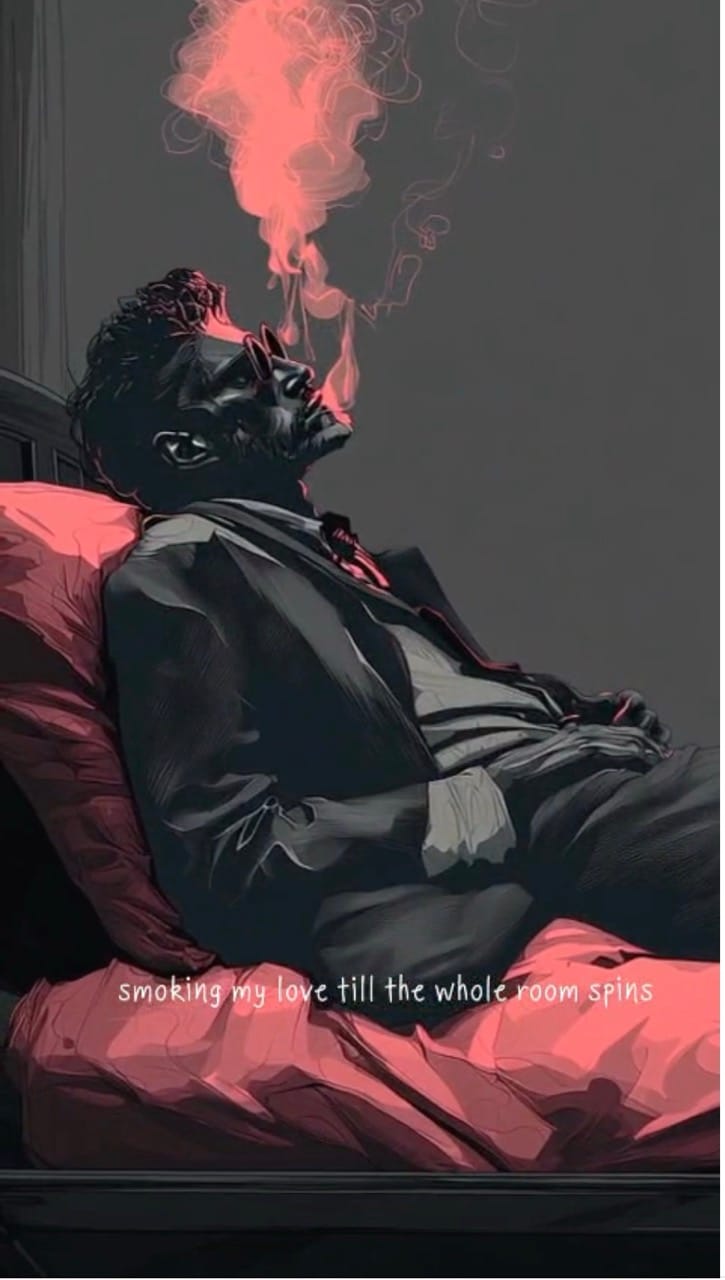
The visual world of the project follows the same philosophy. The character and aesthetic were designed to match the song’s atmosphere—moody, expressive, and intentional. Created with Midjourney, animated in Kling, and edited using CapCut, the visuals aren’t trying to be hyper-real or over-engineered. They’re the result of an early experiment that felt honest, from color selection to movement.
That sense of honesty is what anchors the entire project. This isn’t a declaration about the future of music—it’s a first step. A proof of concept rooted in curiosity, vulnerability, and long-held longing. For a creative already fluent in cannabis culture—where altered perception, introspection, and sensory awareness are part of the language—AI became less a disruption and more an extension.
In an industry still debating what AI means for creativity, Duda’s work offers a quieter perspective: that technology can sometimes function as permission.
Permission to try.Permission to participate.Permission to finally speak in a language that’s always lived inside you.
And for a first time, that might be the most important note of all.
For more, follow @avigail_duda
