

Why Astrology Took Root Across Civilizations
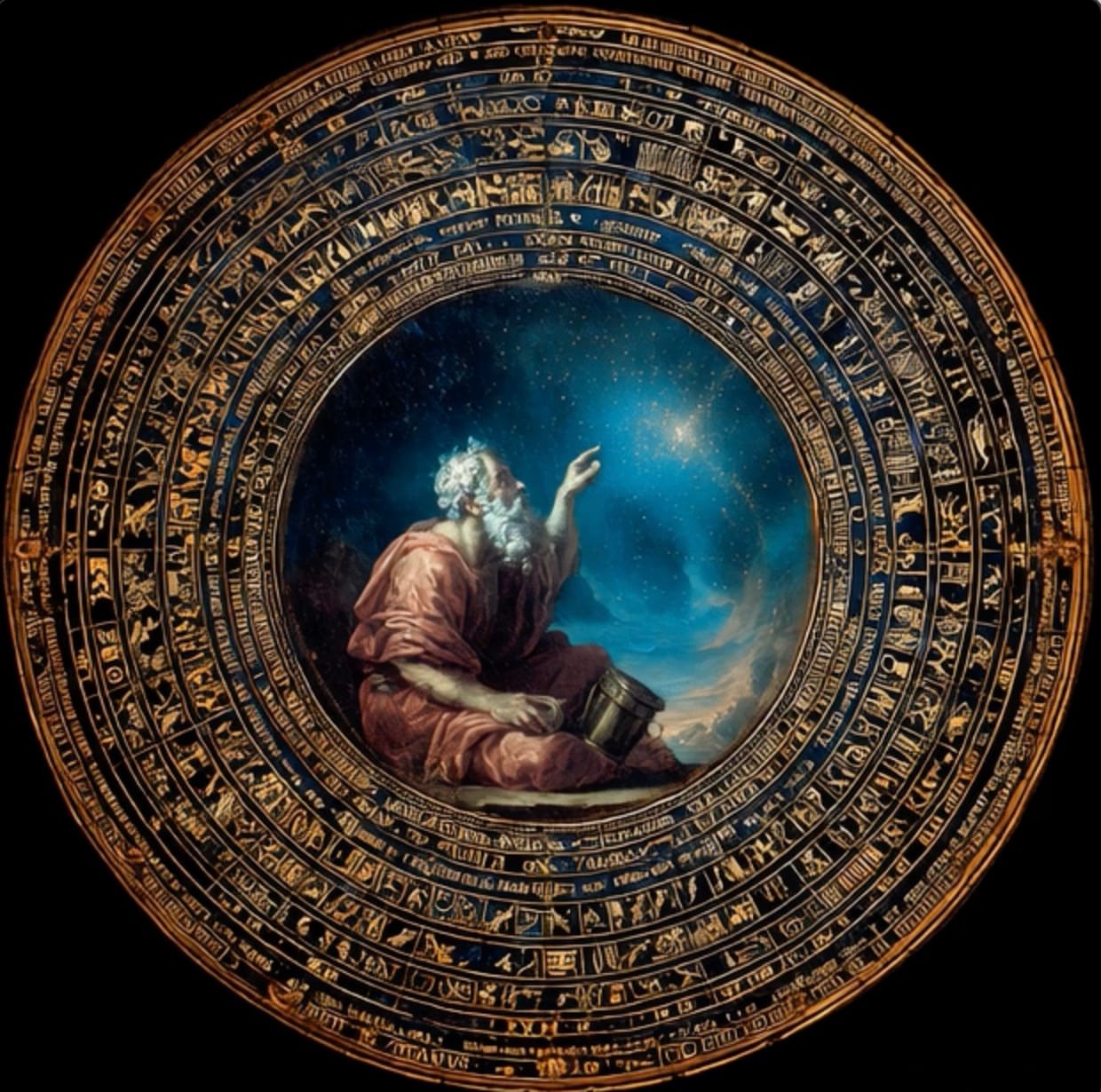
Long before telescopes and apps, the night sky worked like a shared clock and calendar. Many communities watched the Sun, Moon, and bright planets to track seasons, plan ceremonies, and explain sudden events like eclipses.
In Short: Astrology grew as a way to connect patterns in the sky with meaning on Earth.
Myths, Gods, and Star Stories
Many early sky maps were also story maps, linking constellations to gods, animals, and heroes that helped people remember what they saw overhead. Greek legend is a famous example, and a modern Gates of Olympus slot review shows how Zeus-centered imagery still inspires themes in entertainment today. In older settings, those same stories helped observers recall when certain star patterns rose and what parts of the year they marked.
Other cultures used different characters and lessons, even when they pointed to similar groups of stars. Over time, these stories mixed with careful record-keeping, so the sky could be read as both a memory aid and a source of guidance.
From Omens to Horoscopes: Key Shifts Over Time
Early forms of astrology often focused on public life, asking what the sky meant for rulers, crops, and the safety of a city. Over time, especially in the Hellenistic Mediterranean, techniques shifted toward personal charts tied to a single birth moment.
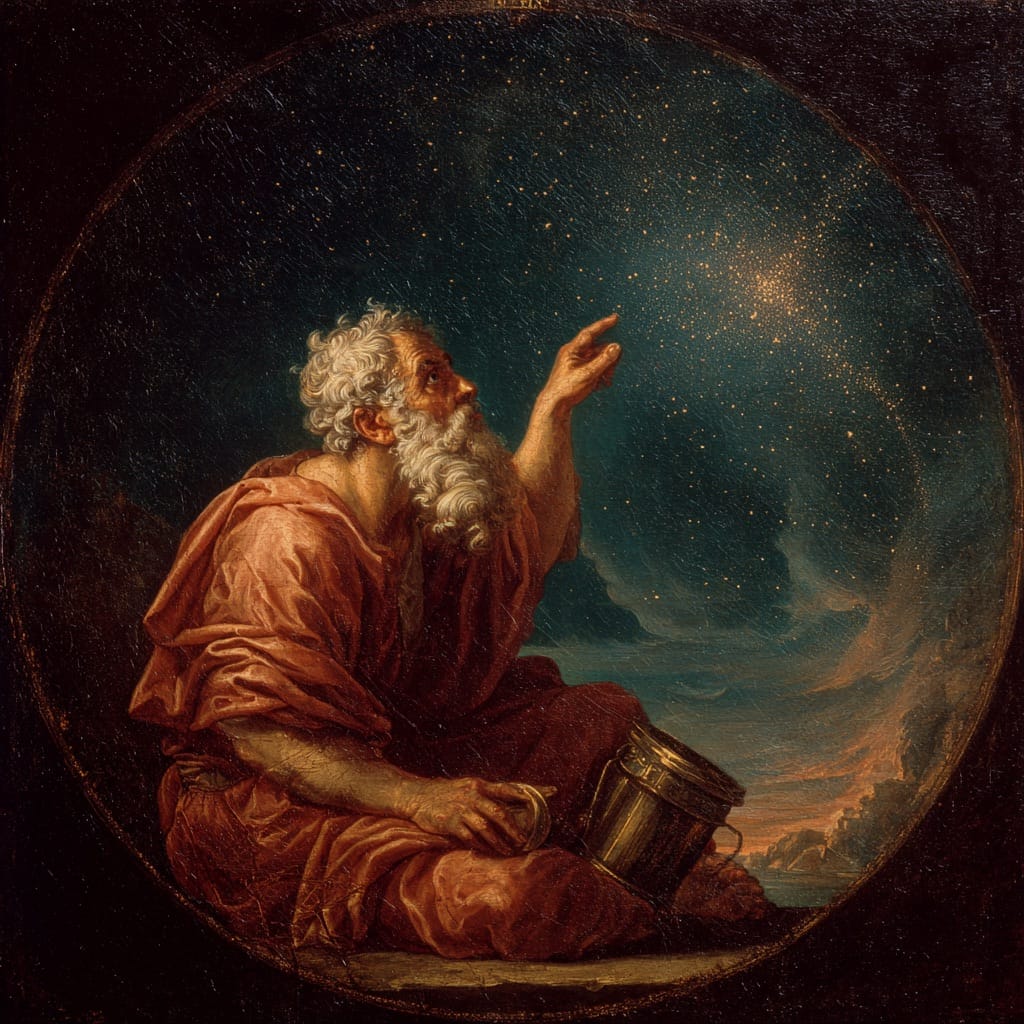
Key Shift: Better math and longer records made it easier to compare today's sky with earlier patterns.
Mesopotamia: Celestial Omens Become a System
In Mesopotamia, scholars kept long lists of celestial omens and matched them with events on Earth, building a tradition of interpretation over centuries. By the first millennium BCE, a 12-sign zodiac helped track the Sun's path along the ecliptic and organize predictions in a simpler frame.
Egypt: Decans and Nighttime Hours
In ancient Egypt, groups of stars often called decans were used to tell time at night and support calendar-making. These timekeeping methods later met ideas from neighboring cultures, adding new layers to how the sky could be interpreted.
Greece and Rome: Philosophy Meets Calculation
Greek-language writers combined techniques from the Near East with geometry, natural philosophy, and a taste for big theories. Astrology became more personal in this period, and later Roman elites helped spread it across a wider Mediterranean world.
How People Put Star Knowledge to Work
Even when beliefs differed, sky interpretation often had practical goals, such as setting calendars, planning rituals, and supporting political authority. Because the skies are shared, techniques and symbols also traveled with merchants, armies, and translated texts. The result was a patchwork of local customs and borrowed methods that could look similar on the surface but mean different things in practice.
- Calendars: Marked planting windows, festival dates, and the start of a new year.
- State Decisions: Treated eclipses and planetary motions as signs linked to public events.
- Ritual Timing: Chose auspicious hours for ceremonies, journeys, and major life steps.
- Navigation: Used familiar star patterns to guide travel on land and at sea.
- Story Memory: Turned the sky into a set of shared stories that helped teach new generations.
India and China: Cycles, Mansions, and Meaning
In South Asia, jyotisha developed as a broad tradition tied to timekeeping, ritual calendars, and later forms of chart reading. Many Indian systems pay close attention to lunar mansions called nakshatras, which divide the Moon's monthly path into named segments. In China, a related idea divides the sky into Twenty-Eight Mansions that track the Moon's motion and connect it to seasonal and symbolic systems.
These approaches show that zodiac is not a single universal template. Some traditions lean on the Sun's yearly path, while others emphasize the Moon's faster cycle, producing different ways to organize signs, timing, and interpretation.
What Astrology's Past Can Teach Today
Across cultures, astrology has blended observation, story, and social needs, which helps explain why it spread and changed so often. Its tools have ranged from omen lists to detailed charts, shaped by local religion, politics, and available math.
In Short: The long history of astrology is also a history of how people searched for order in the sky and brought those patterns down to everyday life.
